
Images protected by Greenhouse School Websites
Quick Links

Quick Links Open/Close

Stoneyholme Community Primary School

  • Facebook
  • ParentPay

Tuesday

Tuesday 29th September

Match the word to its definition

Words

  1. Reluctant
  2. Significant
  3. Deteriorate
  4. Compassionate
  5. Meticulous
  6. Inevitable
  7. Perplexed
  8. Resilient
  9. Abundant
  10. Conspicuous


Definitions

A. Very careful and precise about details
B. Unable to be avoided or prevented
C. Having a large quantity; plentiful
D. Kind and caring towards people who are suffering
E. To become worse in quality or condition
F. Confused because something is difficult to understand
G. Unwilling or hesitant to do something
H. Important or meaningful
I. Able to recover quickly from difficulties
J. Easily noticed or standing out

Sentences

1. Reluctant – Oliver was reluctant to enter the dark, mysterious cave, but he knew he had to be brave.

2. Significant – Winning the competition was a significant achievement that filled the team with pride.

3. Deteriorate – Without proper care, the ancient building began to deteriorate, with cracks appearing in its walls.

4. Compassionate – The compassionate girl comforted her friend when she felt upset and alone.

5. Meticulous – The meticulous artist carefully painted every tiny detail of the magnificent portrait.

6. Inevitable – As the storm clouds gathered overhead, it became inevitable that the football match would be cancelled.

7. Perplexed – The detective was perplexed by the mysterious footprints that suddenly disappeared.

8. Resilient – Despite facing many challenges, the resilient explorer refused to give up on his journey.

9. Abundant – The tropical rainforest was home to an abundant supply of colourful plants and exotic wildlife.

10. Conspicuous – The bright red coat was conspicuous among the crowd of people wearing dark clothing.

29.09.26

LC: To divide by 2-digit numbers

Model

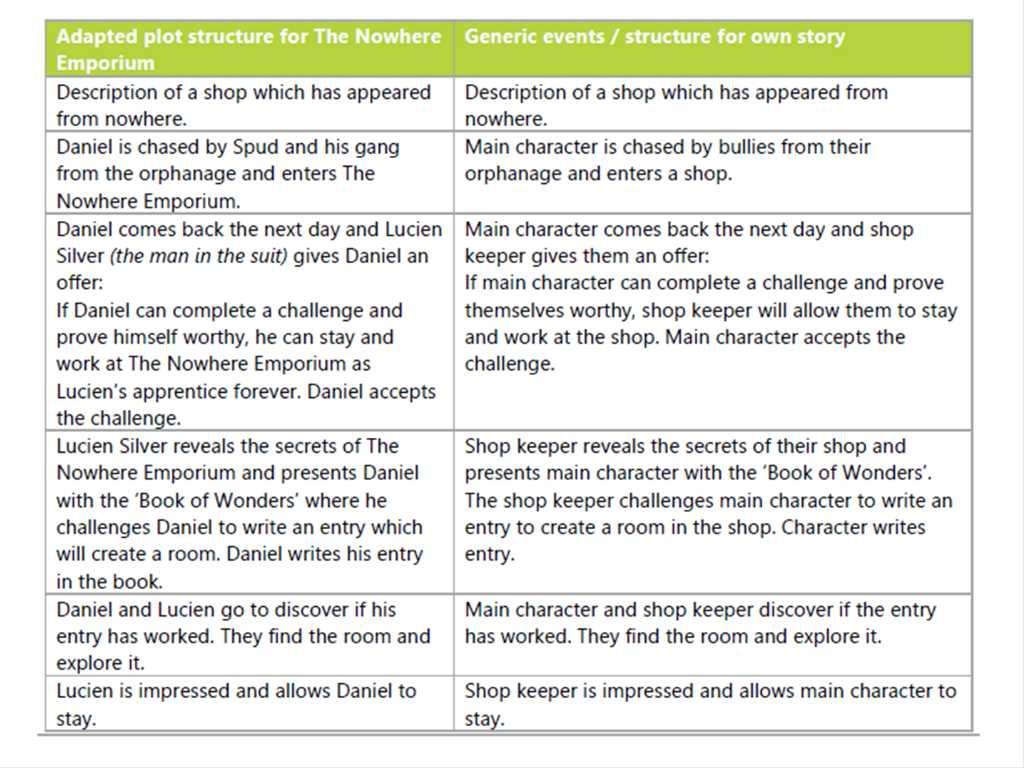
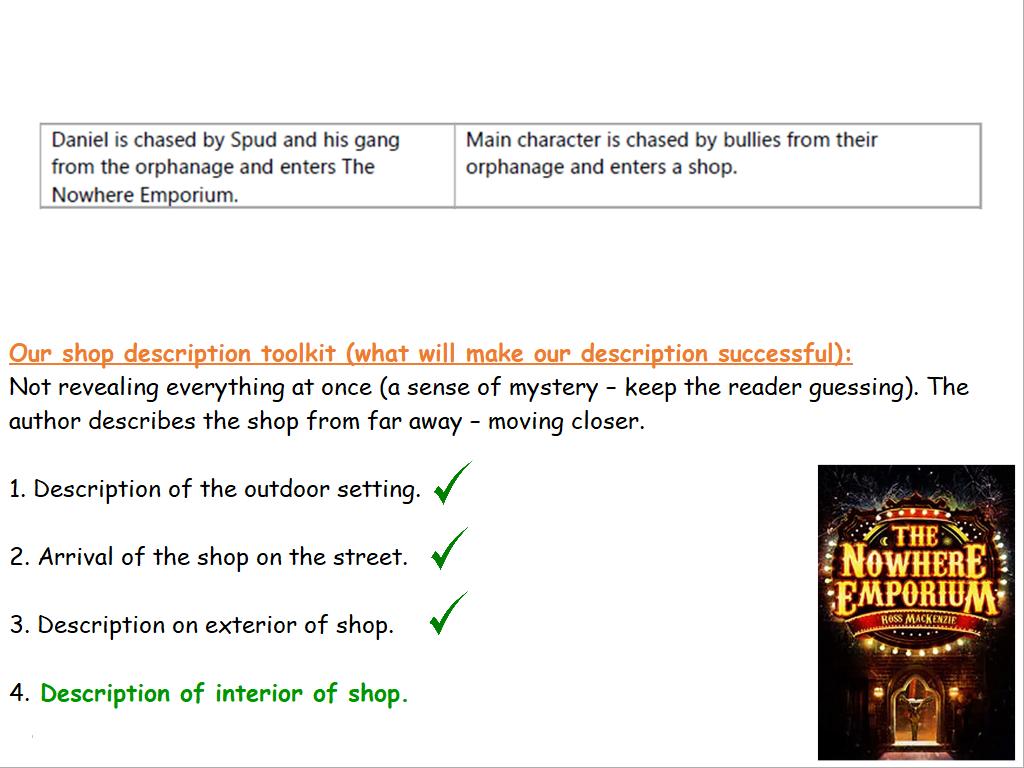
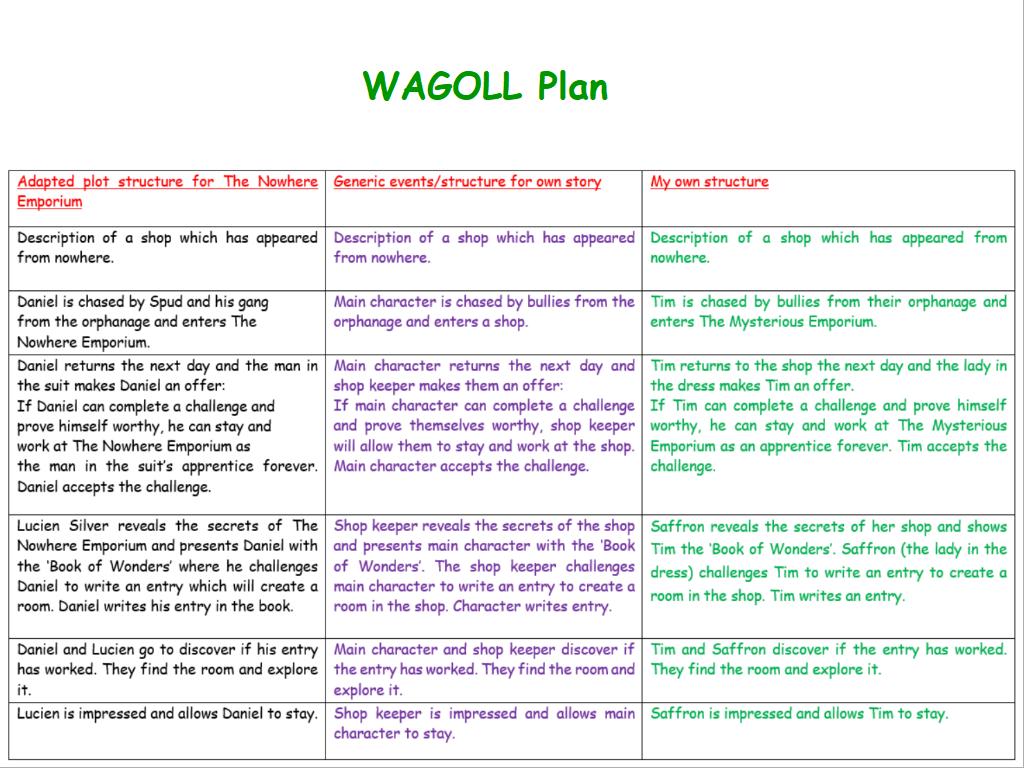
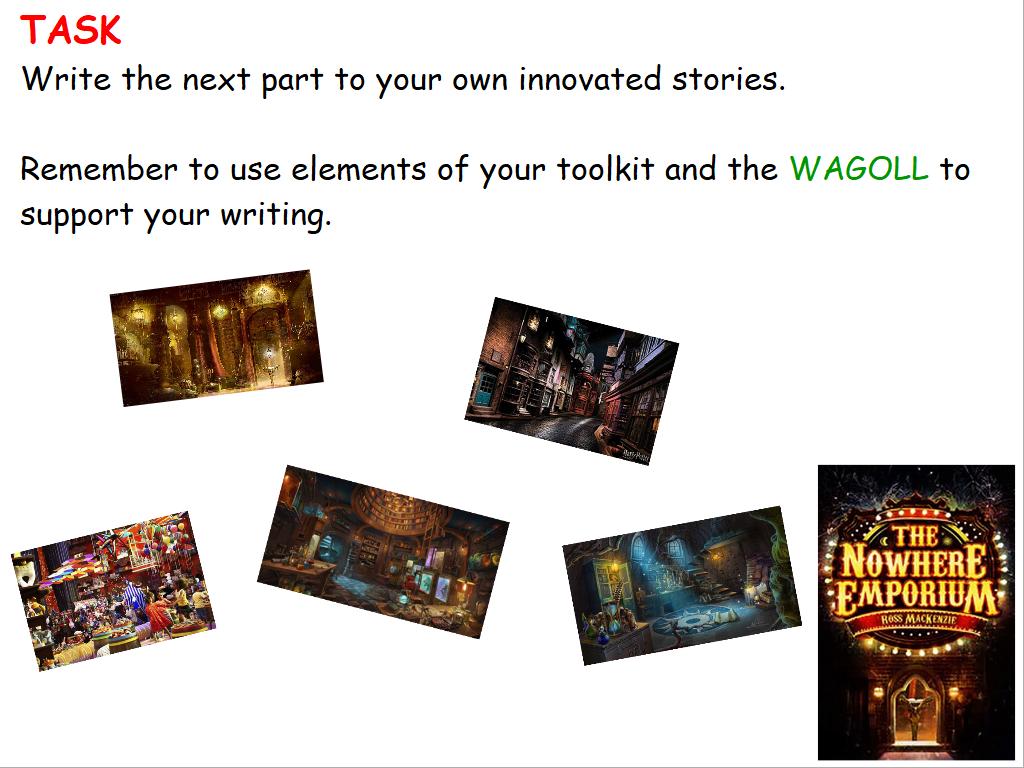
Beating like a drum, Tim’s heart was throbbing monotonously as he darted away from the orphanage, trying to escape Spike and his gang of bullies.

“I’m coming for ya! You can’t escape me, wee boy!” barked Spike.

Without looking back, Tim jostled in and out of the crowds down the cobbled street. Spike’s voice seemed to fade slightly. At the end of the street, Tim spotted a new shop. Flinging the black door open, he stormed in and slammed it shut, making the glass bottles on display shudder.

“And what do you think you’re doing? I’m closed,” spoke the lady, whose glasses were perched on the end of her pointed nose.

Tim explained that he was hiding from the orphanage bullies. Whilst he curiously gazed around, he suddenly realised that he’d never been in this shop before. Illuminated lights sat in each corner, and an ancient, wooden cabinet was home to many silver trinkets. There were porcelain dolls sitting wide-eyed on the piano stool, and a pair of crimson, velvet curtains stood closed as if it were night-time.

This was like no shop Tim had ever seen.

“Guess I’ll be off now. Thanks and sorry,” yelled Tim to the auburn-haired lady, who could no longer be seen.
RIC

When Oliver opened the cupboard beneath the stairs, he was expecting to find the usual collection of dusty shoes, tangled umbrellas and mysterious missing socks. Instead, a plump, purple pigeon waddled out and stared at him accusingly.

Oliver froze.

The pigeon puffed out its chest, flapped its wings and marched towards the kitchen as if it owned the place. Oliver glanced over his shoulder to check that nobody else had witnessed this extraordinary event. Unfortunately, his little sister, Maisie, was standing at the end of the hallway, already grinning.

“Is that your new pet?” she asked.

“Absolutely not,” Oliver replied.

The pigeon ignored them both. It strutted into the kitchen, hopped onto a chair and began pecking at the table. Oliver watched in disbelief as it knocked over a pencil pot, scattering pencils across the floor.

“Brilliant,” Oliver muttered. “Now it's redecorating.”

Maisie giggled. “I think it likes us.”

“I think it’s planning to take over the house.”

As if to prove his point, the pigeon flapped onto the kitchen table and let out a loud, triumphant 'coo'. Then it spotted Oliver’s half-eaten piece of toast.

Oliver reached for it.

The pigeon reached for it too.

They stared at each other.

“This,” Oliver announced, “is where I draw the line.”

The pigeon snatched the toast and flew towards the open back door. Oliver chased after it, laughing despite himself. By the time he reached the garden, the mysterious visitor had disappeared over the fence.

Oliver stood there, breathless.

Then he noticed three purple feathers floating down onto the grass.

Maisie appeared beside him.

“Do you think it’ll come back?”

Oliver looked at the empty fence.

“I sincerely hope not.”

From somewhere beyond the garden came a familiar, triumphant 'coo'.

Oliver sighed.

Questions

1. Retrieval
What did Oliver find when he opened the cupboard beneath the stairs?

2. Inference
What can you infer about Oliver's feelings towards the pigeon? Use two pieces of evidence from the extract to support your answer.

3. Writer's choice of vocabulary
The writer describes the pigeon as “plump” and says that it “strutted” into the kitchen. Why has the writer chosen these words? Explain the effect they have on the reader.

Tuesday 29th September

Antarctica: The Frozen Continent

Antarctica is the coldest, driest and windiest continent on Earth. At first glance, its enormous stretches of white snow and ice might appear empty and lifeless. However, beneath the harsh conditions lies a remarkable world of wildlife, scientific discovery and surprising natural features.

During the Antarctic winter, temperatures can plunge below -60°C in the interior of the continent. For several months, the sun does not rise above the horizon, leaving the landscape in darkness. In summer, the situation is reversed: some areas experience almost continuous daylight. This dramatic change makes life in Antarctica extremely challenging.

Despite the freezing temperatures, Antarctica is home to a variety of animals. Penguins huddle together to conserve warmth, while seals spend much of their time in the surrounding ocean. Further out at sea, enormous whales can be spotted travelling through the icy waters. These creatures have developed special adaptations that help them survive in one of the most extreme environments on Earth.

Antarctica is also an important centre for scientific research. Scientists from many countries live and work at research stations scattered across the continent. They investigate everything from weather patterns and glaciers to the effects of climate change. Because Antarctica has remained largely untouched by humans, it can provide valuable clues about how Earth's environment has changed over thousands of years.

One of the continent's most extraordinary features is its ice sheet. It covers almost all of Antarctica and contains a vast amount of the world's fresh water. In some places, the ice is several kilometres thick. Yet this frozen landscape is not completely still. Huge glaciers slowly creep towards the sea, sometimes breaking apart and producing enormous icebergs.

Although Antarctica may seem like a distant, frozen wilderness, what happens there can affect the whole planet. Changes to its ice can contribute to rising sea levels, while its icy surface and surrounding ocean play an important role in Earth's climate. Protecting this remarkable continent is therefore important not only for the animals and scientists who live there, but for people everywhere.

SATs-style questions

1. Find and copy one word from the first paragraph that means “very large.”
[1 mark]

2. According to the text, why do penguins huddle together?
[1 mark]

3. Complete the table.

Season What happens?
Winter ______________________________
Summer ______________________________

[2 marks]

4. What does the phrase “one of the most extreme environments on Earth” suggest about Antarctica?
[1 mark]

5. Give two reasons why scientists study Antarctica.


[2 marks]

6. In the sentence “Huge glaciers slowly creep towards the sea”, why has the writer used the word “creep” instead of simply saying “move”?
[2 marks]

7. What impression does the writer give of Antarctica in the final paragraph? Use evidence from the text to support your answer.
[2 marks]

8. Tick one box.

The main purpose of this text is to:

☐ persuade readers to visit Antarctica
☐ explain Antarctica's features and importance
☐ entertain readers with stories about Antarctic animals
☐ argue that Antarctica is the coldest place on Earth

[1 mark]

9. Find and copy one phrase that shows Antarctica contains a large amount of fresh water.
[1 mark]

10. Number these events from 1–4 in the order they are mentioned in the text.

☐ Scientists investigate climate change.
☐ Glaciers move towards the sea.
☐ Penguins huddle together.
☐ The Antarctic winter brings months of darkness.

Tuesday 29th September

LC: To compare the characteristics of living things and describe their similarities and differences.

Why we group and classify living things


↑