


Year 5B

Welcome to our class pages. This web page will be updated with useful information and photographs of the fantastic work we have done in class, so please check it regularly.
Mrs Areej Shafique is the class teacher for 5B with Miss Paul, Mr Dickinson and Mr Slater supporting learning.
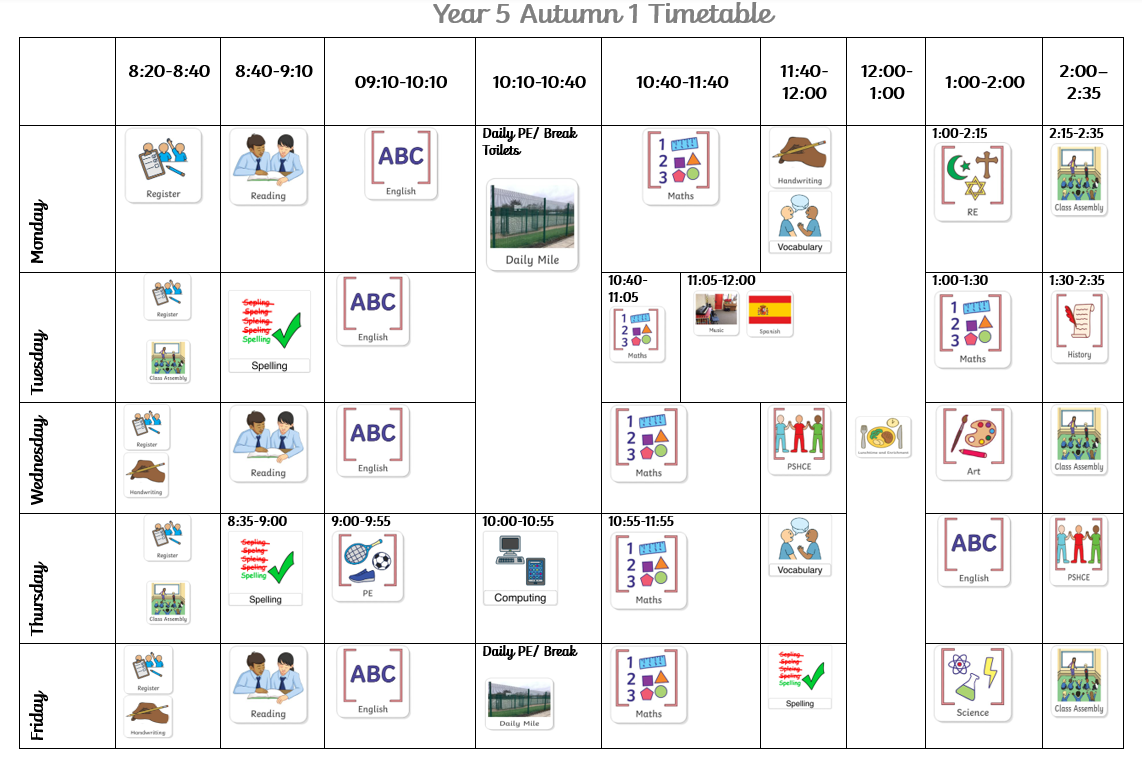
PE is every Thursday so pupils should come to school in their PE kit.
We will do daily PE sessions so please make sure the children wear all black trainers. Please refer to the uniform section of the school website for further details regarding school uniform: Stoneyholme Community Primary School - Uniform.
Timetable
Key Information
Homework
All children in Year 5 are expected to complete their homework every night. This includes
- reading for 20 minutes per day
- practising times tables and related division facts (your children will know which ones they need to practise)
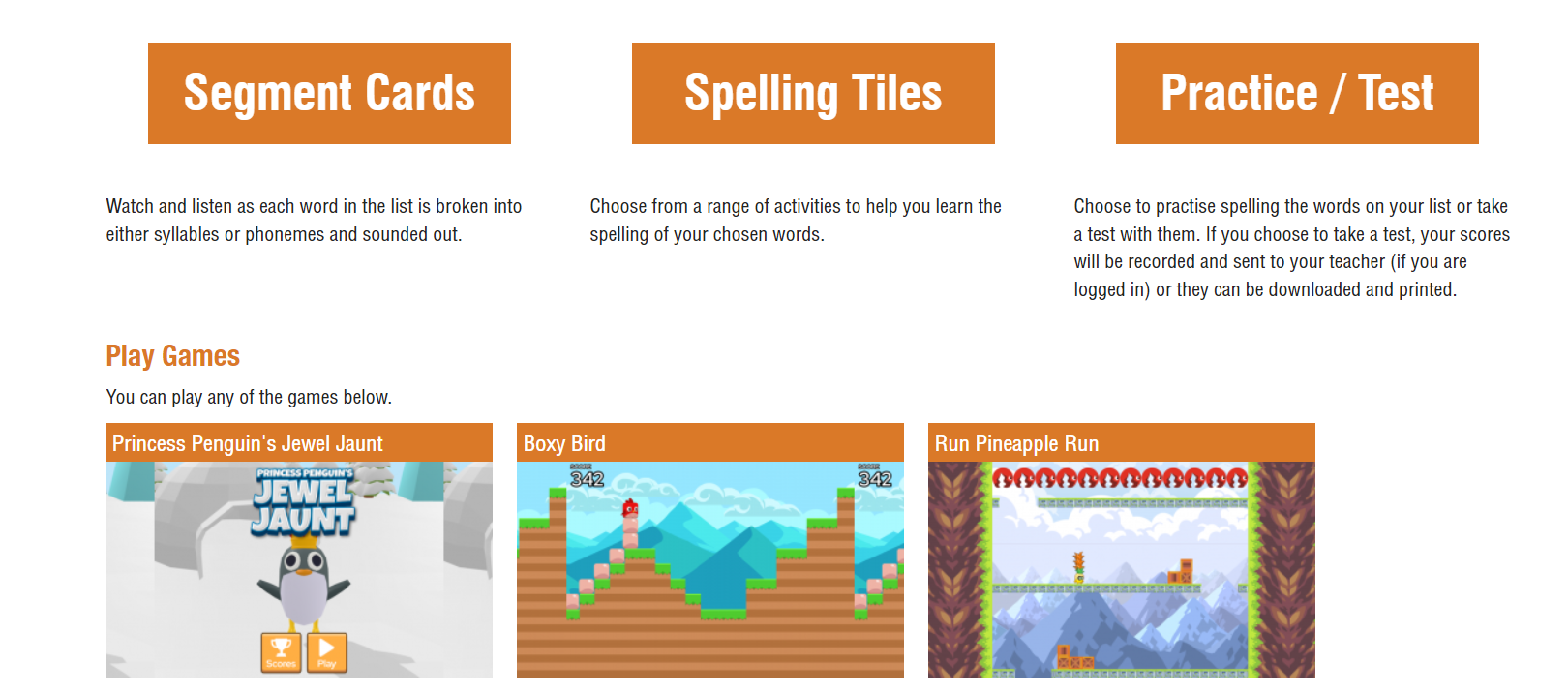
- learning spellings by logging in to their Spelling Frame account or using their spellings words list
Class Charter
In class, we have been thinking about our rights. We started the year by focusing on Article 28 'Access to Education' and we considered as a class what the Duty Bearers (adults) and the Rights Holders (children) need to do to ensure that every child in 5K has access to the education they deserve.
We all agreed that we will uphold our responsibilities on our Class Charter.
British Values
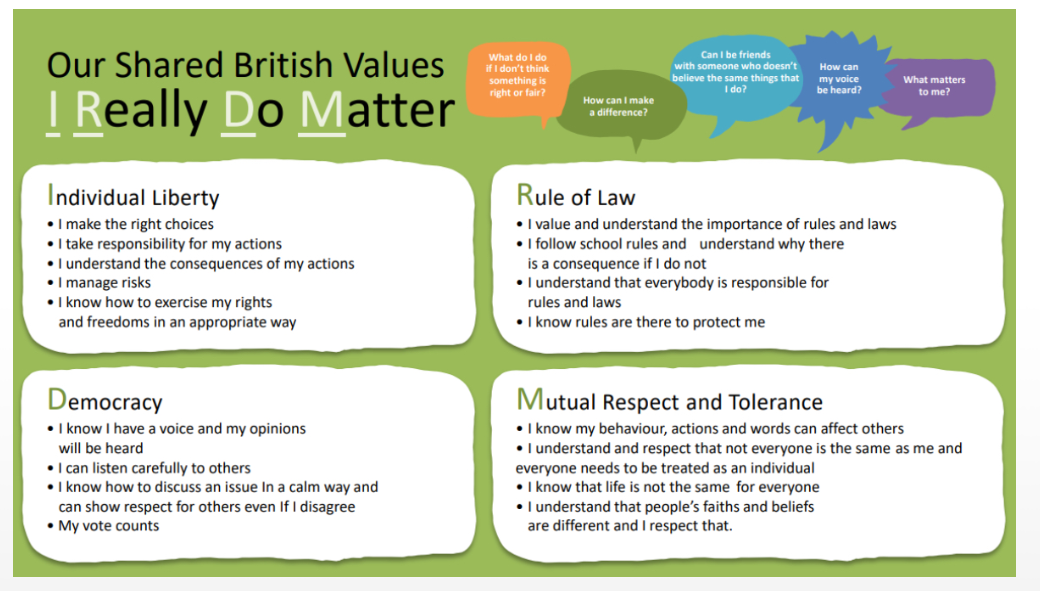
As British citizens, we know the difference between right and wrong and we respect people's different opinions and choices. These are known as British Values.
In school, we promote all of the British Values:
-The Rule of Law
-Democracy
-Individual Liberty
-Mutual Respect and Tolerance
We look at a different value each week during Collective Worship and we share our opinions and listen to the views of others.
Autumn 1
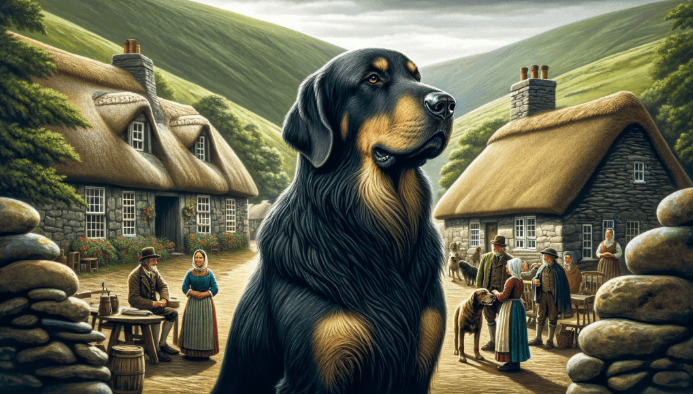
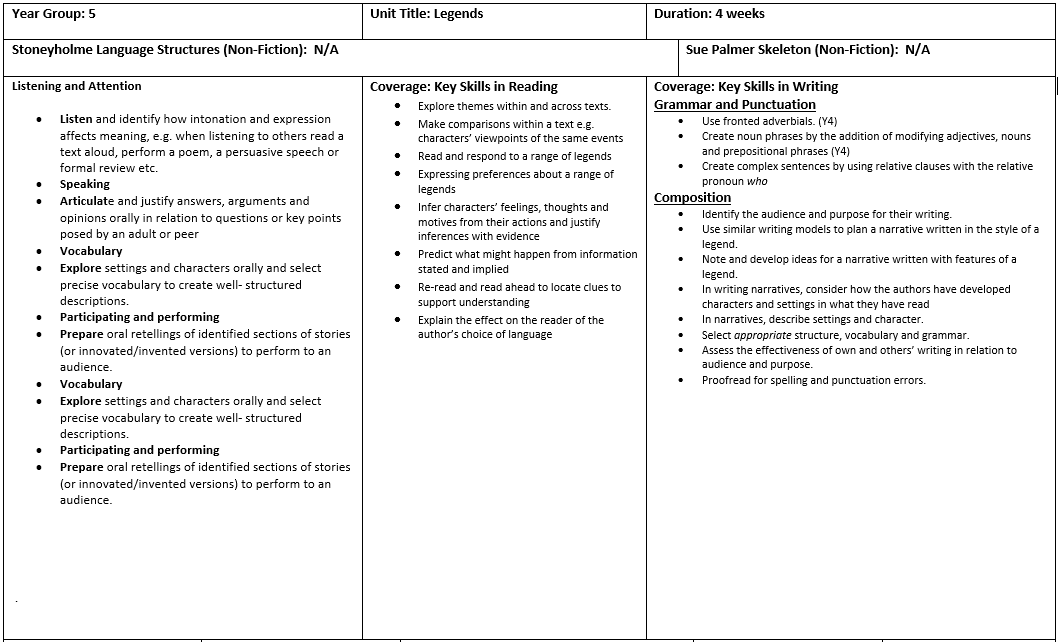
As writers we will be exploring the exciting world of legends, using The Legend of Gelert and other traditional tales to inspire our own writing. We will explore how authors develop memorable characters, atmospheric settings and engaging plots, before planning and writing our own legend narratives.
We will develop our writing by using fronted adverbials, expanded noun phrases, similes and relative clauses using ‘who’ to add detail and interest. We will carefully choose vocabulary to describe characters and settings, organise our ideas into paragraphs and consider the impact our writing has on the reader.
As readers, we will enjoy and compare a range of legends, exploring their characters, settings, plots and common features. We will make predictions, infer characters’ thoughts, feelings and motives, and use evidence from the text to justify our ideas. We will also consider how an author’s choice of language creates meaning and affects the reader.
By the end of the unit, we will use everything we have learned to create an engaging and coherent legend of our own, before proofreading and improving our work using constructive feedback.
Non Fiction Unit:
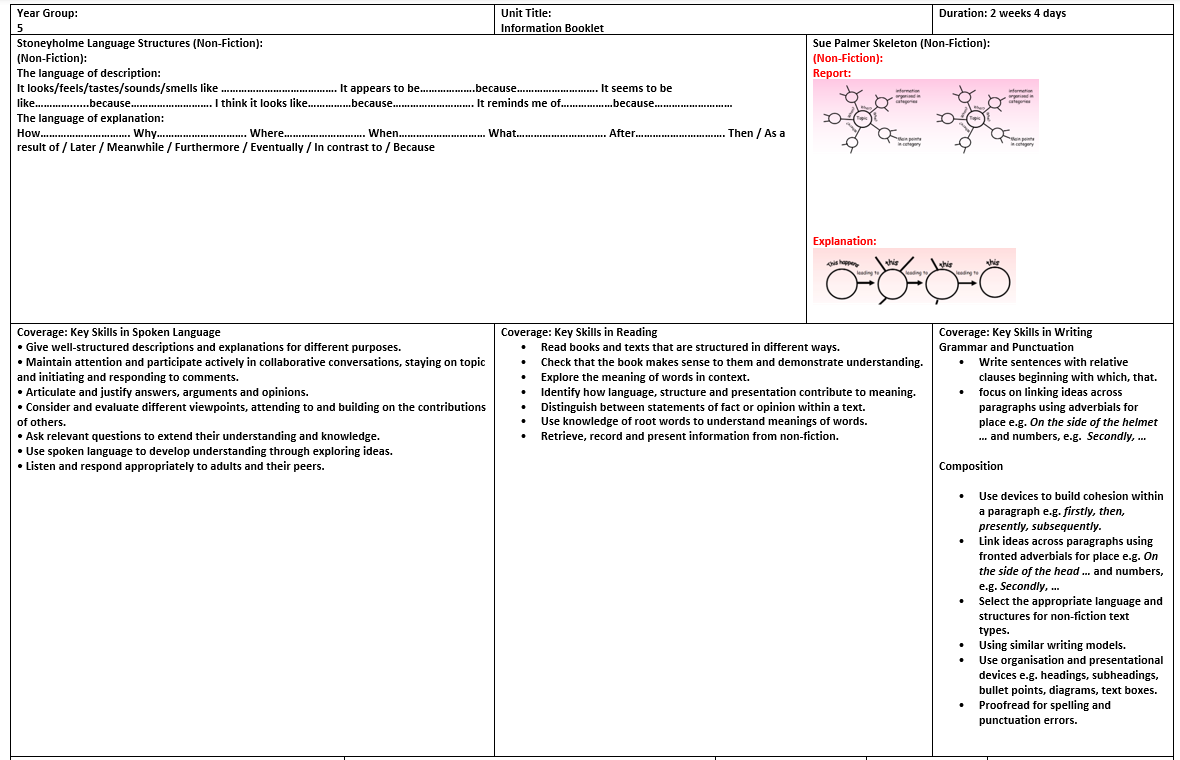
As writers, we will be exploring a range of non-fiction texts before researching the achievements and legacy of the Ancient Greeks. We will learn how to organise information effectively, use relative clauses and linking adverbials, and select appropriate features such as headings, subheadings and diagrams. We will use our research and note-making skills to plan, write, edit and publish our own informative booklets about Ancient Greek inventions, events and ideas.

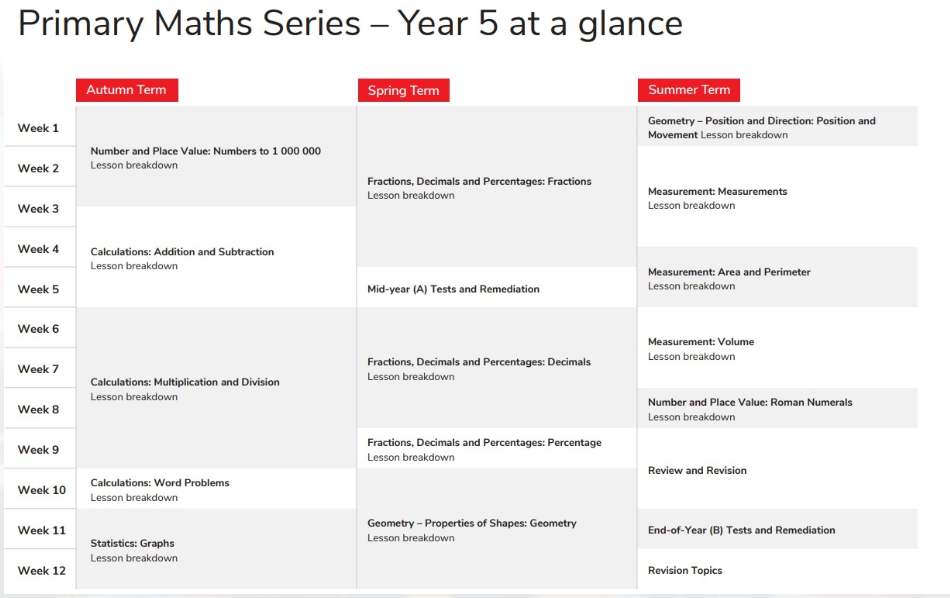
As mathematicians, we will begin our Year 5 learning by exploring Place Value. We will review how to read and write numbers to 100,000 and then move on to compare 6 digit numbers using bar models. We will learn about number patterns and how to round numbers.
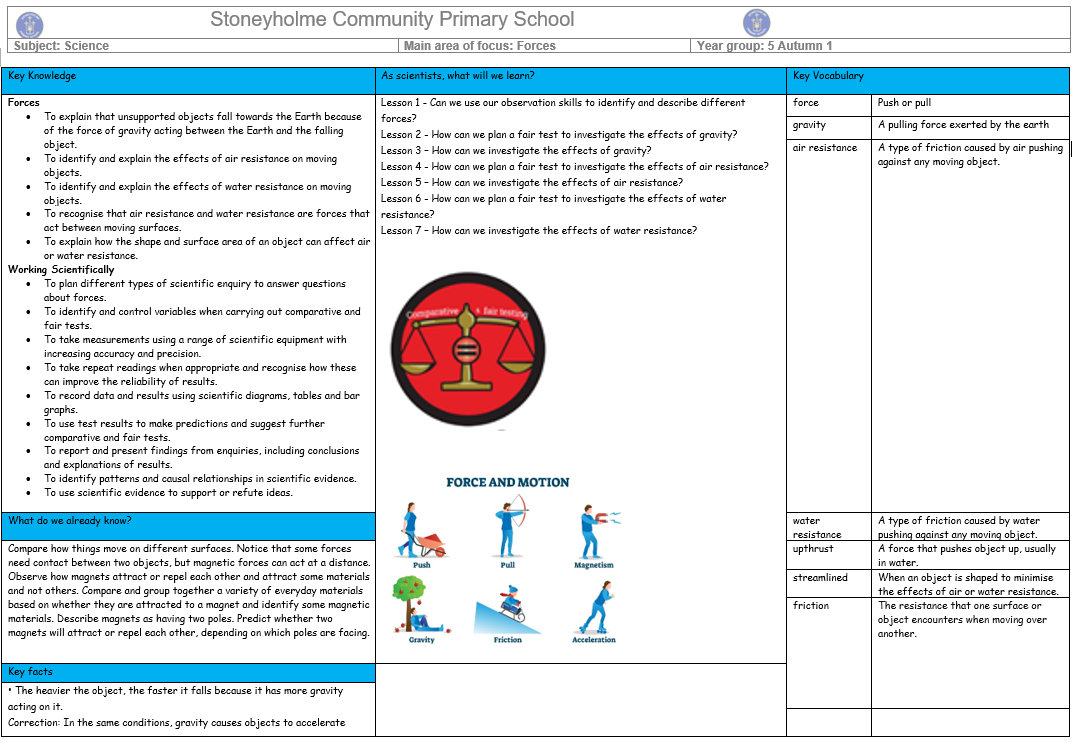

As scientists, we will be learning all about forces and how they affect the world around us. We will explore gravity, air resistance and water resistance, investigating how these forces affect the movement of different objects. We will also discover how an object’s shape and surface area can change the amount of air or water resistance acting upon it.
Throughout the unit, we will work scientifically by planning and carrying out a range of practical investigations and fair tests. We will learn how to identify and control variables, take accurate and repeated measurements, record our results in tables and graphs, and use our findings to make predictions and draw scientific conclusions.
We will develop our scientific vocabulary, including force, gravity, friction, air resistance, water resistance, upthrust and streamlined, and use this language to explain our observations and findings clearly. We will use evidence from our investigations to identify patterns, explain cause and effect, and support or challenge scientific ideas.
Our learning links closely to UNCRC Article 29 – Goals of Education, which states that education should help children develop their talents and abilities. Through practical investigations, teamwork, problem-solving and scientific enquiry, we will develop our curiosity, critical-thinking skills and confidence as young scientists. This also supports Global Goal 4 – Quality Education.
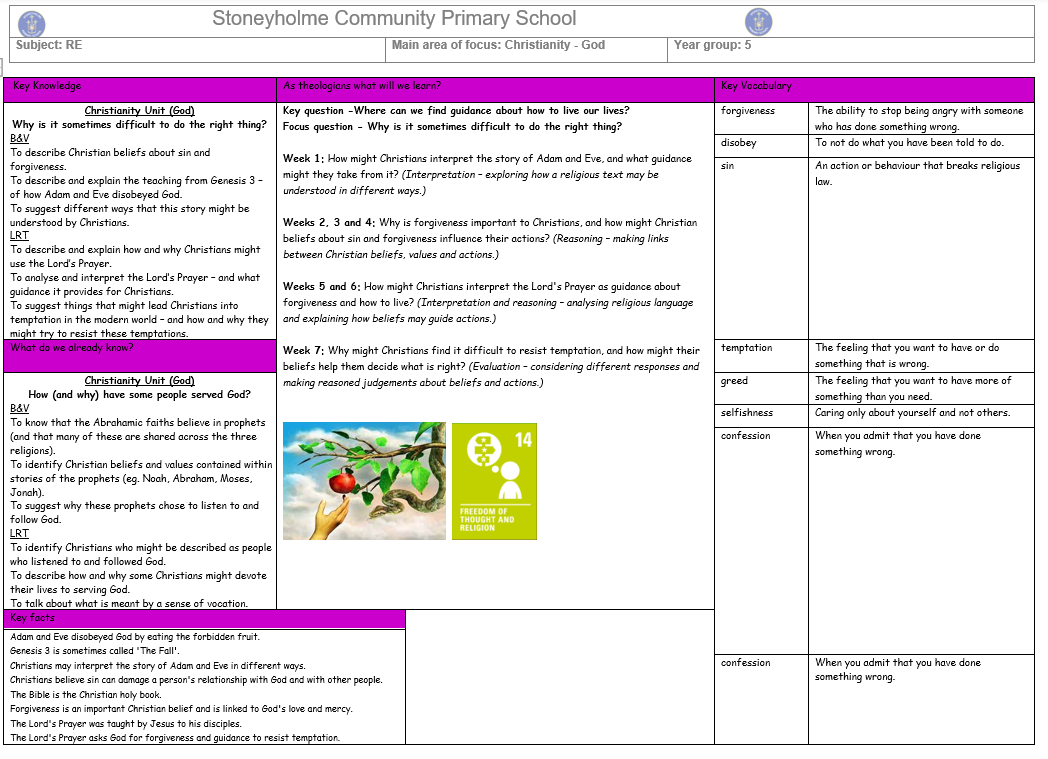
As theologians, we will be exploring Christianity and considering the question, “Why is it sometimes difficult to do the right thing?” We will investigate Christian beliefs about sin, forgiveness and temptation, and consider how these beliefs can influence the choices Christians make in their everyday lives.
We will explore the story of Adam and Eve in Genesis 3, considering how Christians may interpret the story in different ways and what it teaches about disobedience, choices and consequences. We will also investigate why forgiveness is important within Christianity and how Christians may seek forgiveness through prayer, confession, penance and making amends.
We will study the Lord’s Prayer, exploring how its words provide Christians with guidance about forgiveness, temptation and how to live. Throughout the unit, we will develop our skills of interpretation, reasoning and evaluation, learning to explain different viewpoints and give thoughtful, reasoned responses to important questions about beliefs and actions.
Our learning links closely to UNCRC Article 14 - Freedom of thought, belief and religion. We will learn that children have the right to develop their own thoughts and beliefs while respecting the beliefs of others. By exploring different Christian interpretations, discussing our own ideas and listening respectfully to different viewpoints, we will develop our understanding of mutual respect, individual liberty and religious freedom.
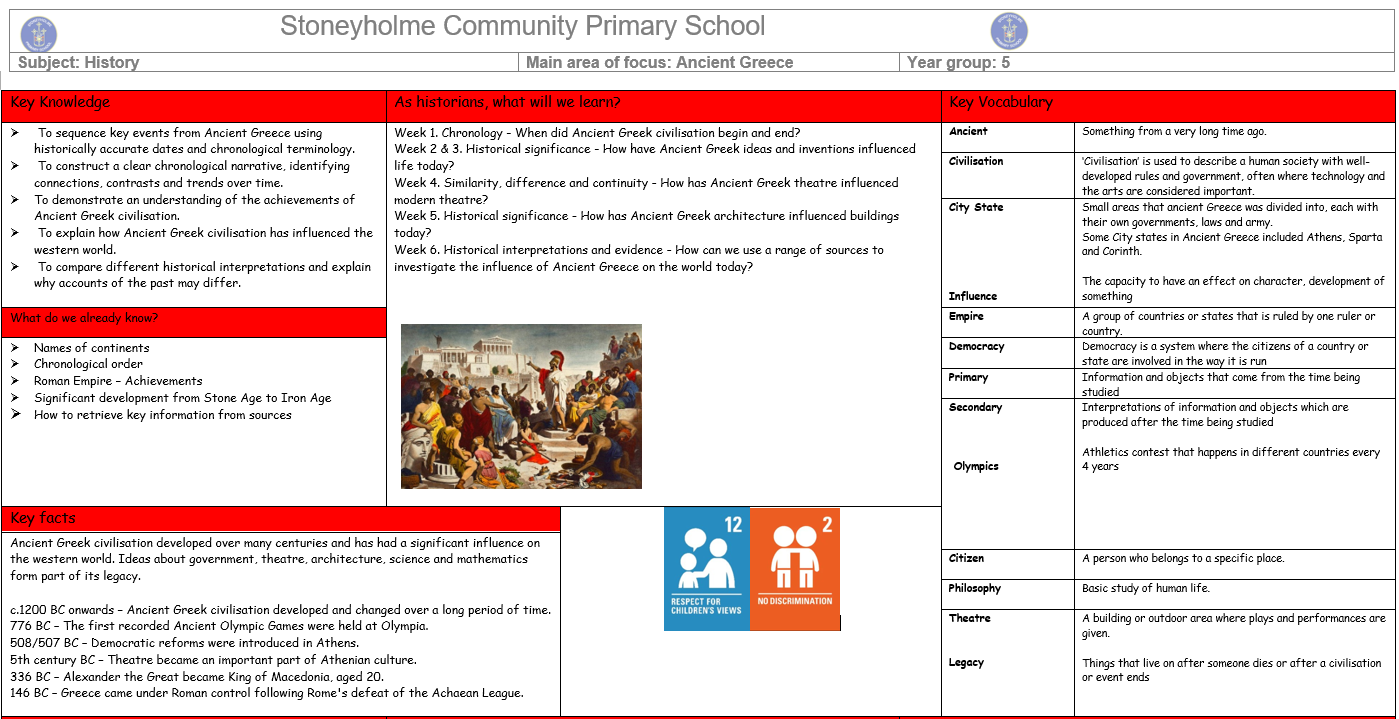
As historians, we will be exploring the fascinating civilisation of Ancient Greece. We will develop our understanding of chronology by sequencing important events and investigating how Ancient Greek civilisation developed and changed over time. We will explore some of the Ancient Greeks’ greatest achievements and consider why their ideas have had such a lasting influence on the western world.
We will investigate the Ancient Greek legacy, including democracy, the Olympic Games, theatre and architecture, and make comparisons between Ancient Greek achievements and their modern equivalents. We will consider what has changed and what has continued over time, helping us understand how ideas from thousands of years ago can still influence our lives today.
We will also develop our skills as historians by examining a range of historical sources and interpretations. We will ask questions, gather evidence and consider why different accounts of the past may not always agree. We will use accurate historical vocabulary and evidence to explain and justify our ideas.
Our learning links to UNCRC Article 12 – Respect for the views of the child, as we explore how democracy gives people opportunities to express their views and have their voices heard. We will also consider UNCRC Article 2 – Non-discrimination by investigating who was included in and excluded from democracy in Ancient Athens. This will help us think about democracy, equality, citizenship and participation, while comparing Ancient Greek democracy with democracy today.
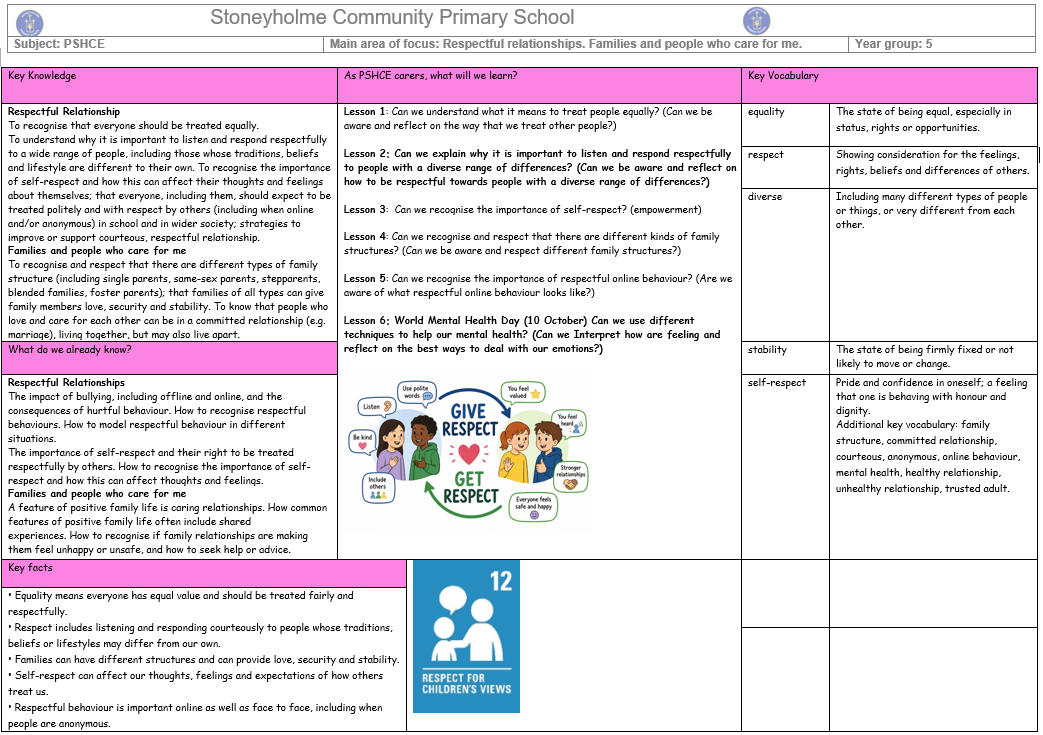
As global citizens, we will be learning about respectful relationships, equality and the importance of treating everyone fairly. We will explore how we can listen and respond respectfully to people whose traditions, beliefs and lifestyles may be different from our own. We will also consider the importance of self-respect and understand that everyone has the right to be treated politely and respectfully, both in person and online.
We will learn about the many different types of families and recognise that families can look different while providing love, security and stability. We will explore what makes relationships healthy and learn how to recognise when a relationship or situation may make someone feel unhappy or unsafe, including knowing when and how to seek support from a trusted adult.
We will also explore respectful online behaviour and think about how our words and actions can affect others. As part of our learning about mental health, we will identify our emotions and explore positive strategies that can support our wellbeing, including talking to others, physical activity, spending time outdoors and breathing techniques.
Our learning links closely to UNCRC Article 12 – Respect for the views of the child. We will learn that children have the right to express their views about matters that affect them and that these views should be listened to and taken seriously. We will practise listening to others, valuing different perspectives and expressing our own opinions, developing our understanding of equality, mutual respect and tolerance.
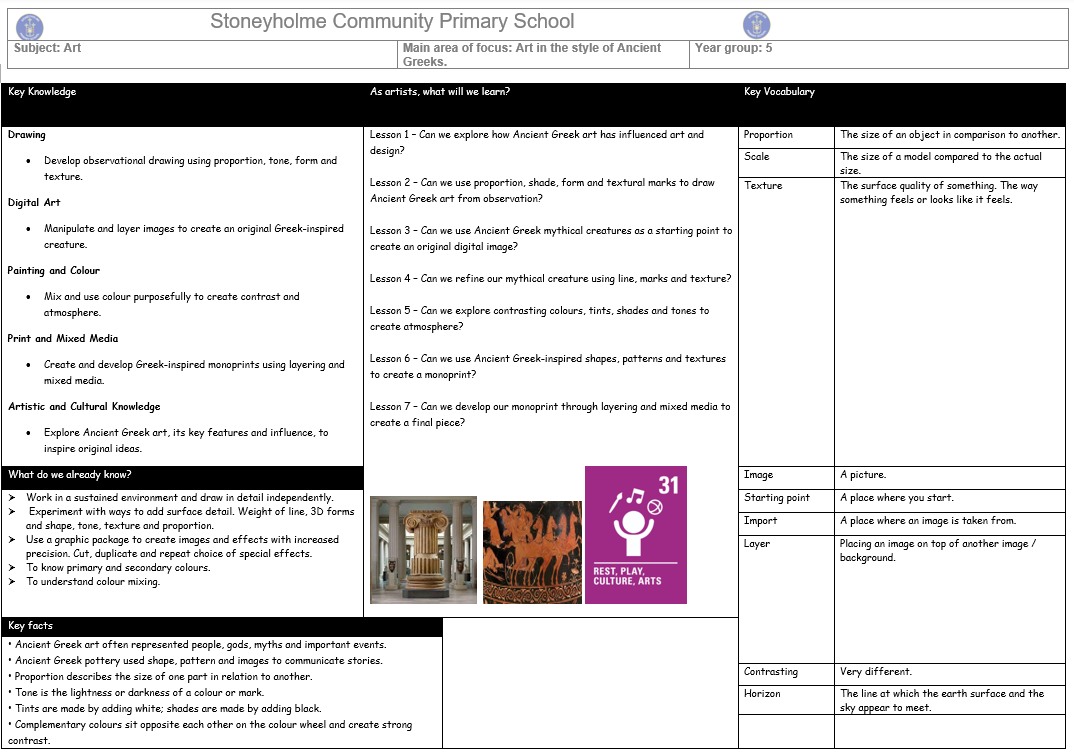
As artists, we will be exploring art in the style of the Ancient Greeks, discovering how Ancient Greek art, pottery, sculpture and architecture have influenced art and design. We will develop our observational drawing skills by using proportion, line, tone, form and texture to carefully represent what we can see.
We will use Ancient Greek myths and mythical creatures as inspiration for our own imaginative artwork. We will experiment with digital art by importing, manipulating and layering images to create an original mythical creature, before refining our designs using different lines, marks and textures.
We will explore how contrasting and complementary colours, tints, shades and tones can create different moods and atmospheres. We will also experiment with mono-printing and mixed media, using Greek-inspired shapes, patterns and textures before layering and refining our work to produce a final piece. Throughout our learning, we will reflect on our artwork, explain our artistic choices and consider how our ideas have developed.
Our learning links closely to UNCRC Article 31 – Rest, Play, Culture and the Arts, which recognises every child’s right to participate freely in cultural life and the arts. We will explore the cultural significance of Ancient Greek art while developing and expressing our own creative ideas through drawing, digital art, printing and mixed media.
Autumn 2

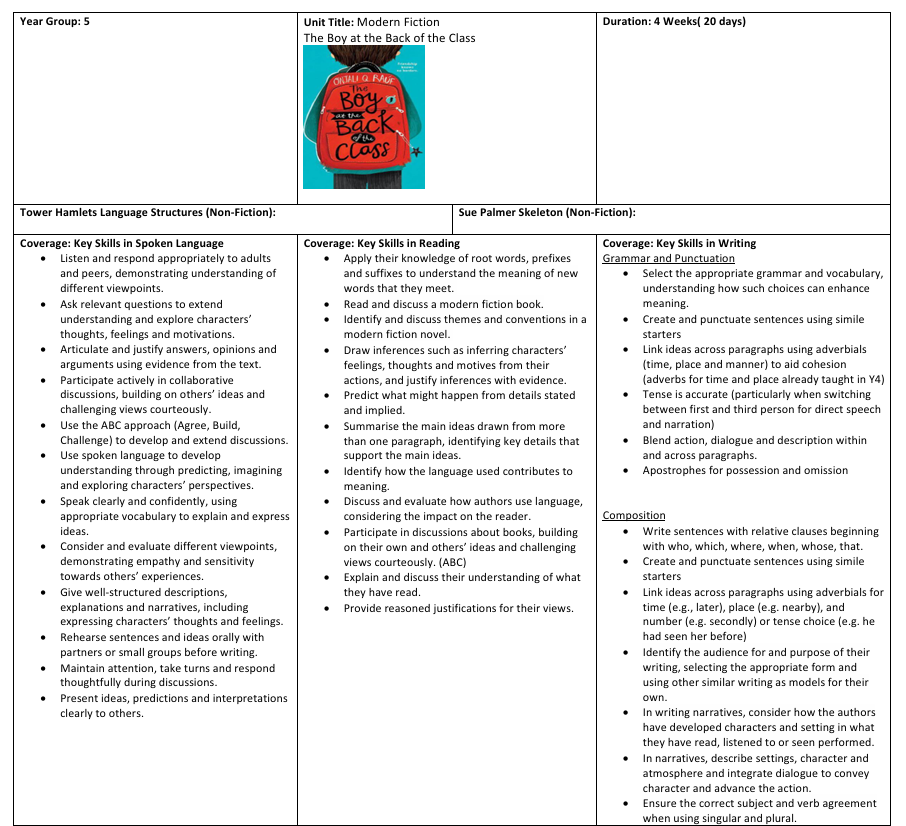
As Writers, we will learn how to create engaging narratives inspired by The Boy at the Back of the Class by Onjali Q. Raúf. We will explore characters’ thoughts, feelings and experiences, making predictions and using evidence from the text to explain our ideas. We will develop our descriptive writing by using similes, relative clauses, dialogue and adverbials to bring our stories to life. Finally, we will plan and write our own narratives from Ahmet’s perspective, exploring themes of kindness, friendship, empathy and belonging. Through our learning, we will explore UNCRC Article 22 – Refugee Children, recognising that children who have been forced to leave their home country have the right to protection, support and a safe place to live.
As Mathematicians, we will develop our mathematical knowledge and problem-solving skills through multiplication, division, word problems and statistics. We will build our confidence in using written methods to multiply and divide numbers, applying these skills to a range of calculations and real-life problems. Children will develop their reasoning skills by exploring different strategies to solve multi-step word problems and explaining their methods. We will also explore statistics, learning how to read, interpret and analyse information presented in different types of graphs. Throughout the unit, children will be encouraged to work systematically, explain their thinking and apply their mathematical understanding to everyday situations.
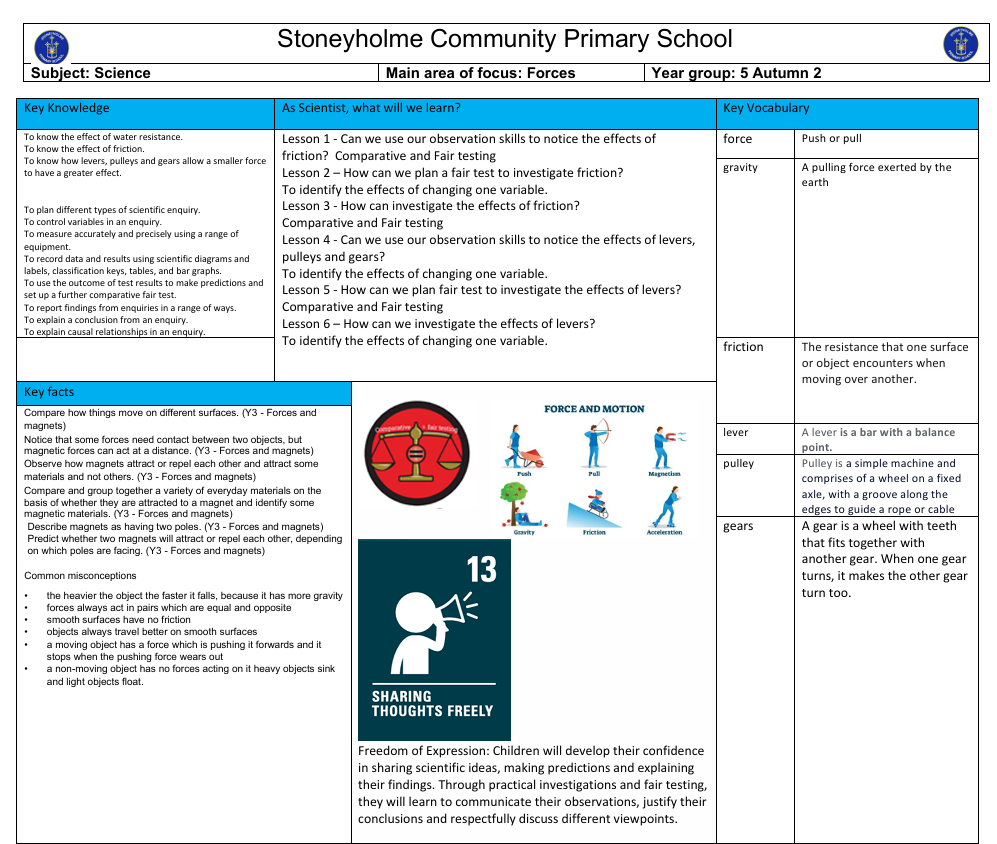
As Scientist, we will explore the fascinating world of forces and how they affect movement in our everyday lives. We will investigate the effects of friction and water resistance, as well as discovering how levers, pulleys and gears help us move objects using less effort. Through practical investigations and fair testing, children will develop their scientific enquiry skills by making predictions, controlling variables, measuring accurately and recording results. We will use our findings to draw conclusions and explain how different forces work.
Throughout the unit, we will make links to UNCRC Article 13 – Freedom of Expression, recognising children's right to share their thoughts, ideas and opinions. Children will be encouraged to discuss their scientific predictions, explain their observations and confidently communicate their findings using scientific evidence.
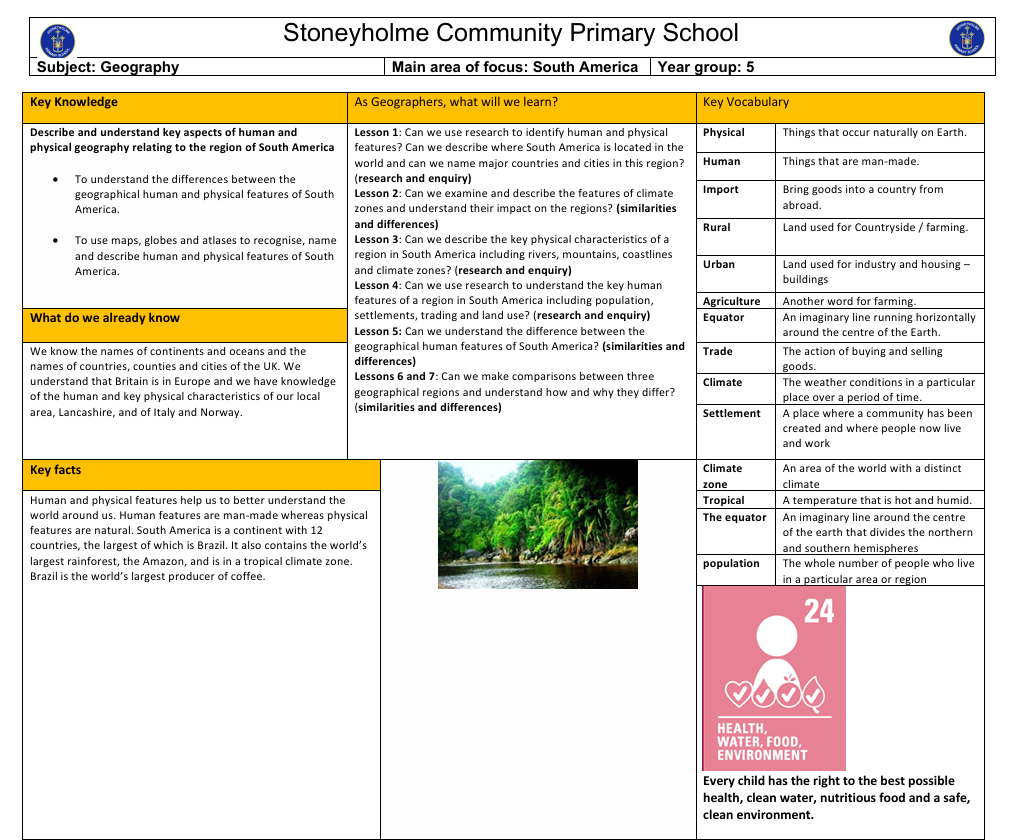
As Geographer, we will explore the fascinating continent of South America, developing our understanding of its human and physical geography. We will use maps, atlases and globes to locate South America and identify its major countries and cities. Children will investigate the continent's diverse landscapes, including the Amazon rainforest, rivers, mountains and coastlines, as well as exploring different climate zones and how they affect people's lives. We will also learn about population, settlements, agriculture, trade and land use, before comparing different regions of South America and identifying their similarities and differences.
Throughout the unit, we will make links to UNCRC Article 24 – Health, Water, Food and Environment, recognising the importance of clean water, nutritious food and a healthy environment. Children will develop their geographical enquiry skills, broaden their understanding of different cultures and environments, and recognise the importance of respecting and protecting the world around us.
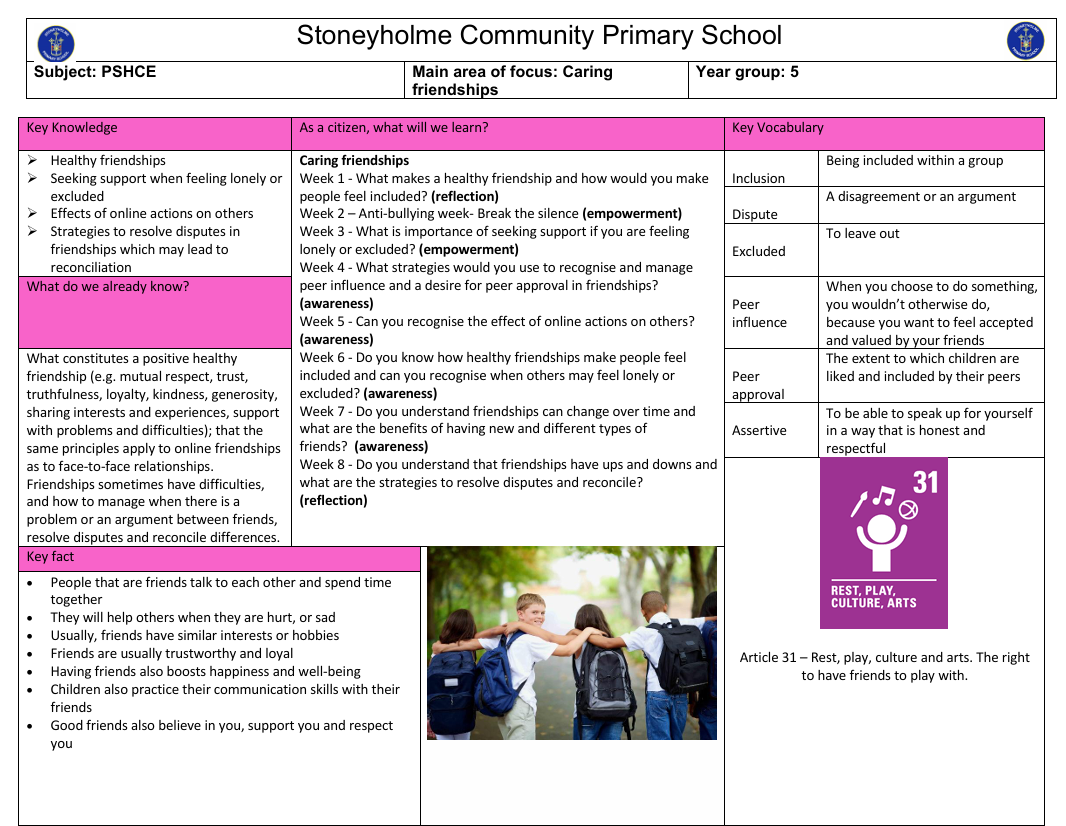
As Global Citizens, we will explore what makes a healthy, caring friendship and the importance of kindness, trust, respect and inclusion. We will learn how to recognise when others may feel lonely or excluded, understand the impact of peer influence and consider how our actions, both online and offline, can affect others. Children will also explore how friendships can change over time and develop strategies to resolve disagreements positively. Through discussions, reflection and role-play, we will learn how to build and maintain supportive friendships.
Throughout the unit, we will make links to UNCRC Article 31 – The Right to Rest, Play and Leisure, recognising the importance of friendships, playing together and ensuring everyone feels included. Children will develop their understanding of mutual respect, empathy and the importance of treating others with kindness.
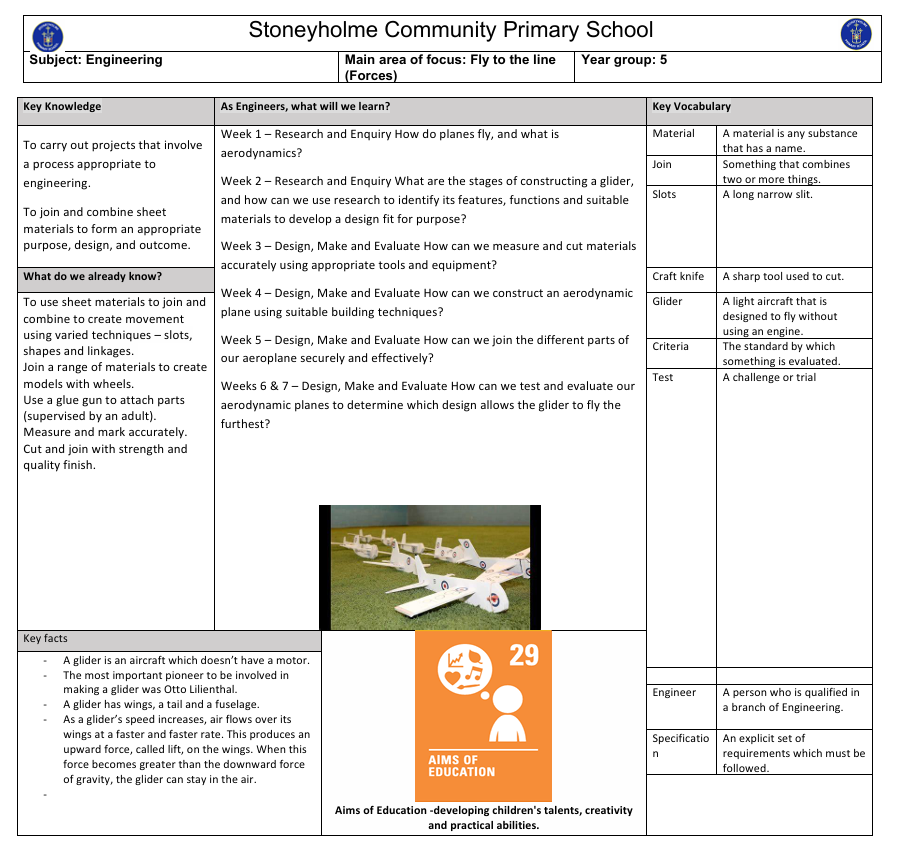
As Engineers, we will explore the exciting world of aerodynamics by investigating how planes fly and what makes a successful glider. We will research different glider designs, identify their key features and consider which materials and construction techniques are most suitable. Children will develop their practical skills by measuring, cutting and joining materials accurately to design and construct their own aerodynamic gliders. We will then test our creations to discover which designs fly the furthest, evaluating their effectiveness and identifying possible improvements.
Throughout the unit, we will make links to UNCRC Article 29 – Goals of Education, recognising the importance of developing children's talents, creativity and practical abilities. Children will be encouraged to think critically, solve problems, share their ideas and develop confidence in their design and making skills.
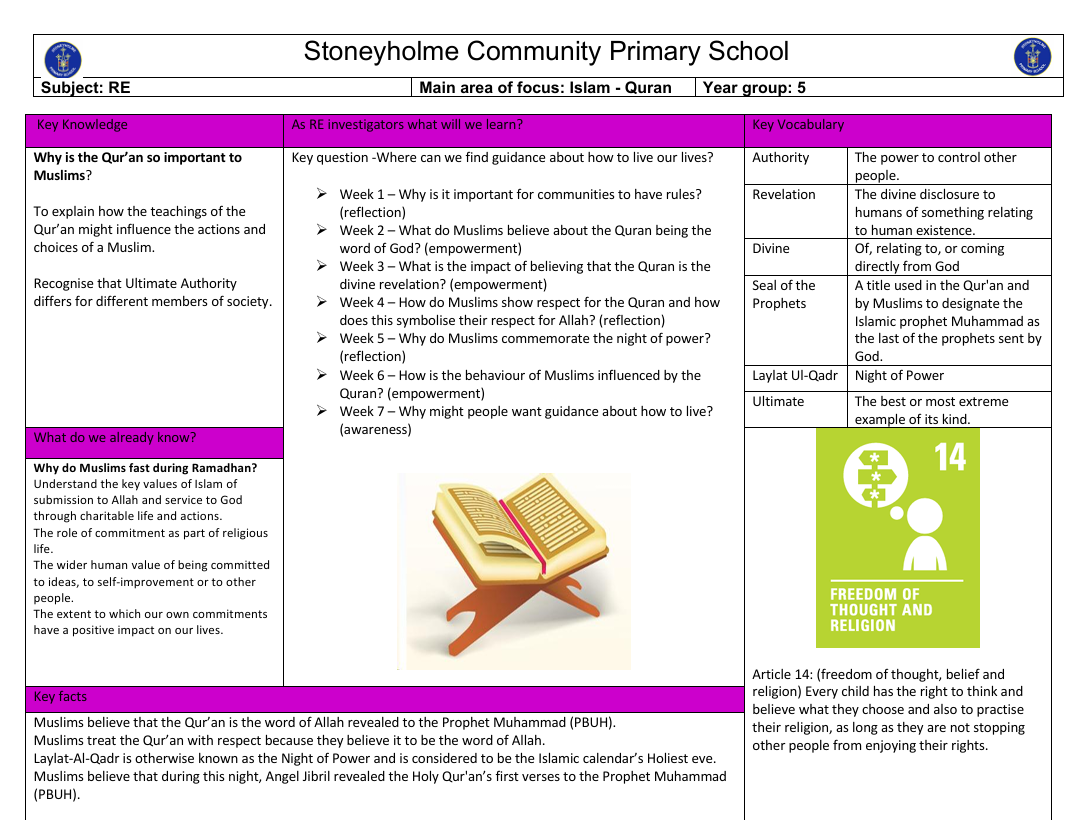
As Theologians, we will explore the importance of the Qur’an in the lives of Muslims. We will learn why Muslims believe the Qur’an is the word of Allah, how they show respect for their holy book and how its teachings influence their everyday choices and actions. We will also discover the significance of Laylat al-Qadr (the Night of Power) and reflect on why people seek guidance in their lives.
Throughout the unit, we will make links to UNCRC Article 14 – Freedom of thought, belief and religion. Children will develop their understanding of different faiths and the importance of mutual respect and tolerance.
Spring 1
Spring 2
Summer 1
Summer 2