



Tuesday 20th October 2026
20.10.26
|
Rule Detective: What is the rule? sob sobbing sobbed hum humming hummed knit knitting knitted sad sadder saddest hot hotter hottest run runner swim swimmer
When adding -ing, -ed, -est or -er to single syllable words ending in a single consonant after a single vowel, to keep the vowel sound short, the consonant is doubled.
|
|
Focus: Add the endings -ing, -ed and -er to words
begin - it is made up of more than one syllable, ends in a single consonant after a single vowel, and the stress is placed on the last syllable. beginning : Mr Baxter was just beginning to enjoy his lunch. Notice that the final consonant (in the word begin) is doubled when adding -ing (beginning). Rule: If the last syllable of a word is stressed and ends with one consonant which has just one vowel before it, the final consonant is doubled before any ending beginning with a vowel is added. begin beginning beginner
If the last syllable is not stressed, or the word does not end with one consonant with just one vowel before it, then the ending is added with no change to the word. experiment experimenting experimented
My Turn, Your Turn forget The last syllable is stressed and it does end with a single consonant after a single vowel. Therefore, the consonant t is doubled before the -ing ending is added. forgetting I keep forgetting my lunch.
mention Although this ends in a single consonant, there are two vowels before the consonant, not one. Therefore, the consonant is not doubled; the ending is added with no change to the word. mentioned Has Sam mentioned that I might be late?
|
|
Practise: Show Me upset upsetting consider considered prefer preferred disappear disappearing experiment experimented control controlled interest interested regret regretting position positioning remember remembered
|
LC: To develop our artwork through layering and mixed media to create a final piece
It is our final art lesson for this half term.
We have painted our outline and added in our texture - skin, scales, feathers, fur.
Today you are going to use a pen and add the smaller details like the eyes, nose, claws, horns etc.
Once you have done that you are going to use watercolour to add in a light blue wash for the background.

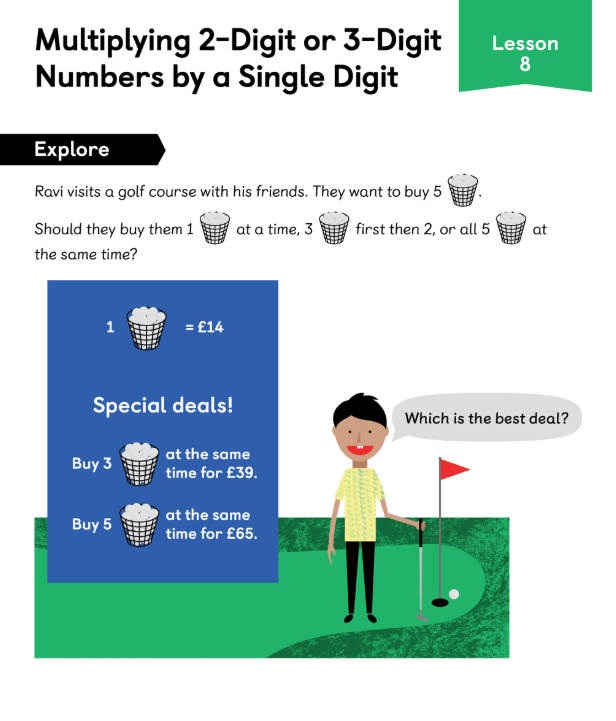
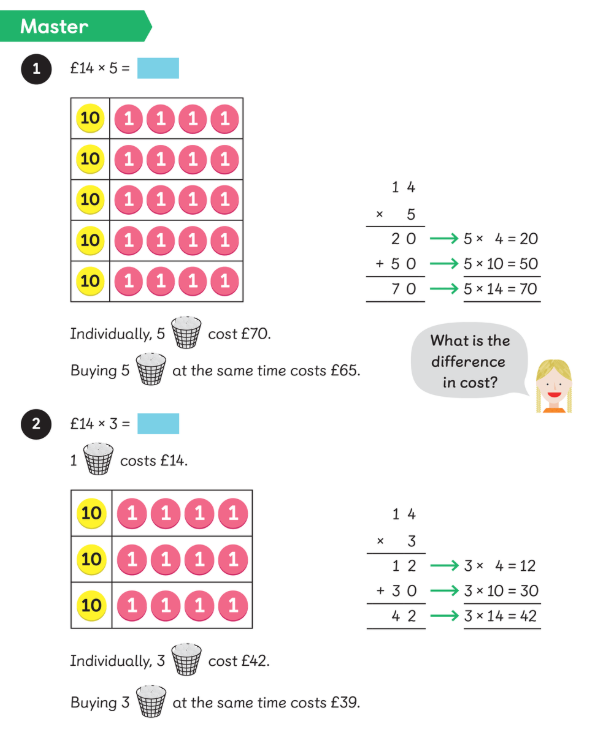
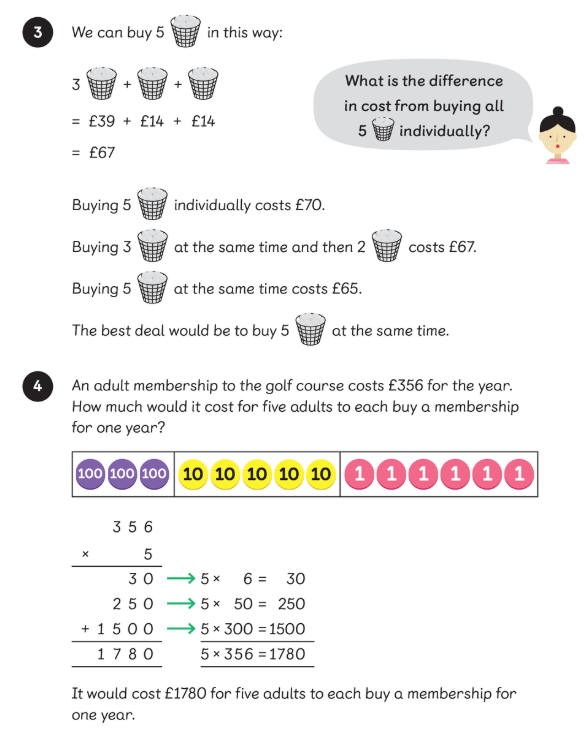
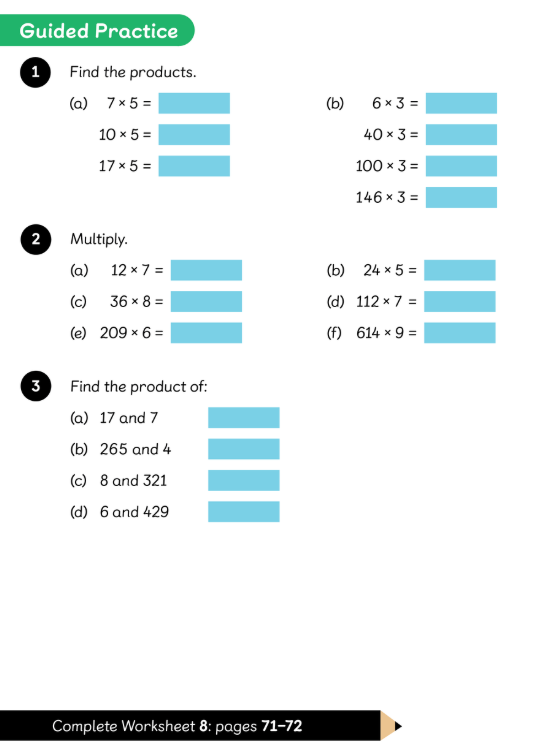
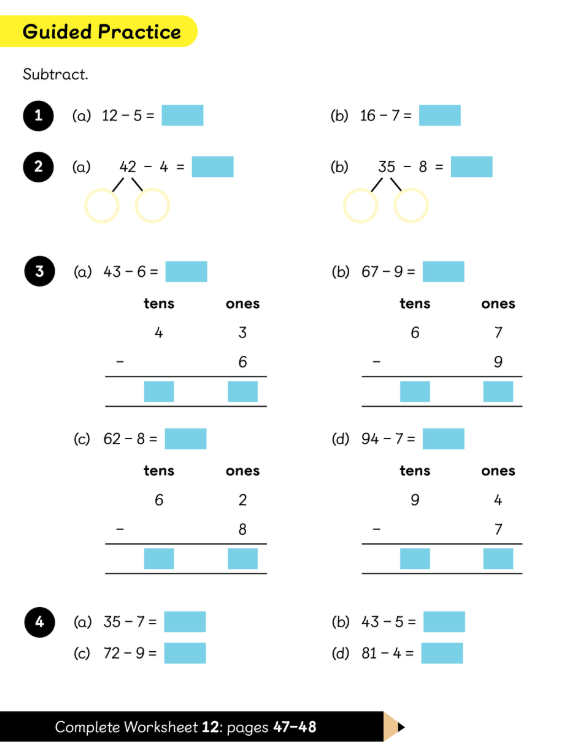
LC: To be able to multiply 2-digit and 3-digit numbers by a single-digit number using multiple strategies.
Adapted
Tuesday 20th October 2026
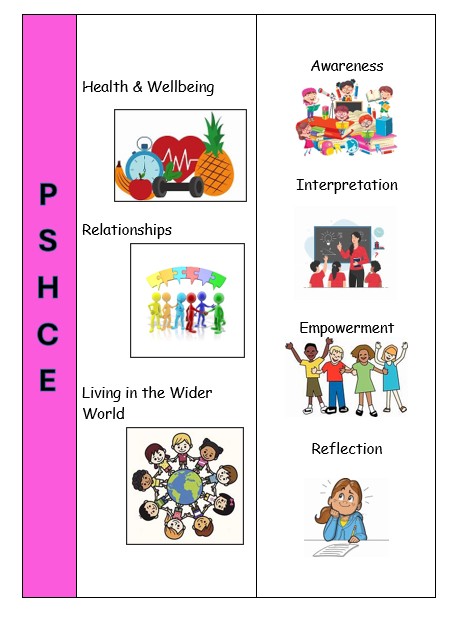
LC: To understand the consequences of making poor choices and to discuss strategies to build resilience.
Talk Partners
What might happen after each choice?
“You forget your homework. Do you tell your teacher or make an excuse?”
“Your friend is being left out. Do you join in or stand up for them?”
Every action has a consequence—sometimes good, sometimes not so good.
Choices and Consequences
Let's look at some positive and negative choices and the consequences.
| Positive Choice | Positive Consequence |
|---|---|
| Listening in class | You understand the lesson and finish your work |
| Being kind to others | You build friendships and feel good |
| Owning up to a mistake | You gain trust and respect |
| Negative Choice | Negative Consequence |
|---|---|
| Interrupting others | People get annoyed or stop listening to you |
| Being rude to a teacher | You might get a warning or lose privileges |
| Refusing to join in | You miss out on fun and teamwork |
Resilience
What does resilience mean?
How do we feel when we make mistakes?
How can we bounce back or make things better?
Have a Growth Mindset
-
Believe that you can improve with effort.
-
Instead of saying “I can’t do this,” try “I can’t do this yet.”
-
Remember that mistakes help your brain grow!
Keep Trying (Perseverance)
-
Don’t give up after one try — try again in a different way.
-
Take breaks if you need to, but come back to it.
-
Celebrate small steps forward.
Talk About Your Feelings
-
Tell someone you trust (a teacher, parent, or friend) how you feel.
-
Talking helps you understand and manage emotions.
-
You don’t have to face problems alone.
Stay Calm and Breathe
-
When you feel frustrated, take deep breaths or count slowly to 10.
-
Walk away for a moment to calm down.
-
Use positive self-talk: “I can handle this.”
Be Kind to Yourself
-
Everyone makes mistakes — that’s how we learn.
-
Instead of being hard on yourself, ask, “What can I learn from this?”
-
Treat yourself like you’d treat a friend.
Ask for Help When You Need It
-
Resilient people know that asking for help is a sign of strength.
-
Teachers, family, and friends are there to support you.
Learn From Mistakes
-
Think: What happened? What could I do differently next time?
-
Every mistake is a chance to grow and improve.
Stay Connected
-
Spend time with people who make you feel good.
-
Join in group activities, clubs, or games.
-
Having friends and family around helps you stay strong.
Focus on What You Can Control
-
You can’t always control what happens, but you can control how you respond.
-
Focus your energy on making positive choices.
Stay Positive
-
Try to find something good in each day.
-
Keep a gratitude journal — write down 3 good things each day.
-
Positive thinking helps you stay strong inside.
Activity
Complete a short reflection:
A time I made a poor choice was…
The consequence was…
Next time, I will…
Someone who helps me make better choices is…
One way I can show resilience is…

Mistakes Help Us Learn
Key message: Mistakes are a normal and important part of learning.
UNCRC: Article 12 – Children have the right to share their views and be listened to.
British Value: Mutual Respect – We support others when they make mistakes and treat everyone with kindness.
Yesterday, we talked about the power of YET. Today, I want to ask you a question.
Have you ever made a mistake?
Of course you have! Everyone makes mistakes, including teachers, parents, scientists and famous sportspeople.
Imagine you are completing a difficult maths problem. You work hard, but when your teacher marks it, you discover your answer is wrong.
You have two choices.
Choice one: "I'm rubbish at maths. I'm never trying that again."
Choice two: "I got it wrong this time. Let me find out why and try again."
Which choice will help you become a better learner?
Explain that mistakes can show us what we need to practise and understand better.
Discuss with their talk partner:
- What is a mistake you have learned from?
- How does it feel when you get something wrong?
- How can we help someone who is struggling?
Nobody should be laughed at for giving an incorrect answer. Our classroom should be a safe place where everyone feels confident to try.
Reflection
Article 12 reminds us that children have the right to express their views. We should listen respectfully to everyone's ideas, even when we disagree or someone makes a mistake.
Thought for the day: "A mistake is proof that you tried, and a chance to learn something new."
Daily challenge: If you make a mistake today, don't give up. Find out what went wrong and try a different approach.