



Thursday 15th October 2026

15.10.26
Spelling Factor
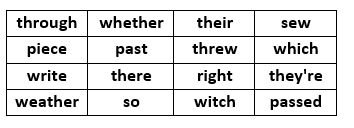
Focus: Spell correctly and distinguish between the homophones,
- - be/bee
- - sale/sail
- - steal/steel
Shared read the sentences below. Use the context of each sentence to ascertain the meaning of the homophone and discuss.
A buzzing bee began to interfere with our picnic.
My explanation had to be clear so everyone understood the task.
He hoped to develop the skills to sail on his own one day.
The shop had a huge sale on camping equipment.
It was important to have strong steel beams for the new bridge.
She tried to steal the ball at frequent points during the match.
Apply:
Word to Sentence Spellers
be/bee
sail/sale
steel/steal

Thursday 15th October 2026
LC: To use create an effective non-chronological report using facts, third person, specialist vocabulary and adverbials.
Follow your teacher's model and write the
introduction and event section of your report.
- follow your plan

- use the toolkit

- edit and improve your work

- check for accuracy
Adapted:
LC: To orally rehearse your sentences before writing.
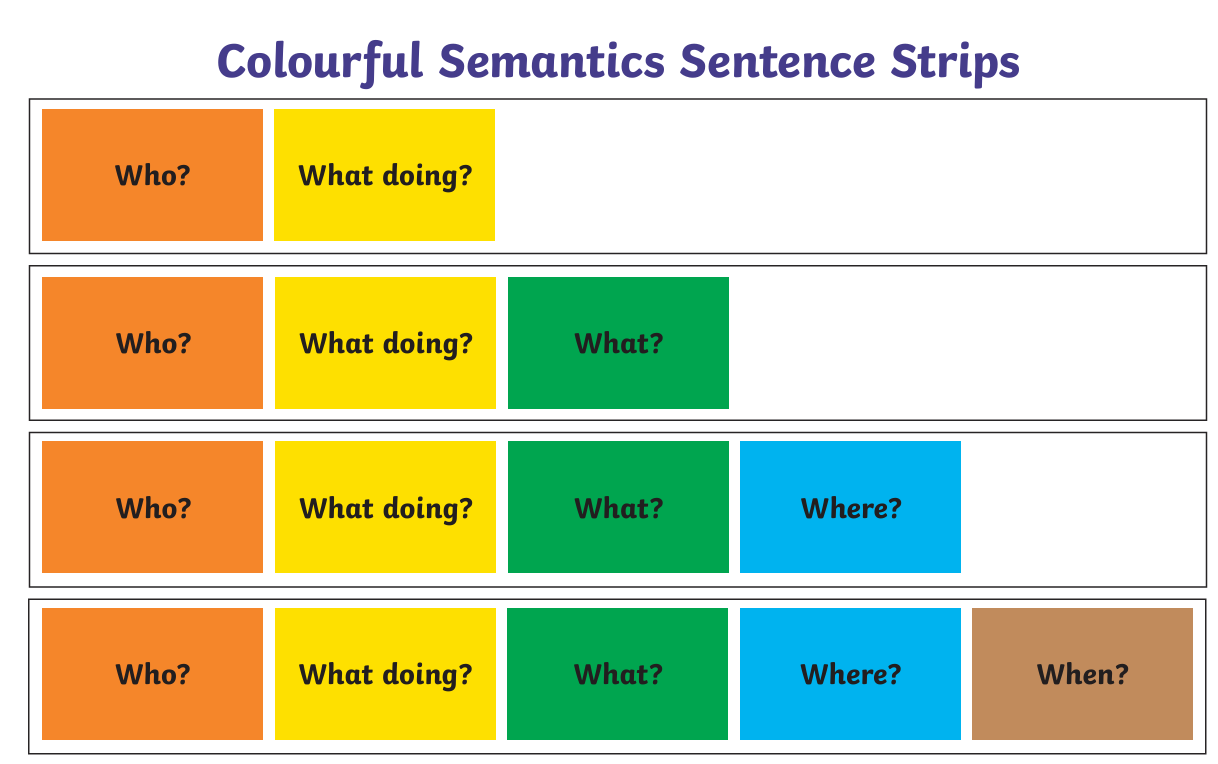
Use your planning to write sentences for your report.

15.10.26
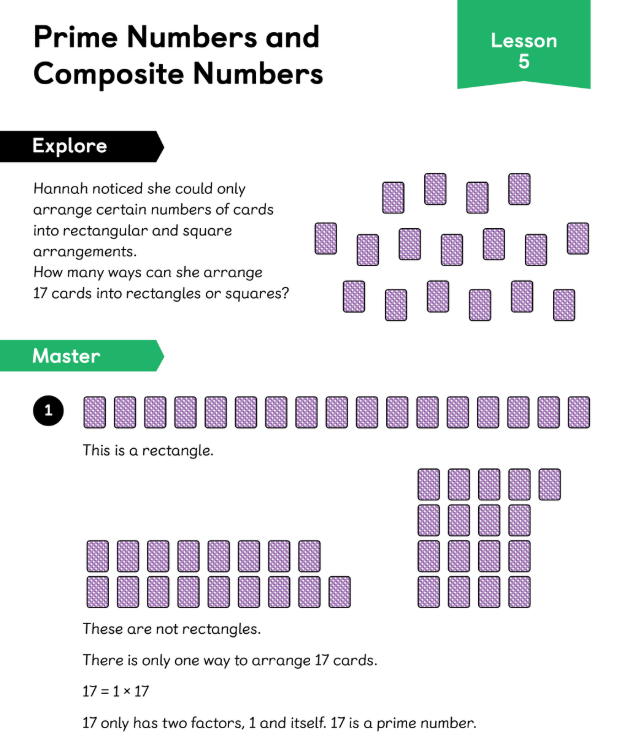
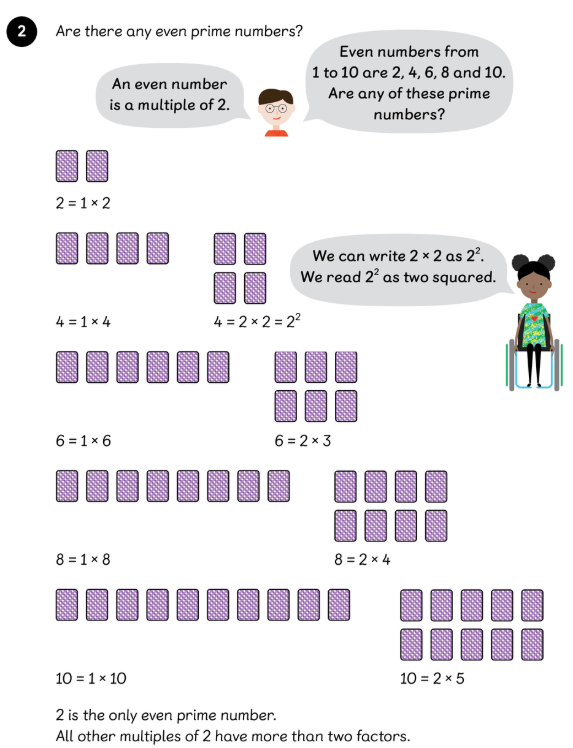
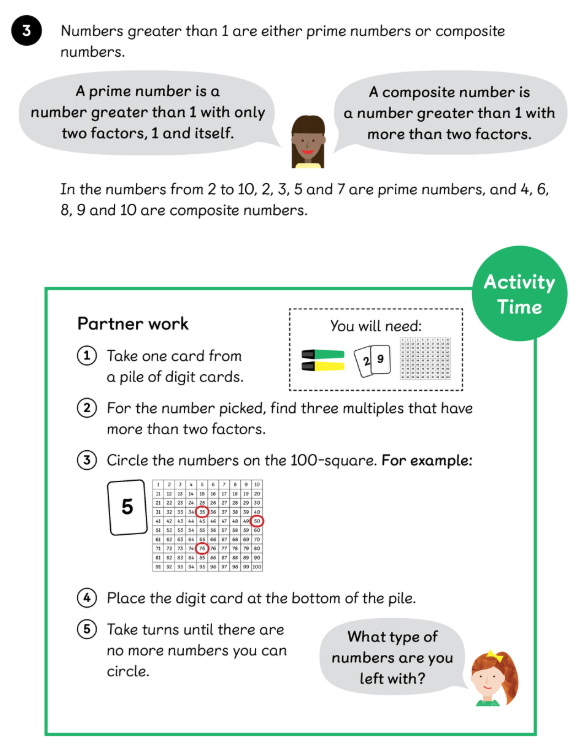
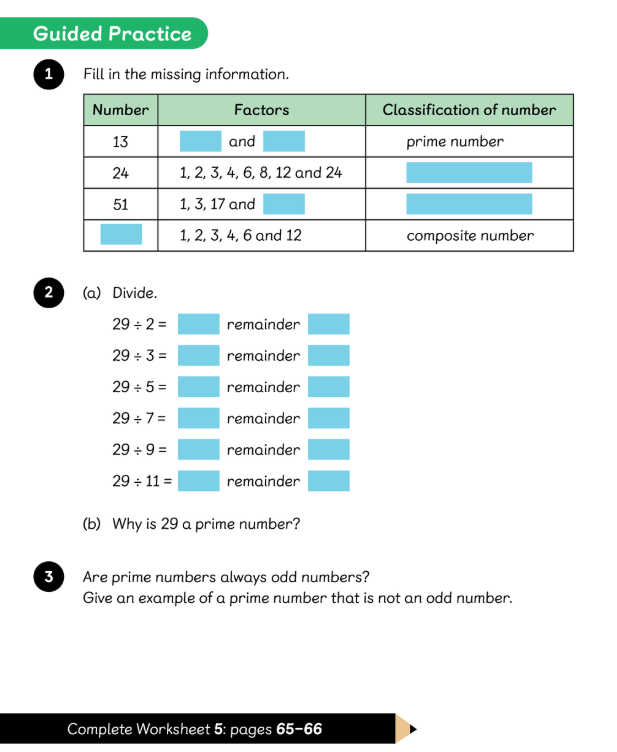
LC: To be able to define and determine prime and composite numbers to 100.
Adapted
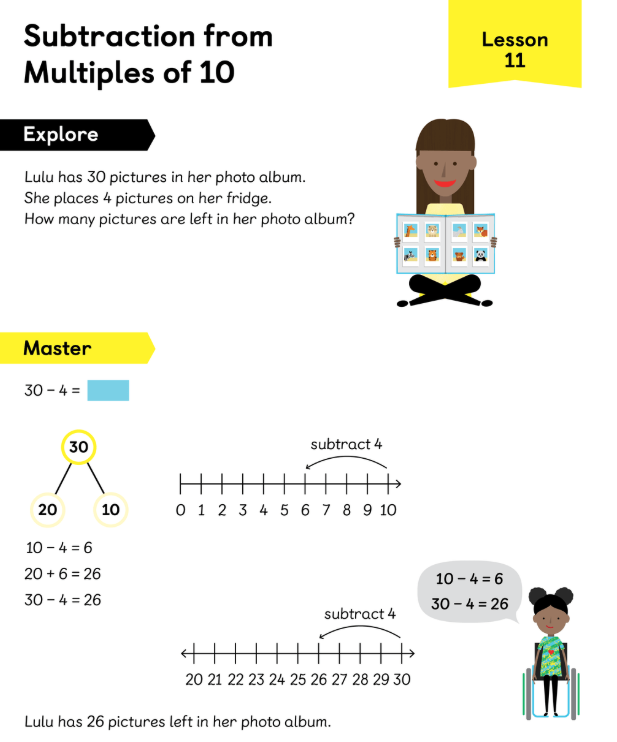
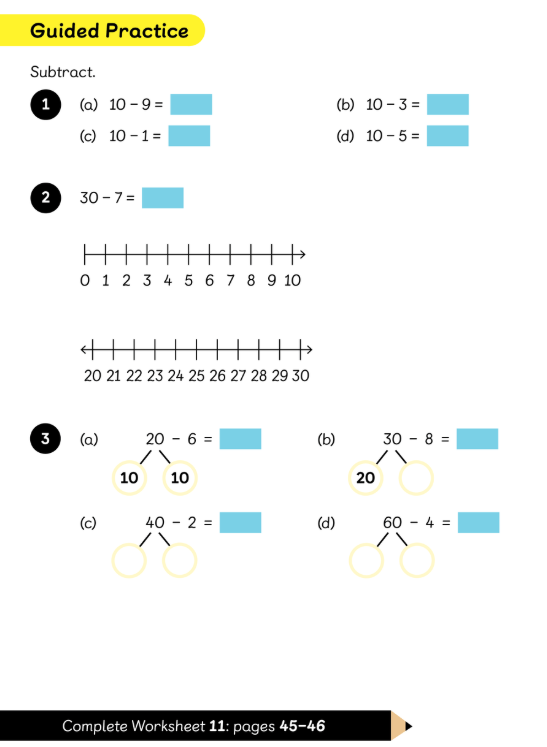
LC: Add and subtract within 100 by applying related 1-digit addition and subtraction facts. Add and subtract only ones or only tens to/from a 2-digit number.
What Do Great Stories Teach Us?
Theme: Equality, generosity and forgiveness
British Values: Mutual respect, tolerance, individual liberty and rule of law
UNCRC: Articles 2, 12 and 19
Can you remember?
Bhai Kanhaiya
The Two Brothers
Joseph
What can you remember about each story?
Bhai Kanhaiya → EQUALITY
The Two Brothers → GENEROSITY
Joseph → FORGIVENESS
The big question
These stories come from different religious traditions. Do they have anything in common?
How we treat other people.
Bhai Kanhaiya saw a person in need rather than an enemy.
The two brothers thought about what the other person needed rather than what they could keep for themselves.
Joseph had the opportunity to take revenge but ultimately chose reconciliation.
Three situations
which week's story might help with these situations?
Situation 1:
A new child joins your class. They speak a different language and nobody chooses them for a game.
Which story could help us?
Situation 2:
You have plenty of colouring pencils, but the person beside you doesn't have one.
Which story could help us?
Situation 3:
Your friend has upset you. They apologise and genuinely try to put things right.
Which story could help us?
UNCRC:
Children's rights aren't rewards that we earn for behaving well. Every child has rights.
Article 2 – No discrimination: Everyone has rights, whatever their differences.
Article 12 – Respect for children's views: Children should be listened to.
Article 19 – Protection from harm: Children have the right to be safe.
What responsibilities do we have towards each other so that everyone in our school can enjoy their rights?
British Values include mutual respect and tolerance of different faiths and beliefs. This week we have listened respectfully to stories from Sikhism, Islam and Judaism. We don't all have to share the same beliefs to listen to one another and learn from one another.
Final reflection
Choose one word:
EQUALITY
GENEROSITY
FORGIVENESS
Which one could you show more of this week?
May we treat everyone as important.
May we notice when someone needs our help.
May we be generous with what we have.
May we make good choices when we feel angry or jealous.
And may we help make our school a place where everyone is respected, included and safe.