


Monday 12th October 2026

RIC

R - What is 'pankration'?
I - Why do you think the advert ends with the phrase 'Woman need not apply'?
C - Find two words that are synonyms of each other.
Main
LC: Make predictions based on details stated and implied.
Good readers make predictions whilst they are reading, using the evidence and clues the writer gives.
The Fox and the Wolf

At the foot of the high mountains, there stood a small village. The villagers loved their home; they worked hard and toiled in the fields all day, putting their sheep out to pasture in the long grass during the warmer months. One summer night, when the round moon shone down across the pebbled road into the village, a great wolf came skulking around the corner. The wolf was hungry and had not had a decent meal for several weeks. He thought longingly about the rabbits that he had seen playing in the fields but he knew that he was too old and slow to catch them. Then, he remembered the delicious fox that he had seen sleeping at the side of a dusty path a few weeks ago. At the time, the wolf wasn’t as hungry as he was now and had decided to leave the defenceless animal. Yet, the more his stomach rumbled, the more he was beginning to regret the decision. While dreaming about his next meal, a rustle came from the nearby bushes. Out popped a fox... the very fox that the wolf had just been thinking of! Startled, the wolf watched as the fox approached him.
What do you predict will happen next? Why?
Let's find evidence in the text!
Activity
Can you predict what will happen in the story of the Treasure Map?
The Treasure Map

“You found it in a sandpit, Chloe!” stated Kyle, raising one eyebrow at his friend. “What kind of pirate hides their treasure map in a sandpit?” Chloe wasn’t listening. She was stroking the tatty, crinkled piece of paper like it was a piece of fine silk. “I think this is... yes, if that’s… then…” she murmured, tracing the worn lines with her finger. “Yes! I’ve got it! C’mon Kyle,” she announced, grabbing his arm. “We’ve got treasure to find!” Kyle was about to argue but Chloe looked so excited. What harm would come from following the map? Even if it ended up leading to nothing, at least they would enjoy themselves. However, after several hours of traipsing around in the mid-July heat, Kyle was beginning to regret his decision. They had spent ages looking for a hill before Chloe had realised that it was just a smudge on the paper. The ‘river’ had turned out to be a crinkle and, now, Chloe had the map upside down. “This is ridiculous!” said Kyle, clearly frustrated. “I’m going home.” “Kyle, please,” whined Chloe, “we’re not far now and I know I’ve read the map properly this time. It’s just over…” Chloe was stopped by the most peculiar thing: the old map had started to glow.
I predict that...
because in the text it states...
Adapted

Monday 12th October 2026
LC: To retrieve and record information from non-fiction texts.
Grammar Warm Up
LC: to identify adverbials used to organise ideas in a sequence.


Your independent writing task for this unit will be:
Write two non-chronological reports to show the achievements of the Ancient Greeks and describe how these achievements can still be seen today.

You have begun to make notes for your model report.
Look at your 2nd choice for your model and make notes.

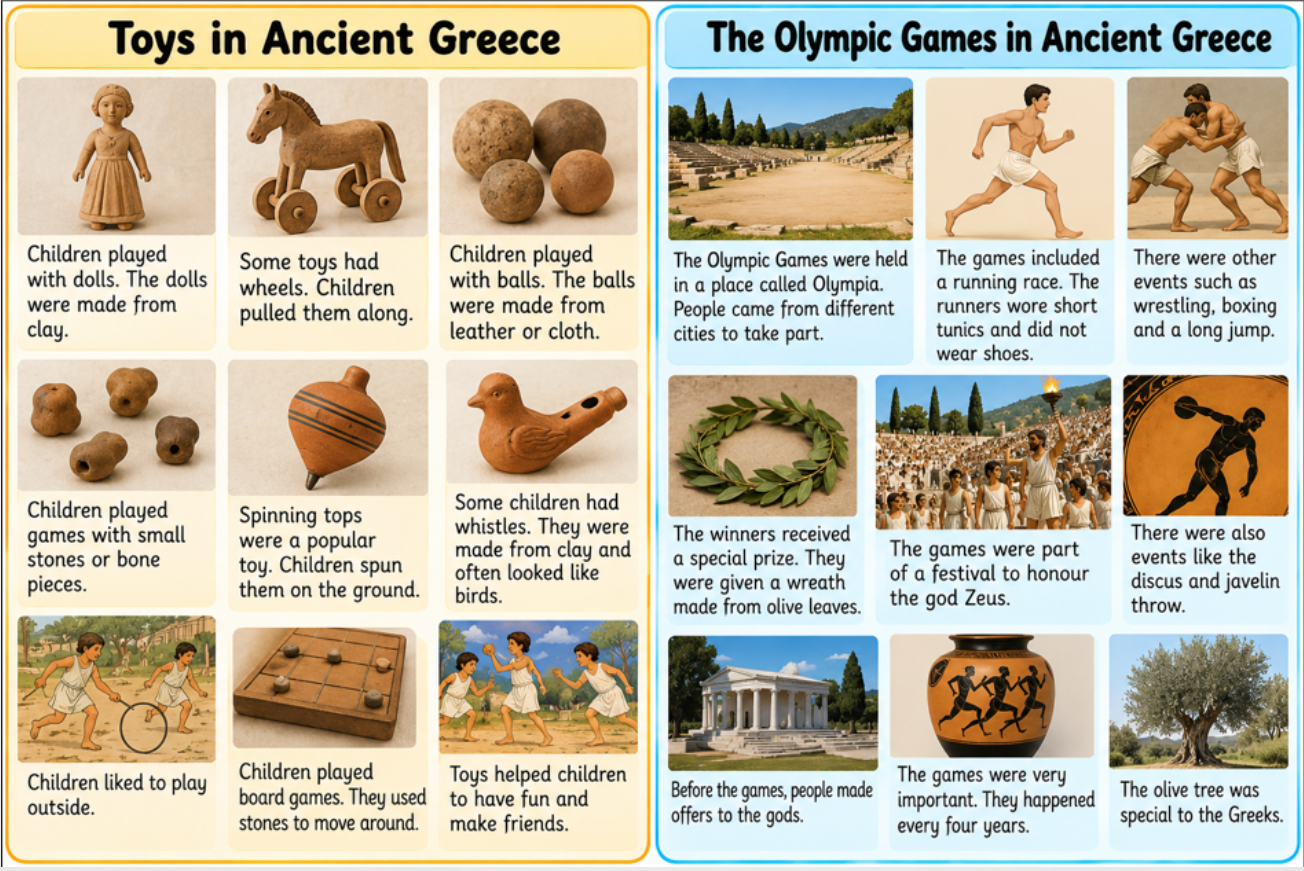
Ancient Greek Vending Machine 2
Adapted:
LC: to retrieve and record information from non-fiction texts.
Continue making notes using the information below.

12.10.26
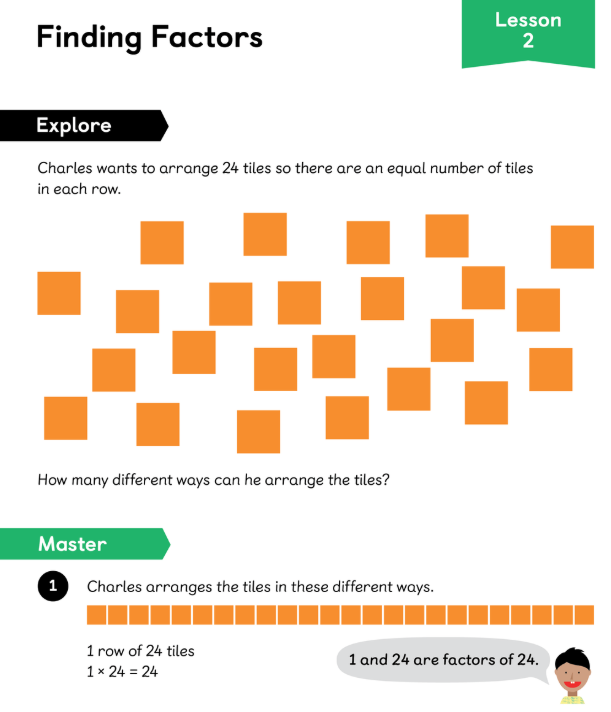
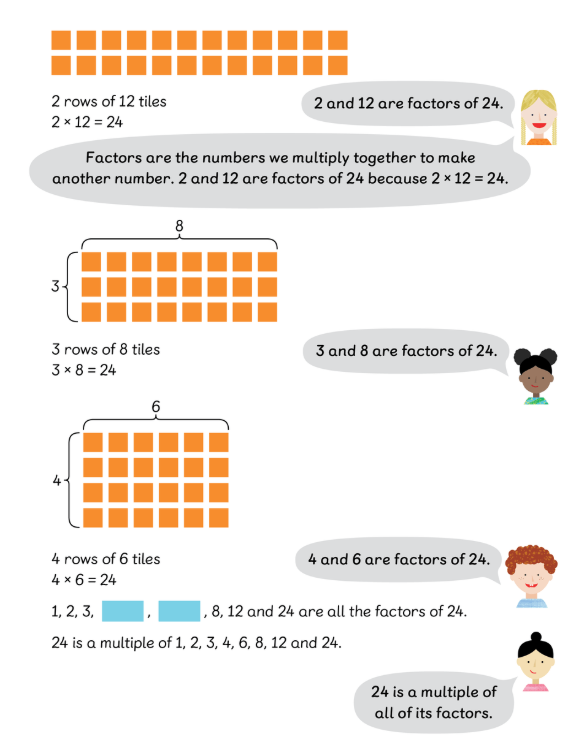
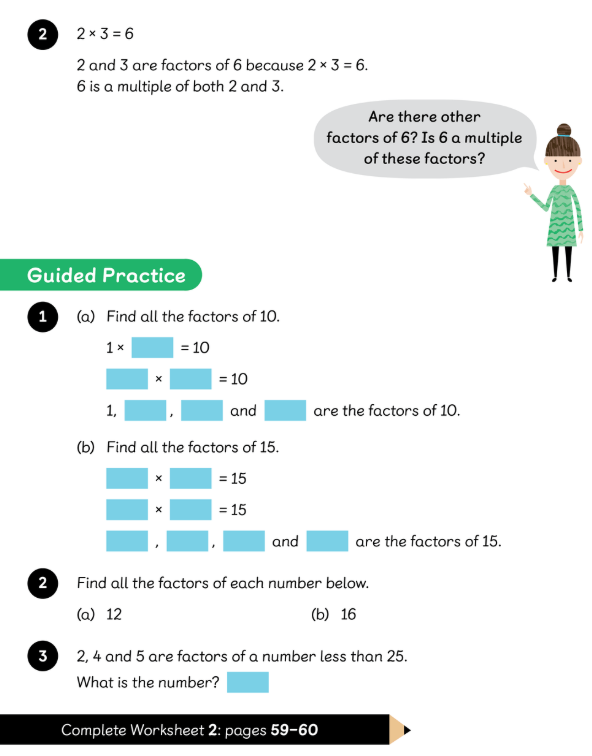
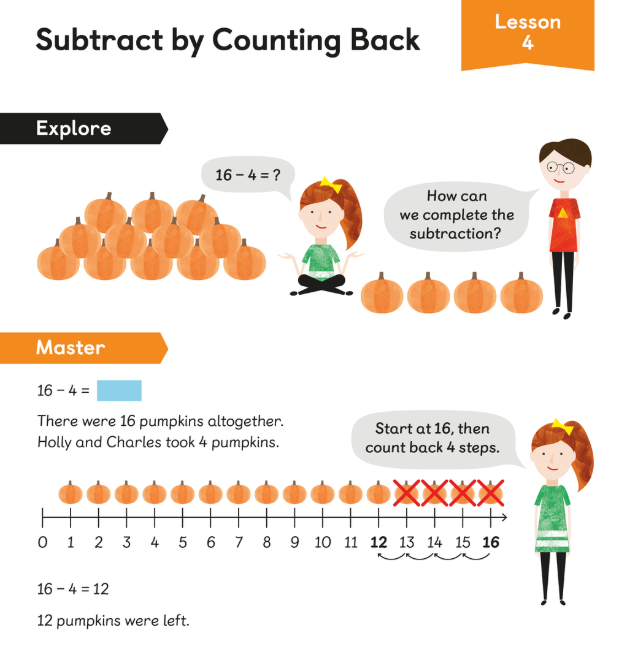
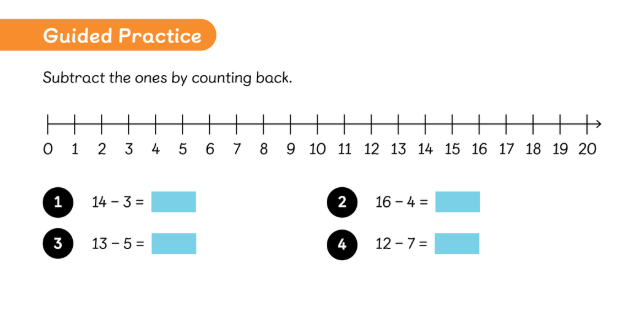
LC: To be able to consolidate and review multiplication; to be able to find the factors of a given number.
Adapted:
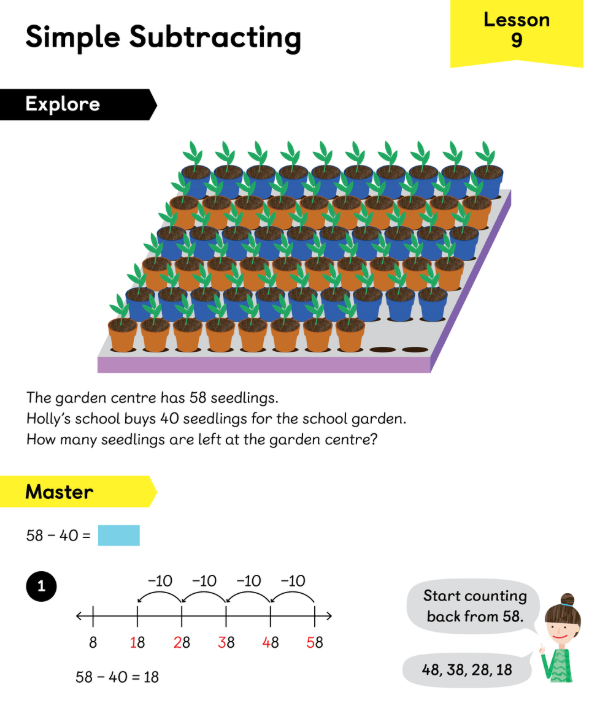
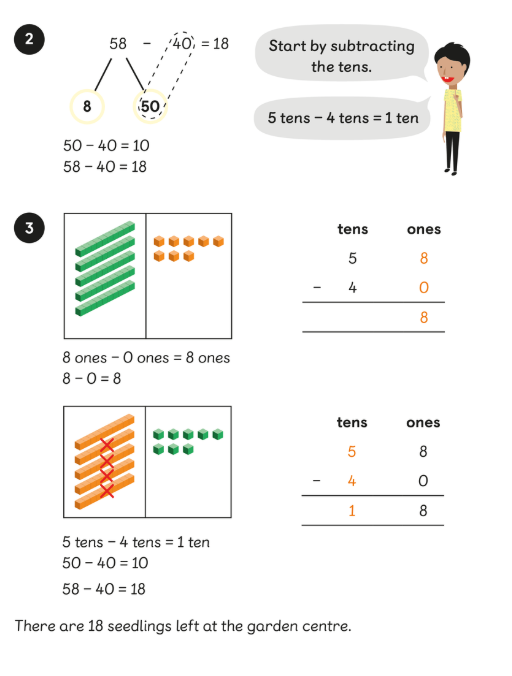
LC: To be able to subtract tens from a 2-digit number without renaming.
Adapted 2:

12.10.26
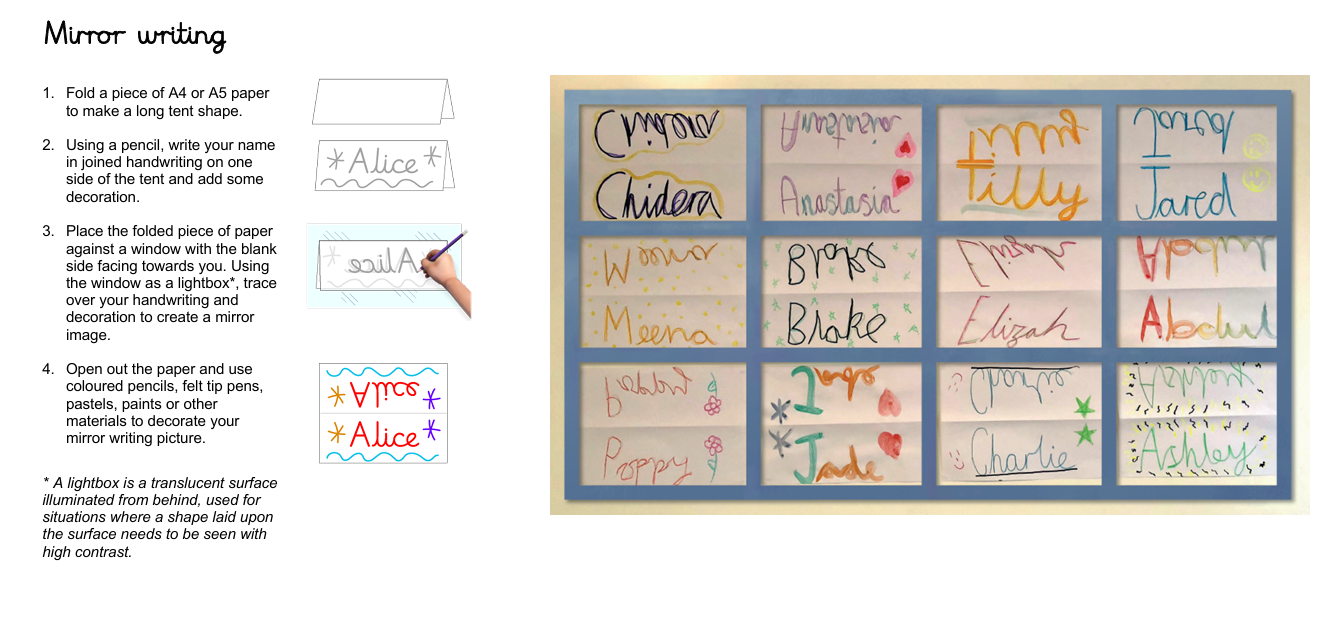
LC: Mirror writing.
Monday 12th October 2026
LC: To Compare the ideas and practices of Catholic and Protestant Churches -confession and prayers of penance.

Saying sorry
You have said something unkind to your friend. What could you do to make things better?
Christians believe that when they do something wrong, they can say sorry to God. This is called confession.
Teacher Model:
Catholics
Catholics can confess their sins to a priest.
They tell the priest what they are sorry for.
The priest reminds them that God forgives them.
They may be given a penance, such as saying a prayer.
Protestants
Protestants also say sorry to God.
Many Protestants confess through prayer directly to God.
They may do this on their own or pray together in church.
Then ask:
What is the same?
Both believe it is important to:
- say sorry to God;
- ask for forgiveness;
- try to make better choices.
Sort the statements into the correct group: Catholic, Protestant or Both.
- I may confess my sins to a priest.
- I can pray directly to God.
- I ask God to forgive me.
- I try to make a better choice next time.
- I may be given a prayer to say as penance.
- I can say sorry to God.
- A priest may hear my confession.
- I may say a prayer of confession with others in church.
- I believe God forgives people who are sorry.
- I may confess to God in my own prayers.
Catholic
- May confess to a priest.
- May be given a prayer as penance.
Protestant
- May confess directly to God.
- May say a prayer of confession together in church.
Both
- Ask God for forgiveness.
- Try to make better choices.
Children simply sort them under:
|
Catholic |
Both |
Protestant |
Now complete the sentence below:
One thing that is the same is ____________________.
One thing that is different is ____________________.
Challenge: Explain why Christians might think saying sorry should also involve trying to change their behaviour.
Adapted:
Catholic, Protestant or Both?
Sort the sentences into the correct group: Catholic, Protestant or Both.
- I can say sorry to God.
- I can talk to a priest.
- I can pray to God.
- God forgives me.
- A priest can give me a prayer to say.
- I can say sorry to God in my own prayer.
Great Stories
Weekly theme: What can great stories teach us about how we treat others?
Across the week, children encounter stories from Sikhism, Islam and Judaism, considering equality, generosity, forgiveness and how our actions affect others.
Assembly 1 – Sikhism: Bhai Kanhaiya
Theme: Everyone is equal
Key message: We should show kindness to everyone, not only people we like.
British Values: Mutual respect and tolerance
UNCRC: Article 2 – Every child has rights, without discrimination.
Article 30 – Children have the right to practise their own religion and culture.
Is it easy to be kind to your friends?
Probably!
But what about someone you don't know? What about somebody who has been unkind to you? Should everyone still be treated with care and respect?
Explain that today's story comes from the Sikh tradition and is about a man called Bhai Kanhaiya.
The story
Bhai Kanhaiya was a Sikh who lived during the time of Guru Gobind Singh.
During a battle, Bhai Kanhaiya had an important job. He carried water to people who were injured.
But some Sikh soldiers noticed something surprising.
Bhai Kanhaiya wasn't only giving water to injured Sikh soldiers. He was also giving water to injured enemy soldiers.
Some people complained.
They thought he should only help people on their own side.
Guru Gobind Singh asked Bhai Kanhaiya why he was helping everyone.
Bhai Kanhaiya explained that when he looked at the injured people, he did not see enemies. He saw human beings who needed help.
Guru Gobind Singh approved of what he was doing and encouraged him to continue caring for the wounded.
Think about it
Why do you think Bhai Kanhaiya helped everyone?
Would you have found it difficult to help someone who was considered an enemy?
What could this story teach us about how we treat people who are different from us?
We won't usually find ourselves on a battlefield, but we do make choices about who deserves our kindness. We might see someone sitting alone, someone we don't normally play with or someone we have disagreed with. Bhai Kanhaiya's story challenges us to remember that every person has value.
UNCRC and British Values
Link to UNCRC Article 2: children's rights belong to every child, regardless of their religion, background, language or other differences.
Connect to the British Value of mutual respect: we don't have to be the same or agree about everything to treat one another with dignity and kindness.
Reflection
Ask children to quietly think:
Is there someone I could show more kindness or respect to this week?
Finish with:
May we notice when others need help.
May we treat people fairly.
May we remember that everyone matters.