



Monday 21st September 2026

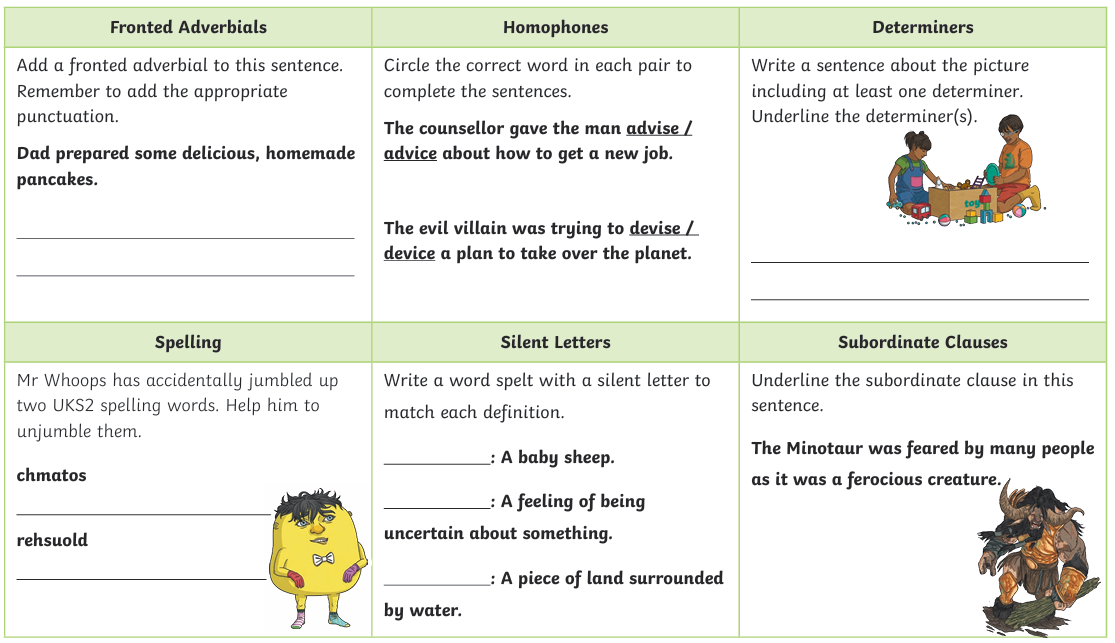
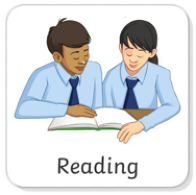
Screenshot and complete these spelling, punctuation and grammar activities using mark up.
RIC
Long, long ago, in ancient Greece, there lived a vindictive king named Polydectus who was keen to marry the mother of Perseus, Danae. Polydectus knew that Perseus would not allow his mother to marry him so the manipulative king sent Perseus away on a quest, not expecting him to return. “Bring me the head of the monster Medusa,” blasted the King, “and I will not bother your mother again!”
R - Where is the narrative set?
I - What do you predict will happen next in the narrative? Find evidence in the text.
C - Why has the author used the adjective 'vindictive' to describe the king?
Main
LC: Infer characters’ feelings and thoughts from their actions.
An inference is an idea or conclusion that we reach from evidence and reasoning.
Inferring is making an educated guess, a choice, a decision.
We use clues and our background knowledge to make sense of something when we are not explicitly given the information.
What can we infer from this text?:
And then he said he had something very important to announce and I could feel myself going red. My ears were burning like anything, and I was going hot and cold both at the same time.
Why do writers do this? Why didn't he just write 'I felt guilty'?
What can we infer from the below extract?
Billy and the Minpins (Roald Dahl) p78

Little Billy was running with the speed of an arrow, but each time he glanced back over his shoulder the puffs of orange-red smoky-breath had got closer. They were so close now he could feel the wind of them on the back of his neck. And the noise! It was deafening in his ears, this fearsome swooshing whooshing whiffling panting noise.Woomph-woomph, it went. Woomph-woomph, woomph-woomph! Woomph-woomph! It was like the noise made by a steam locomotive pulling out from a station. Then suddenly he heard another noise that was somehow more fearsome still. It was the pounding of gigantic galloping hooves on the floor of the forest. He glanced round again, but the Thing, the Beast, the Monster, or whatever it was, was hidden from his sight by the smoke it shot out as it galloped forward. The smoky-breath was billowing all around him now. He could feel its hotness. Worse still, he could smell its smell. The smell was disgusting. It was the stench that comes from deep inside the tummy of a meat-eating animal. “Mummy!” he cried out. “Save me!” Suddenly, directly in front of him, Little Billy saw the trunk of an enormous tree. This tree was different from the others because it had branches hanging down very low. While still running, he made a frantic jump for its lowest branch. He caught it and pulled himself up.
Activity
Now have a go at the following extract independently. What do you infer from the clues given? Write your answers underneath the text.
Aanya gave a sideways glance to peek at what Coco had written, but their eyes met. Coco’s hand immediately covered her work and she shot the other straight into the air. “Mrs Alam, Aanya is cheating!” “I am not!” Aanya said with clenched teeth. “Put your hand down!” “No way, cheaters need to get caught.” She whispered back, and then spoke louder for all to hear. “Excuse me Mrs Alam, but Aanya has been looking at my work and I think she has copied all of my answers. She will need to be moved.” Aanya could feel the colour rising in her cheeks and she knew everyone had turned to look at her. “I...uh...I really didn’t copy her…” she stammered as she ran out of the room.
Adapted:

Monday 21st September 2026
LC: To develop characters for a legend narrative.


Adaptive
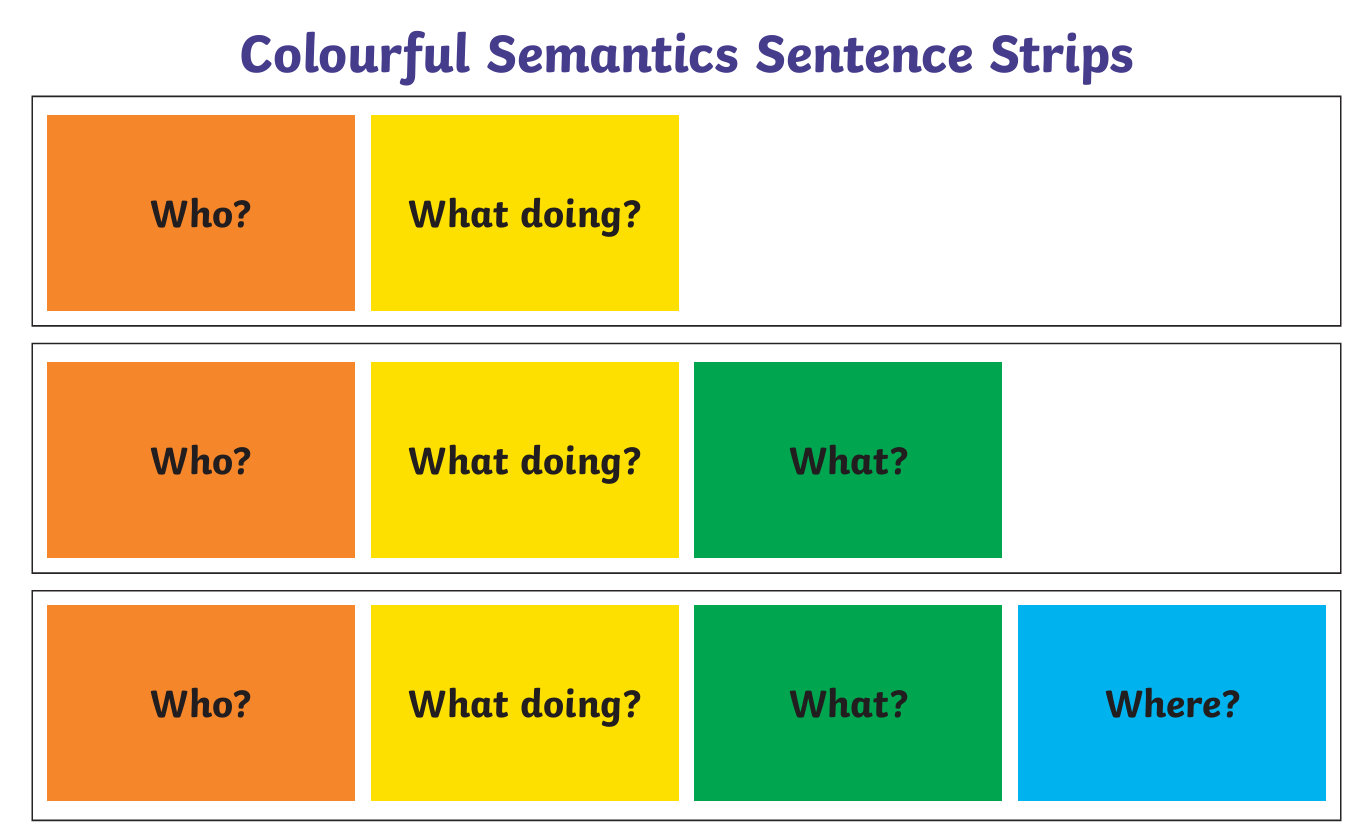
Use colourful semantics to help you develop your character.

21.09.26
LC: To be able to round numbers to the nearest 100 000 using number lines.
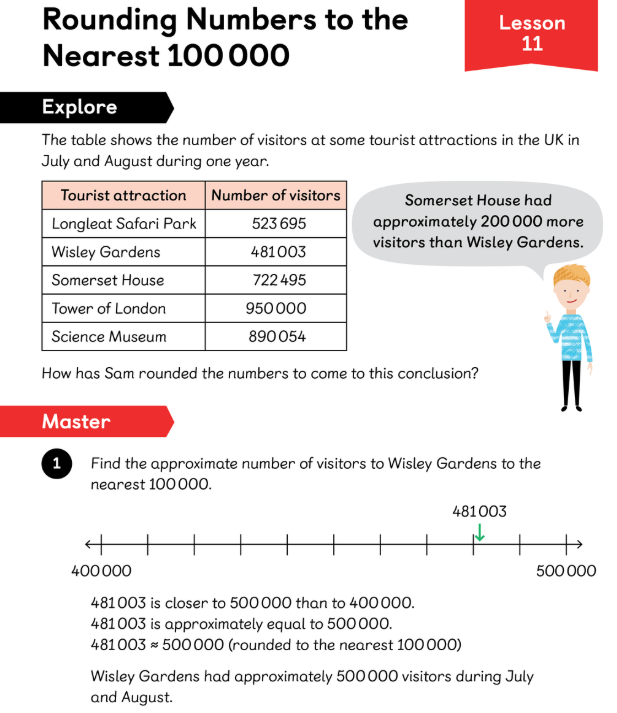
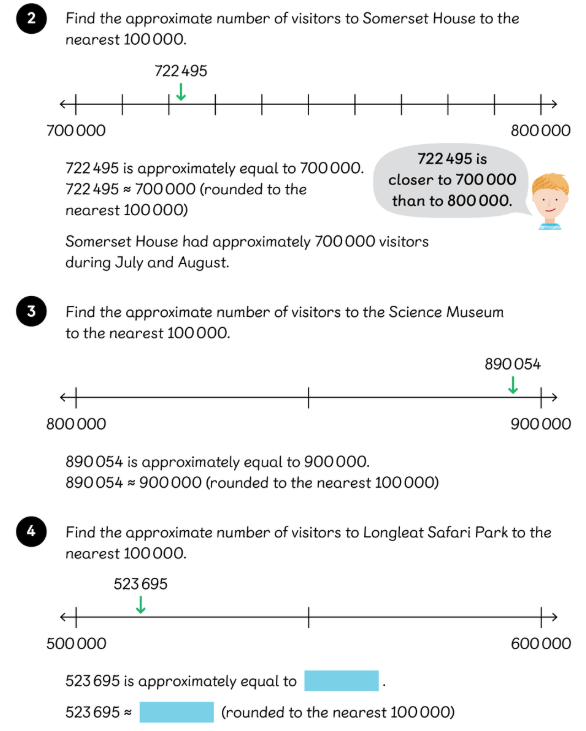
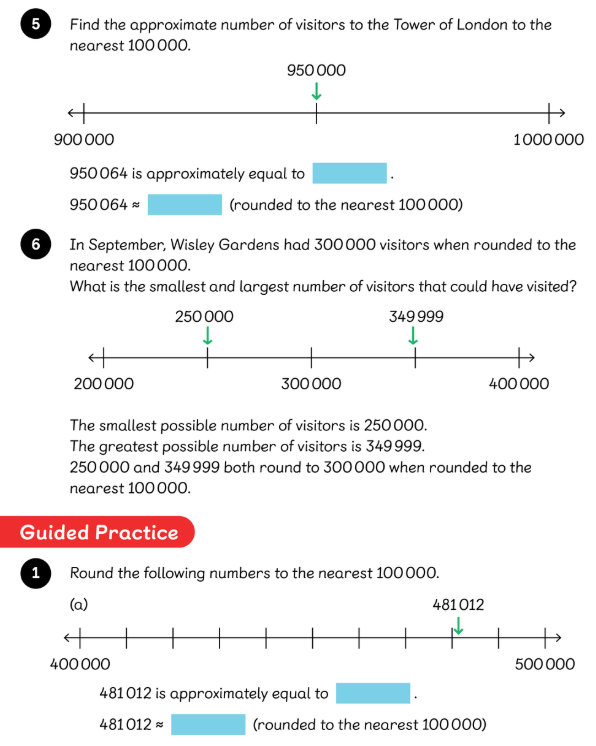
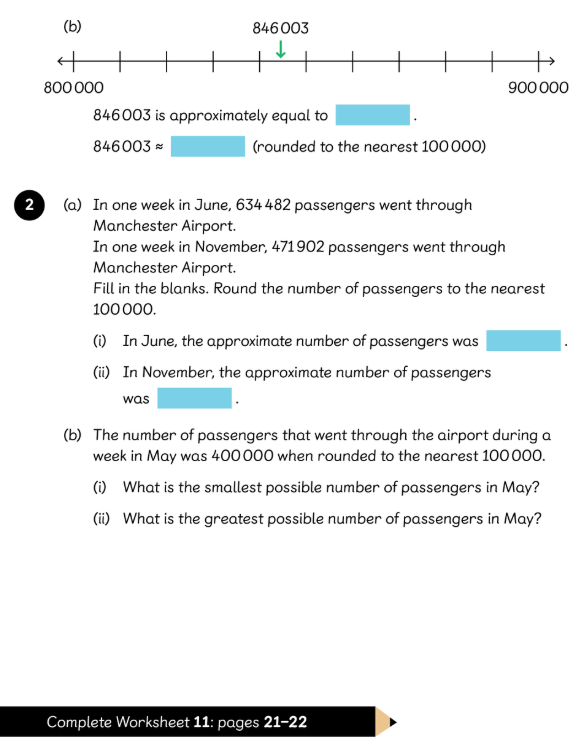
Adapted:
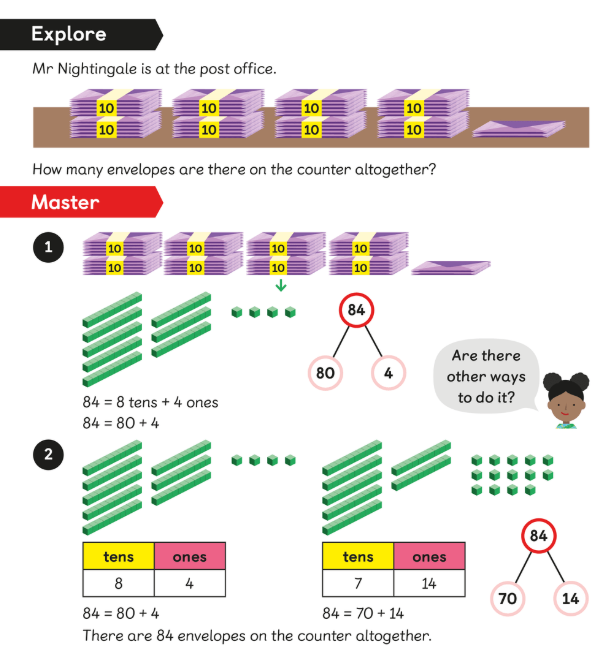
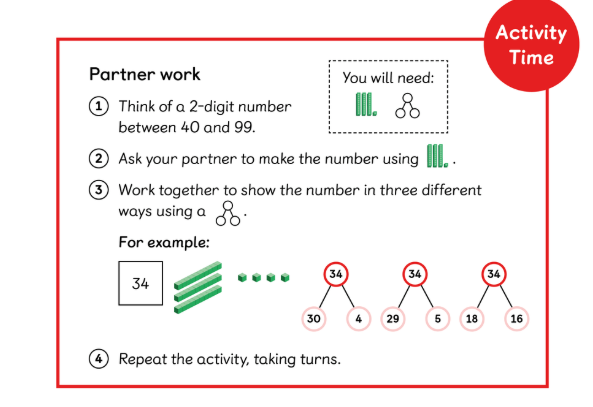
LC: To deepen the understanding of the place value of each digit in 2-digit numbers using number bonds.


LC: Know the importance of forgiveness in the teachings of Christianity.
Talk partners: Can you remember what forgiveness means?
When a crowd had gathered to see and listen to him, Jesus taught them many things about the kind of people God wanted them to be. Included in his teachings were important messages about prayer. He said:
“This, then, is how you should pray."
Then he taught them this prayer. Each part of it has a special meaning.
What does it teach Christians about forgiveness?
 This is the whole prayer:


Jesus also taught , “If you forgive others their transgressions, your heavenly Father will forgive you”
Peter, one of Jesus' disciples, asked him how often it is necessary to forgive, and Jesus replied, “Seventy-seven times”
What do you think that means?
Task
Explain what the Lord’s Prayer teaches Christians about forgiveness. Give examples of how Christians might apply this teaching in their lives.
Challenge:
Explain in your own words why asking for forgiveness is central in the lives of Christians?
Sentence starters:
“The Lord’s Prayer teaches Christians that God will forgive them if...”
- “Seventy-seven times means that Christians should forgive...”
- “A Christian might show forgiveness in real life by...”
Adapted
Comic Strip / Storyboard: draw a 3-panel comic strip showing a conflict, an apology/forgiveness, and a restored friendship, adding short speech bubbles.
Sharing with Those Who Have Less Than Us
Theme
Helping others by sharing what we have.
Learning Objective
To understand that some people have less than we do and that we can make a positive difference through kindness and generosity.
Introduction
Show a bag of food, clothes or school supplies.
Ask:
- What do we have that others may not?
- How would it feel if you didn't have enough food, clothes or toys?
Explain that around the world, and sometimes in our own communities, people do not always have what they need.
Story
Tell the story of a child who receives a lunchbox but notices another child has no lunch. They choose to share half of their meal. The hungry child feels cared for, and a friendship begins.
Discuss how one small act made a big difference.
Main Message
Sharing is not about giving away everything we own. It is about noticing when others need help and being willing to support them.
Even small acts of kindness can change someone's day.
Reflection Questions
- What could you share with others?
- How does sharing make people feel?
- Why should we care about people who are struggling?
UNCRC Links
- Article 24 – Children have the right to food, clean water and healthcare.
- Article 27 – Children have the right to a good standard of living.
British Values
Mutual Respect
We recognise that every person matters.
Individual Liberty
We choose to help others and make positive decisions.
Reflection/Prayer
"Let us think about those who have less than we do. Help us notice when someone needs support and give us kind and generous hearts."