



Monday 7th September

Quiz on your book.
Complete a star reader assessment.

Monday 7th September 2026
LC: to identify and discuss conventions in and across a range of texts.
Grammar Starter:
Complete these sentences with fronted adverbials.
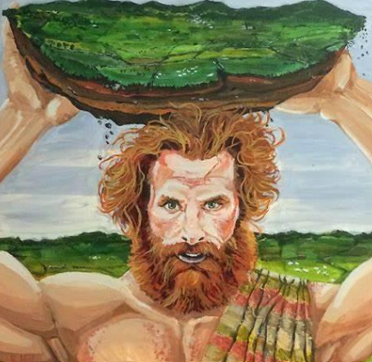
When Finn MacCool saw the Scottish giant coming across the causeway
When Bennadonner saw the giant baby in the bath
As the dragon was causing so many deaths
Can you think of one more?
Remember the punctuation after the fronted adverbial!
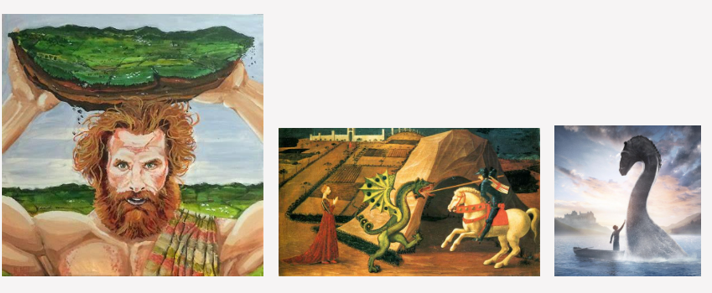
Let's look at the legends we have read or seen so far.
How are they the same?
Think about
characters
setting
plot

Discuss with your talk partner - make notes on how the three stories are similar.
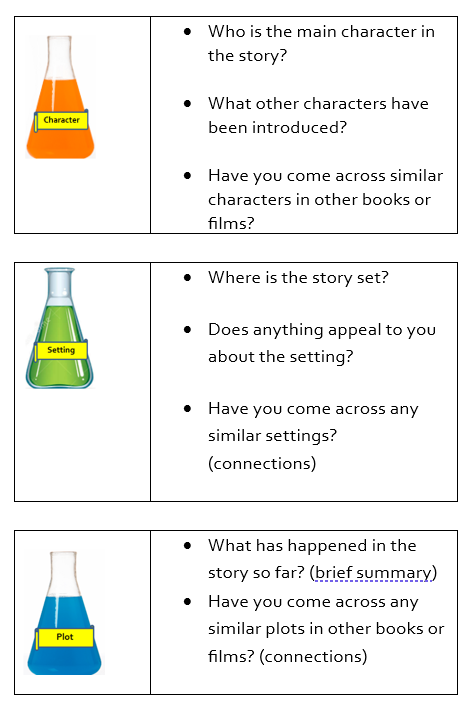
Complete answers to the questions above.
Let's create a Legends Toolkit.

Adapted
LC: To use capital letters and full stops or question marks.
George and the Dragon
Long ago, there was a brave knight called George.
One day, George came to a small town. The people in the town were very scared.
“Why are you scared?” asked George.
“A huge dragon lives near our town!” said a man. “It is big and fierce!”
George wanted to help the people.
He rode his horse towards the dragon’s cave. Soon, he heard a loud ROAR!
The dragon came out of the cave. It had sharp claws, huge wings and a long tail.
George was scared, but he was also very brave.
The dragon rushed towards him. George lifted his shield and held up his sword.
After a great battle, George defeated the dragon.
The people cheered. Their town was safe again!
“Thank you, George!” they cried.
George smiled and rode away on his horse.
Learning Challenge
Can you fix these sentences?
Rewrite each sentence. Remember to use a capital letter at the start and a full stop or question mark at the end.
- george was a brave knight
- the dragon lived in a cave
- why were the people scared
- george rode on his horse
- did george defeat the dragon

07.09.26
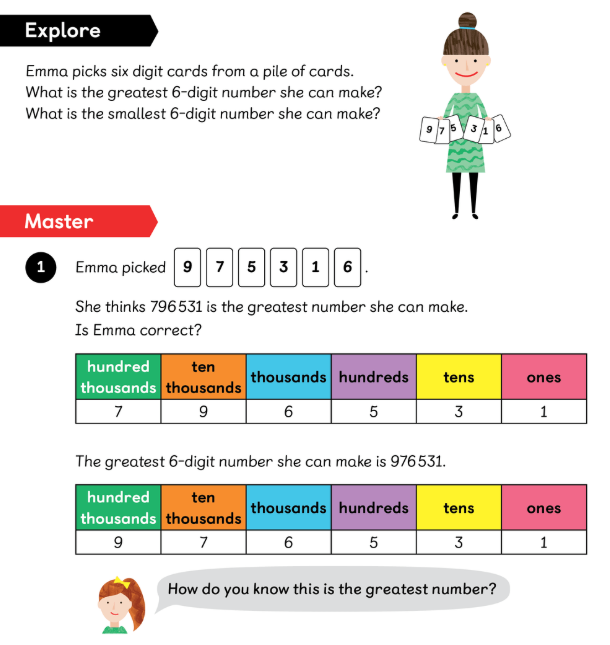
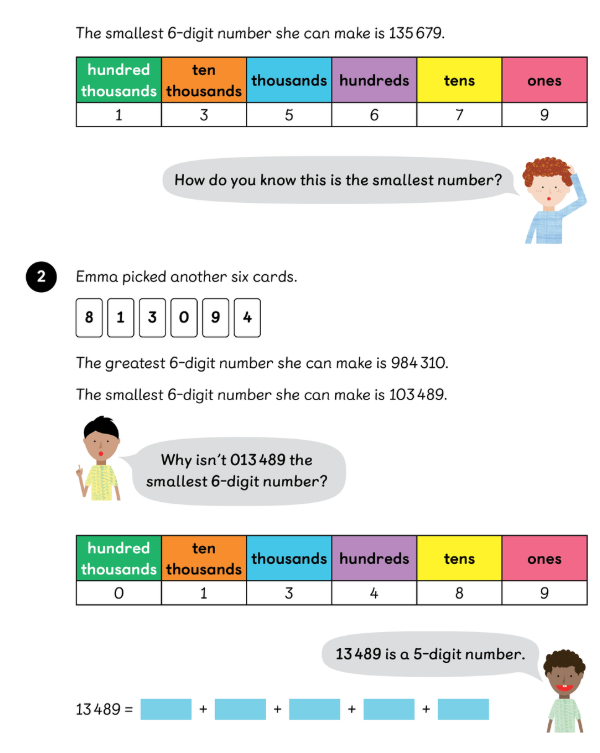
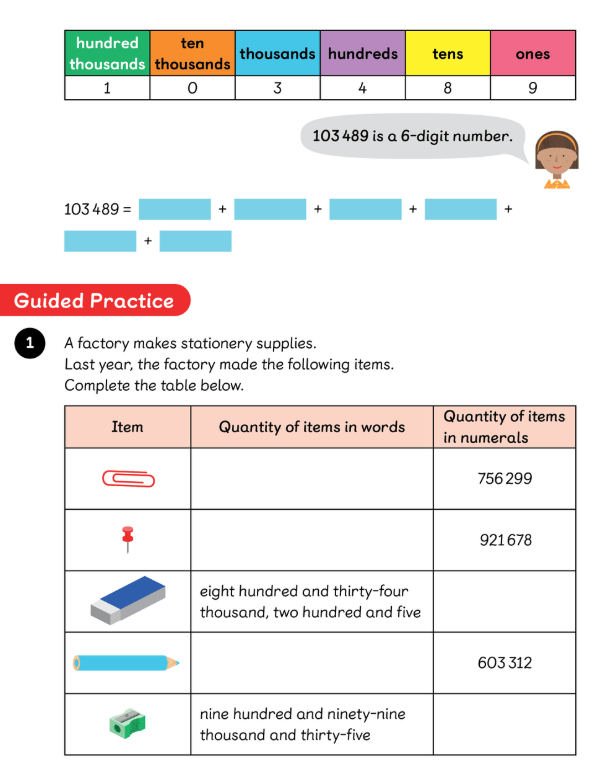
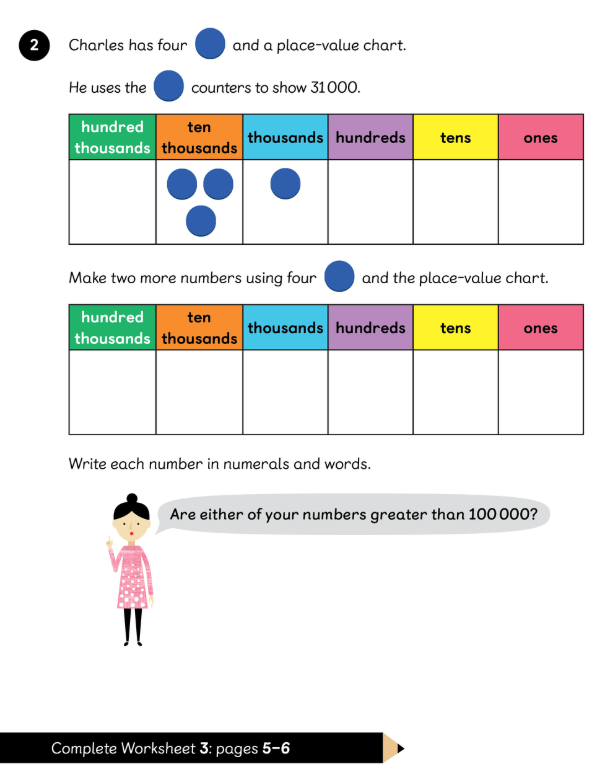
LC: To be able to read and represent numbers to 1 000 000 using place-value counters.
Adapted:
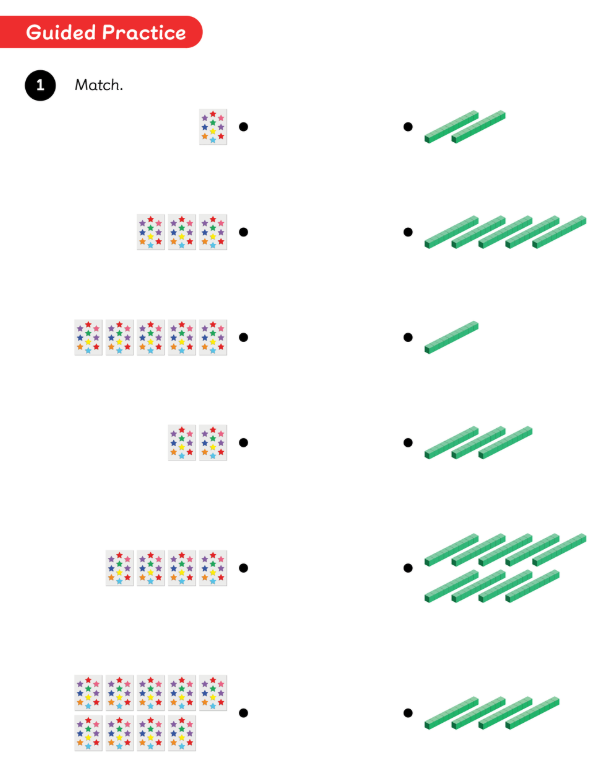
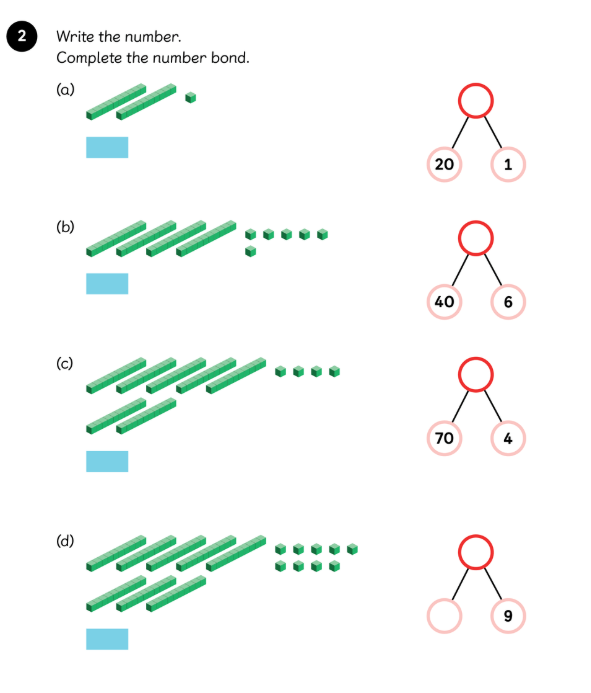
LC: Counting to 100.

Monday 7th September 2026
LC: To know how stories might be used as a source of wisdom and guidance.
In this unit, we will explore Christian beliefs and teachings about sin and temptation. In this lesson, we will begin by thinking about how stories can teach important lessons and help people make good choices.
Key Vocabulary
Wisdom – knowledge and understanding that can help us make good choices.
Guidance – advice that helps us decide what to do.
Moral – a lesson about right and wrong that we can learn from a story.
Temptation – when we feel like doing something that we know might be wrong.
Consequence – something that happens because of a choice or action.
What Can Stories Teach Us?
Imagine your friend asks you to lie to a teacher so that they do not get into trouble.
What would you do?
Think about these questions:
- Who or what might help you make the right decision?
- Can stories teach us how to behave?
- Have you ever learned an important lesson from a story?
Stories have been used for thousands of years to teach people important lessons. Sometimes these lessons can help us decide what is right or wrong.
Today, we are going to explore three of Aesop's Fables.
A fable is a short story that teaches us an important lesson. This lesson is called the moral of the story.
As you read each story, think about:
What wisdom can we learn from this story?
How could this wisdom guide someone today?
The Lion and the Mouse
One day, a great lion was sleeping peacefully in the sunshine.
A tiny mouse was running through the grass and accidentally ran across the lion's paw.
The lion woke up and quickly caught the mouse.
"How dare you wake me!" roared the lion. "I should eat you!"
The frightened mouse begged, "Please let me go! If you are kind to me today, perhaps one day I will be able to help you."
The lion laughed.
"You? Help me? You are far too small!"
However, the lion decided to be kind and let the mouse go.
A few days later, the lion was caught in a hunter's net. He pulled and struggled, but the ropes were too strong. The lion roared for help.
The little mouse heard him and came running.
"I can help you!" said the mouse.
The mouse began to nibble through the ropes with its sharp teeth. Before long, the lion was free.
The lion realised that even though the mouse was small, it had been able to do something that the powerful lion could not.
Think and Discuss
- What happened in the story?
- Why did the lion think the mouse could not help him?
- What choice did the lion make when he caught the mouse?
- How did his kindness help him later?
- What lesson can we learn from the story?
- How could this lesson help someone today?
The Moral
Everyone has value, and kindness can be repaid.
A Modern Version
Treat everyone with kindness and respect. You never know when someone might be able to help you.
The Hare and the Tortoise
One day, a hare was boasting about how fast he could run.
"I am the fastest animal around!" he said. "Nobody could ever beat me in a race."
A tortoise heard him boasting.
"I'll race you," said the tortoise.
The hare laughed.
"You? You're far too slow!"
The race began.
The hare raced ahead and quickly left the tortoise far behind.
"This is too easy," thought the hare. "I have plenty of time."
Feeling confident, the hare decided to have a rest underneath a tree. Soon, he fell fast asleep.
Meanwhile, the tortoise continued walking.
Step by step, he kept moving towards the finish line.
Eventually, the tortoise passed the sleeping hare.
When the hare finally woke up, he saw that the tortoise was almost at the finish line.
The hare ran as fast as he could, but it was too late.
The tortoise crossed the finish line first.
The hare couldn't believe it!
The tortoise had shown that determination and perseverance could be more important than being the fastest.
Think and Discuss
- What mistake did the hare make?
- Why did the tortoise succeed?
- What qualities did the tortoise show?
- Was the tortoise tempted to give up?
- How might this story help someone who finds something difficult?
- When could this advice be useful at school?
The Moral
Slow and steady wins the race.
A Modern Version
Keep trying and don't give up. You don't have to be the fastest or the best at something to succeed.
The Shepherd Boy and the Wolf
A young shepherd boy had the job of looking after his village's sheep.
Every day, he sat on a hill watching them.
One day, he became bored.
He decided to play a trick on the villagers.
"Wolf! Wolf!" he shouted. "A wolf is attacking the sheep!"
The villagers heard his cries and rushed up the hill to help.
When they arrived, there was no wolf.
The boy laughed.
"I tricked you!"
The villagers were annoyed and returned home.
A few days later, the boy became bored again.
"Wolf! Wolf!" he shouted.
Once again, the villagers rushed to help him.
Once again, there was no wolf.
The boy thought his trick was very funny, but the villagers were angry.
Then, one day, a real wolf appeared.
The boy was terrified.
"Wolf! Wolf!" he shouted. "Please help me! There really is a wolf!"
The villagers heard him, but this time they did not believe him.
"He is trying to trick us again," they said.
Nobody came to help.
The boy realised that his lies had caused people to stop trusting him.
Think and Discuss
- Why did the boy lie?
- What were the consequences of his lies?
- What was the boy tempted to do?
- Why is trust important?
- What should the boy have done differently?
- How could this story guide someone today?
The Moral
If you keep lying, people may not believe you when you finally tell the truth.
A Modern Version
Be honest. If you repeatedly lie to people, you can lose their trust.
Independent Task – From Story to Wisdom
Choose one of the three fables.
- Which story have you chosen?
- What is the moral of the story?
The story teaches us that...
- Make the moral modern.
Imagine you are giving this advice to another Year 5 pupil.
I would tell them...
- Think of a modern situation where this wisdom would be useful.
This advice might help someone when...
- What should the person do and why?
They should...
because...
Challenge
How could the wisdom in this story help someone resist the temptation to make a poor choice?
Adapted:
Match each story to the correct piece of wisdom.
The Lion and the Mouse
- Be honest so that people can trust you.
- Everyone is important, so treat people with kindness.
- Keep trying, even when something is difficult.
The Hare and the Tortoise
- Be honest so that people can trust you.
- Everyone is important, so treat people with kindness.
- Keep trying, even when something is difficult.
The Shepherd Boy and the Wolf
- Be honest so that people can trust you.
- Everyone is important, so treat people with kindness.
- Keep trying, even when something is difficult.
cycling primary picture news resource england 7th september.pdf