

Friday 4th September 2026
Grammar Warm Up
Friday 4th September 2026
LC: to construct sentences with given fronted adverbials.
Tell your talk partner what you know about
fronted adverbials.

Complete the sentences using your own words.
Don't forget where the comma goes!
1. When the thunder crashed,
2. All of a sudden
3. Before long
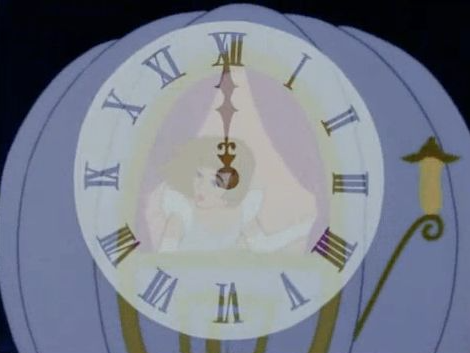
4. As the clock struck twelve
LC: to read and respond to a range of texts.
If a story is called a 'legend', what does it mean?
Talk to your partner about what kind of a story a legend could be.

Let's read some examples of legends and then see if we can create
a list of the features of this kind of writing.
Finn MacCool and the Giant's Causeway
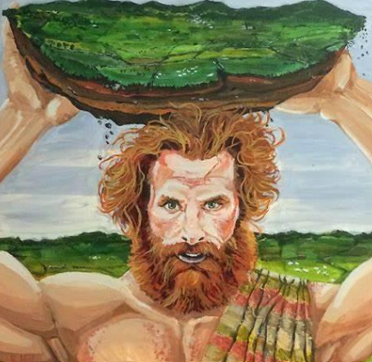

Your teacher will give you a post it for you to note down some new words or phrases that you like so we can use them in our own legend writing.

Can you see what kind of features these legend stories all have in common?
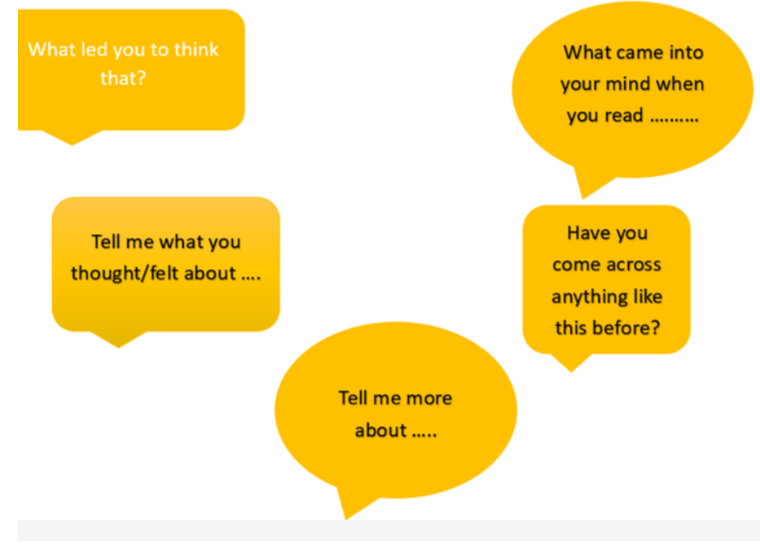
Let's share our ideas about the texts.
Adapted:
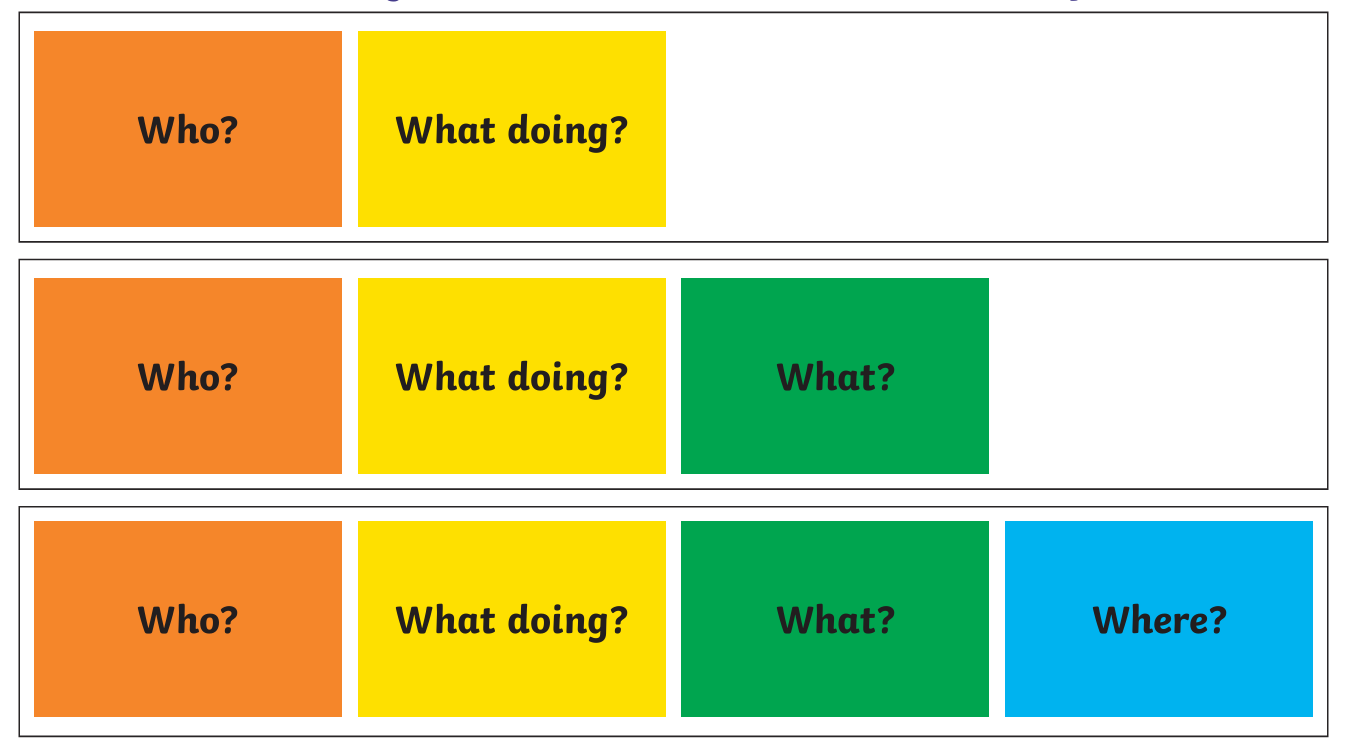
LC: To orally retell this legend.
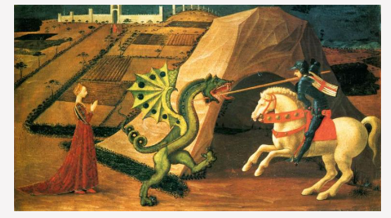
Saint George and the Dragon
George was a brave man.
One day, George went on a trip.
He came to a big lake.
A huge dragon was at the lake.
It had a long tail and sharp teeth.
The dragon was very bad.
The people did not like the dragon.
They were sad and scared.
A princess was at the lake.
The dragon was going to get her!
George had to help.
He got on his horse and went to the lake.
The dragon came out of its cave.
ROAR!
George did not run.
He had a long spear.
He hit the dragon with it.
CRACK!
The spear broke!
George fell off his horse, but he did not give up.
He got his sword.
George ran at the dragon.
He hit it under its wing.
The dragon fell down.
The princess was safe!
George had been very brave.

04.09.26
LC: to be able to read and represent numbers to 1,000,000.
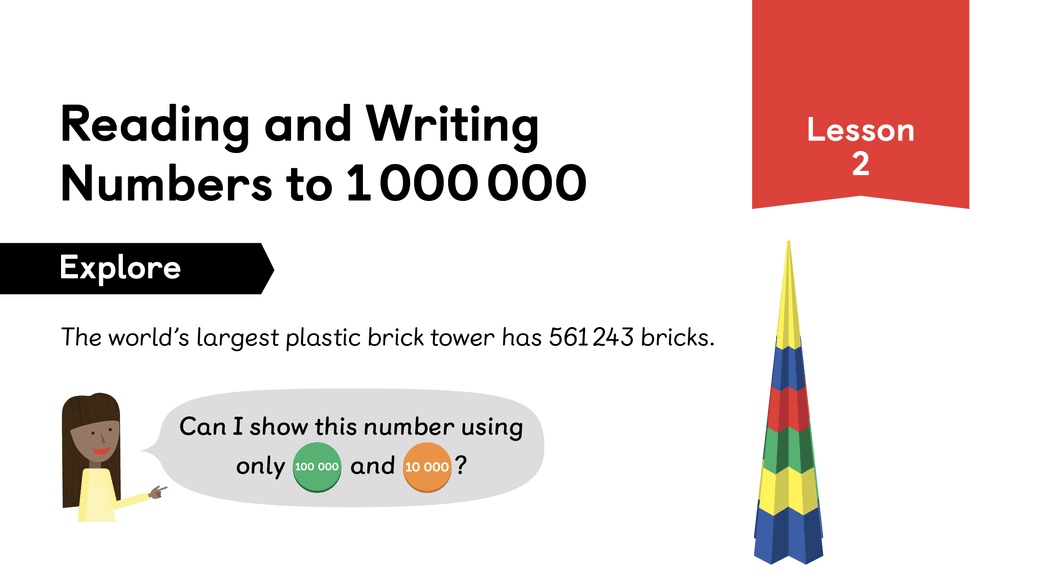
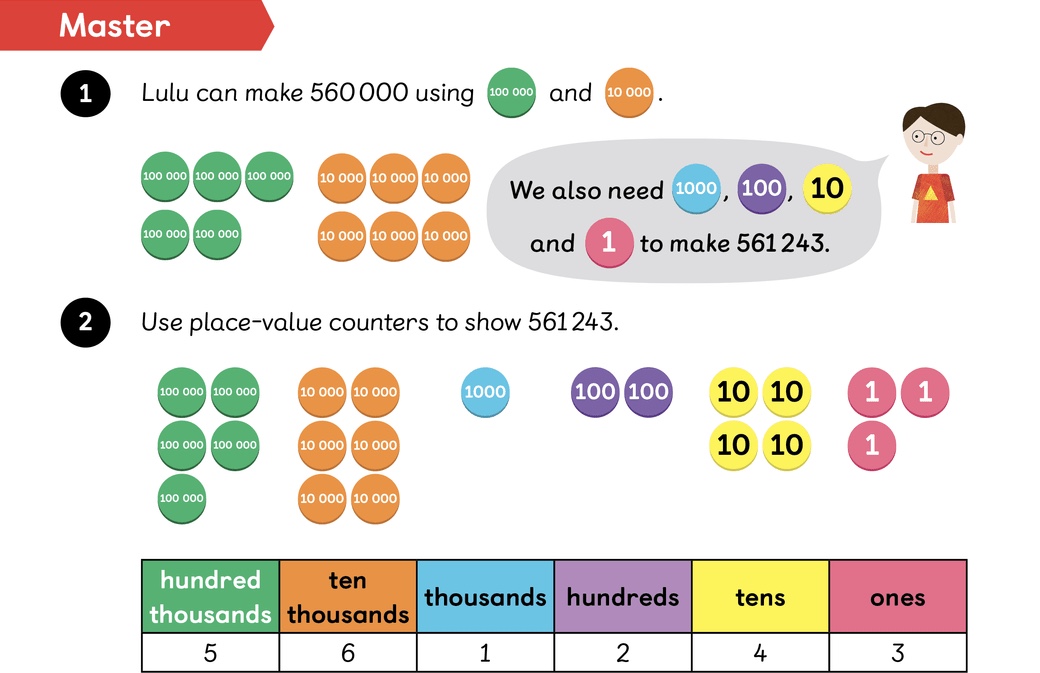
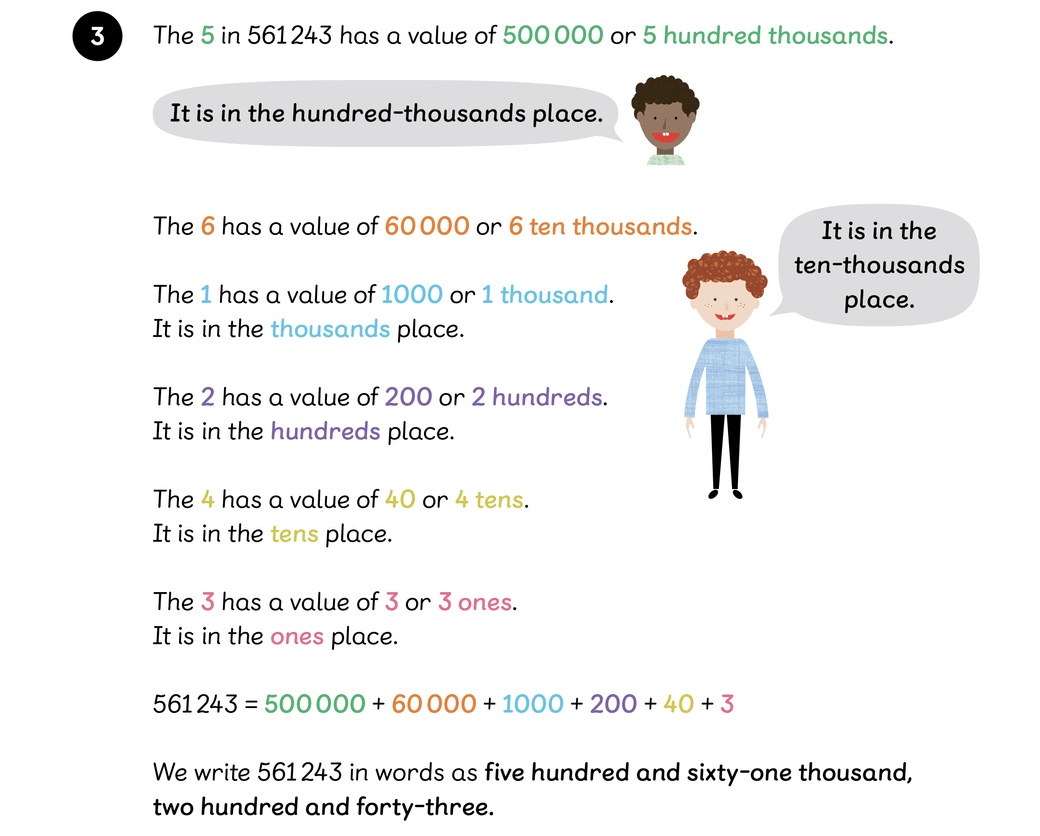
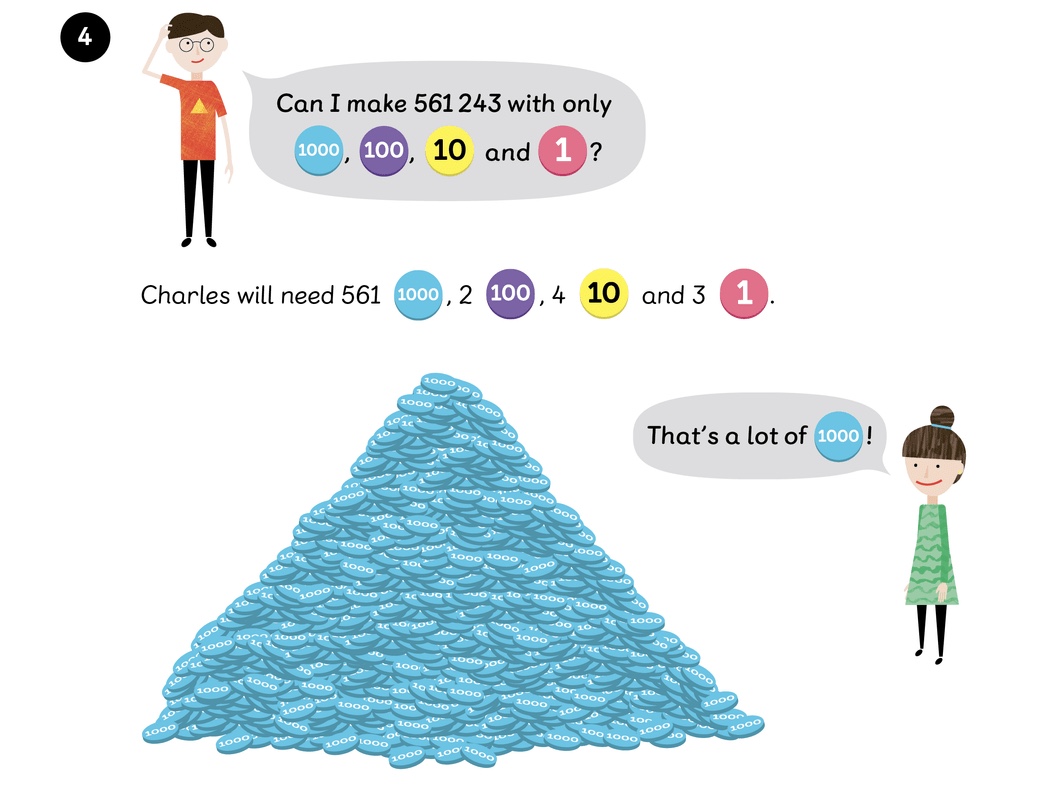
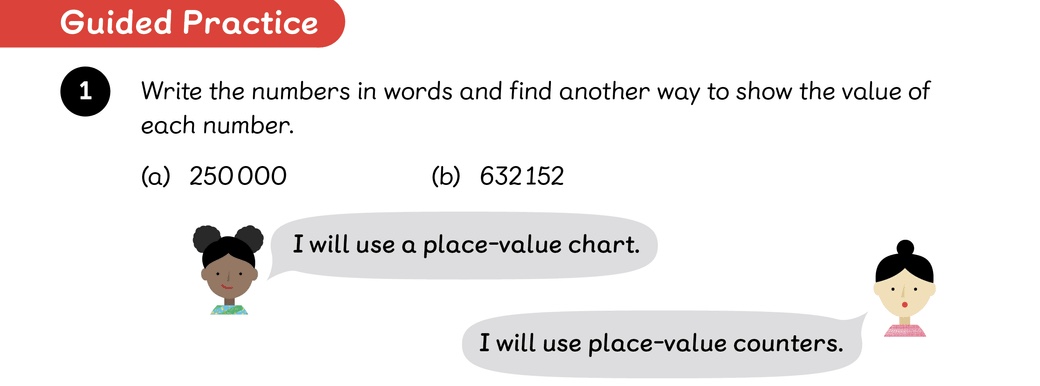
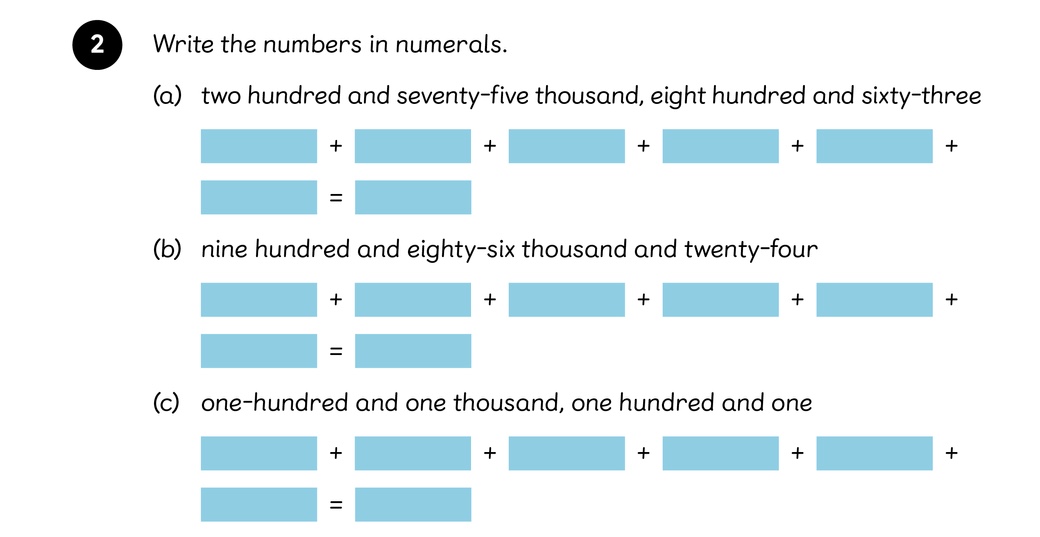
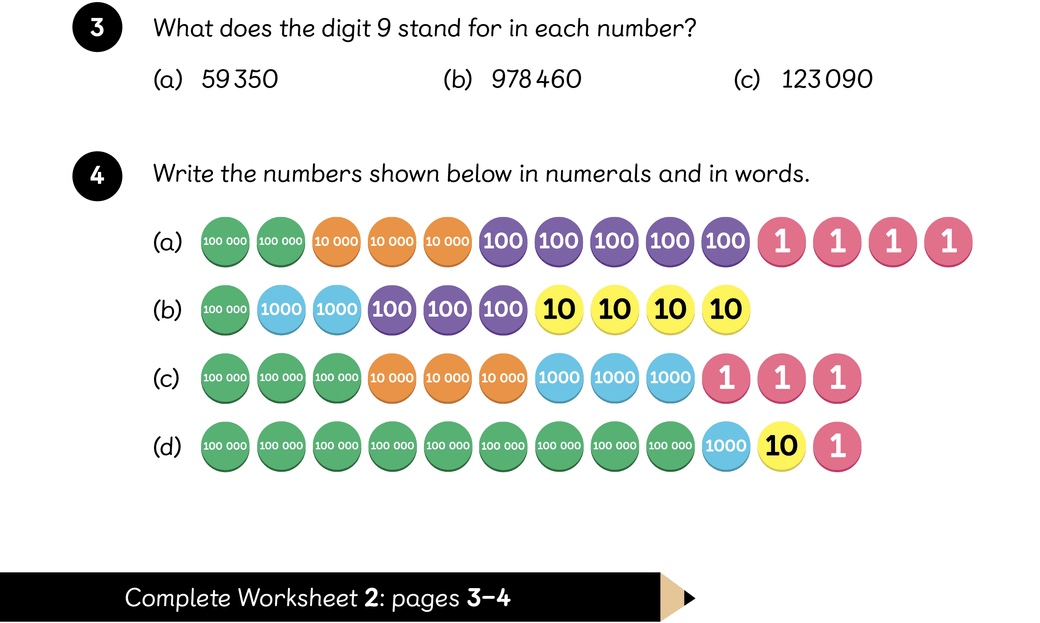
Adapted:
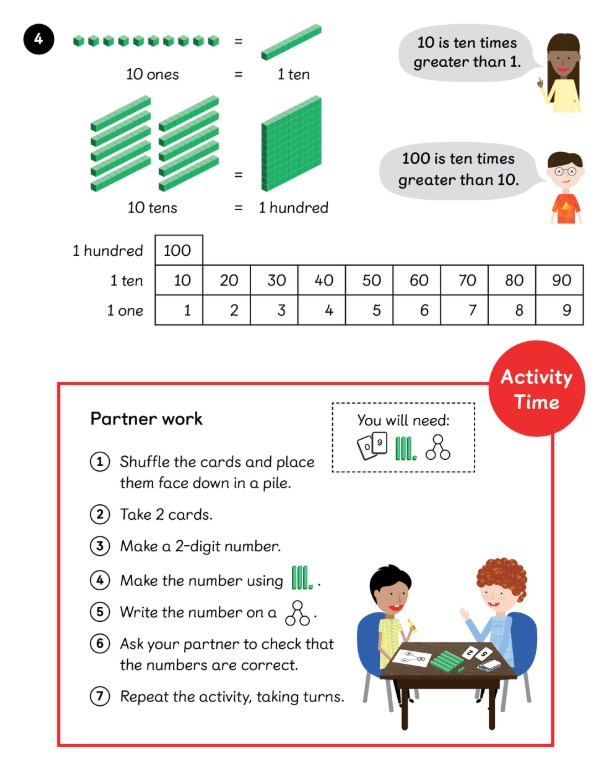
To be able to count numbers up to 100 using concrete objects. Counting in ones and tens, forwards and backwards.
RIC
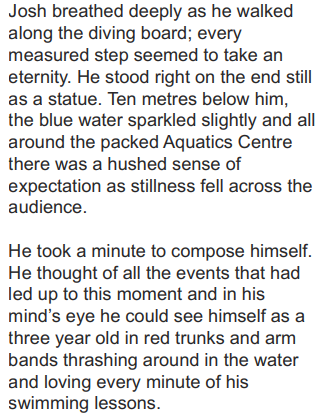
R - What stood ten metres below Josh?
I - How might Josh have been feeling when he stood on the diving board? Find evidence in the text.
C - How many adverbs can you find?
Main
Friday 4th September 2026
LC: To recommend books previously read, giving reasons for choices.
What does it mean to recommend a book?
To recommend a book means to tell someone why you think they might enjoy reading it.
A good recommendation doesn't just say:
“This book is good.”
It explains WHY it is good!
Look closely at Macavity
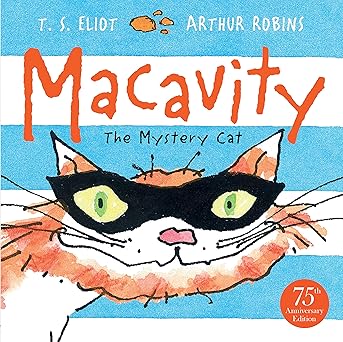
What do you notice about the cover?
Think about:
- The title
- The illustration
- The colours
- The character
- The mood or atmosphere
Talk Partners
What type of book do you think this might be?
Who might enjoy reading it?
What makes you think that?
In Year 4 you have already read Macavity.
Would you recommend it?
How could you persuade someone else to read it?
Instead of:
“I recommend it because it is good.”
Try:
“I recommend this book because the mysterious character of Macavity makes you want to find out what he will do next.”
What makes this recommendation better?
What makes a GOOD book recommendation?
A strong recommendation includes:
Title and author
Who wrote the book?
Short summary
What is the book about?
Remember — no spoilers!
Your opinion
What did you particularly enjoy?
Reasons
WHY did you enjoy it?
Audience
Who would you recommend it to?
Talk Partners
Think of a book you have read and enjoyed.
Tell your partner:
- What is the title and who is the author?
- What is it about?
Give a short summary without revealing the ending!
- What did you enjoy about it?
Was it:
- funny?
- exciting?
- mysterious?
- adventurous?
- emotional?
- surprising?
- informative?
- WHY would you recommend it?
- Who do you think would enjoy it? Why?
Let's improve our reasons
Which recommendation is stronger?
A:
I recommend this book because it is funny.
B:
I recommend this book because the characters often find themselves in hilarious situations that made me want to keep reading.
Talk Partners
Which is better?
Why?
Independent Task
Create a Book Recommendation Card
In your Reading Journal, write a mini-review of a book you have previously read.
Include:
Title:
Author:
Rating: ___ / 5
My recommendation
Write a short summary of the book.
Explain at least two reasons why you would recommend it.
Explain who you think would enjoy reading it.
Adapted:
Sentence Starters
I recommend this book because…
This book is about…
One reason I enjoyed this book was…
My favourite part was… because…
I particularly liked the character… because…
The author makes the story interesting by…
If you enjoy…, you will like this book because…
I would recommend this book to readers who…
Challenge
Can you make your recommendation specific?
Instead of:
“It was exciting.”
Try:
“I found the story exciting because the author builds suspense and leaves you wondering what will happen next.”
Remember:
OPINION + EVIDENCE/EXAMPLE + EXPLANATION = STRONG RECOMMENDATION
Friday 4th September 2026
LC: To understand what it means to treat people equally.
What do you think EQUALITY means?
Equality means making sure that everyone is treated fairly and has the same rights and opportunities.
It means that who you are should not stop you from being included, respected or given opportunities.
Let's think...
Is treating everyone equally the same as giving everyone exactly the same thing?
Imagine three children are completing a piece of work.
- One child can complete it independently.
- One child needs some extra instructions.
- One child needs a reading aid to help them access the task.
Would it be fair to say that nobody can have help because everyone must be treated exactly the same?
Turn to your partner.
What do you think? Why?
SAME Vs FAIR
Sometimes being fair means giving people different support so that everyone has an equal opportunity.
For example...
Someone who needs glasses wears glasses.
Someone who finds reading difficult might have extra support.
Someone with a disability might need something adapted so they can take part.
Someone might need extra time to complete a task.
These things don't give someone an unfair advantage. They help everyone to have an equal opportunity.
Is it equal? Is it fair?
I'm going to read you some situations.
Show me:
👍 = Fair / Equal
👎 = Not Fair / Not Equal
1
Everyone in Year 5 is allowed to put themselves forward to be a class monitor.
Fair or unfair? Why?
2
Only boys are allowed to carry the PE equipment.
Fair or unfair? Why?
3
A child is not allowed to join a playground game because they are new to the school.
Fair or unfair? Why?
4
A child who finds reading difficult is given some extra help.
Someone says:
"That's not fair! I didn't get extra help!"
Do you agree?
Why might giving someone extra help actually be fair?
5
Everyone gets an opportunity to share their ideas, even if they have different opinions.
Is this equality? How do you know?
Our Key Vocabulary
EQUALITY – making sure people have equal rights and opportunities.
FAIRNESS – making sure people are treated justly.
RESPECT – treating other people as important and valuable.
INCLUSION – making sure everyone feels welcome and able to take part.
OPPORTUNITY – having the chance to do or achieve something.
What does equality look like in OUR school?
Think about our:
Classroom
Lessons
Playground
Lunchtimes
PE and sport
Clubs and activities
School Council and pupil voice
Friendships
Talk to your partner:
How do we make sure everyone is included?
How do we make sure everyone gets opportunities?
How do we show respect to people who are different from us?
Can you think of an example of equality in our school?
Your Activity
What does equality look like in our school?
Take one post-it note.
Write one example of how we can show equality in our school.
You could start with...
"Equality in our school means..."
"Everyone should have the opportunity to..."
"We treat people equally when..."
"Everyone should be included when..."
"Our school is fair because..."
Challenge
Don't just tell me what we do.
Explain WHY it shows equality.
For example:
"Everyone should be able to join a school club because everyone deserves the opportunity to take part."
Before we finish...
Complete this sentence:
"Treating people equally is important because..."
Think about our key words:
FAIRNESS • RESPECT • INCLUSION • RIGHTS • OPPORTUNITIES
Final question
Does equality always mean treating everybody exactly the same?
Be ready to explain your answer!

UNCRC Article 2 – No Discrimination
Every child has the same rights, no matter who they are, where they come from, what they believe or whether they have a disability.
Nobody should be treated unfairly because of who they are.
Let’s Discuss
- What does discrimination mean?
- How does no discrimination link to equality?
- What might discrimination look like in school?
- How might someone feel if they were treated unfairly?
- Does treating people equally always mean treating everyone exactly the same?
- What could you do if you saw someone being treated unfairly?
Think!
“Everyone should be treated exactly the same.”
Do you agree or disagree? Why?