



Wednesday 20th May 2026

Find homophones for each of these words:
week:
I feel ____________ from the illness.
place:
A type of fish is called a ________________ .
read:
A ___________ is a tall, slender grass plant that grows near water.
rode:
What is the name of the busy ____________ outside my house?
board:
I am _______________ of watching this football match.
sea:
What can you ____________ outside your window?
there:
It is _______________choice if they want to try their best.
Complete a star reader assessment.
Adapted Group 2

Wednesday 20th May 2026
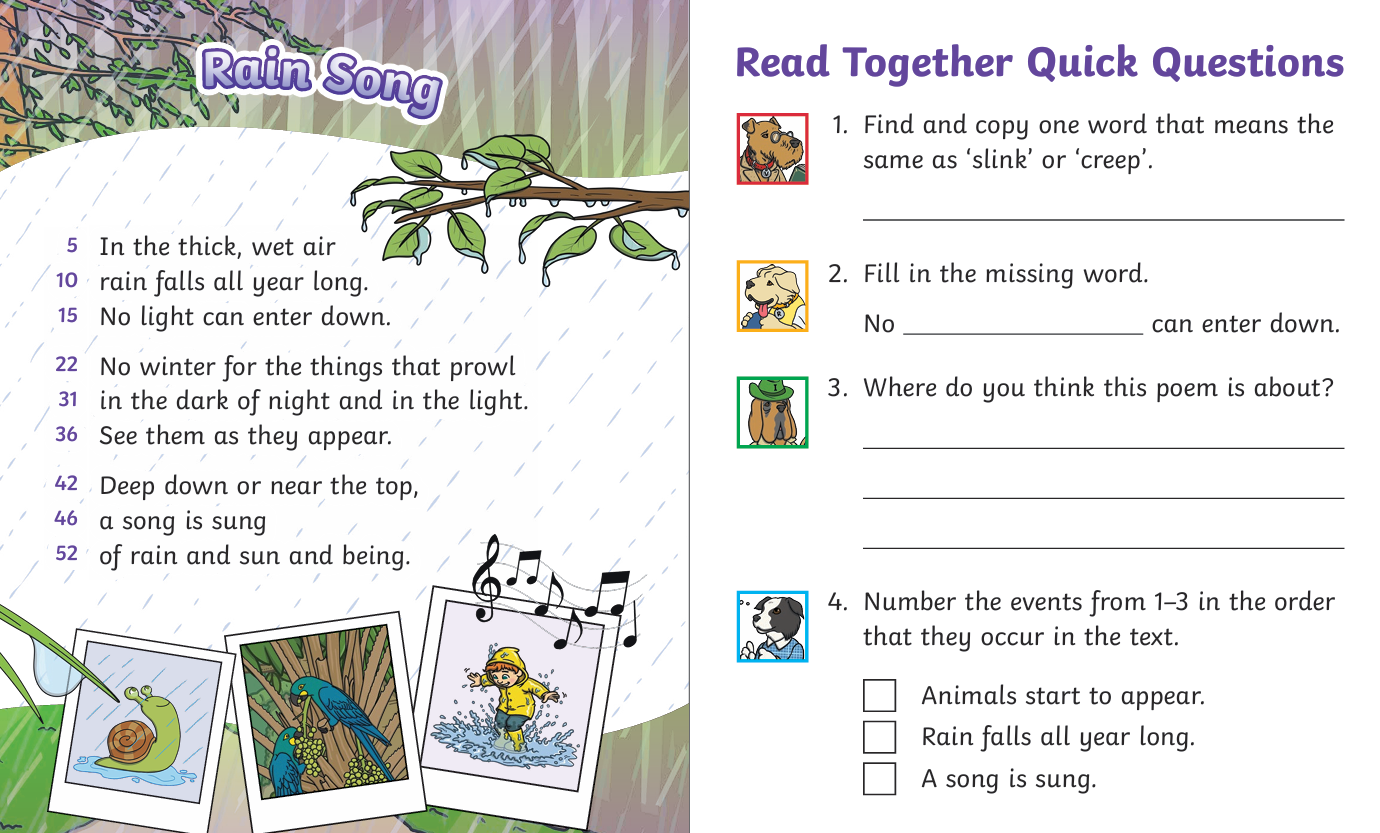
LC: Read, respond to and perform a poem with appropriate volume, gestures and expression.
day 8 exploring night soup.pdf
Adapted
LC: Show understanding of a poem by creating actions.
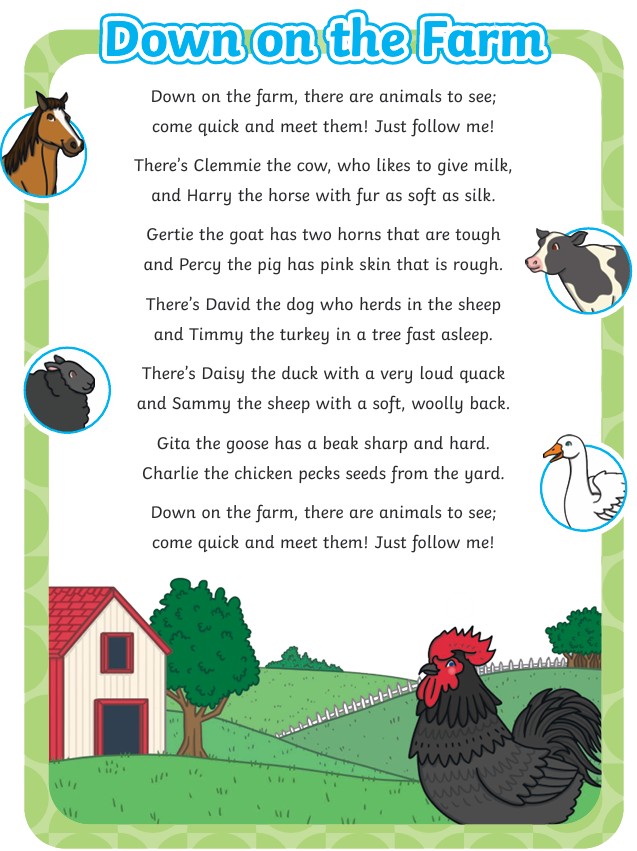
Read the poem aloud again with your teacher.
Make up some actions for each part of the poem.
Your teacher will take photographs of your actions.
Now practise reading it with your actions.

20.05.26
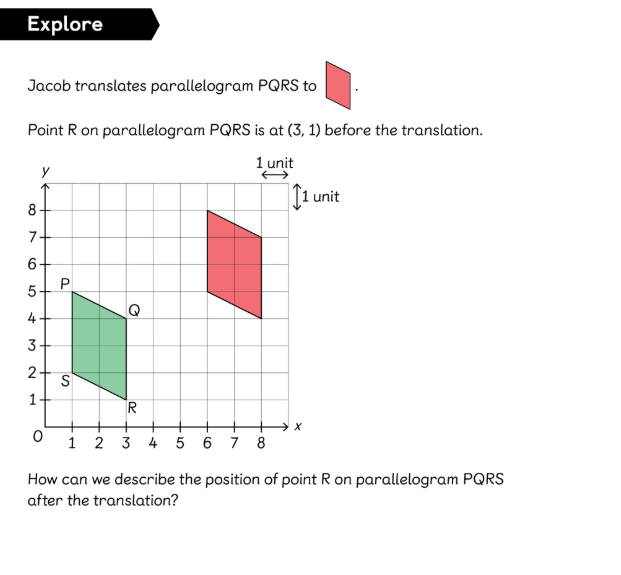
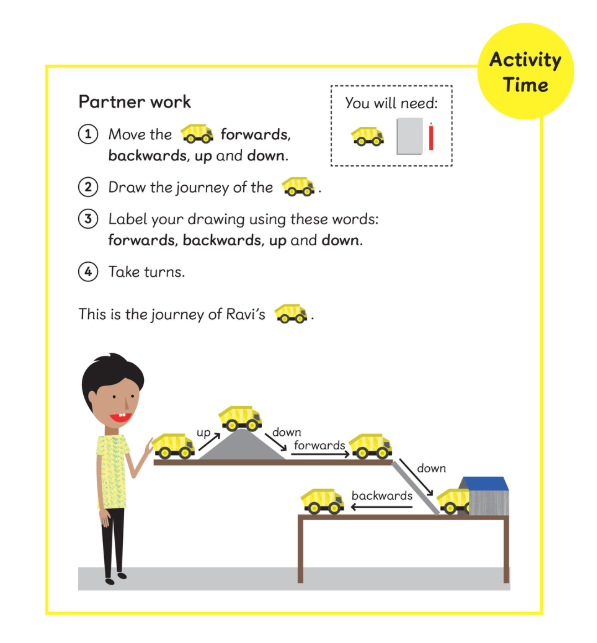
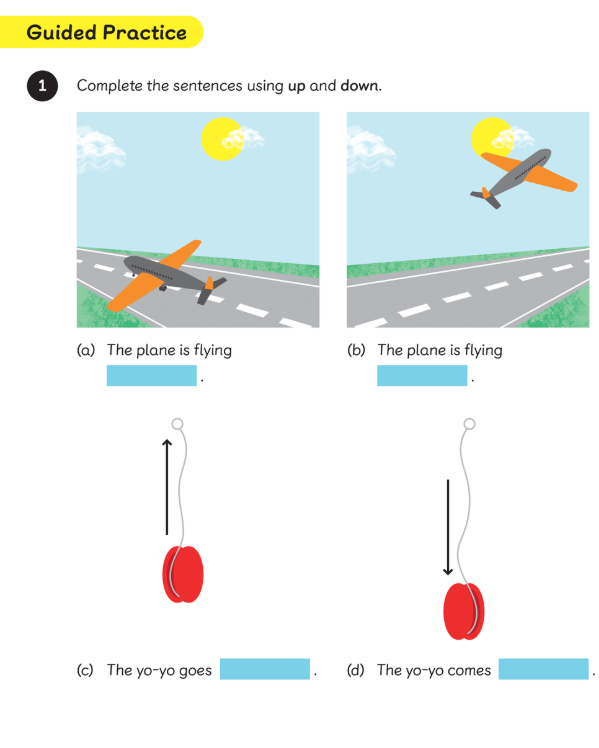
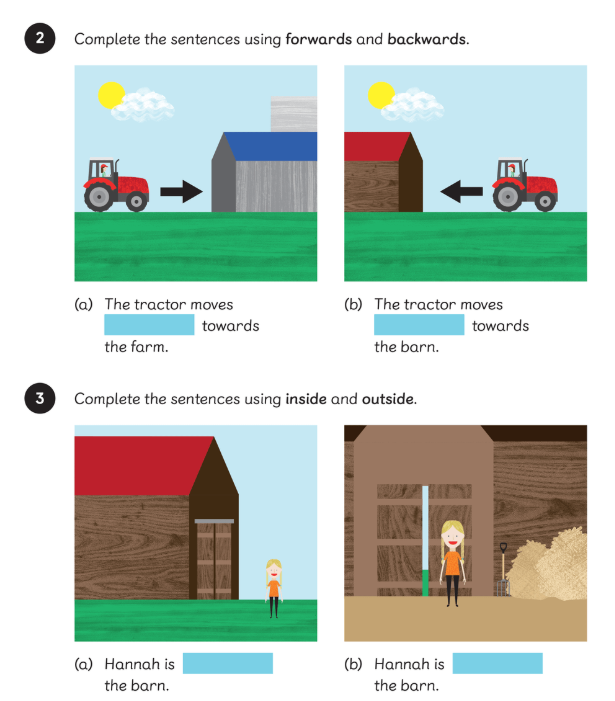
LC: To be able to describe translations accurately.
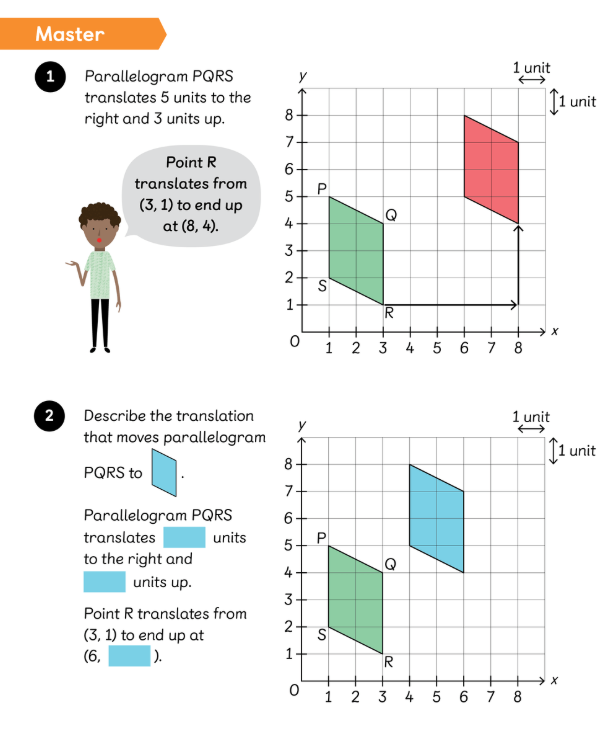
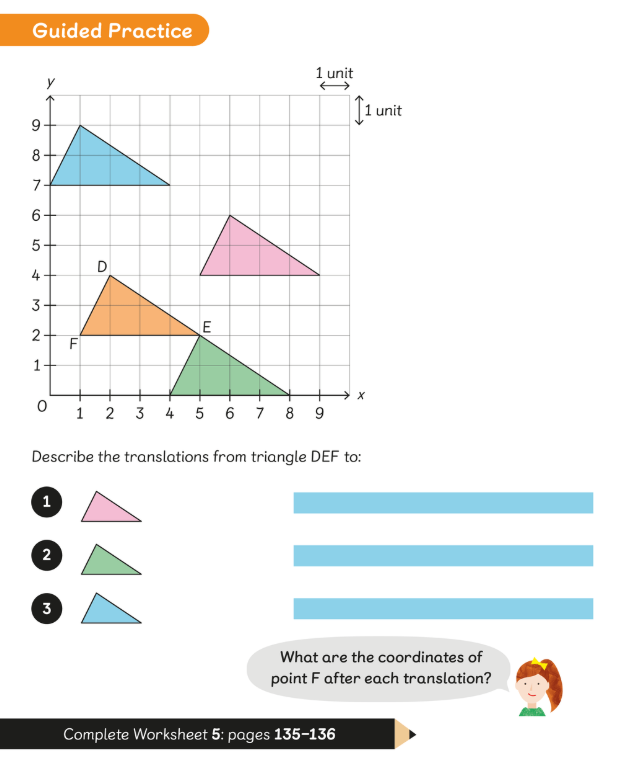
Adapted Group 2:
LC: Describing movements
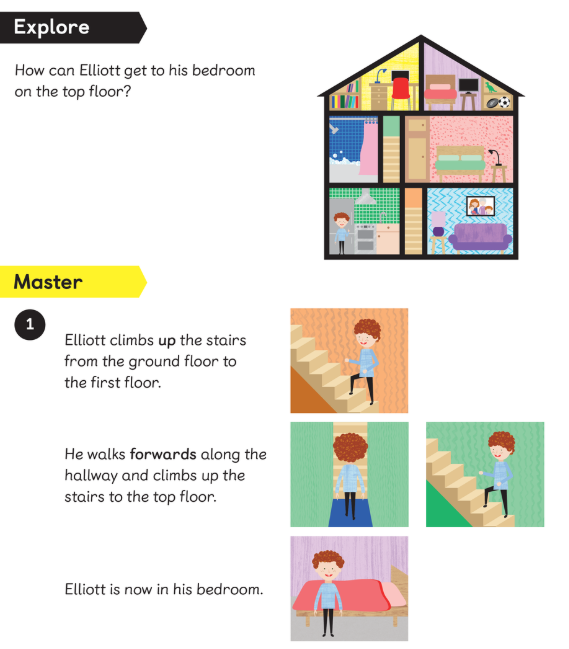
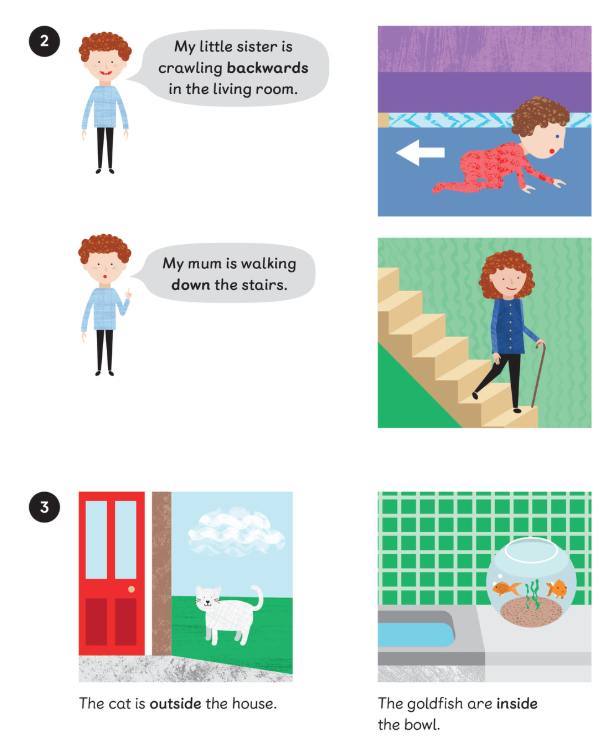
Review
Quick Write
When I choose a word and say it, write it your journal as many times as you can in one minute.
biography grapheme
multicoloured multitask
medicine medication
triangle tricycle
octagon October
prepare predict
attract subtract
What is the meaning of the root in each set of words?
graph = to write
multi = much or many
medic = physician or healer
tri = three
oct = eight
pre = before
tract = drawn or pulled
Learning
|
Focus: Explore, collect and spell word families with the root: cent. cent Shared read the sentences below with me. All contain words with the root cent. Only 50 percent of the class completed the experiment. In history, we are learning about famous women who lived in the last century. In countries that have the Euro as their currency, 100 cents equals one Euro.
|

Discoveries That Changed the World
How creative thinking and discovery can improve people’s lives.
Ask:
- What inventions could you not live without?
- Who invented them?
Explain that many world-changing discoveries started with a simple question or observation.
Main Story
Share examples of famous discoveries:
- Isaac Newton: "English mathematician and physicist" is said to have wondered why an apple fell from a tree, leading him to think deeply about gravity.
- "Alexander Fleming: "Scottish physician and scientist" discovered penicillin after noticing mould killing bacteria in a laboratory dish.
- "Marie Curie:"Polish and French physicist and chemist" made groundbreaking discoveries about radioactivity through years of careful scientific work.
Discuss:
- What do these people have in common?
- Why are curiosity and observation important?
Activity
Ask pupils to turn to a partner and share one thing they would like to invent to make the world better.
Key Message
Small observations can lead to big changes.
Reflection
“Think quietly about the world around you. Is there a problem you would like to solve? A way to help others? Every great discovery started with someone noticing something and asking questions.”
Prayer (optional)
“Help us use our ideas and talents to make life kinder, safer, and better for others.