Tuesday 17th March 2026
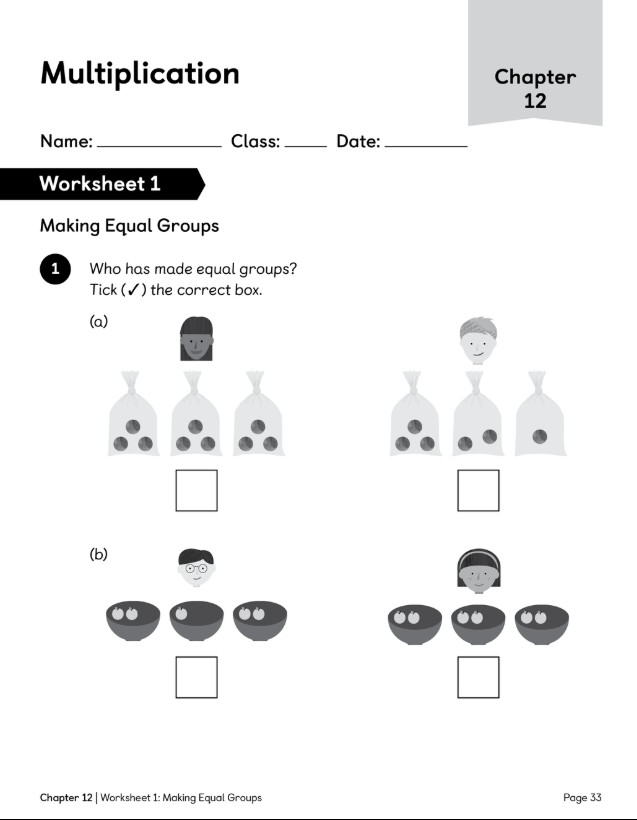
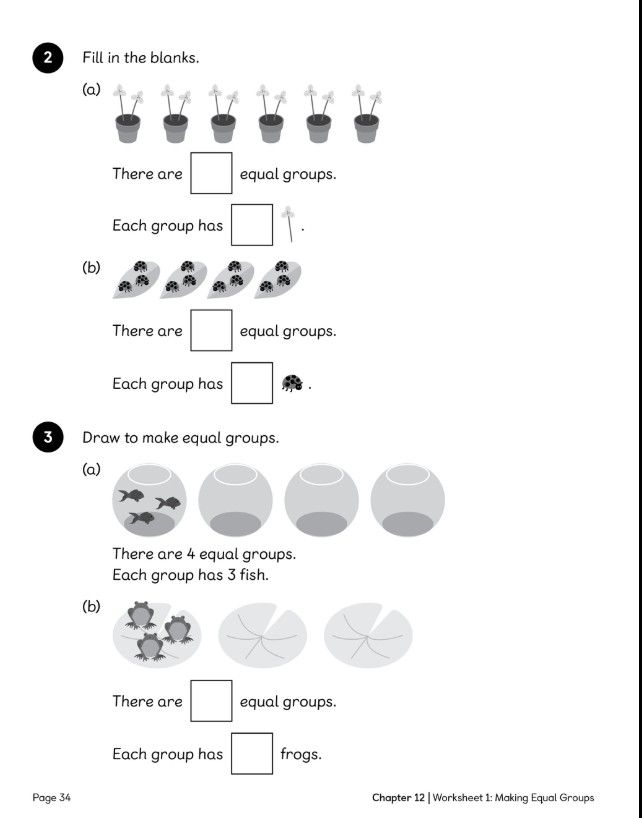
How quickly can you complete these mulplication calculations?
Tuesday 17th March 2026
LC: To observe and record different types of clouds.
Earth Science for Kids: Weather - Clouds
In your books, write about the different cloud types and what they tell us about the weather.
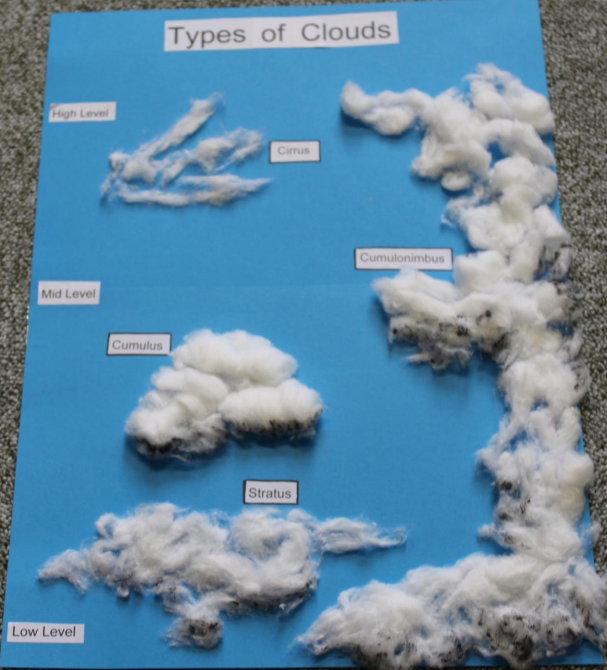
Working in pairs, m ake your own cloud picture to demonstrate what the different types of clouds look like.
1. Cirrus Clouds
Appearance: Thin, wispy, feathery clouds high in the sky.
Height: High clouds (above 6 km).
Weather clue: Usually means fair weather, but can signal a change coming.
2. Cumulus Clouds
Appearance: Fluffy, white, cotton-like clouds with flat bottoms.
Height: Low to middle clouds (up to 2 km).
Weather clue: Nice weather if small, but can grow into big storm clouds.
3. Stratus Clouds
Appearance: Grey, blanket-like clouds covering the sky.
Height: Low clouds (below 2 km).
Weather clue: Can bring drizzle or light rain.
4. Nimbus Clouds
Appearance: Dark, thick clouds.
Height: Can be low or middle.
Weather clue: Bring heavy rain or storms.
5. Special Types / Combinations
Cumulonimbus clouds: Towering clouds, often with thunder and lightning.
Altostratus / Altocumulus: Mid-level clouds that are usually grey or white, can indicate rain.
Tip for kids: You can remember cloud types with this simple trick:
Year 4 Weather Worksheet: Types of Clouds
Part A: Match the Clouds Draw a line to match the cloud type with its picture/description.
Cloud Type
Description / Picture
1. Cirrus
a) Fluffy, white, cotton-like clouds with flat bottoms
2. Cumulus
b) Grey, blanket-like clouds that cover the sky
3. Stratus
c) Thin, wispy, feathery clouds high in the sky
4. Nimbus
d) Dark, thick clouds bringing heavy rain
5. Cumulonimbus
e) Towering clouds often with thunder and lightning
Part B: Fill in the Blanks
________ clouds are thin and wispy and float high in the sky.
________ clouds look like cotton puffs and usually mean nice weather.
________ clouds cover the sky like a grey blanket.
________ clouds are dark and bring heavy rain.
________ clouds are tall and can cause thunderstorms.
True or False
Cirrus clouds bring heavy rain. (True / False)
Cumulus clouds look like cotton balls. (True / False)
Stratus clouds are high in the sky. (True / False)
Nimbus clouds are dark and can bring storms. (True / False)
Tuesday 17th March 2026
LC: To read and analyse non- fiction texts to create an explanation toolkit of language devices.
Grammar
Fronted adverbials for where:
Imitate
In the Arctic,
On top of the floating pieces of ice,
In the middle of the ocean,
Innovate
Task using the fronted adverbials above have a go at writing some sentences:
(into real life/everyday context)
In the Arctic,
On top of the floating pieces of ice,
In the middle of the ocean,
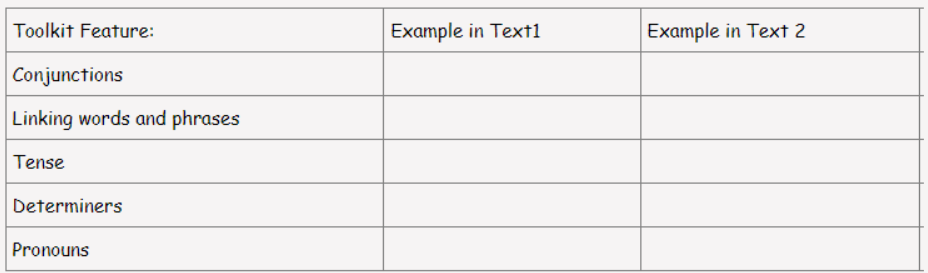
Explanation Toolkit:
Conjunctions
Linking words and phrases
Tense
Determiners
Pronouns
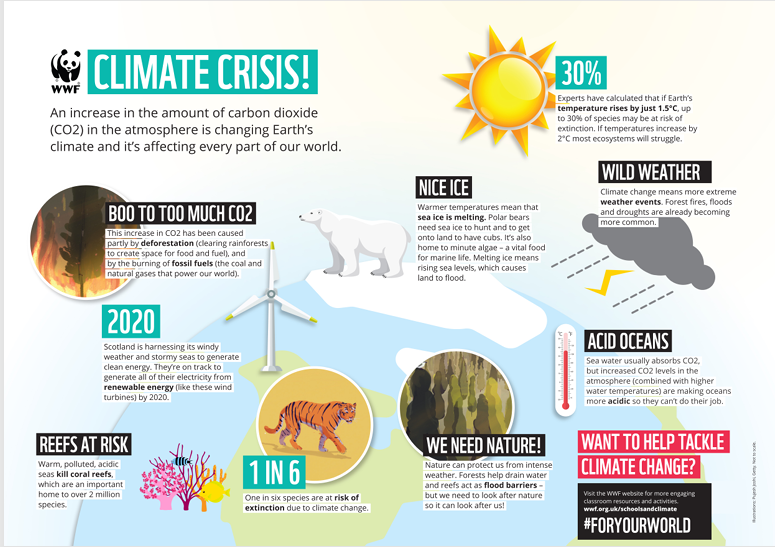
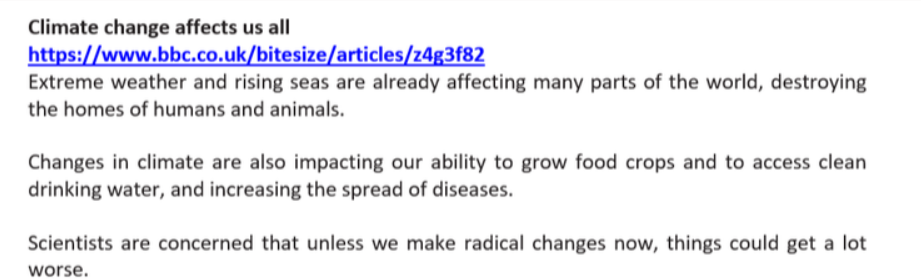
Task: Read the texts provided and test your toolkit using the table to record your answers in your English books.
Adapted:
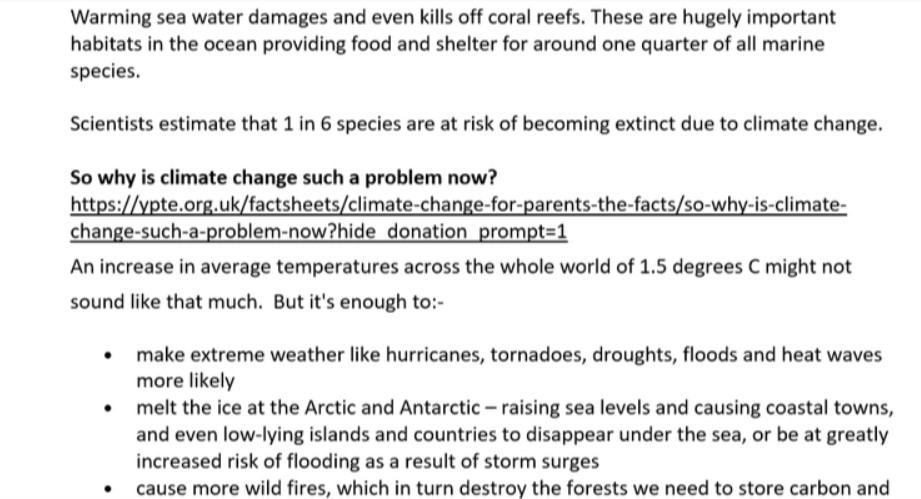
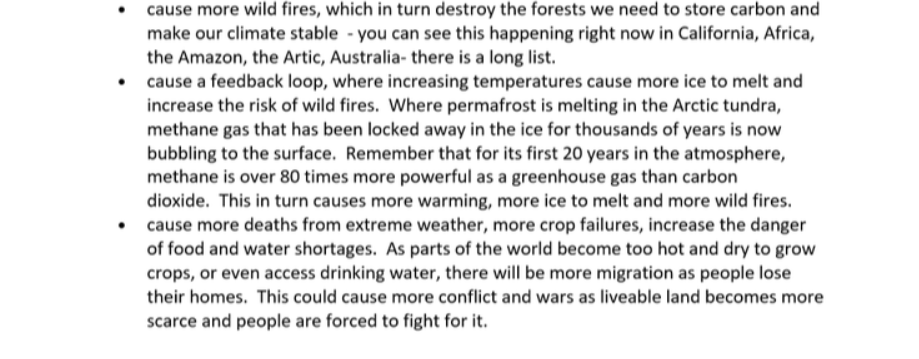
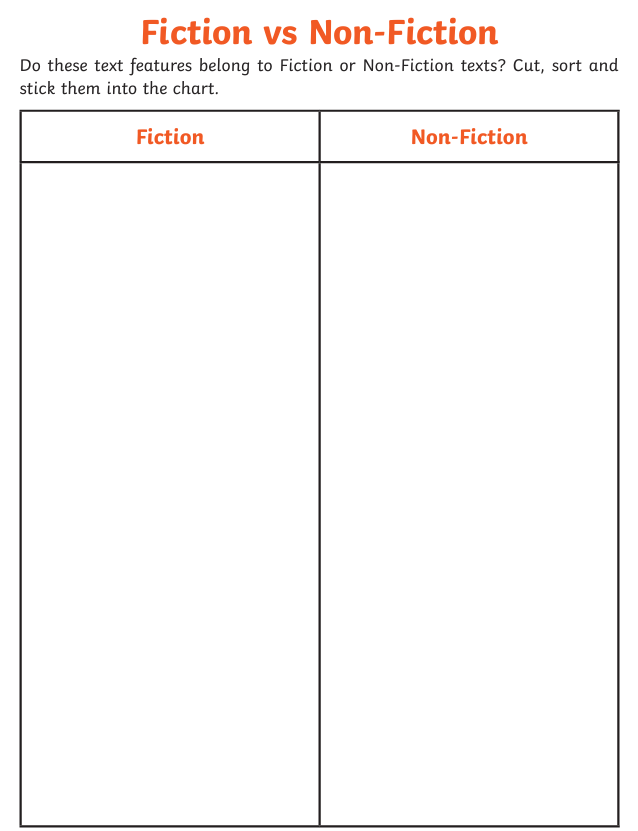
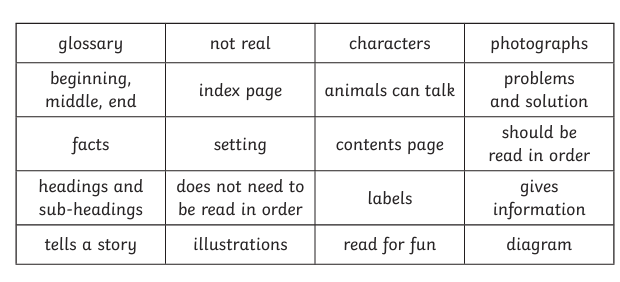
LC: to know the different between non fiction and fiction texts.
17.03.26
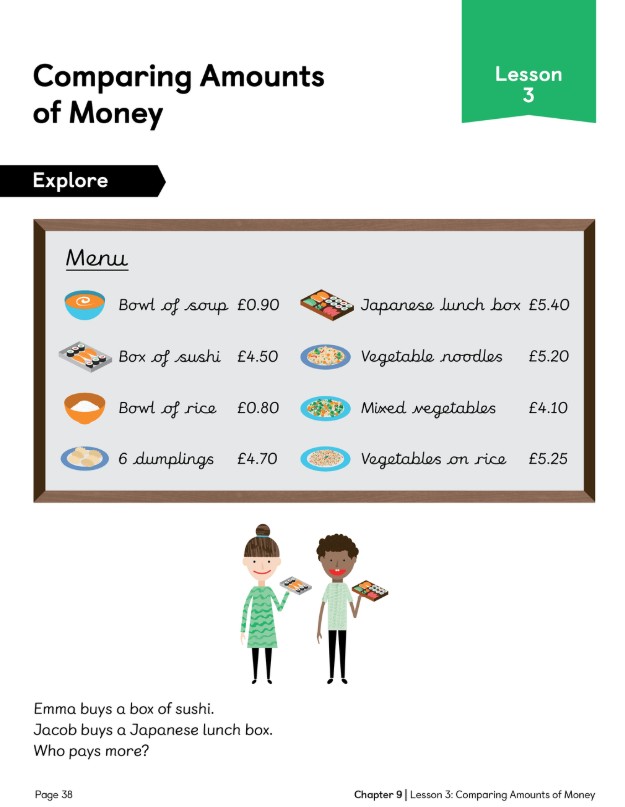
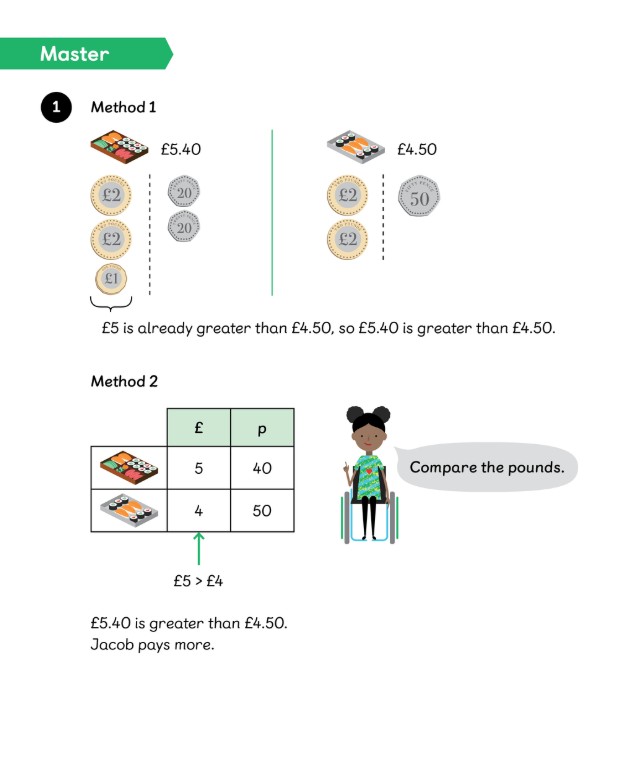
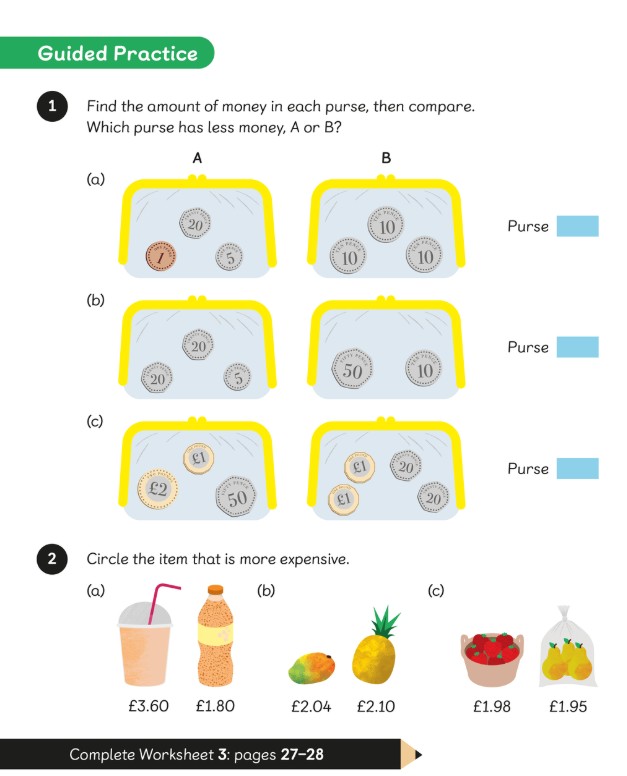
LC: Compare amounts of money
Adapted
Tuesday 17th March 2026
LC: To make your own dairy product and observe different materials changing state.
farming stemterprise year 4 stage 7 1 .pdf
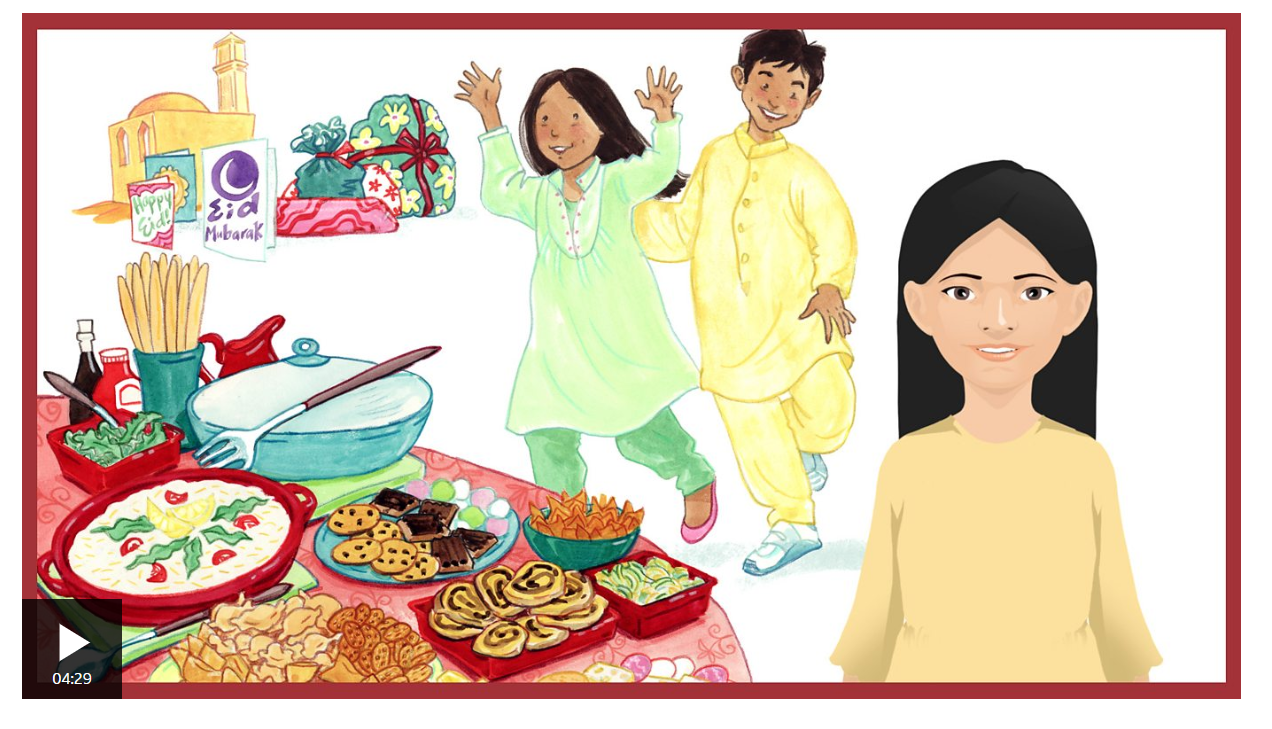
The Muslim festival of Eid is celebrated at the end of Ramadan - the month of fasting. Eid is celebrated on the first day of the 10th month of the Islamic calendar. In 2026 Ramadan will begin on the evening of 17 February and Eid will follow on Thursday, 19 March (exact date dependent on when the new moon is visible). Eid is celebrated with special food and gifts and cards.
Whole class discussion: How do you celebrate Eid or any other special festivals?
What is one thing you will take away from Ramadhan?