



Thursday
To be able to add two different numbers within 10.
Vocabulary that means the same as add:
- plus
- addition
- parts
- whole
- sum
- more
- altogether
- total
Starter
Show two groups of counters:
🔵🔵🔵
🔴🔴🔴🔴
Ask:
- What can you see?
- How many blue counters are there?
- How many red counters are there?
- How many are there altogether?

Can counters be used to represent the buckets?
What might a number sentence look like to show this?
Can we use a part-part-whole diagram?
Let's learn:

Guided Practice
Use objects and part-part-whole models to solve these together:
- What is 3 more than 4?
- I need 7 books but only have 4. How many more do I need?
- How many more than 3 is 7?
- I have 3 red balls and 4 blue balls. How many balls do I have altogether?
- What is the total of 3 and 4?
- If 7 is the whole and 3 is one part, what is the other part?
Encourage children to:
- Use counters.
- Build the calculation.
- Draw a part-part-whole model.
- Write the number sentence.
Main Activity (Outdoor Learning)
Hoop Part-Part-Whole Challenge
Give each group 3 hoops arranged as a part-part-whole model.
Children collect natural objects from the outdoor area (leaves, sticks, stones).
Example:
- Part = 5 leaves
- Part = 2 sticks
Children place the objects into the hoops and:
- Count each part.
- Find the whole.
- Write the number sentence on a whiteboard.
5 + 2 = 7
Challenge: Can you make a different calculation that has the same whole?
Independent Task
Complete addition questions using:
- Counters
- Tens frames
- Part-part-whole models
Examples:
- 2 + 5 =
- 4 + 3 =
- 6 + 2 =
- 1 + 7 =
- 5 + 4 =
Grammar
To use capital letters
Can you sort the sentences on your table into capital letters and no capital letters.
Orally plan and rehearse ideas for an innovated story
Today we are going to practise our new story.
We are going to create 2 stick puppets to help us retell our new story. Can you draw your new characters, cut them out and place them on sticks.
Can you read your story using your story map and puppets.

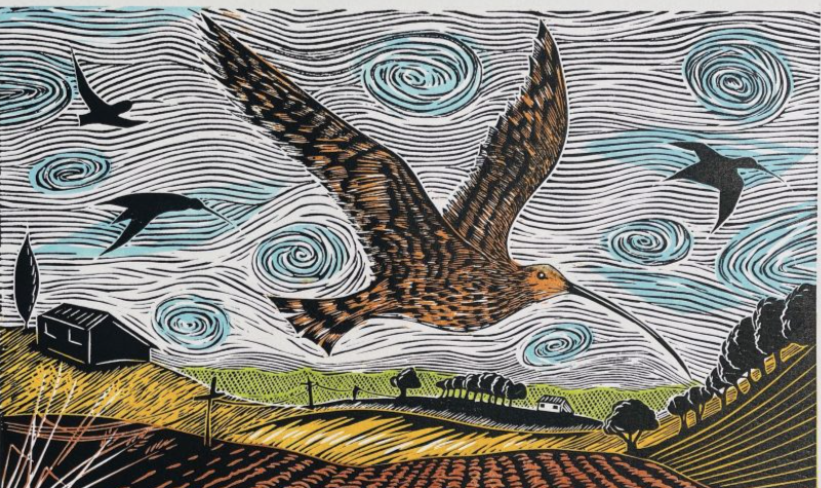
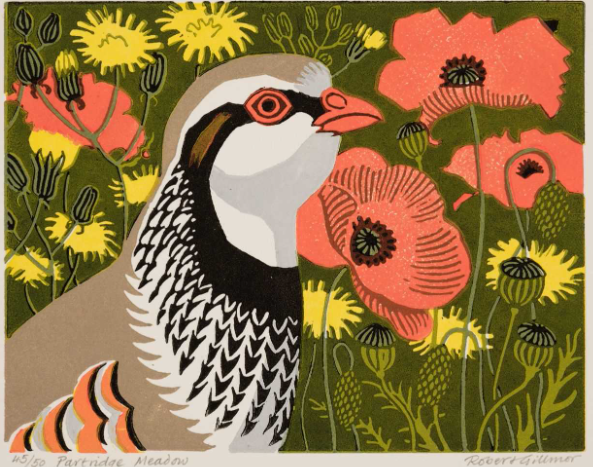
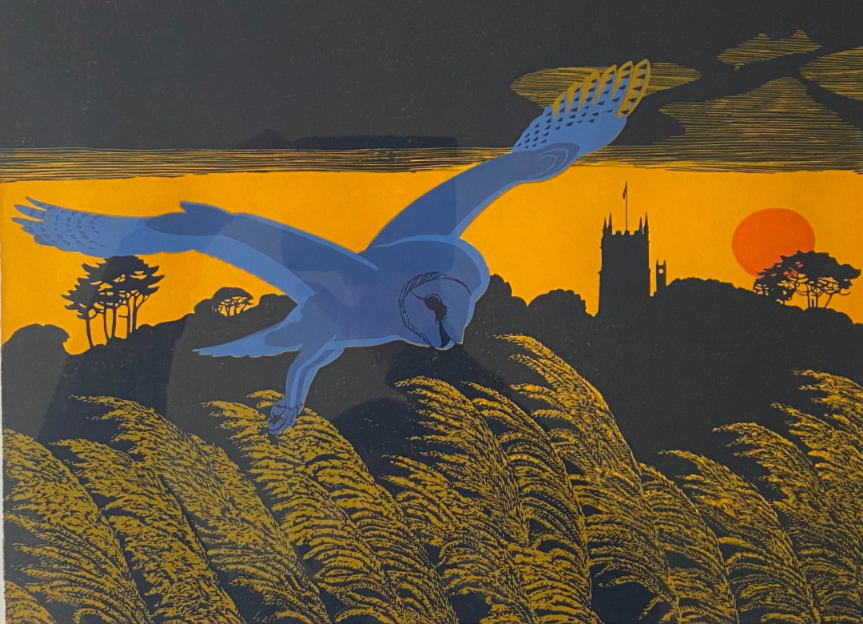
Discuss:
- What do you notice?
- What lines can you see?
- How has he made the feathers look different?
- Which textures can you spot?
Model creating:
- Thick lines
- Thin lines
- Curved lines
- Short strokes
- Repeated brush marks
Can we make an instrument to measure and record the weather?
“Why is it useful to measure the weather?”
Discuss the following
- 👕 To know what clothes to wear
- 🌧️ To know if it might rain
- 🏃 To help plan activities
- 📊 To see how the weather changes
- 🔎 To spot weather patterns
What types of weather they can think of to record?
How might measure temperature? wind? rain or cloud cover?

Work through the above- until making a rain gauge.
How to make a rain gauge, Twinkl shorts
Make one as a class and discuss a suitable place.