



Thursday
To be able to read and write all numbers to 10 in numerals and in words.
To be able to categorise and count objects only with the same name in a group.
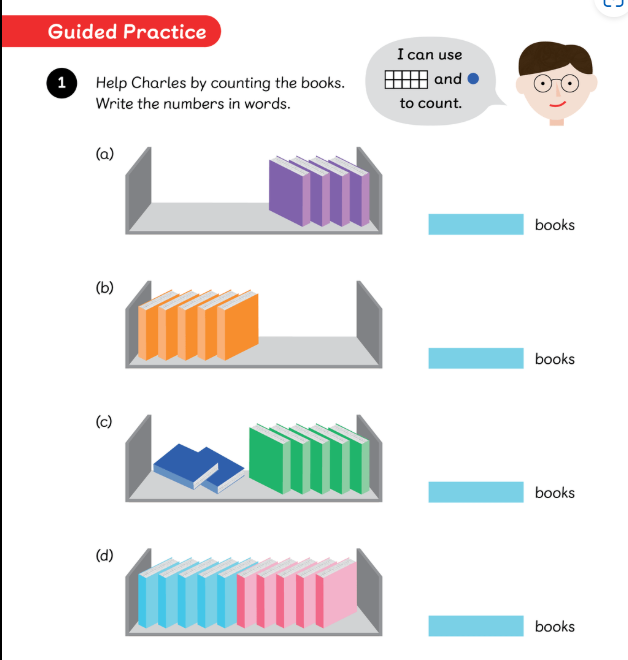
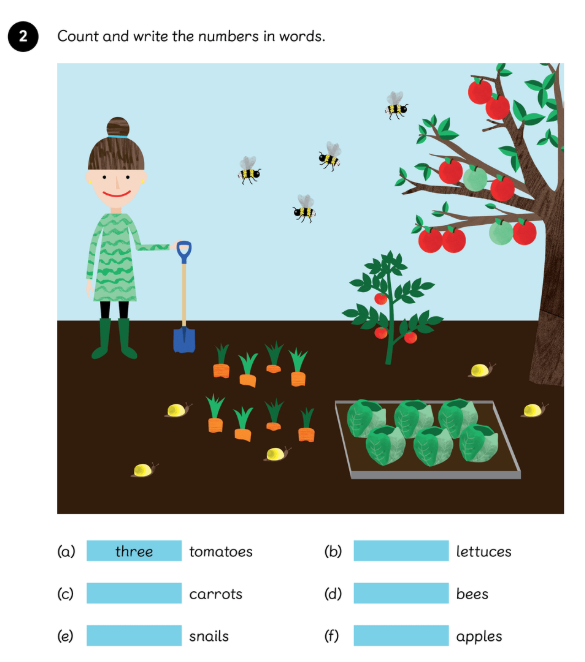
Lets use our phonics to write the amount of objects we can see in the picture!
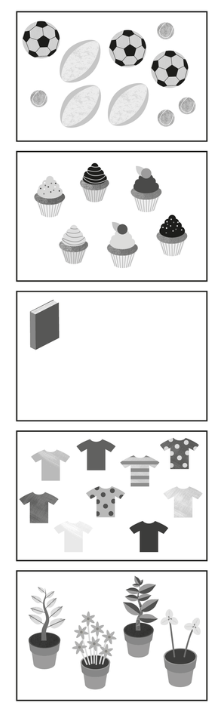
Lets watch this video to help us with our work!
Now it is your turn to complete pages 7-10 in your maths no problem books!
Remember to use your phonics fingers to help you with your spellings.
Talk about ideas to change a known poem.
We are going to take it in turns to say the poem using your favourite rhyming words from yesterday.
You can just change the ending words like this:
Hickory Dickory hat
The mouse ran up the cat
Or you can change more words to make sense like this:
Hickory Dickory hat
The mouse was scared of the cat
Draw a story map of the poem you have chosen.
Now let's finish the poem the way we started:
Hickory Dickory .......
The mouse .........
The .............................................
Hickory Dickory
Model write the poem.
Adaptive Teaching-orally practice and film the poem.
Can we describe the types of weather that occur in the UK?
This half term in geography we are looking at weather.
Today we are looking at weather where we live, in the United Kingdom.
Talk partners.
What do you know about the weather already?
What is the weather like in the UK where we live?
 Play this game as a class

Can you write a list of different types of weather in your geography book.
Log onto Seesaw and complete the activities.

Can we identify shapes and patterns in the environment around us?
Starter
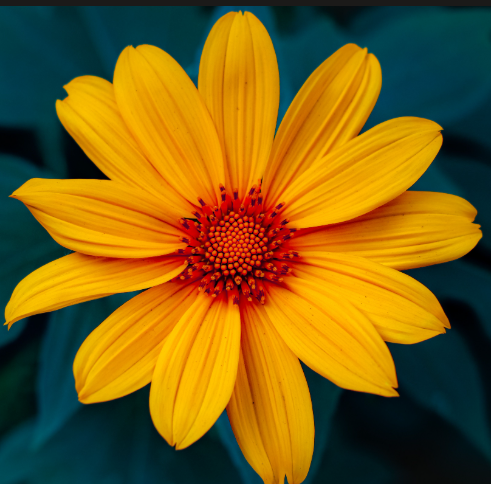
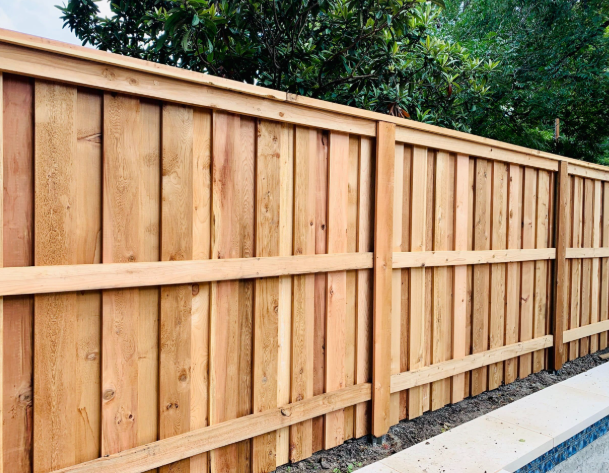
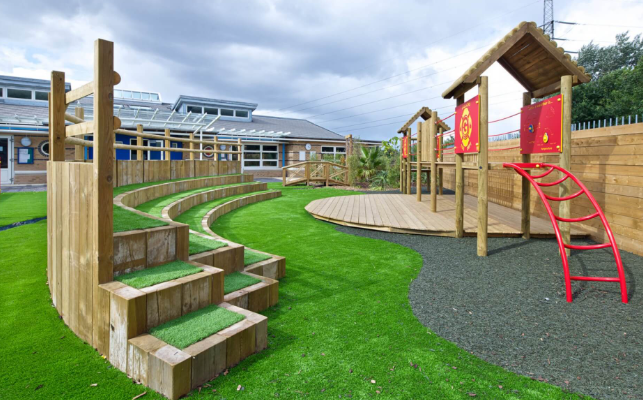
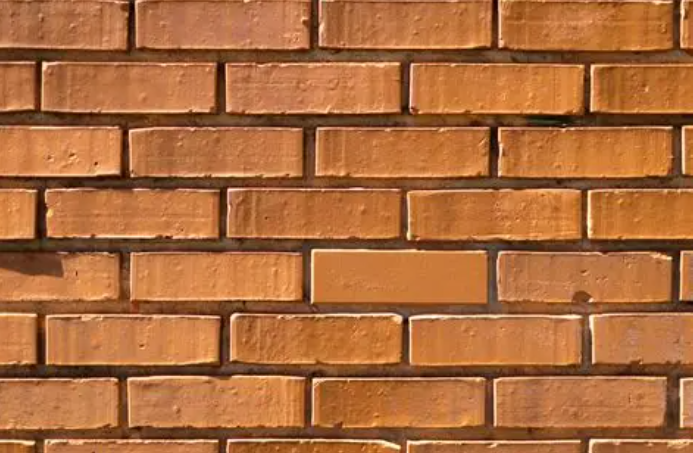
Ask:
- What shapes can you see?
- Can you see a pattern?
- Where else might we find shapes and patterns?
Explain that artists often look carefully at the world around them for inspiration.
Main Activity
Outdoor Shape and Pattern Hunt
Tell the children they are going to be Art Detectives.
Working in pairs with an iPad, children go outside to explore the school environment and take photographs of:
- Interesting shapes
- Repeating patterns
- Natural patterns (leaves, flowers, tree bark)
- Man-made patterns (bricks, fences, windows, playground markings)
Encourage children to look closely and fill the screen with their chosen shape or pattern before taking the photograph.
Teacher Questions
- What shapes can you see?
- What makes this a pattern?
- Is this pattern found in nature or made by people?
- Which photograph is your favourite and why?
Plenary
Look through a selection of the children's photographs on the board.
Discuss:
- What shapes did we find?
- What patterns did we notice?
- Which patterns were found in nature?
- Which patterns were made by people?
Create a simple class gallery of the images.
Vocabulary
- Shape
- Pattern
- Repeat
- Natural
- Man-made
- Photograph
- Observe