



Wednesday

Wednesday 18th March
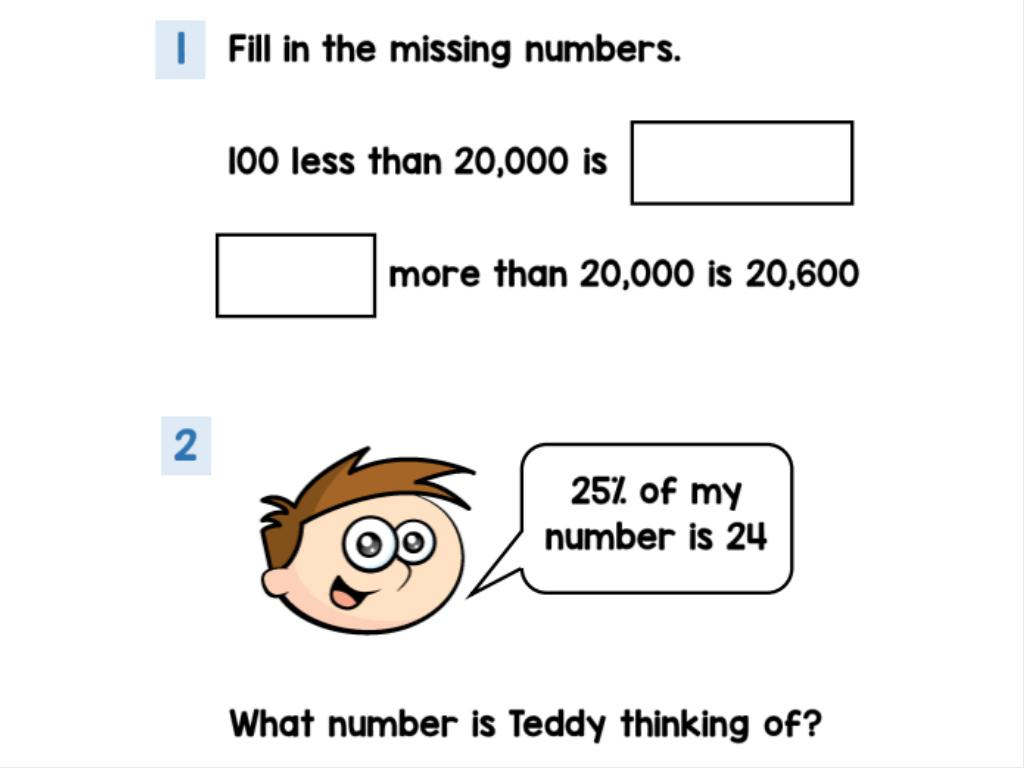
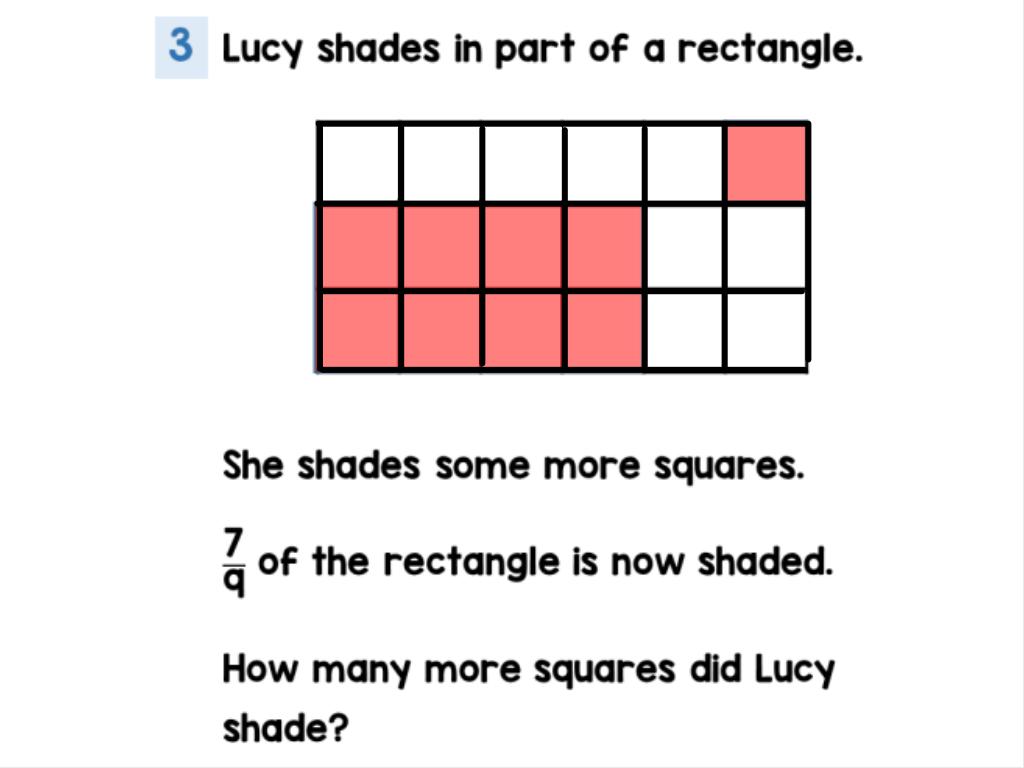
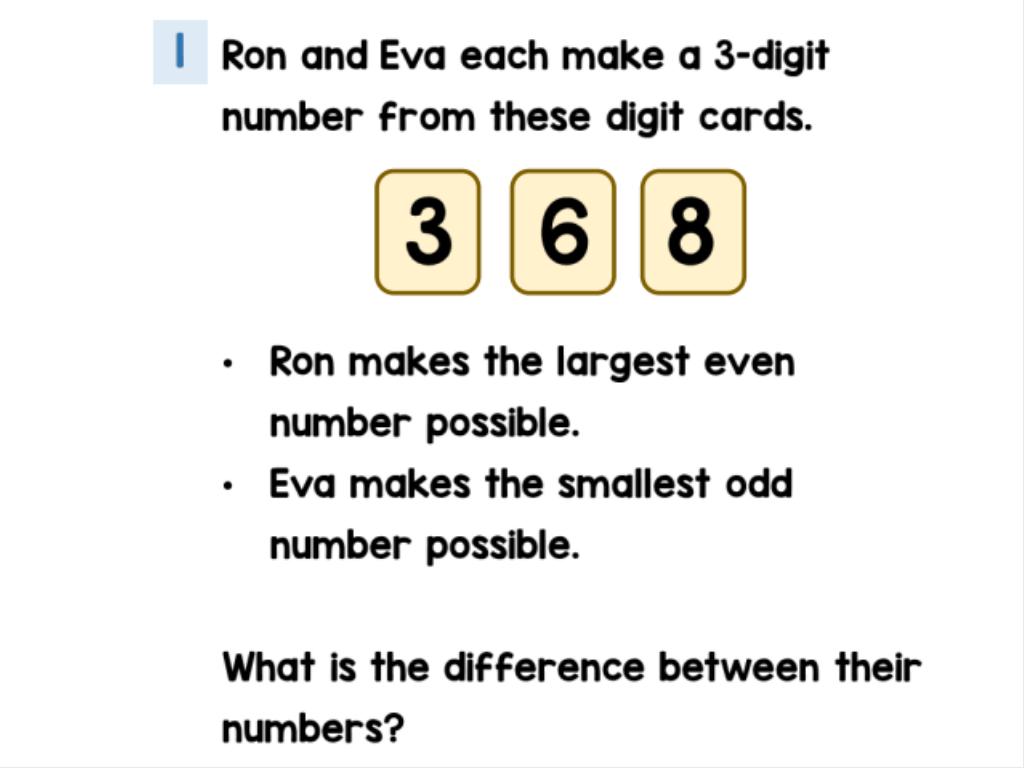
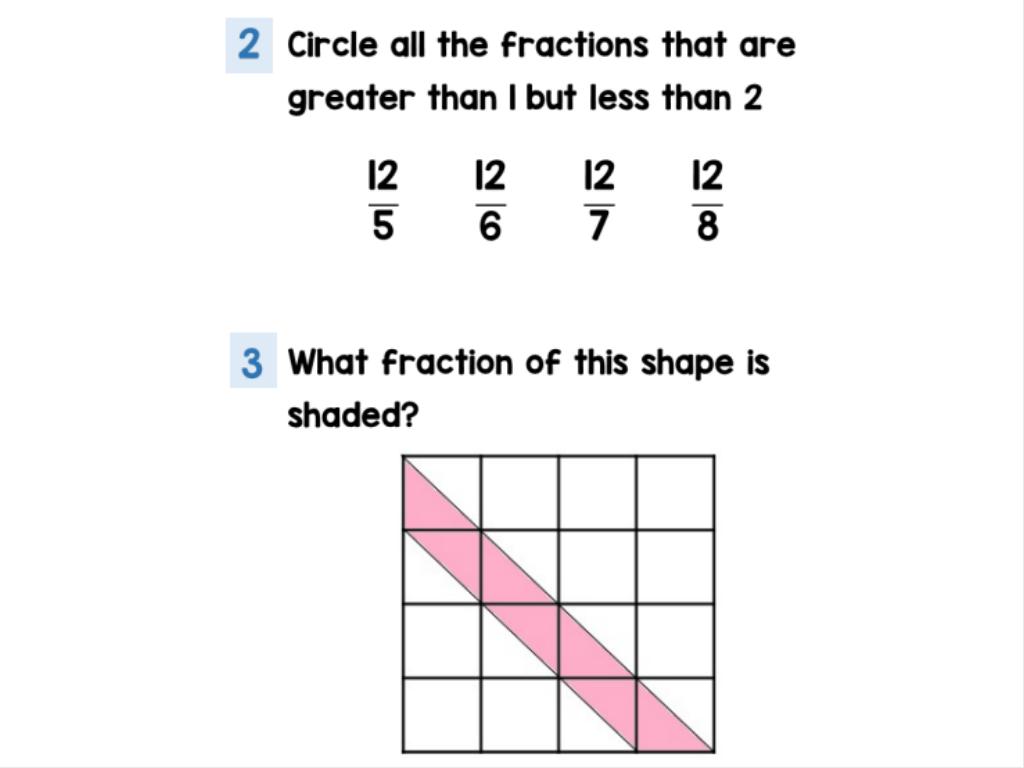
Total Marks: 50
Read each text carefully before answering the questions.
Text 1 – The Lighthouse Path
Mia paused for a moment and looked along the narrow path that led toward Blackstone Lighthouse. The path twisted along the edge of the cliff, sometimes disappearing behind clumps of grass or broken stone. In the fading light, it looked darker and steeper than she remembered.
Usually, the walk to the lighthouse was peaceful. On warm days, the sea sparkled and seabirds circled lazily overhead, calling to one another across the water. Mia had often walked the path during the summer holidays when she visited her grandfather. They would sit together outside the lighthouse and watch ships passing slowly along the horizon.
Today felt completely different.
Thick clouds had spread across the sky, turning the afternoon into a gloomy grey evening. The air smelled strongly of salt and rain. Every few seconds, a powerful gust of wind pushed against Mia’s coat and rattled the long grass beside the path.
Her grandfather had worked at Blackstone Lighthouse for nearly thirty years. During the winter months, when storms made the sea dangerous, he stayed there for weeks at a time to make sure the light never failed. Ships relied on that beam to guide them safely along the rocky coastline.
Earlier that morning, Mia’s mother had received a short message: the lighthouse radio had stopped working. Engineers were planning to repair it the next day, but Mia’s grandfather needed to know they were coming. Mia had volunteered to deliver the message.
She stepped carefully along the muddy path, placing each foot slowly so that she would not slip. The wind whistled loudly past her ears.
Suddenly, a sharp cracking sound echoed across the cliffs.
Mia stopped instantly.
A large branch from a nearby tree had snapped in the wind and fallen directly across the path ahead of her. For a moment, Mia wondered whether she should turn back. The storm seemed to be growing stronger, and the sky was darkening quickly.
Then she looked out across the restless sea.
Through the rain and mist, a pale beam of light swept slowly across the water.
The lighthouse was still shining.
Mia took a deep breath, climbed carefully over the fallen branch and continued along the path.
Questions for Text 1 (17 marks)1. Where is Mia going? (1)
2. Find and copy two words or phrases that describe the sea. (2)
3. What two things show the weather is getting worse? (2)
4. Why does Mia know the path well? (2)
5. What message is Mia delivering? (1)
6. Find and copy one word that shows the path was dangerous to walk on. (1)
7. Why does Mia step carefully along the path? (2)
8. What caused the cracking sound? (1)
9. Why does Mia think about turning back? (2)
10.What makes Mia decide to continue walking? (3)
Text 2 – A Journey to the Deep Ocean
That changed when scientists began building special underwater vehicles called submersibles. These strong machines are designed to travel thousands of metres below the ocean’s surface while protecting the people inside from enormous water pressure.
One famous deep-sea expedition took place in the Mariana Trench, the deepest known part of the world’s oceans. At its lowest point, the trench reaches nearly 11,000 metres below sea level. If Mount Everest were placed inside the trench, its peak would still lie more than a kilometre underwater.
As submersibles descend into the deep ocean, the environment changes dramatically. The temperature drops close to freezing and sunlight fades until there is complete darkness. To see anything at all, scientists must rely on powerful lights attached to their vehicles.
Despite these extreme conditions, life still exists in the deep sea. Strange and fascinating creatures have adapted to survive in this harsh environment. Some fish have enormous eyes to detect the smallest traces of light. Others produce their own light through a process known as bioluminescence.
Scientists believe that many deep-sea species have not yet been discovered. Each new expedition reveals unusual animals, strange rock formations and clues about how our planet works.
Exploring the deep ocean is difficult and expensive, but researchers continue to study it because it may hold important answers about Earth’s climate, geology and the origins of life itself.
Questions for Text 2 (16 marks)11. What is the text mainly about? (1)
12. What are underwater vehicles used by scientists called? (1)
13. How deep is the Mariana Trench at its lowest point? (1)
14. Find and copy one phrase that shows the deep ocean is very dark. (1)
15. Give two changes that happen as submersibles travel deeper into the ocean. (2)
16. Why do submersibles have powerful lights? (2)
17. Give two ways deep-sea animals survive in the darkness. (2)
18. Why do scientists continue exploring the deep ocean? (3)
19. What does the word expedition mean in this text? (3)
Text 3 – The Power of Wind Energy
Today, wind power is being used in a new way: to generate electricity.
Modern wind turbines are tall structures with long blades that rotate when the wind blows. As the blades spin, they turn a generator that produces electricity. This electricity can then be sent through power lines to homes, schools and businesses.
One of the biggest advantages of wind energy is that it is renewable. This means it will never run out, unlike fossil fuels such as coal, oil and natural gas. Wind energy also produces no air pollution while generating electricity.
Because of these benefits, many countries are building large wind farms. A wind farm is a group of turbines placed together in areas where wind is strong and reliable. Some wind farms are located on land, while others are built offshore in the sea.
However, wind energy is not without its challenges. Turbines must be placed in areas with consistent wind, which can limit where they are built. Some people also worry that large turbines may affect the appearance of the landscape or disturb wildlife.
Despite these concerns, wind power continues to grow around the world as countries search for cleaner ways to produce electricity.
Questions for Text 3 (17 marks)20. What is wind energy used to produce today? (1)
21. Find and copy one word that means turning around. (1)
22. What happens when turbine blades spin? (2)
23. Why is wind energy described as renewable? (2)
24. Give two examples of fossil fuels mentioned in the text. (2)
25. What is a wind farm? (2)
26. Where might wind farms be built? Give two places. (2)
27. Give two concerns people have about wind turbines. (2)
28. Why are many countries building more wind farms? (3)