

Friday 26th June
LC: to select show the appropriate grammar and vocabulary, understanding how such choices can enhance meaning
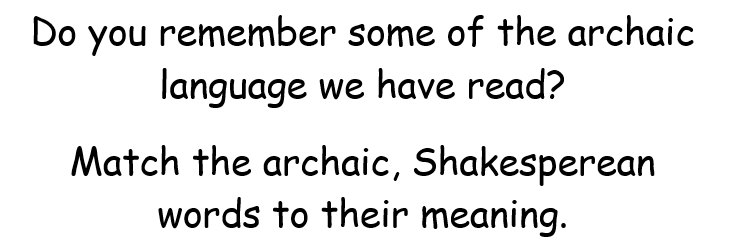
thee thy hasten whither hither shalt hath methought art
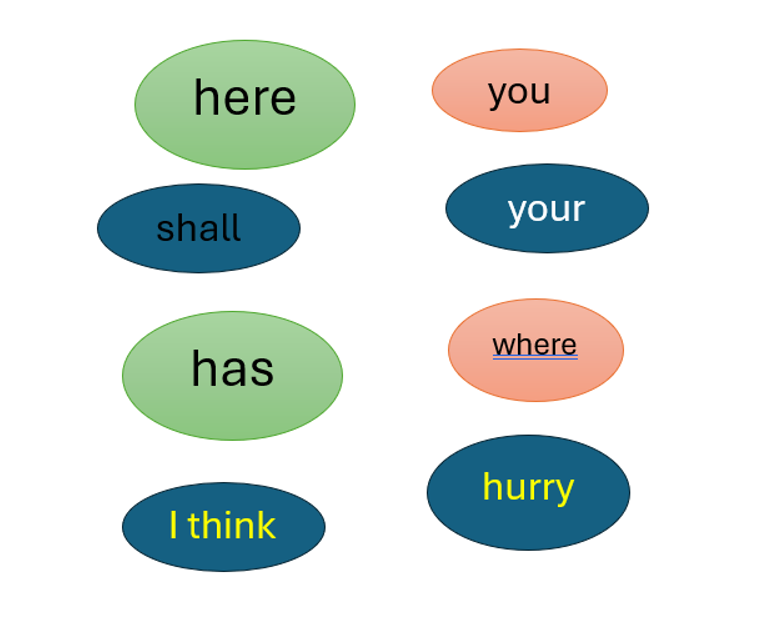
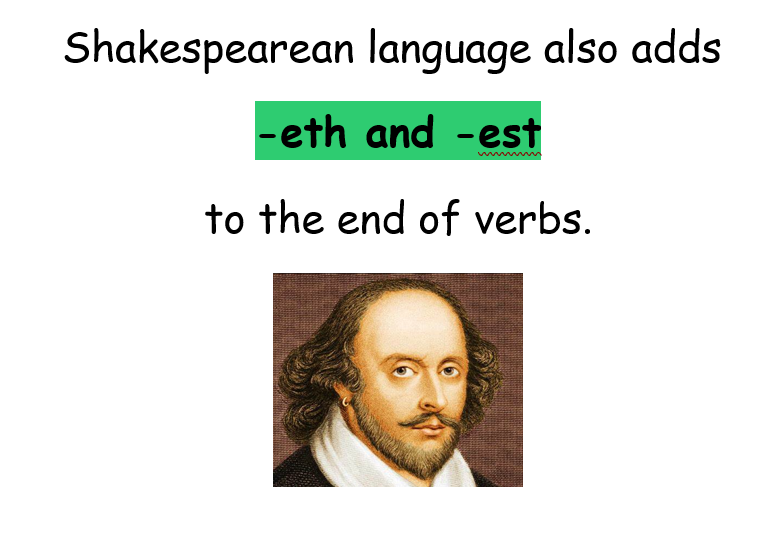
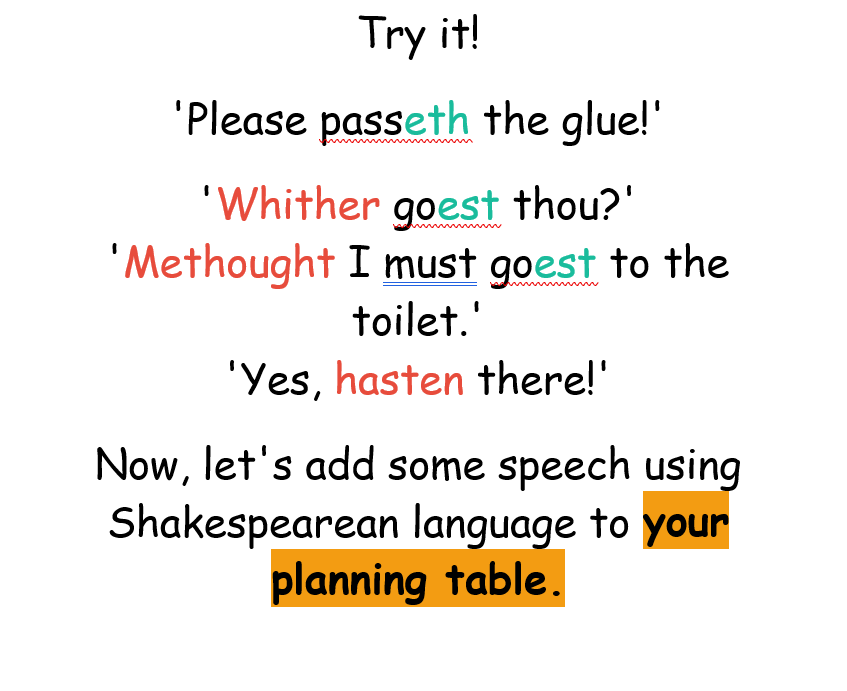
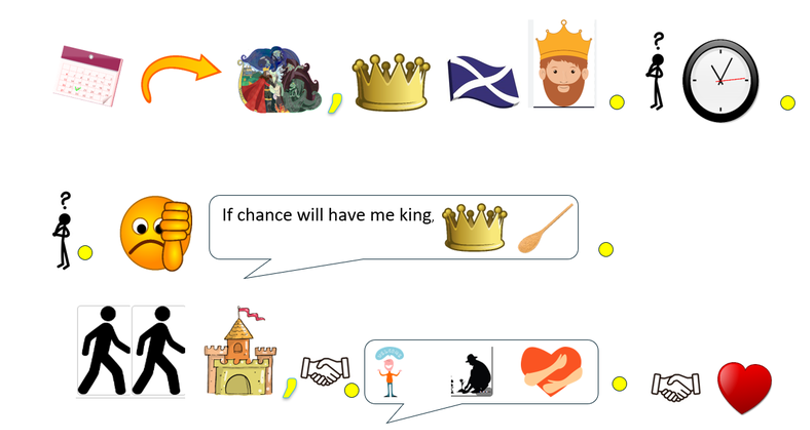
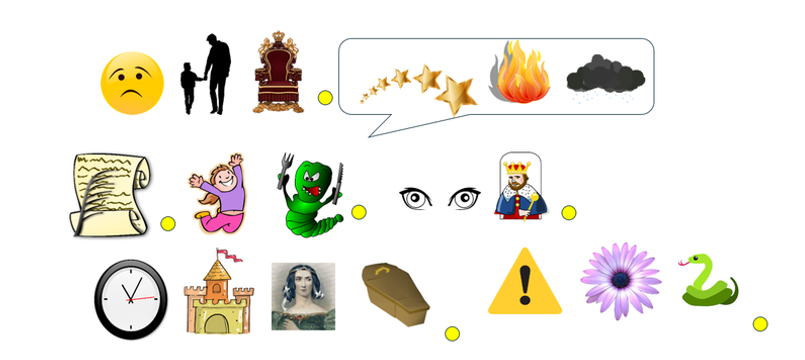
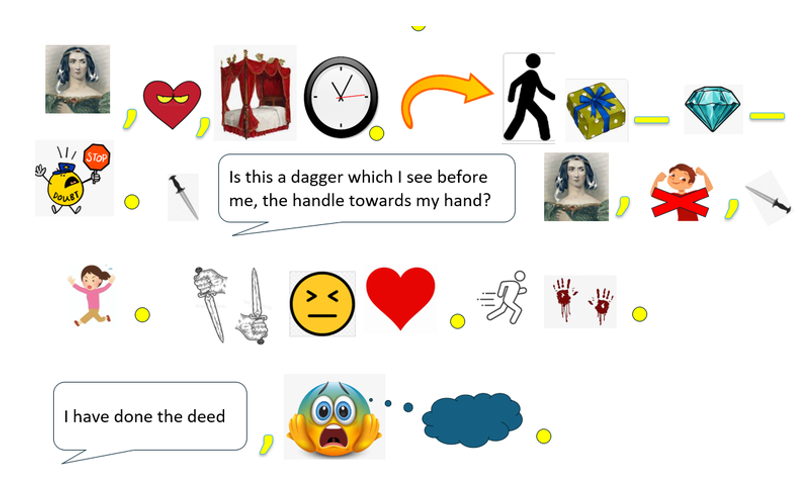
For example, your teacher's model is about Macbeth and Banquo meeting the witches so she might add ....
'Methought I saw something on the heath, Banquo,' the brave Thane of Glamis whispered to his loyal friend. 'Canst thou see it too?'
'Aye, my Lord' replied Banquo. 'Methinks they are not human!' Cautiously, their eyes adjusting to the dark shadows of the night, the brave pair inched towards the withered and wild creatures before them.'
'Seems they women, yet their beards surely shalt make them not,' breathed Banquo.
YOUR model write is about Macbeth seeking out the witches for the second time to ask their advice.
What kind of Shakesperian language could you add to your plot table?
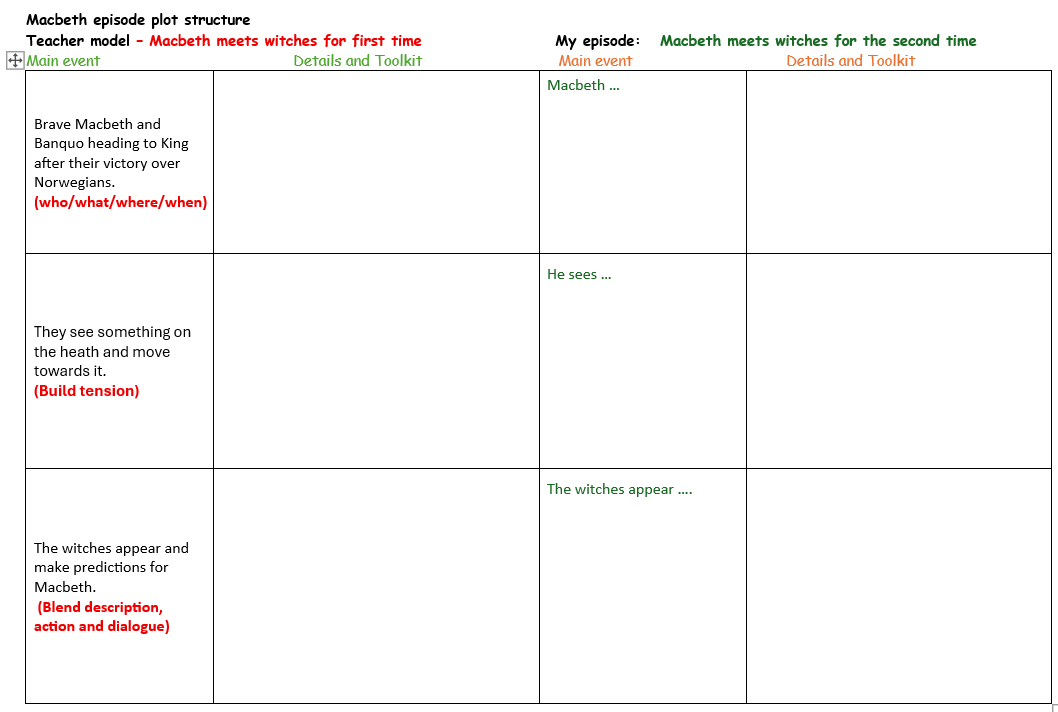
MACBETH VISITS WITCHES FOR SECOND TIME

LC: Revision
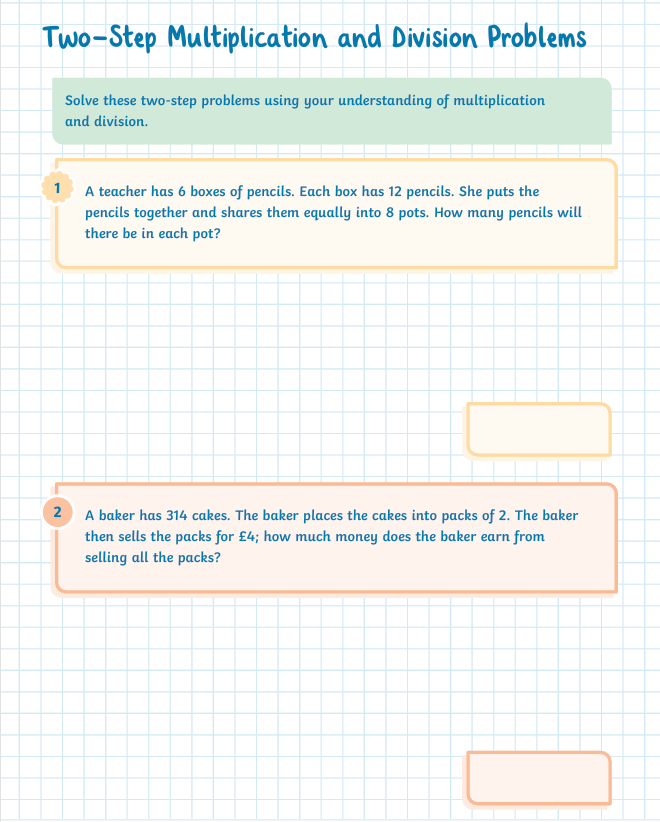
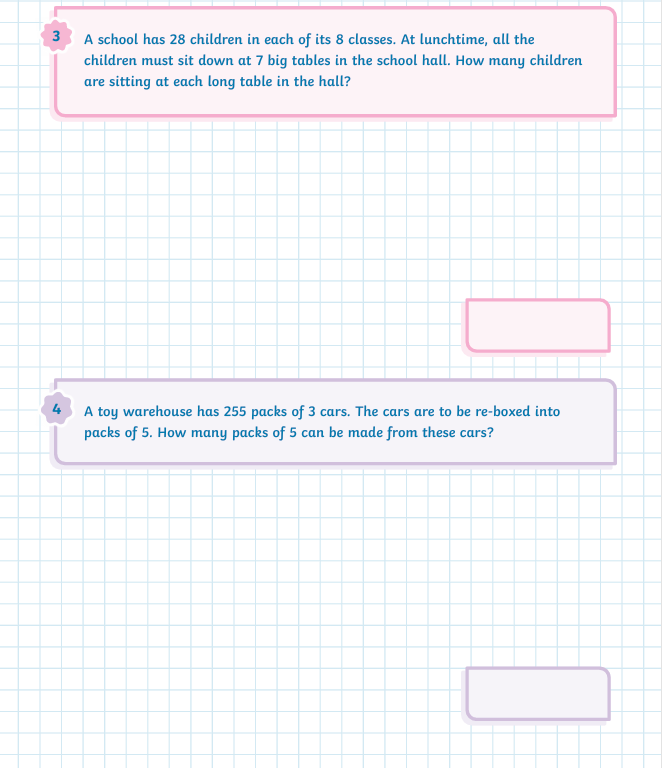
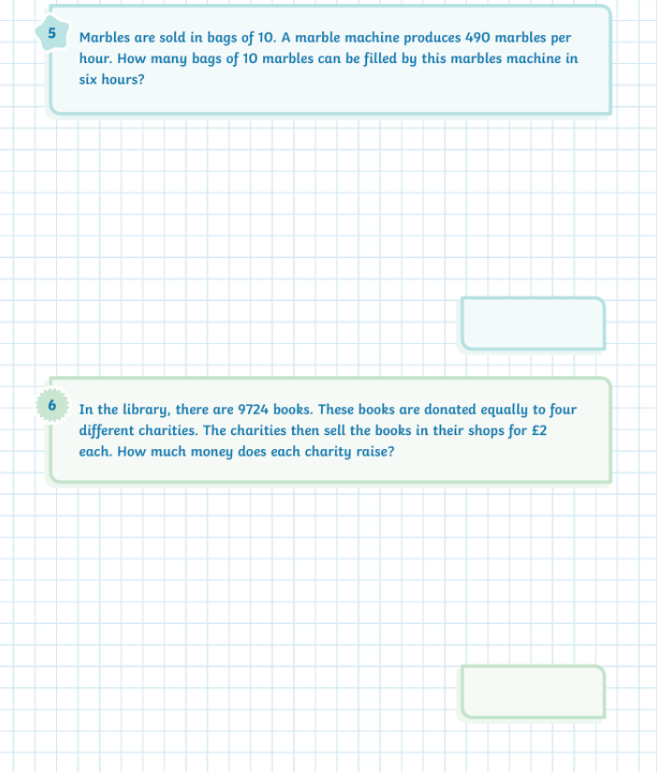
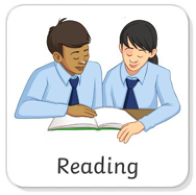
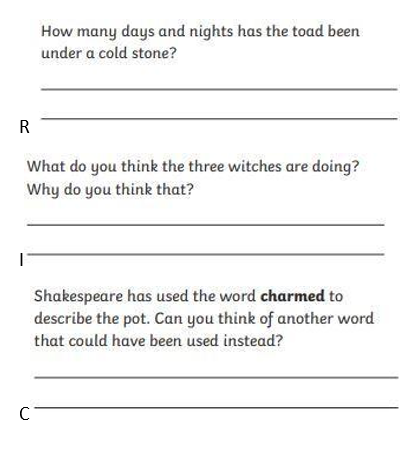
Complete the RIC.
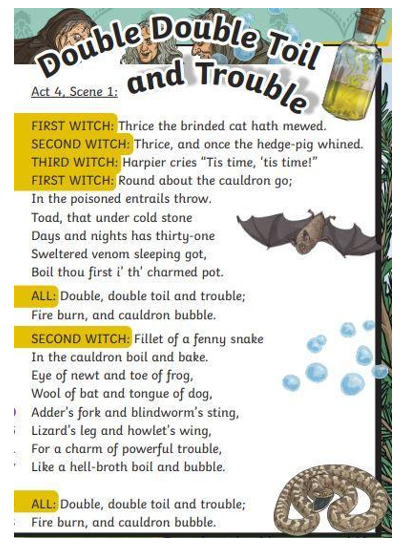
LC: to know how the author's choice of language affects the reader and builds tension
Today we are going to be identifying devices writers use to create tension.

Remember - Tension is something that writers use to create a problem in their stories.
Tension means feeling worry, fear, nerves or pressure.
You can also create tension between characters if they argue.
As you read the text again, think about
how the writer has shown the reader
that Alice was scared.
What did her body do?
Nothing moved. Cogston House was as silent as the grave. Perhaps the only thing worse than hearing her best friend desperately calling her name was being alone in this endless quiet. Alice’s eyes searched through the darkness, scouring the corridor which faded into more murky gloom. She could make out the hallway right in front of her, the door opposite, and beyond it, the enormous winding staircase. As she
looked, blinking through the tears which had begun to stream hopelessly down her face, she was met with a sight at the top of the staircase which all but turned her to stone... Something was moving.
Alice watched. Her heart was in her mouth and her breath came in sharp, rattling gasps.
Descending the stairs one careful, agonising, creaking step at a time, a hunched silhouette shuffled out from the darkness...
To build tension, descriptions should appeal to the reader’s senses.
Highlight the
- sights
- sounds
- feelings
Instead of writing ‘walked’, exciting synonyms are used to show the reader exactly how the man was moving.
1. Find and copy the words the writer uses to show the man moving.
2. Why is it scary?
The describing words in this extract are interesting and imaginative.
3. Find and copy two adjectives
4. Why do you think it is important to describe events in detail?
The author also uses imagery.
Imagery means any description which works to conjure up an image in the reader’s mind.
5. Find examples of imagery (similes and metaphors)
Onomatopoeia also helps to immerse the reader in the story.
Try saying these words and make them sound like the noise they describe –
rattling
creaking
shuffled.
Now let's complete our suspense and tension toolkit.


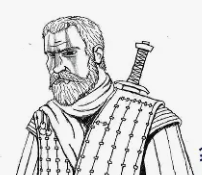
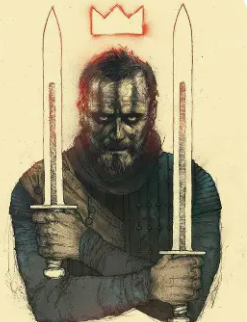
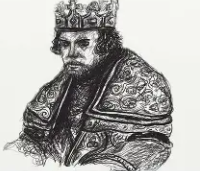
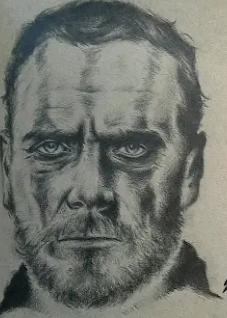
LC: Can we use shade and textural marks to draw images and scenes from Macbeth?
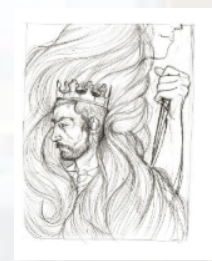
We will continue with our portraits of Macbeth.
You should now have
- eyebrows
- facial hair - beard and moustache
- hair
We are going to use Rembrandt's method of using light and darkness to highlight the important parts of a face.
Can you remember what this method was called?
When creating texture, you must:
- use the pencil very, very lightly on the page
- use light, short pencil marks that you can correct or draw over if wrong
- consider where the light is on the portrait
Portrait 1
Which part of her face is in shadow? Why?

Portrait 2
What about her? Which part has the most light? Why?
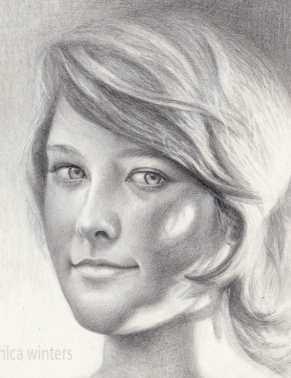
You can now continue to add texture and shading to your portrait to make it more three-dimensional.