



Tuesday 18th November

Grammar Warm Up
LC: to identify function of apostrophes for contractions
Read these sentences:
He didn't find his pen.
She can't come to the party.
They'll arrive later.
Circle the apostrophe.
1. What is the job of the apostrophe in each sentence?
a) to add interest?
b) to show an exclamation?
c) to show a letter is missing?
Apostrophes are used to show that a longer word has been contracted (shortened) and so a letter is missing.
He did not find his pen. (did + not = didn't the 'o' is missing and the apostrophe shows this)
She cannot come to the party. (can + not = can't the 'no' is missing and the apostrophe shows this)
They will arrive later. (they + will = they'll the 'wi' is missing and the apostrophe shows this)
LC: to justify responses to the text using the PE prompt (point + evidence)
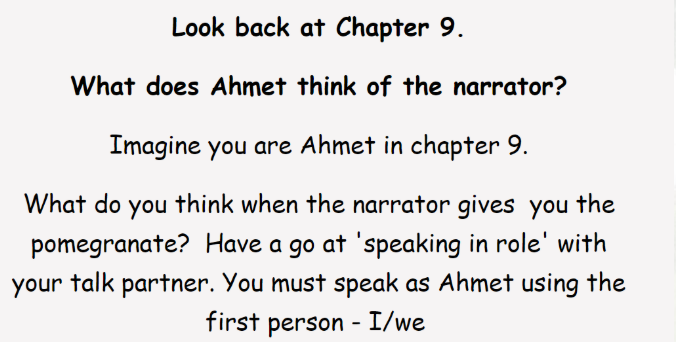
Begin:
I was in the playground when that winking girl came over to me holding ....
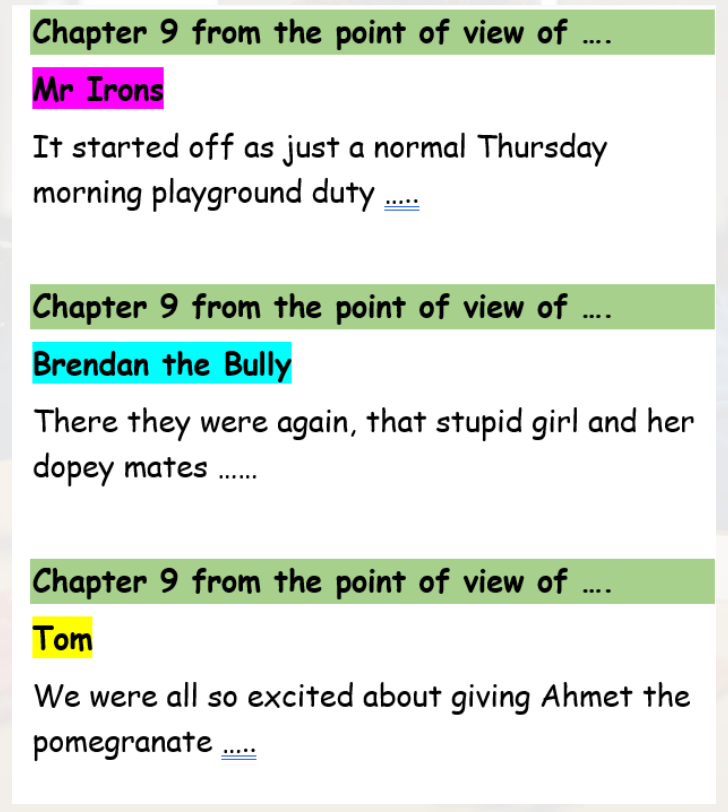
What would these characters say about the fight?
Try it out with your talk partner first then write
a first person recount of the events.
Look at your teacher's model for Mrs Sanders.
Chapter 9 from the point of view of Mrs Sanders.
I was just finishing a phone call with a parent when I heard shouting from the Year 5 playground. Still holding the phone in my hand, I moved over to the window and looked out to see Ahmet, the new boy in 5K, on top of Brendan Frazer, punching him again and again in his face as poor Brendan covered his eyes in fear.
'Er ... can I call you back, Mr Jones?' I spluttered and although he didn't sound very happy, I knew I couldn't waste any time in getting down to the yard to sort this out.
I put down my phone and raced out of my office, past my alarmed looking secretary, calling to her 'Get Mr Irons onto the Year 5 yard NOW, Sophie!' My thoughts were racing as I moved down the stairs. What on earth did the new boy think he was doing? Ahmet had only been at the school a few days and already he had got into a fight? He had barely said a word so far so surely there must be something else going on?
As I arrived in the yard, a large crowd was forming around the two boys who were still on the ground.
'BREAK IT UP NOW!' I yelled, as the audience of children looked around at me and started to move away with guilty looks on their faces but Ahmet still kept going. Punch after punch rained down onto Brendan and Ahmet had a wild look in his eyes that scared me a little. Mr Irons had arrived by that time and he pulled Ahmet up whilst I helped poor Brendan back to his feet.
'WHO STARTED THIS?' I shouted at the children around me. I felt my heart racing and the blood pounding in my ears and thumping through my brain. As a headteacher, my main role is to keep the children safe in my care so children simply cannot attack each other or fight like this at school. Ahmet could have blinded Brendan!

18/11/25
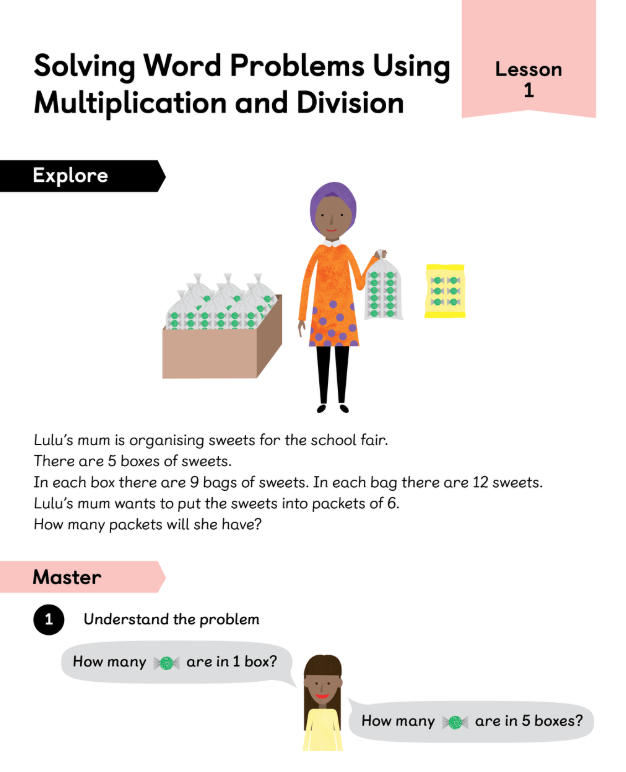
LC: To be able to solve word problems involving multiple operations
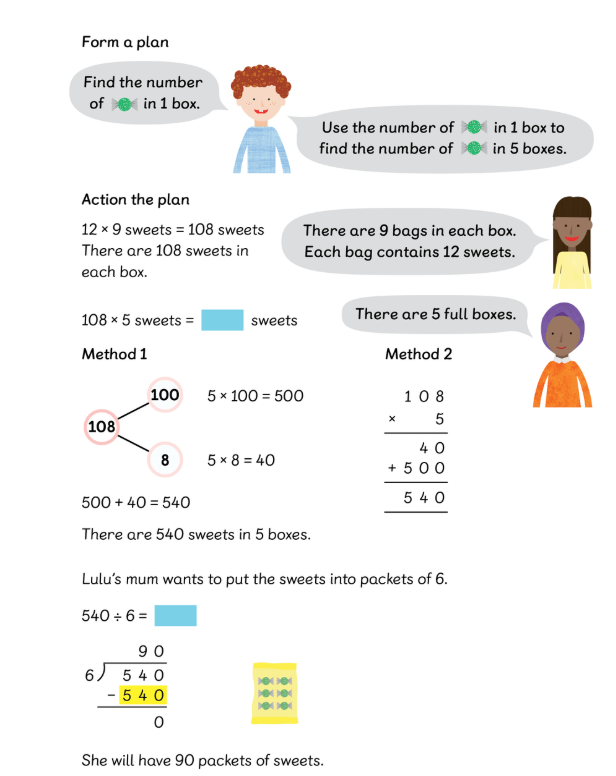
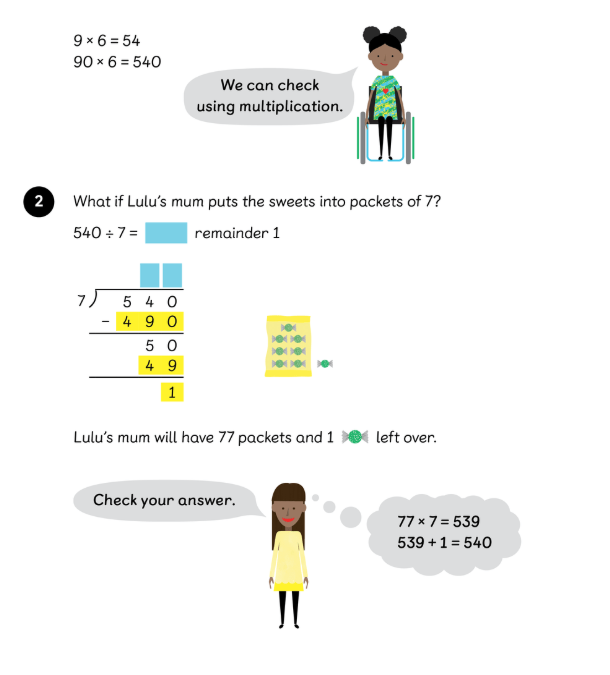
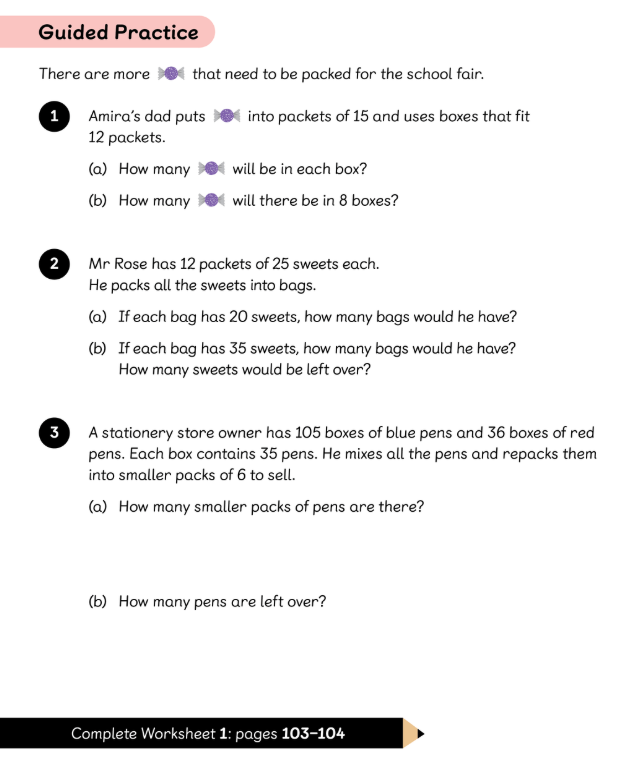

18/11/25
LC: How can we investigate the effects of friction?
We are going to complete our science investigation by testing how different surfaces affect friction.
Friction is a force that slows things down when two surfaces rub together.
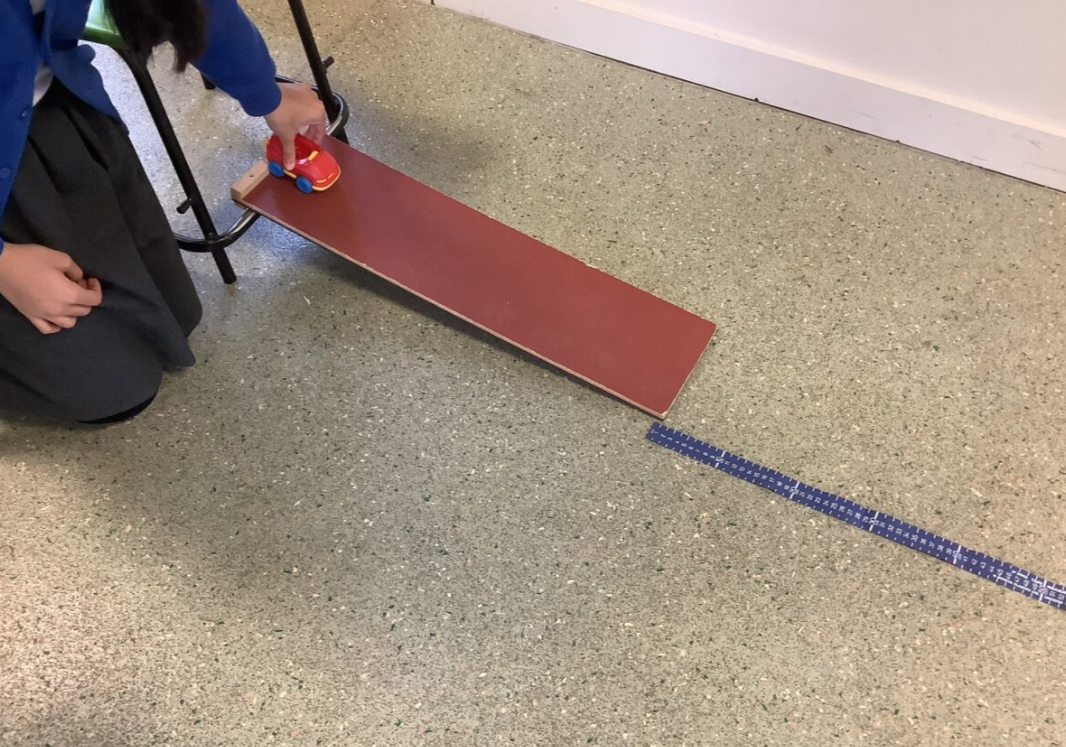
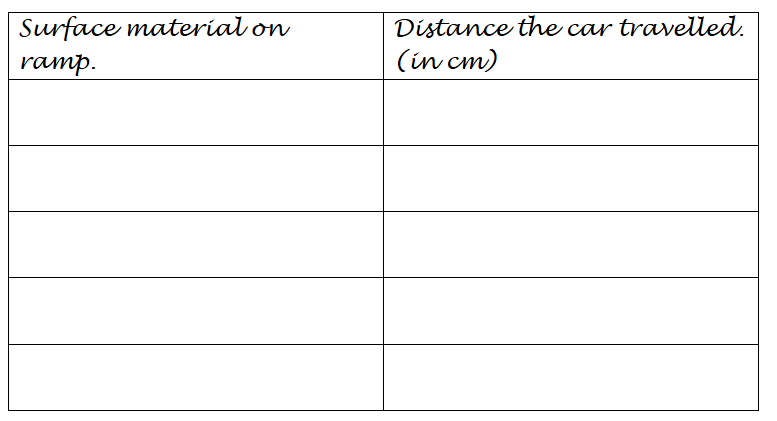
We have four ramps that are all the same size and height, and each ramp already has a different surface attached: wood, wool (carpet), bubble wrap, and sandpaper. To keep the investigation fair, we will release the car from the exact same starting point on every ramp. The car will roll down the ramp and onto the floor, and we will measure how far it travels before it stops.
If the car does not travel very far, that means the surface on that ramp created more friction. If it travels a long distance, the surface created less friction. By comparing the distances, we will discover which surface slows the car down the most and which one lets it travel the furthest.
We will record our results in a table:
LC: to develop a range of strategies for checking and proof reading spellings after writing
The purpose of proofreading is to ensure that writing is accurate and also to identify any spelling errors that need to be corrected.
What is the best way of proofreading?
Tell your talk partner how you check your written work when you have finished.

Look at this piece of written work.
Read it carefully then follow these steps to proofread, edit and correct.
Step 1
'Mumble read' - read aloud but quietly so you can hear.
Step 2
Hear where the pauses are for each new sentence. Make sure there is a full stop followed by a capital letter.
Step 3
Look at the spellings to see which one looks wrong to you.
Look at
- plural endings
- apostrophes
- homophones like two/too/to there/their/they're
Step 4
Correct the errors with your green pen.
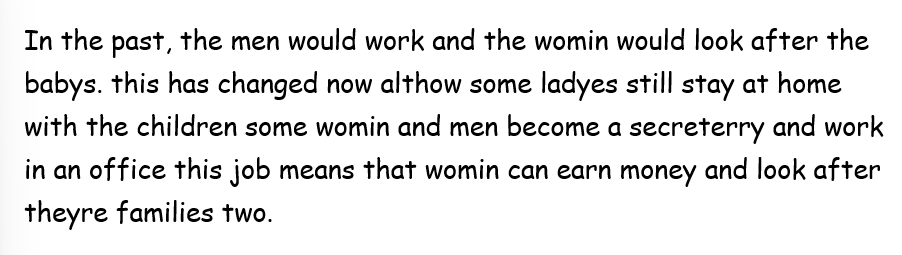
You should make 13 corrections!