

Thursday 2nd July 2026
Transition Activity 1 :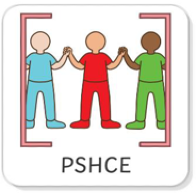
Good morning and welcome to Year 4!
Our Rights, Our Responsibilities
Learning Objective: To understand that everyone has rights and that both duty bearers and right holders have responsibilities to protect those rights.
During our transition days we are going to be reminding ourselves about children's rights and constructing our class charter - our code of behaviour for everyone in the class-which we will all sign as a promise that we will follow it.
Do you remember what all the words and phrases abut children's rights mean?
Rights Universal Rights Inherent Rights
Inalienable Rights Unconditional Rights
Indivisible Rights Duty Bearers Rights Holders
Articles Equity Dignity Wellbeing
Let's have a look at the UNRC and think about which rights we will be focussing on at the beginning of the year.
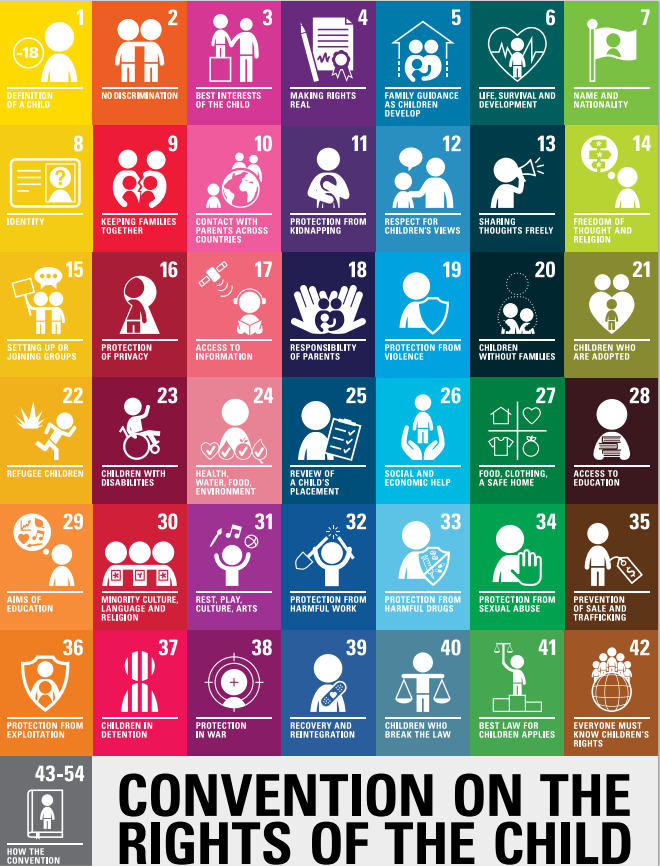
UNCRC Articles: 2, 12, 19, 24, 28, 29, 31
Rights Match-Up (In table groups)
Resources
- Children's Rights statements
- Duty Bearers Will... statements
- Right Holders Will... statements
Children work in groups to match each right with the correct responsibilities.

Challenge Question
Which responsibilities help protect more than one right?
Transition Activity 2:
Transition Activity 2: Rights, Duty Bearers or Right Holders?
Place three hoops labelled:
Children's Rights
Duty Bearers
Right Holders
Read one statement at a time.
- Every child has the right to learn.
- Teachers explain learning in different ways.
- Children arrive ready to learn.
- Adults keep classrooms safe.
- Children tuck their chairs under.
- Children look after classroom equipment.
- Teachers listen when children are worried.
- Children use kind words.
- Everyone has the right to play.
- Children put rubbish in the bin.
- Adults encourage children to drink water.
- Children respect everyone's ideas.
After sorting, discuss:
How does this action help protect someone's right?
Transition Activity 3, Class Charter:
Rights into Classroom Expectations
Display one right at a time.
Example
Article 28 – Every child has the right to an education.
Ask:
What should duty bearers do?
Possible answers
- Teach exciting lessons.
- Explain learning clearly.
- Help children who are struggling.
- Encourage everyone.
- Listen to questions.
Ask:
What should right holders do?
Possible answers
- Arrive ready to learn.
- Bring the correct equipment.
- Listen carefully.
- Push ourselves to reach our potential.
- Let everyone learn.
Finally ask:
If everyone did these things, what classroom expectation could we create?
Examples
- We are always ready to learn.
- We help everyone succeed.
- We respect learning.
Repeat with:
Article 19
→ We keep everyone safe.
Article 24
→ We look after our bodies and classroom.
Article 12
→ We listen respectfully.
Article 31
→ We include everyone.
Transition Activity 4:
Scenario Challenge
Give each group one scenario.
Discuss
- Which right is affected?
- What should the duty bearer do?
- What should the right holder do?
Scenario 1
Someone keeps talking while others are learning.
Right: Right to education.
Duty Bearer
- Give a reminder.
- Support the child.
Right Holder
- Listen.
- Allow everyone to learn.
Scenario 2
The classroom is untidy at the end of the day.
Right
Everyone has the right to learn in a clean, safe environment.
Duty Bearer
- Provide time to tidy.
- Teach expectations.
Right Holder
- Put rubbish in the bin.
- Return equipment.
- Tuck chairs under.
Scenario 3
A child hasn't had breakfast.
Right
Right to Health
Duty Bearer
- Support the child.
- Ensure they have what they need.
Right Holder
- Tell an adult.
- Drink water.
Scenario 4
Someone is left out during breaktime.
Right
Right to Play
Duty Bearer
- Help children solve the problem.
Right Holder
- Invite everyone.
- Play fairly.
Scenario 5
Someone is upset because they don't understand the work.
Right
Right to Education
Duty Bearer
- Explain differently.
- Encourage them.
- Give extra support.
Right Holder
- Ask for help.
- Keep trying.
- Respect others' learning.
Transition Activity 5:
Our Promise
Each child completes a leaf handout:
My Right
"I have the right to..."
Examples
- learn
- feel safe
- be listened to
- play
- be healthy
My Responsibility
"To protect everyone's rights, I will..."
Examples
- arrive ready to learn.
- listen when others are speaking.
- use kind words.
- put rubbish in the bin.
- look after classroom equipment.
- finish my water.
- include everyone.
- ask for help when I need it.
- try my best every day.
Stick the promises around your new class charter to remind everyone that protecting rights is everyone's responsibility.
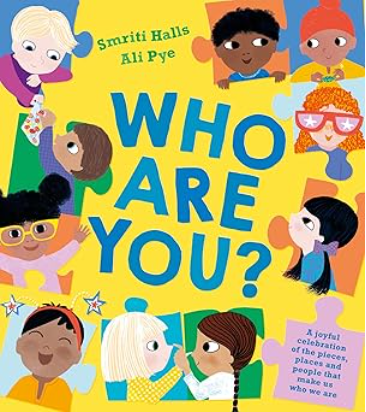
“We are all different, but the same.”
Summary
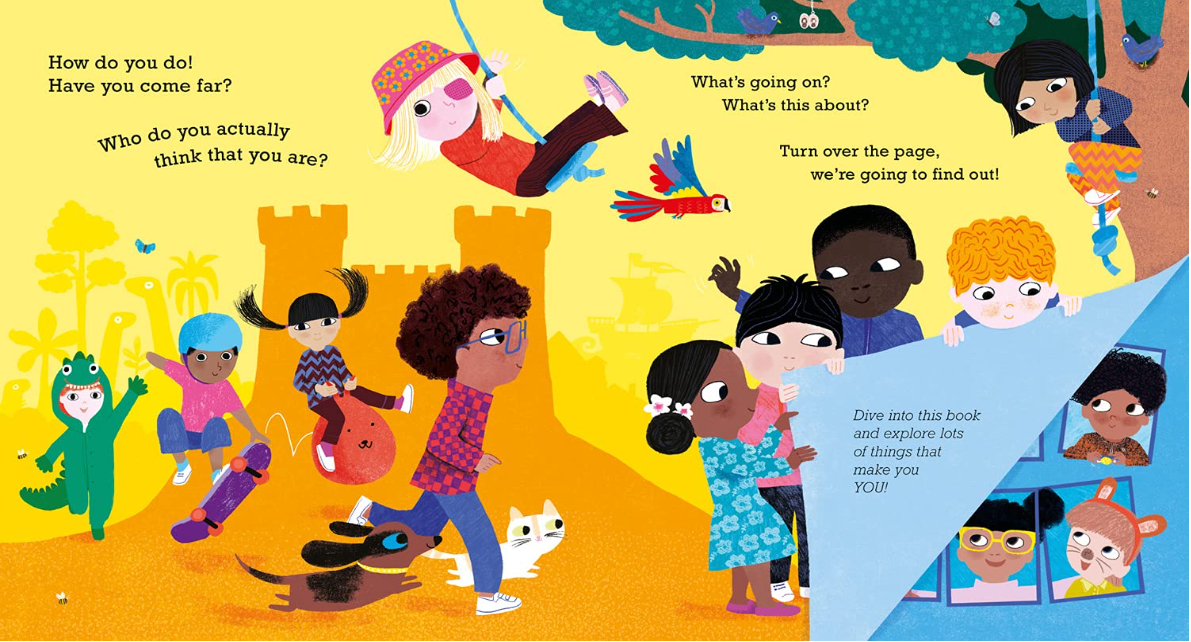
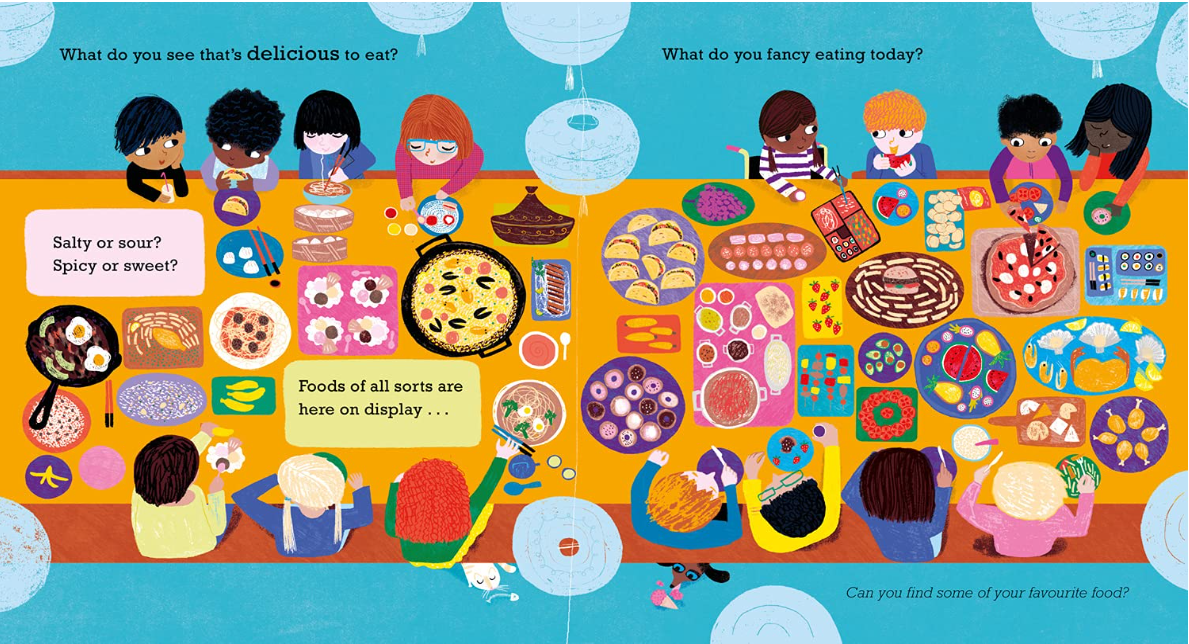
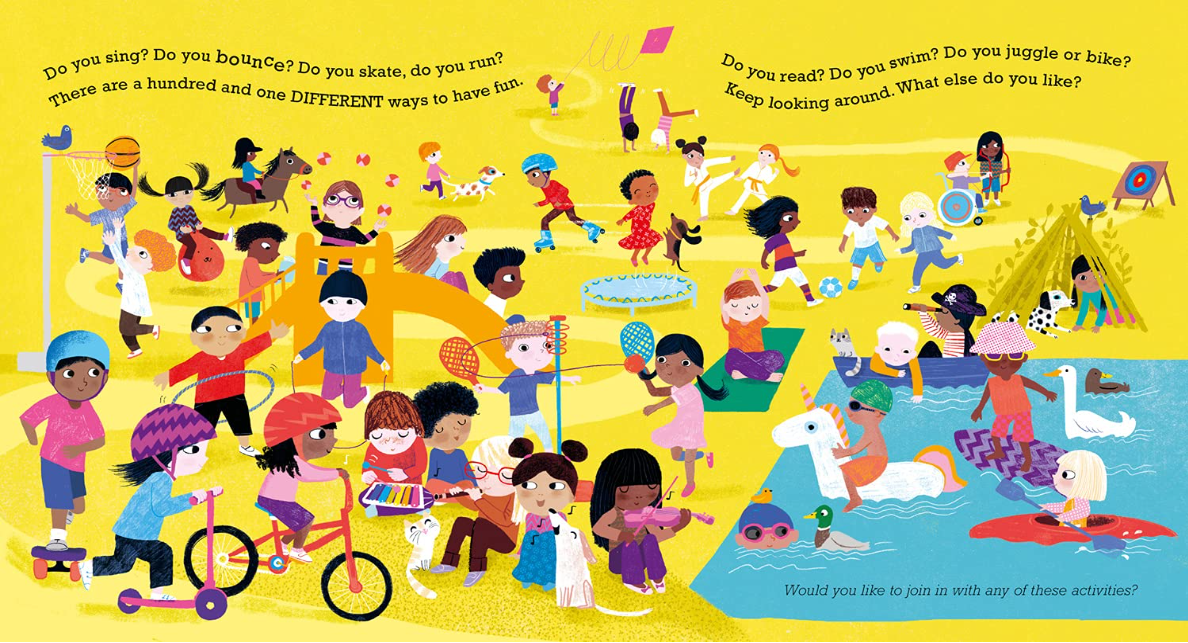
Rather than following one main character, the book asks the reader a series of engaging questions about themselves:
- Who is in your family?
- Where do you come from?
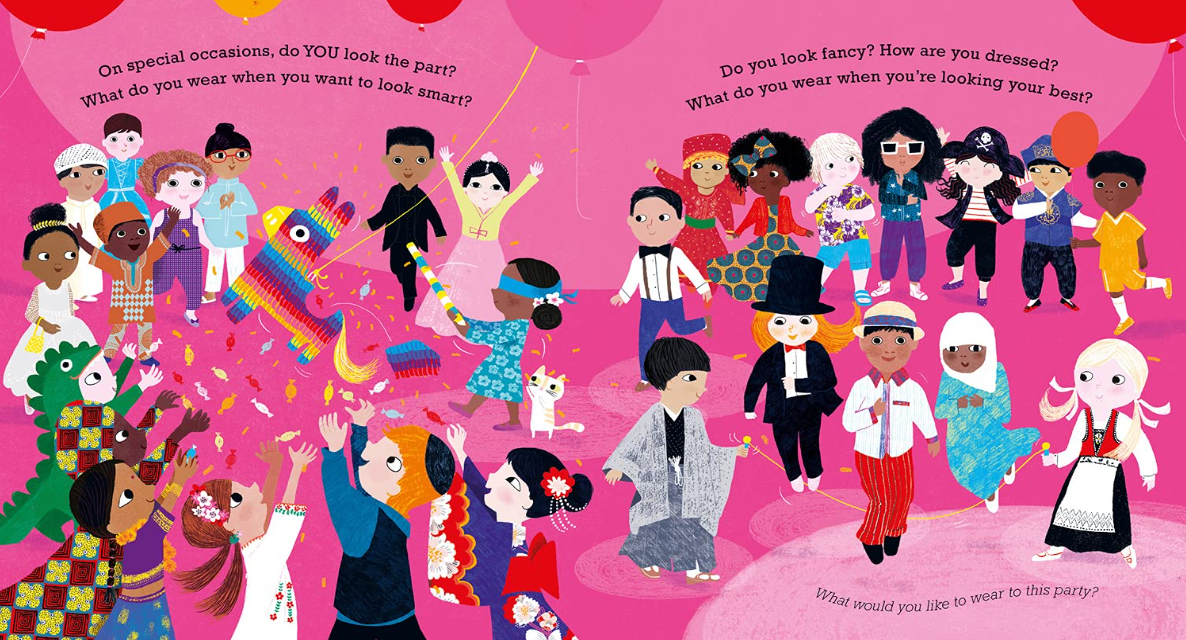
- What traditions do you have?
- What foods do you enjoy?
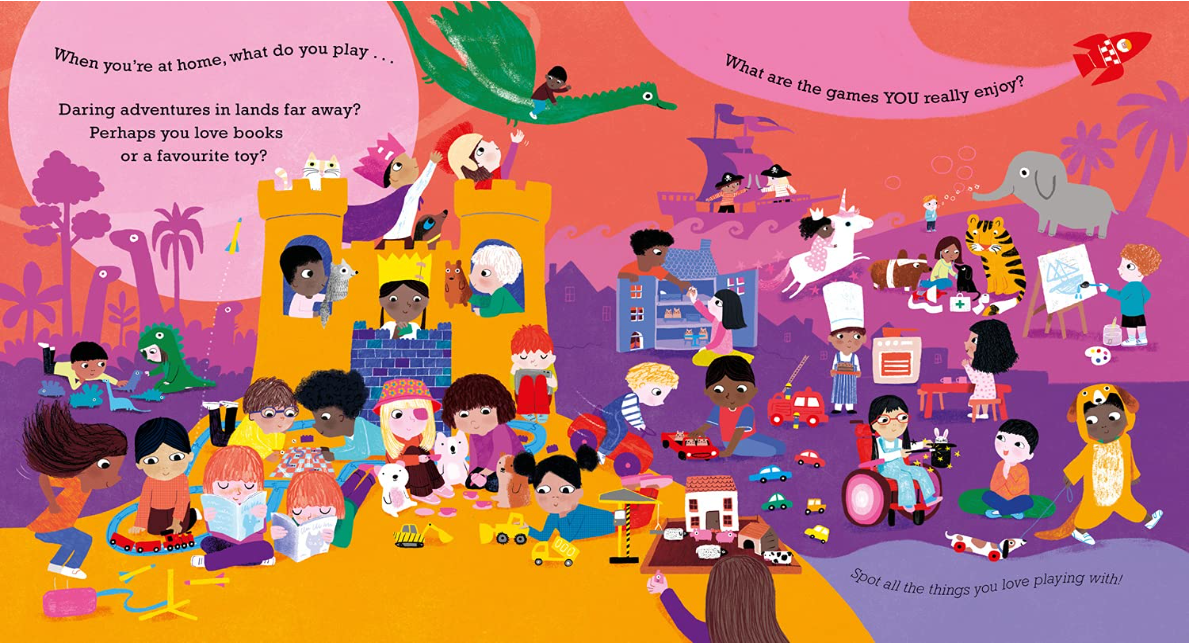
- What games do you play?
- What languages do you speak?
- What makes you different from everyone else?
It shows that our identities are made up of many "pieces"—our families, friends, cultures, interests, memories, beliefs and experiences—and that every person's story is unique and valuable.
Key themes
- Identity
- Diversity and inclusion
- Family and heritage
- Belonging
- Respect for differences
- Self-esteem
- Community
- Article 2 – Non-discrimination
- Article 8 – Identity
- Article 29 – Education should develop respect for others and their cultures.
- Mutual Respect
- Tolerance of those with different faiths and beliefs
- Individual Liberty (celebrating who we are)
Discussion questions
- What makes you unique?
- Which people have helped shape who you are?
- What traditions does your family have?
- Are there things you have in common with others in our class?
- Why is it important that everyone is treated with respect, even when they are different?
- What would our world be like if everyone was exactly the same?