




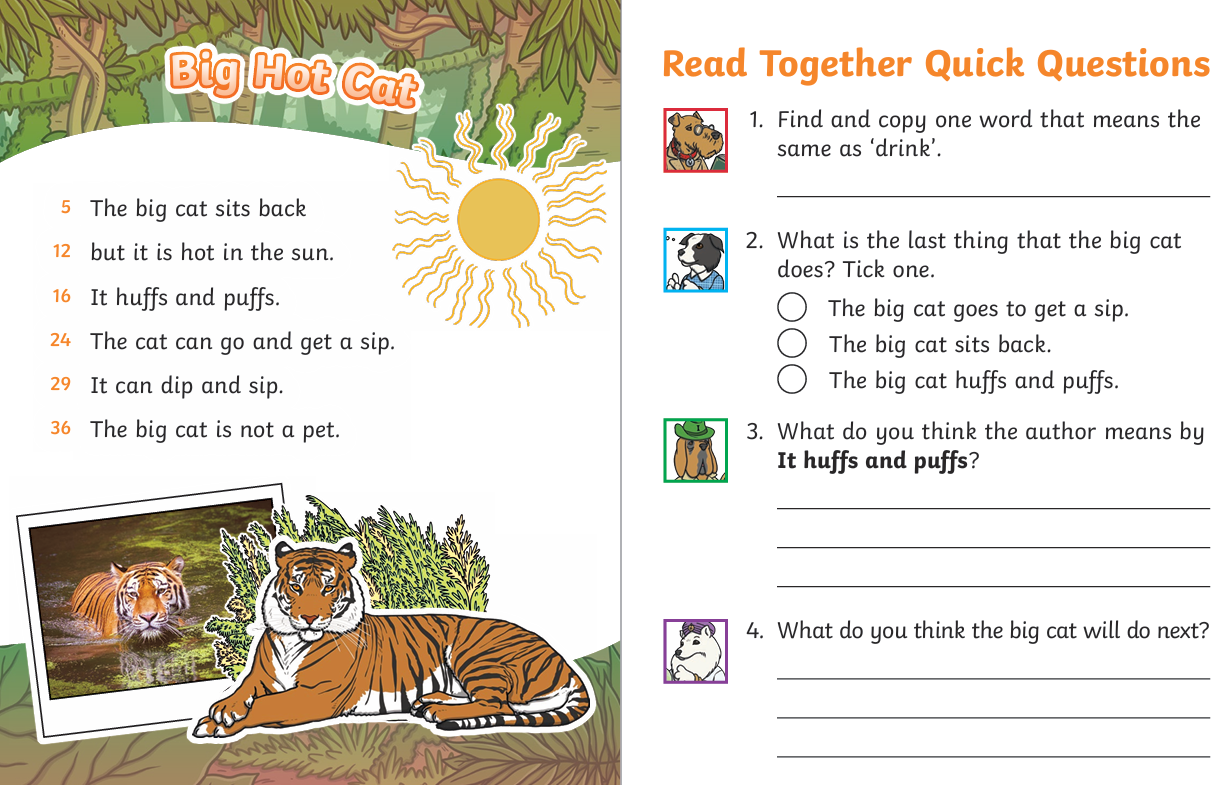
So, this can be as simple as asking the question, ‘What do you think is going to happen next?’, quickly followed with, ‘Why?’.
Monday 18th May 2026
Homophones
Write the correct spelling for each picture.
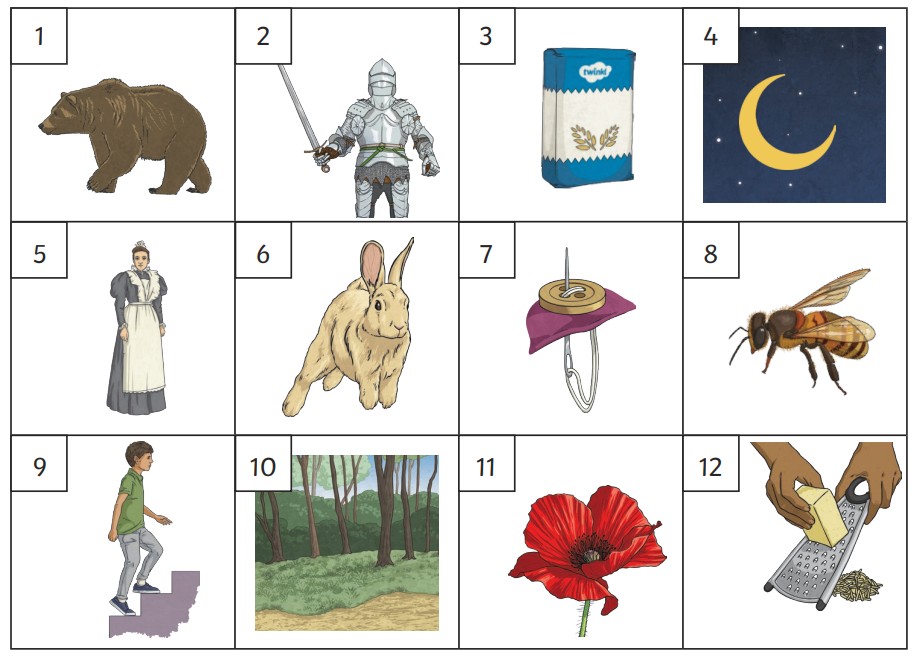
bare bear
maid made
would wood
be bee
hare hair
stair stare
night knight
sew so
grate great
flower flour
RIC
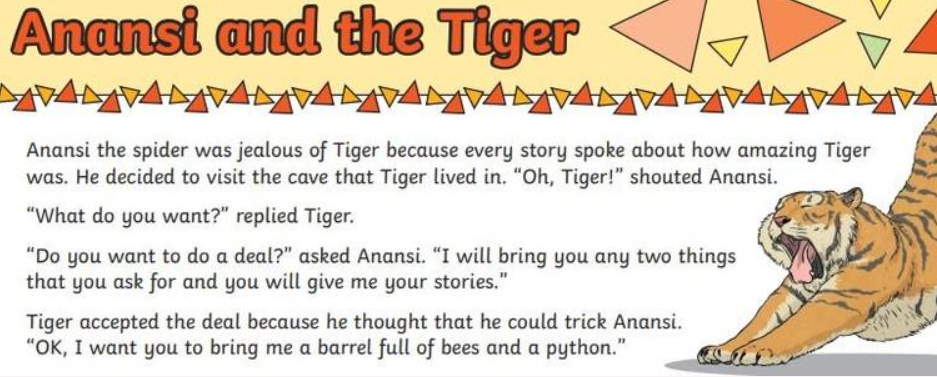
R: What is the spider called?
I: Why did everyone think Tiger was amazing?
C: What type of animal is a python?
Monday 18th May 2026
LC: To make predictions from details implied.
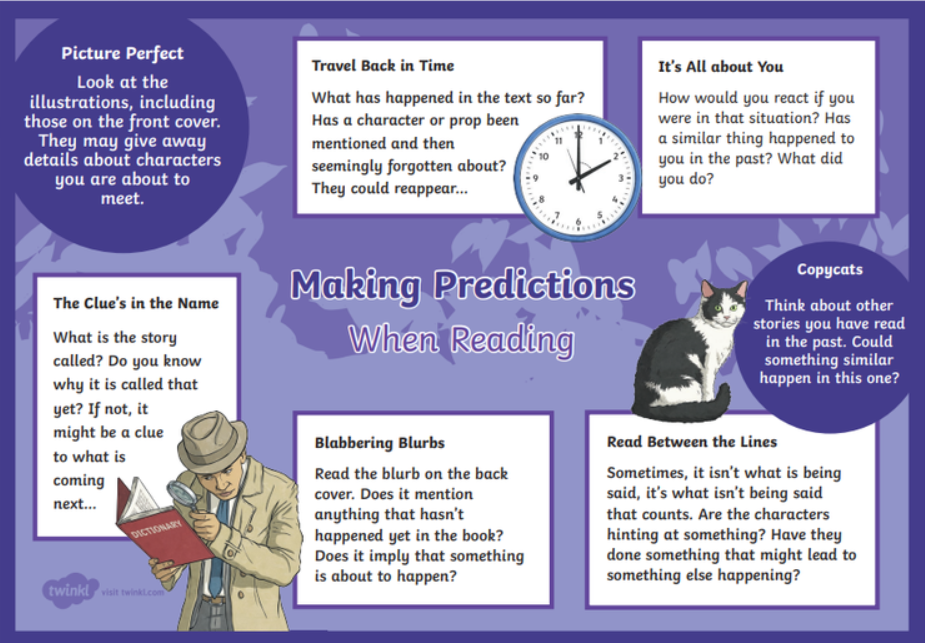
However, we need to make explicit the additional skills needed to be able to do this. To be able to predict, you need to be able to read and understand what has happened, and is currently happening. You need to be able to retrieve and infer (‘details stated and implied’), combine this with your knowledge of the world, weigh up probability, and make a sensible prediction of the next outcome. It might come naturally to many, but it’s worth breaking it down to look at what’s involved.
Teacher model: Look at the picture below and make a prediction on what will happen next from the details implied. Use the questions to help guide your answer.
TUNNEL IN THE HEDGE
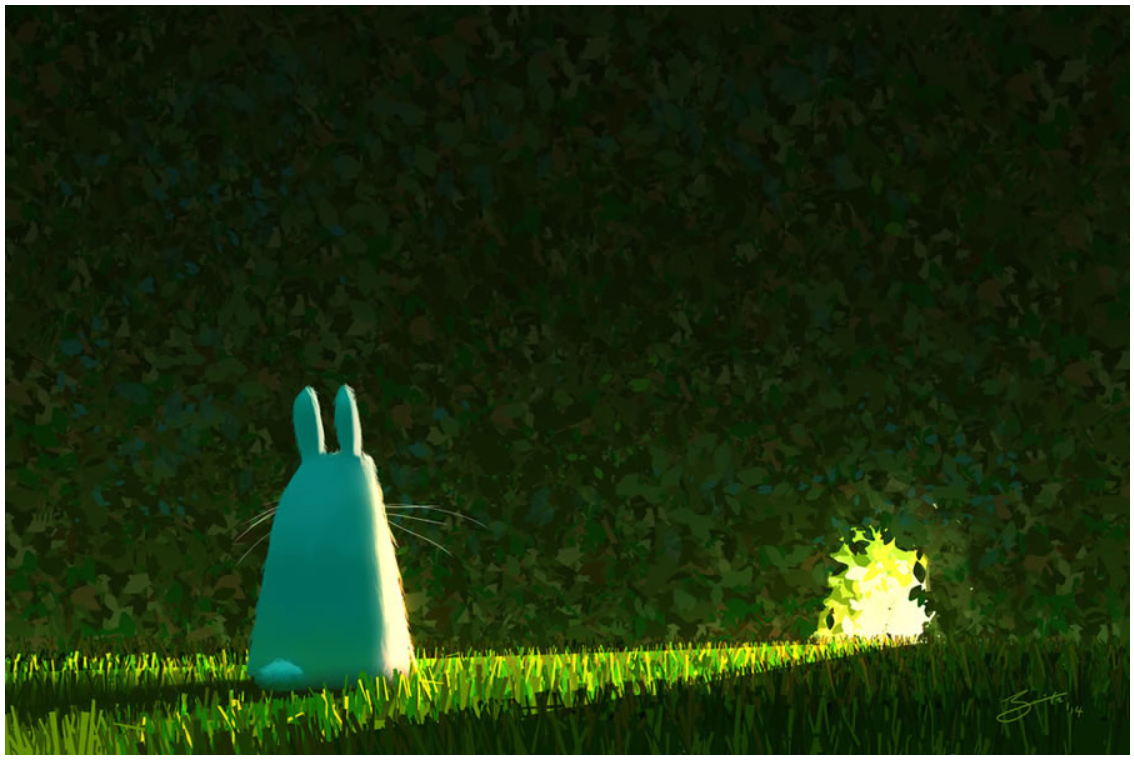
- Where does the tunnel lead?
- What is the source of the light?
- Do you think the rabbit will go through?
- Has it been through before?
- How did it find out about the tunnel?
- Would you go through it?
Your turn: Look at the picture below and make a prediction on what will happen next from the details implied. Use the questions to guide your answer.
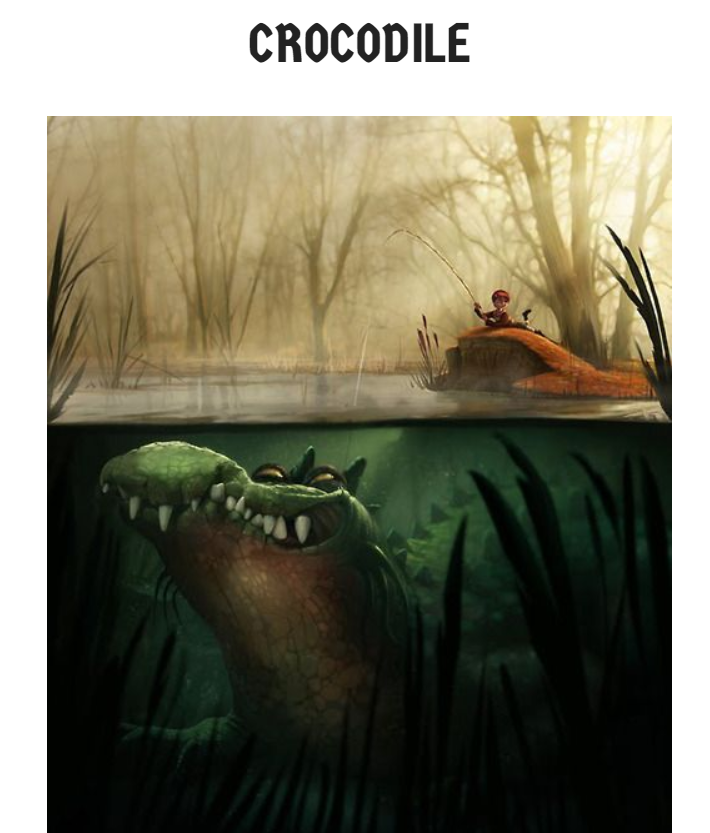
- Describe the scene. How does the picture make you feel?
- Do you think the boy knows what lurks beneath the surface?
- What do you think he can see/hear?
- What is the crocodile’s character like?
- What will happen next? Continue the story.
- If you could jump into the picture, what would you do? Would you help the boy? How?
Adapted Group 2:

Monday 18th May
LC: Read and respond to a poem.
day 6 exploring elephant beat by james.pdf
Adapted
LC: Explore, learn and perform a poem with expression and actions.
Listen to your teacher read the poem and follow it with your finger and your eyes.
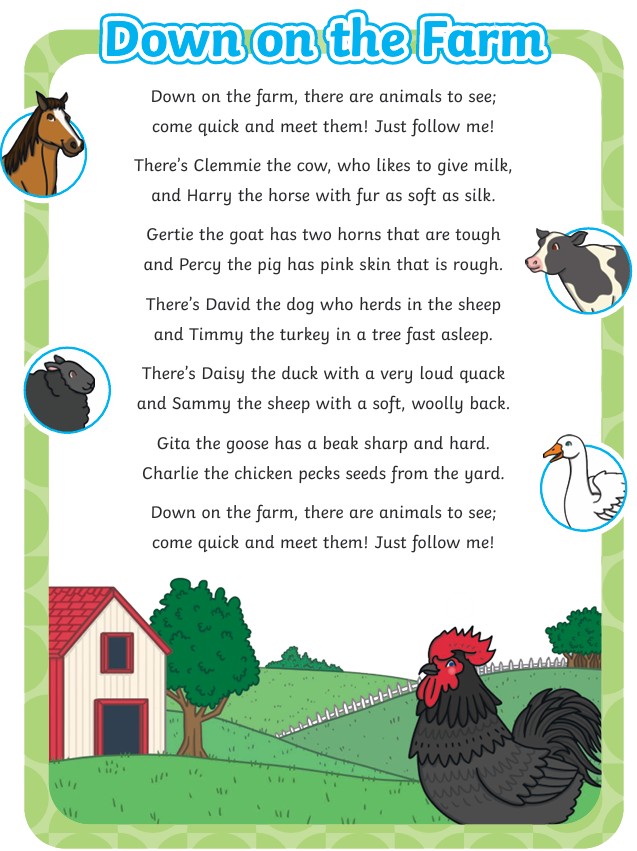
Let's explore the poem.
Who has pink skin that is rough? Is it Clemmie or Gita or Percy?>
Who has a very loud quack? Is it Daisy or Sammy or David
Who likes to give milk? Is it Harry or Clemmie or Charlie
Who pecks seeds from the yard? Is it Charlie or Gita or Timmy
Who has a soft, woolly back? Is it Timmy or Sammy or Harry?
What does Charlie the chicken eat? How do you know?
Where does Timmy the turkey sleep?
Now your teacher will read the poem again, and you will join in.
Draw a picture of your favourite part of the poem.
18.05.26
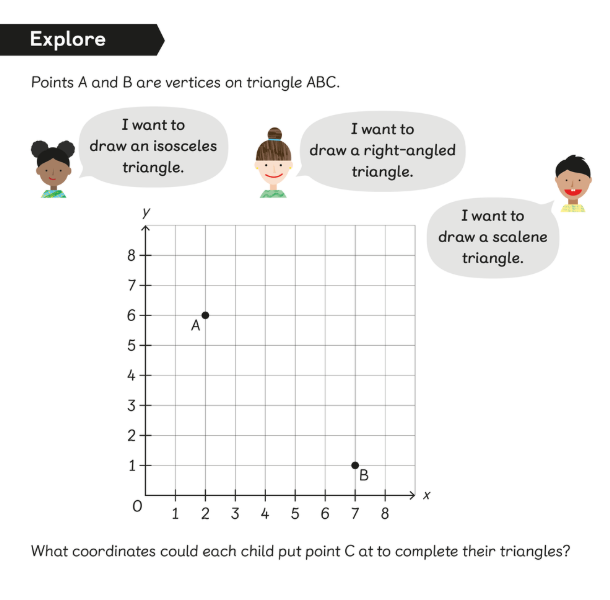
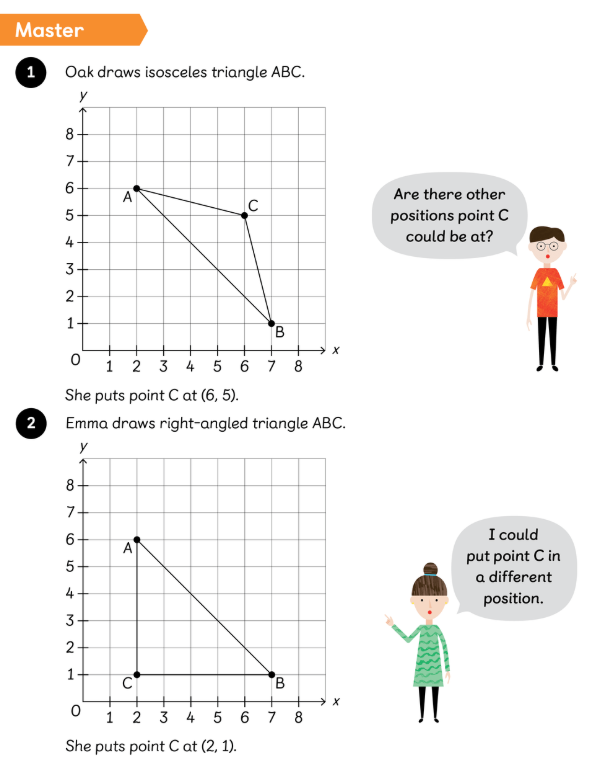
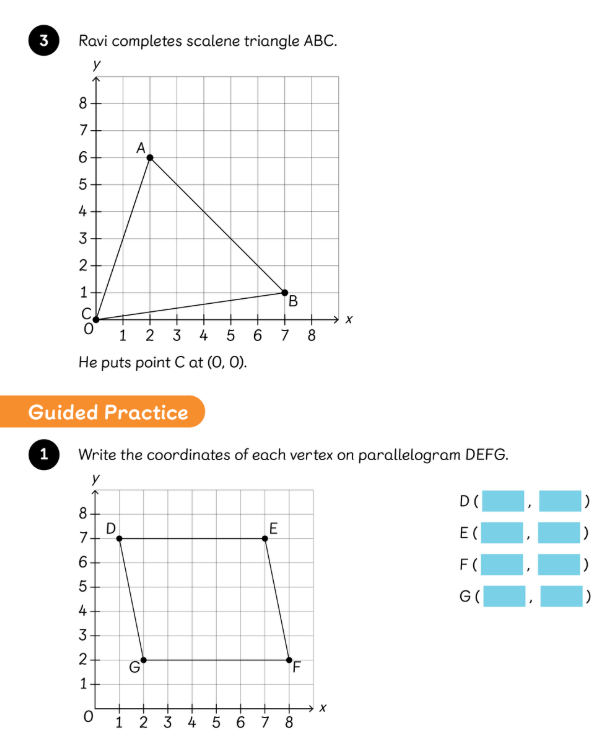
LC: To be able to plot specified points and draw sides to complete a given polygon.
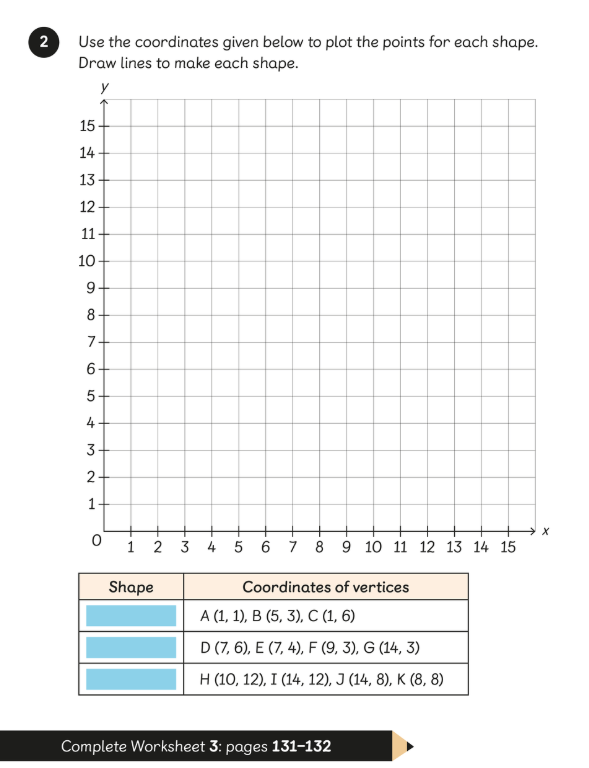
Adapted Group 2:
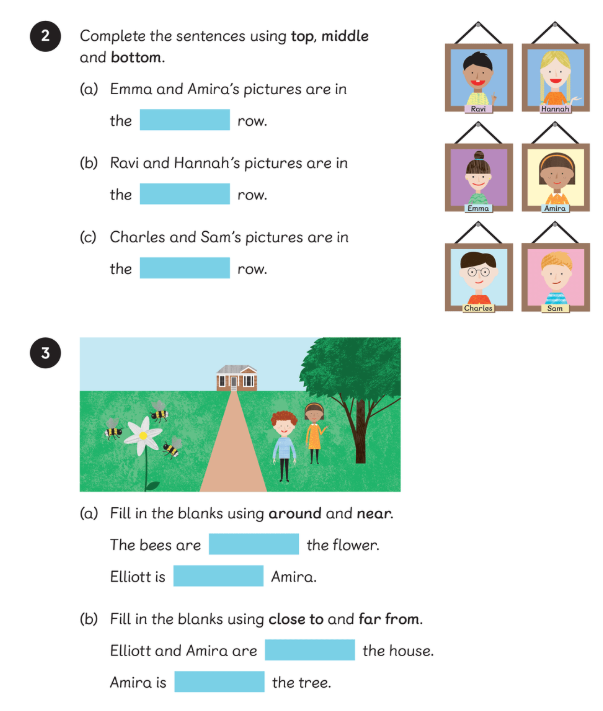
LC: To be able to describe the position of objects in relation to one another using varied vocabulary.
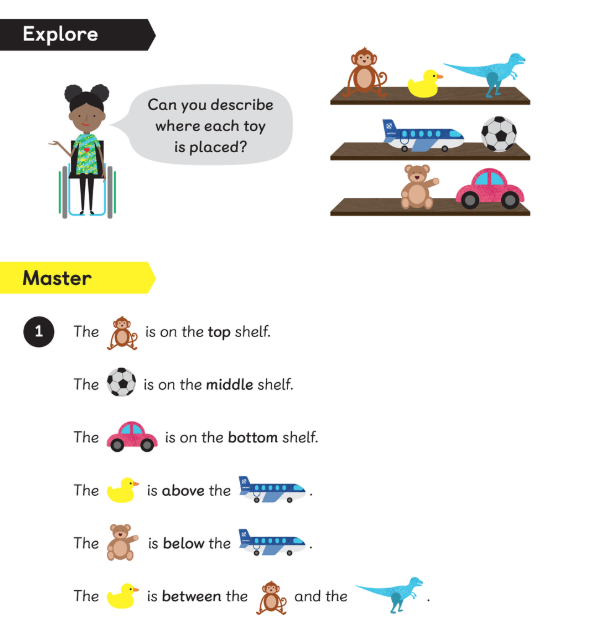
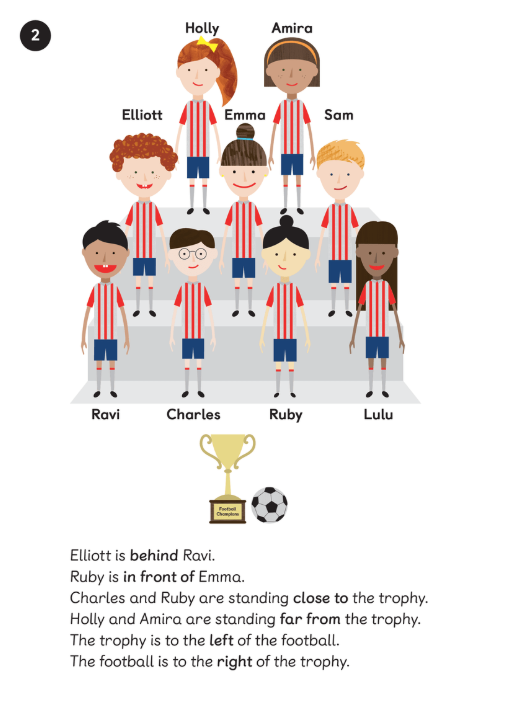
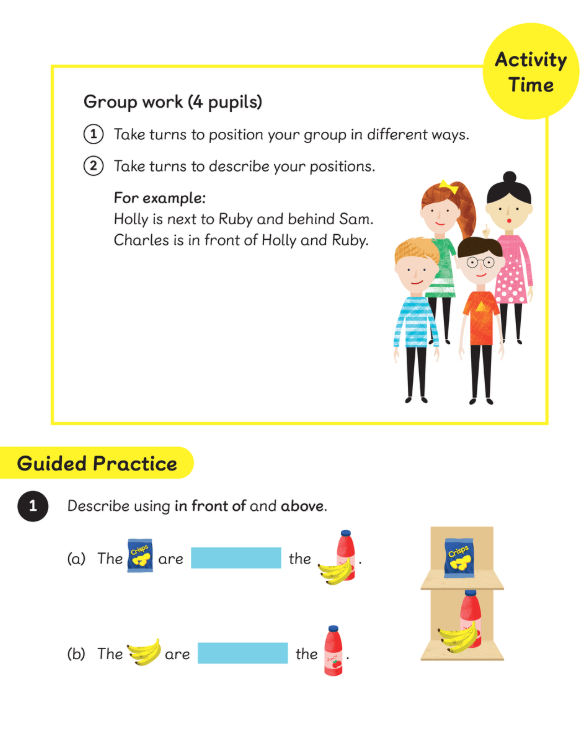
Monday 18th May 2024
LC: Explain how to show mutual respect and tolerance for people with different beliefs and faiths.
mutual respect and tolerance.pdf
Lightbulb Moments: Eureka! Great Discoveries, in the Bath and Elsewhere
The Power of a “Eureka!” Moment
Understanding what a “lightbulb moment” is and how great ideas can appear suddenly.
- Have you ever suddenly understood something after struggling with it?
- Have you ever had a brilliant idea while doing something ordinary?
These moments are often called “lightbulb moments” because it feels as if a light suddenly switches on in our minds.
Main Story
The story of Archimedes.
People: Archimedes: "Ancient Greek mathematician and inventor" was asked to solve a difficult problem about whether a crown was made of pure gold. He thought about it for a long time but could not find the answer.
One day, while stepping into a bath, he noticed the water rise. Suddenly he realised he could measure volume by how much water was displaced. Excited by his discovery, he reportedly shouted “Eureka!” meaning “I have found it!”
Discuss:
- Why do you think the idea came when he was relaxing?
- Why is it important not to give up when something is difficult?
Key Message
Great ideas often come after patience, curiosity, and hard work.
Reflection
“Think about a time when you finally understood something difficult. How did it feel? Perhaps there is something challenging in your life right now. Remember that understanding often takes time, and your own lightbulb moment may be closer than you think.”
Prayer (optional)
“Help us to stay curious, patient, and hopeful when things are difficult. Give us confidence to keep learning and growing each day.