


Wednesday 6th May 2026

RIC
Flourishing Friendships Collection Sneakers and Suspicion
“It’s strange when you think about it, isn’t it?” Cooper said thoughtfully. He was sitting under a tree slurping his fast-melting lemonade ice-block. He’d been playing basketball together with Brodie, Tyson and a group of other kids when, hot and bothered, they decided to head to the pool to cool off. Cooper was a talented basketball player. The other kids could only watch his dodge and weave with envy.
“What’s strange?” Brodie replied. He pulled himself out of the water and onto the pool’s edge. Tyson was right beside him. Goosebumps covered their bodies, so they lay down on the hot concrete pathway.
“Well, we get in the pool to cool off, then we lie down on the concrete to warm up, then we sit in the shade and get an ice-block to cool down, then we get hot again and jump back in the pool!”
R: What sport is Cooper good at?
I: What was the weather like? How do you know?
C: Find the word bothered, what other word could be used instead for the sentence to still make sense?
Wednesday 6th May 2026
LC: To ask questions to improve your understanding of a text.
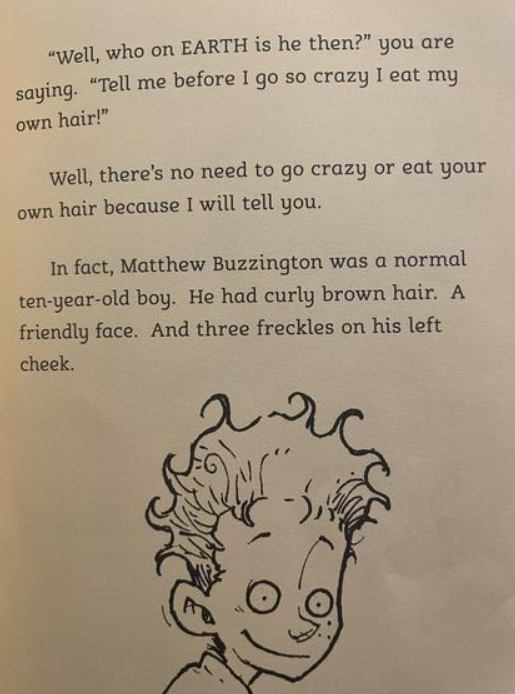
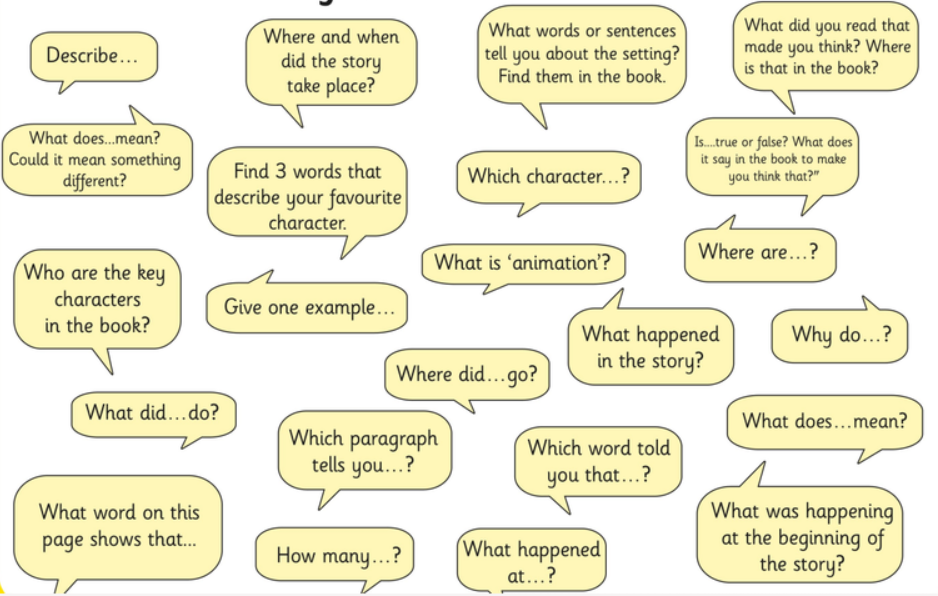
Teacher model: Read the text below and use the question prompts to write down 5 questions for the text.
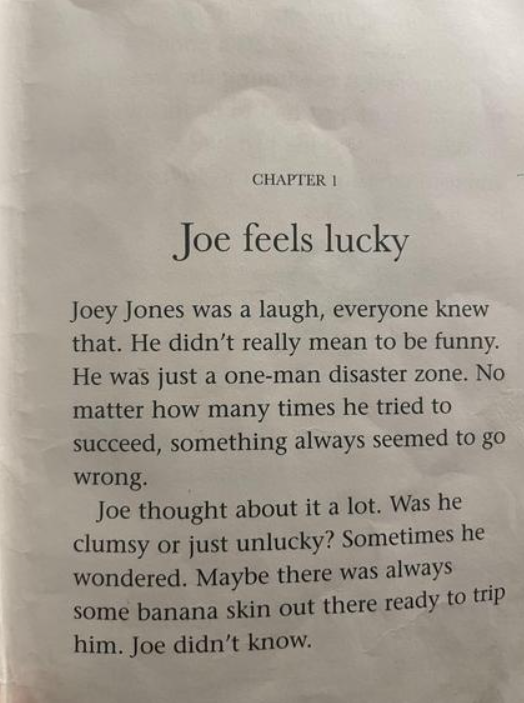
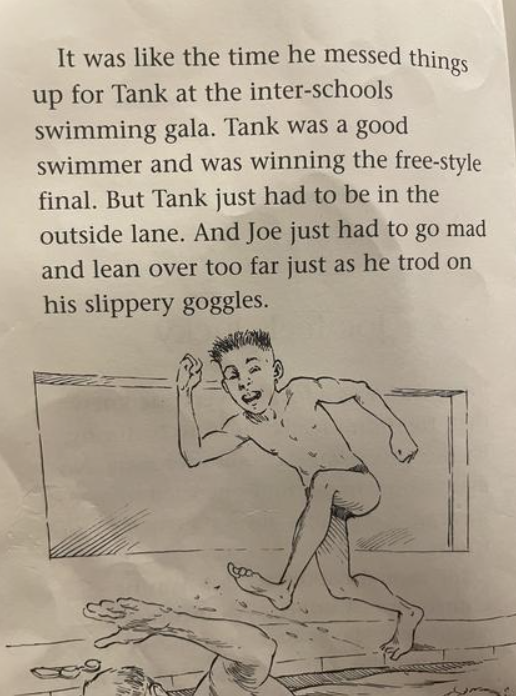
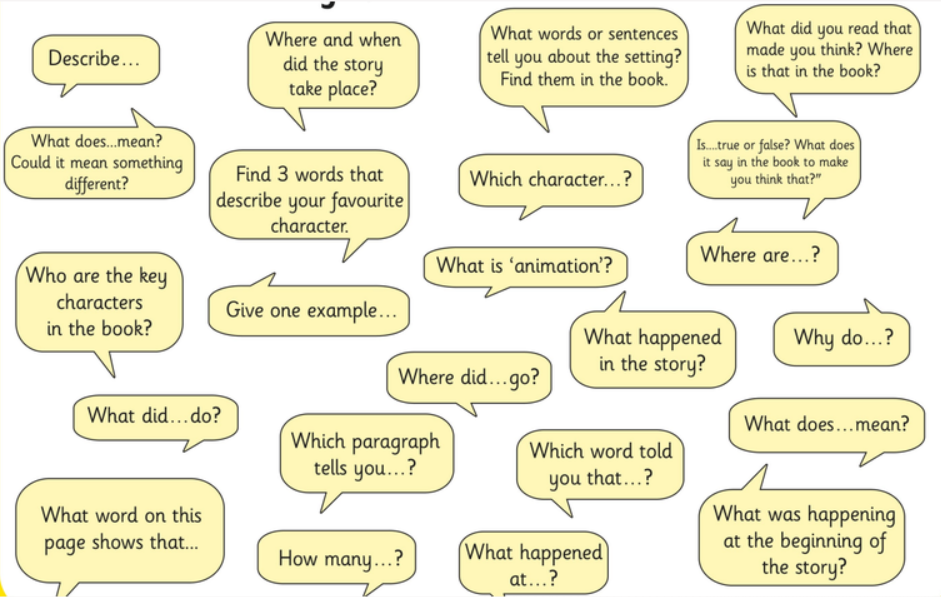
Your turn: Read the text below and use the question prompts to write down 5 questions for the text. You will be asking your partner to answer your questions.
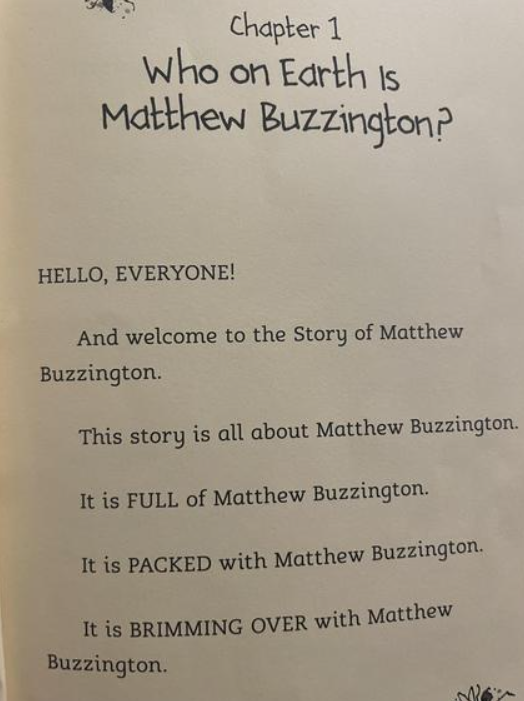
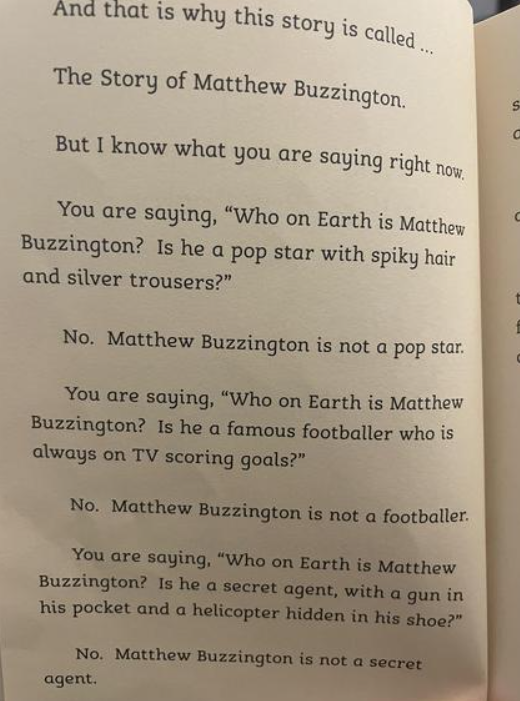
Adapted Group 2:
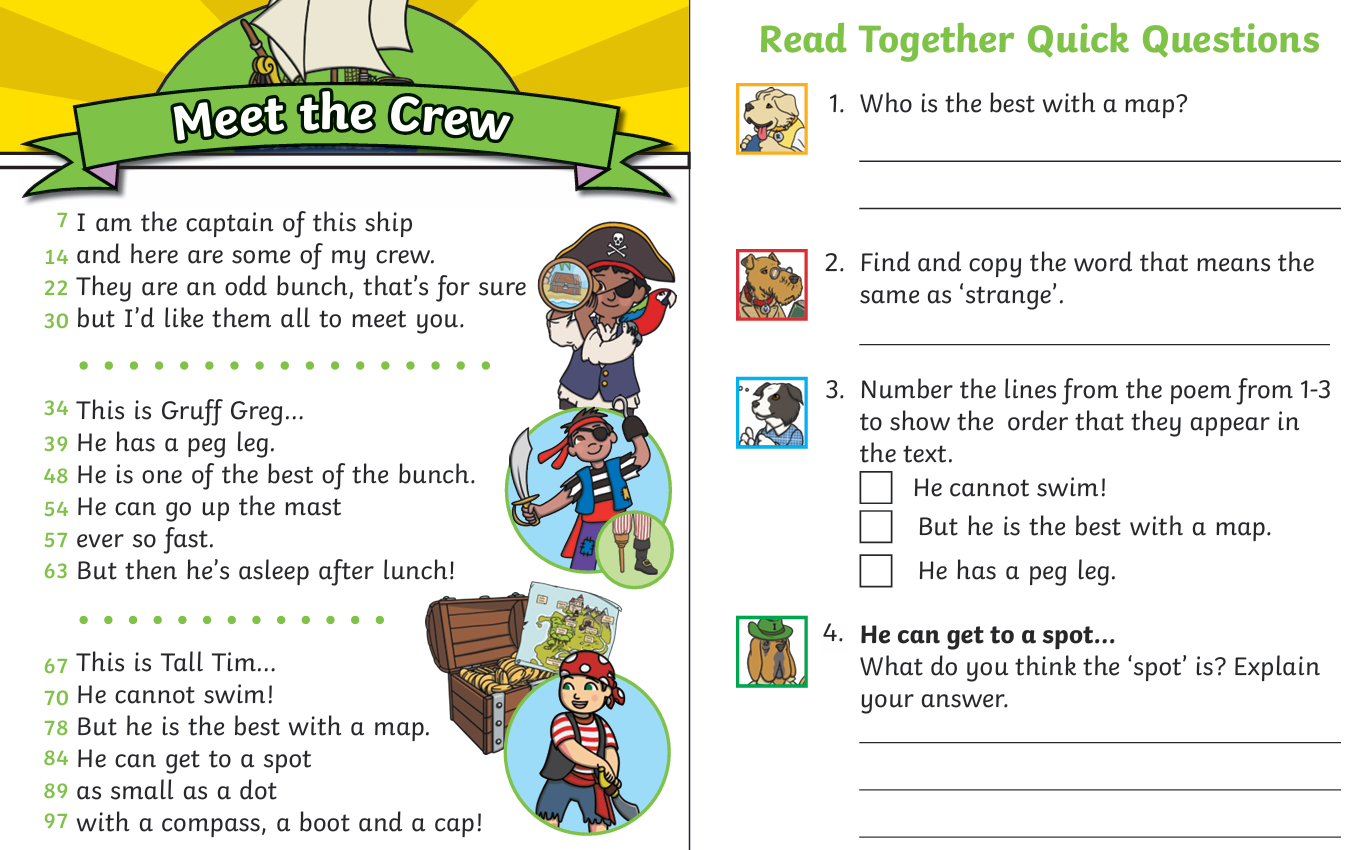
LC: To retrieve answers from a text.

Wednesday 6th May 2026
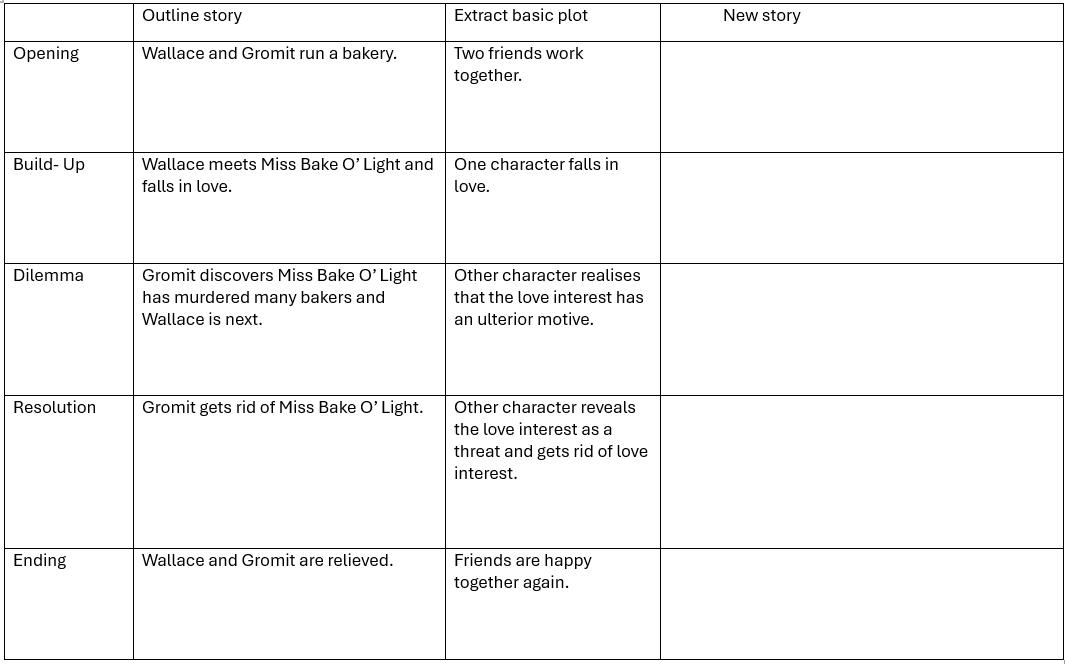
LC: To plan a story with a dilemma.
Choose:
What might the man be called?
Alfred Charlie Adam Wesley
Thomas Bernard Samuel Daniel
What pet might the man have?
cat rabbit chicken
guinea pig parrot
What might the pet be called?
Fluffy Archie Annie Bert Bertha Polly Percy Prince
Princess Flossy Freddy Freda
What jobs might the main characters do?
Newsagents (Publishing and delivering newspapers
Greengrocers (growing and delivering fruit and vegetables)
Dairymen (Bottling and delivering milk)
Florists (Growing and delivering flowers)
Confectioners (Making and delivering sweets)
Cheesemakers
Cakemakers
What might the female be called?
Petunia Violet Sarah Collette Ruby Jennifer Buttercup Flora Dorothy
Sophia Liza

06.05.26
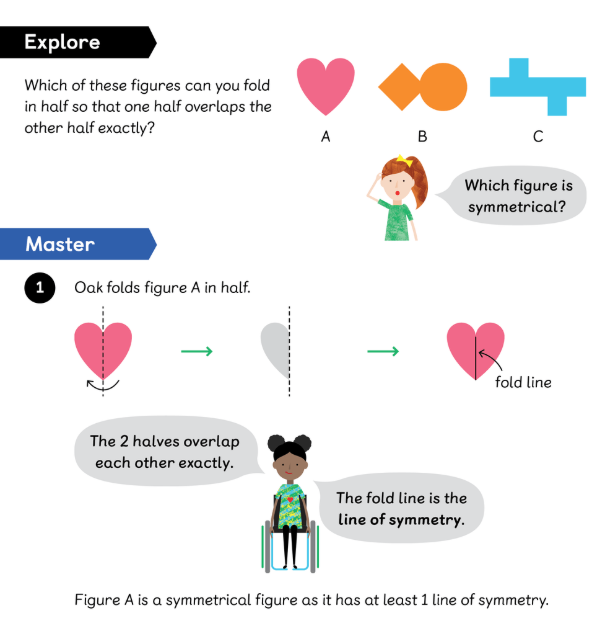
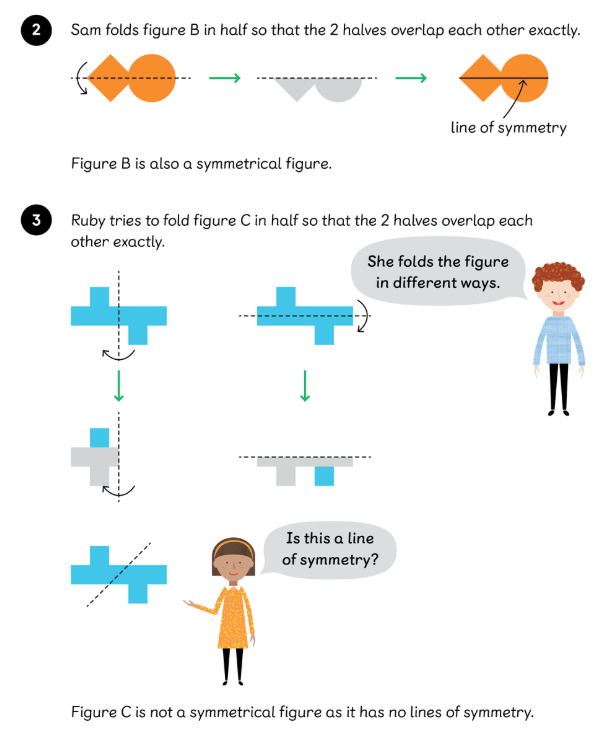
LC: To be able to identify lines of symmetry in 2D shapes.
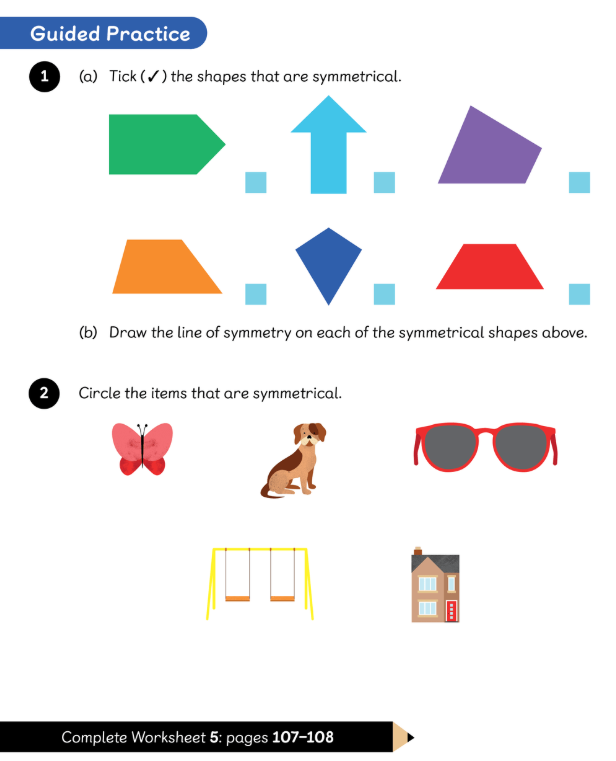
Adapted Group 2:
LC: Recognising Money.
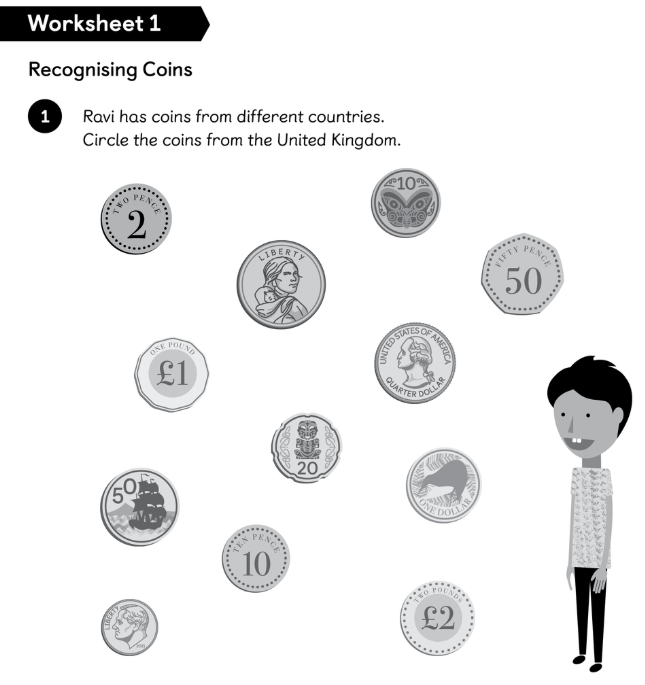
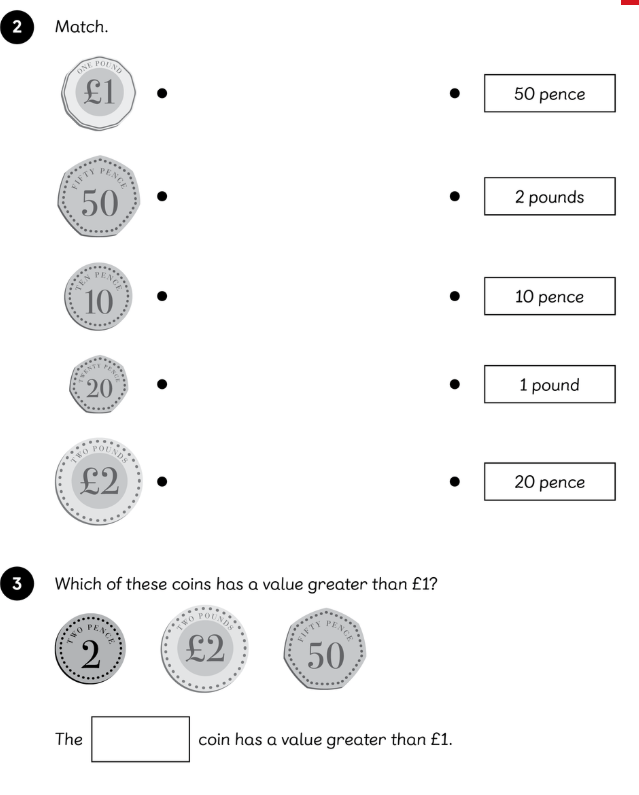
Review
Bingo
Draw a 6x2 table on your whiteboard
Choose 6 of these words and write one in each box.
If I say one of your words, cross it off. Who will cross off all their words first and win the game?
breadth busy business strength therefore possible possess ordinary opposite natural

Learning
Focus: The /g/ sound spelt -gue, e.g. tongue.
Read these words with me:
league
plague
tongue
vague
catalogue
intrigue
dialogue
fatigue
Can you identify the common sound in each word?
How is the /g/ sound spelt? (gue). The gue is at the end of the word. These words are mostly French in origin.
The most common grapheme for the /g/ sound is g (gum, gate).
Other graphemes include:
- gg (egg, bigger)
- gu (guitar, guest, guide)
- gh (ghost, ghastly).
Show Me
Look at the words we read again for a few minutes.
Now we will play 'Show Me'.When I say a word, write it in your book, then show me when I ask.
Practise and Apply
Spelling Detectives
Write 6 numbers between 1 and 10 in your book.
On my signal, walk round the room to find your words. Each time you find one, look at it carefully and say the spelling to yourself. Go back to your book and write it in their.
Apply two or three words in a sentence, orally and then in writing.

Wednesday 6th May 2026
LC: To know how natural disasters affect living things.
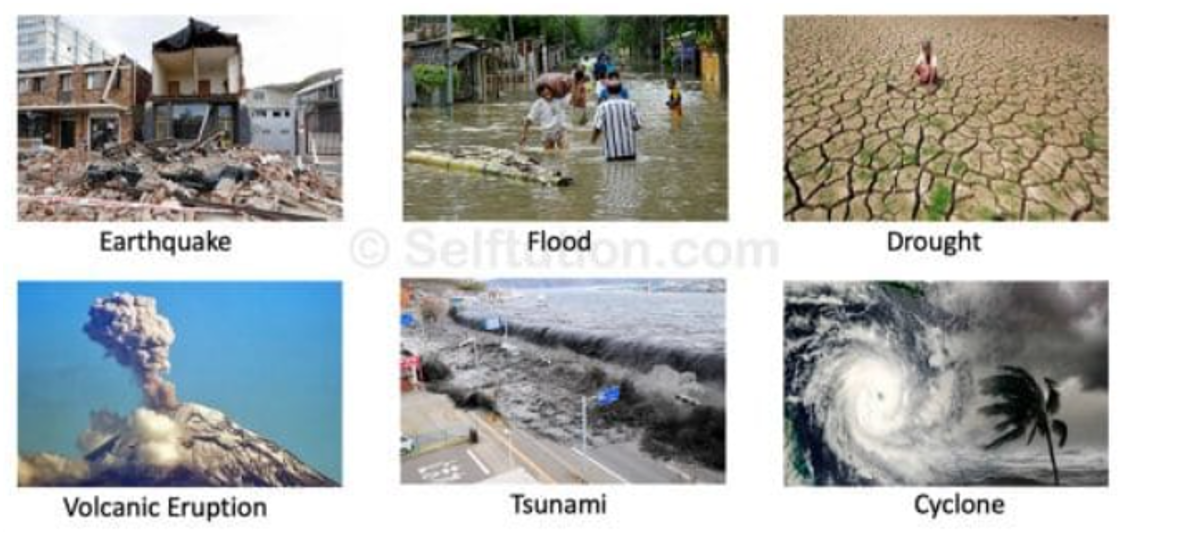
- What do you notice?
- What might happen to people or animals in these pictures?
- Which disaster do you think is most dangerous? Why?
Natural disasters are powerful events in nature that can change land and affect all living things.
Examples:
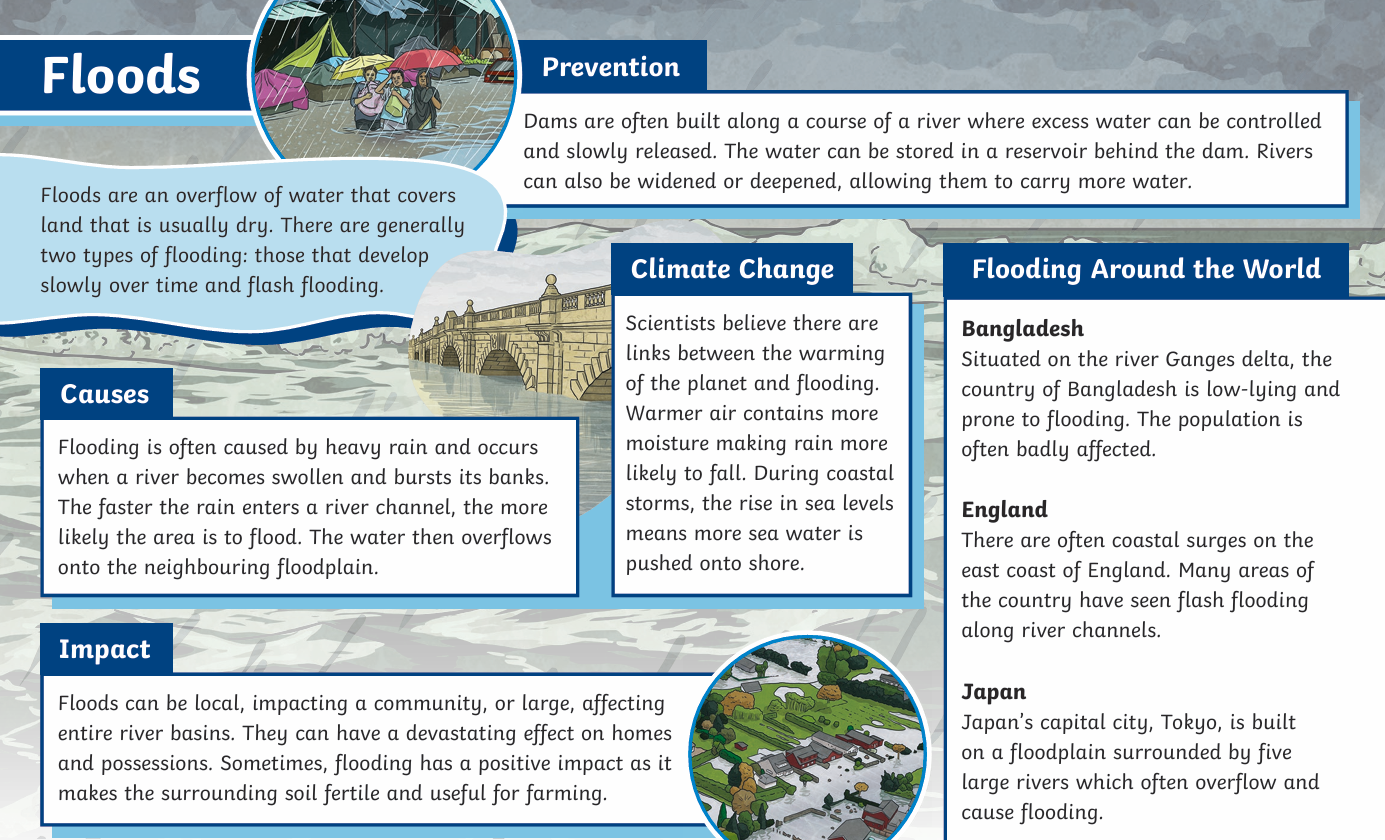
Floods: Homes can be destroyed
Animals may lose habitats
Crops can be ruined
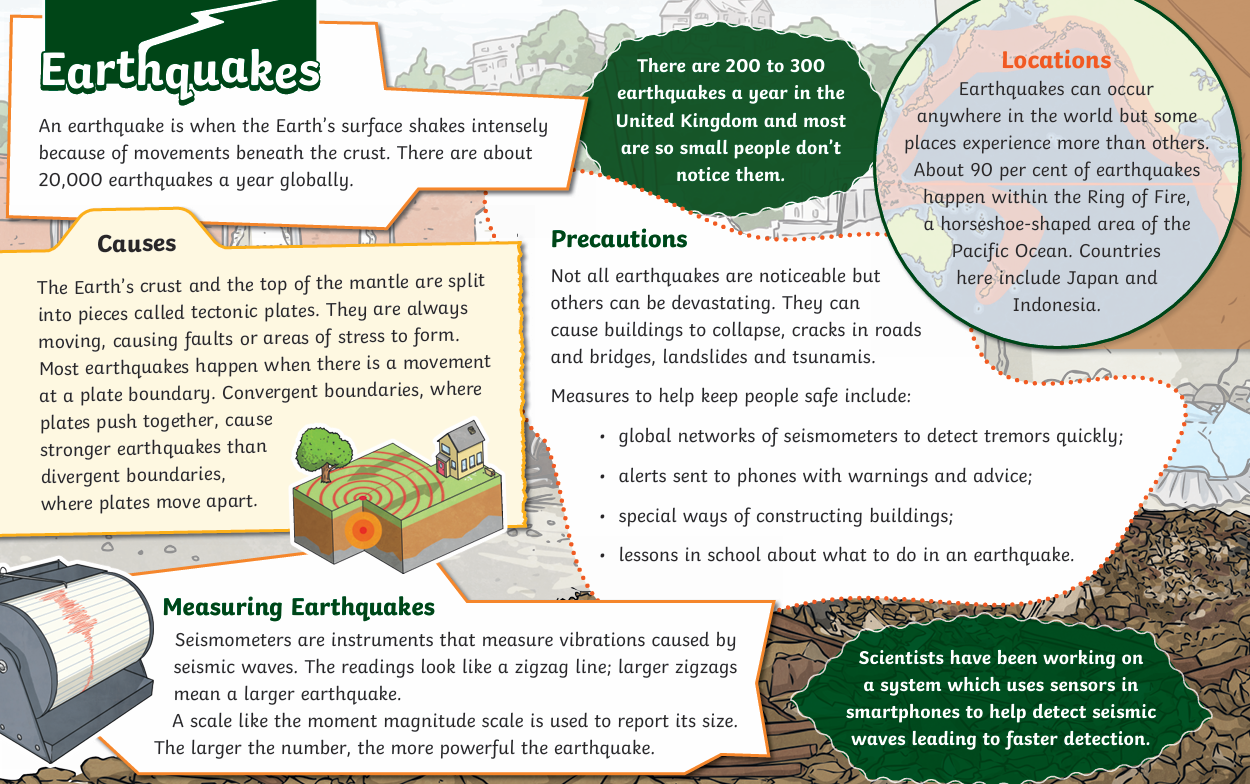
Earthquakes: Buildings collapse
People may get injured
Animals may become displaced
Volcanoes: Ash can cover plants and stop them growing
Air can become unsafe to breathe
Animals may need to escape
Wildfires: Forests are destroyed
Animals lose their homes
Smoke affects humans and animals
Animals living in the wild are particularly vulnerable during natural disasters. Earthquakes, hurricanes, volcanic eruptions, tsunamis, and forest fires can have devastating consequences. Let’s explore how these events impact animals.
-
Earthquakes and Tsunamis:
- Earthquakes strike without warning and can shake both land and seabed. Animals may be displaced, swept away by high winds or rushing floodwaters, or trapped with no escape.
- Small animals can drown more easily, have their burrows flooded by heavy rains, or be crushed or burned.
- Displaced animals crowded together risk major outbreaks of disease and parasite infestations.
- Malnutrition and starvation due to limited food supplies become significant risks.
- Exposure to sun, cold, or wind without adequate shelter can also harm animals.
- Tsunamis can directly kill marine animals or affect water temperature and the amount of salt in the water, impacting their health
-
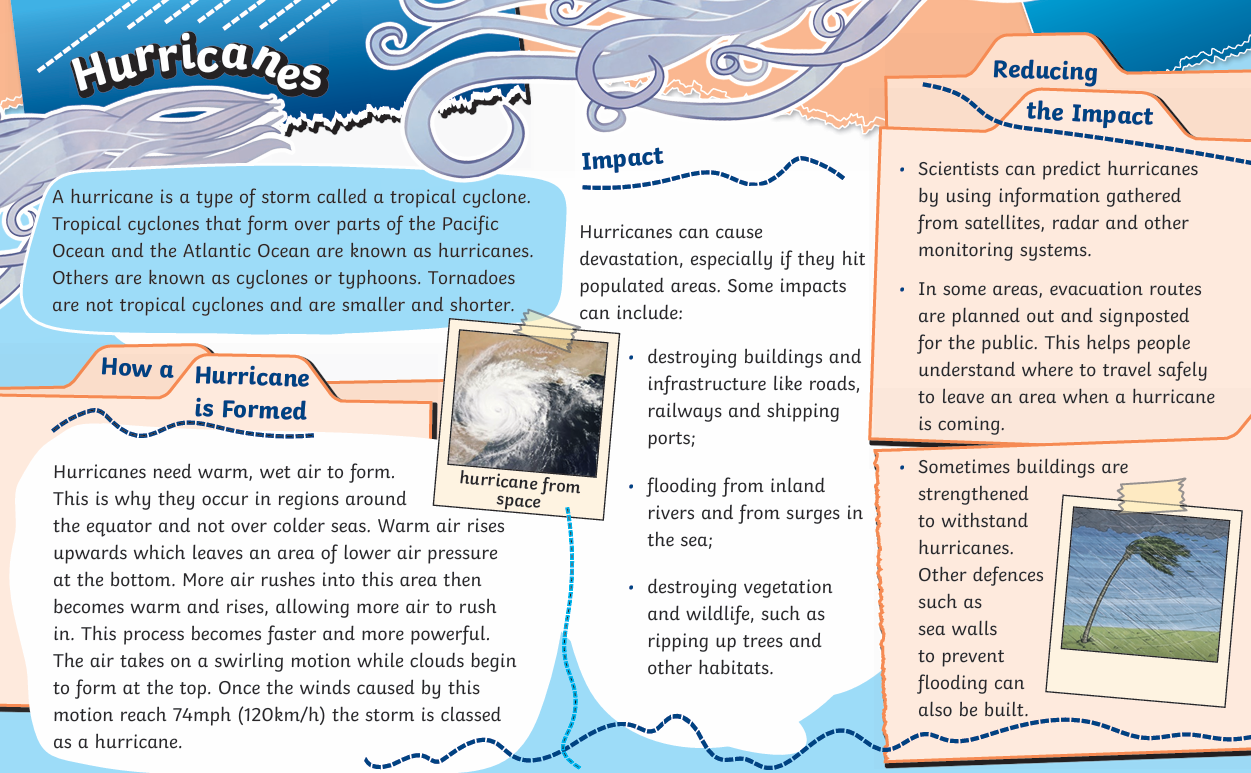
Hurricanes:
- Animals can be battered by strong winds, heavy rain, and flooding.
- Coastal habitats are particularly vulnerable, with marine animals facing the brunt of storm surges and high waves.
- Disruption of ecosystems and loss of food sources occur during and after hurricanes1.
-
Volcanic Eruptions and Fires:
- Animals may die from being drowned or buried alive by dirt, ash, lava, or snow.
- Burrows collapse or burn, crushing animals inside.
- Debris and temperature changes in water affect marine animals.
- Poisoning from contaminated food and water is a risk.
- Exposure to extreme heat or cold can harm animals1
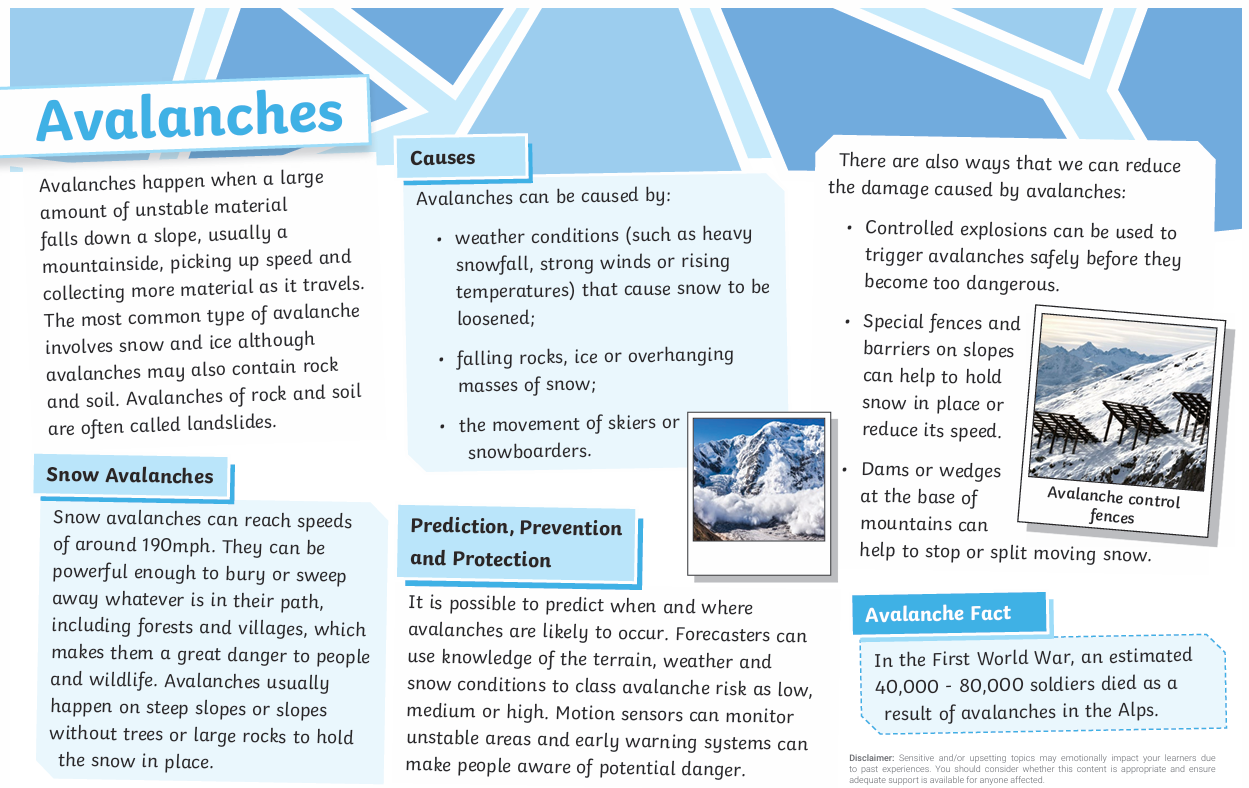
- Landslides and Avalanches:
- Animals can be buried alive or crushed by falling debris.
- Displacement disrupts their habitats and food sources2.
-
Unusual Natural Events:
- Even mild events by human standards can be catastrophic for animals.
- Survival depends on species adaptations, life stage, breeding season, migratory behavior, and habitat.
- Animals with sharp senses or means of escape have better chances.
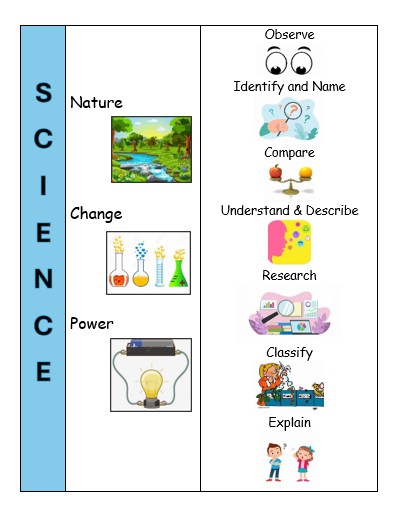
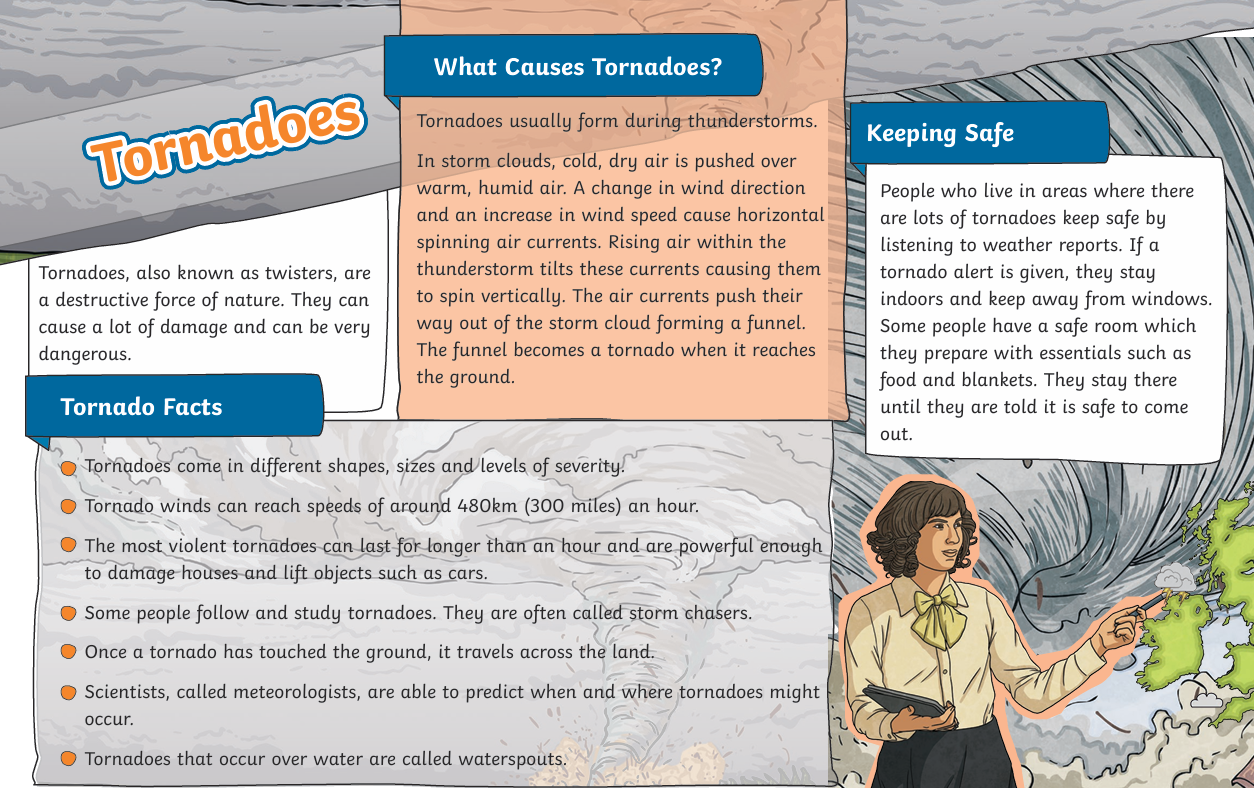
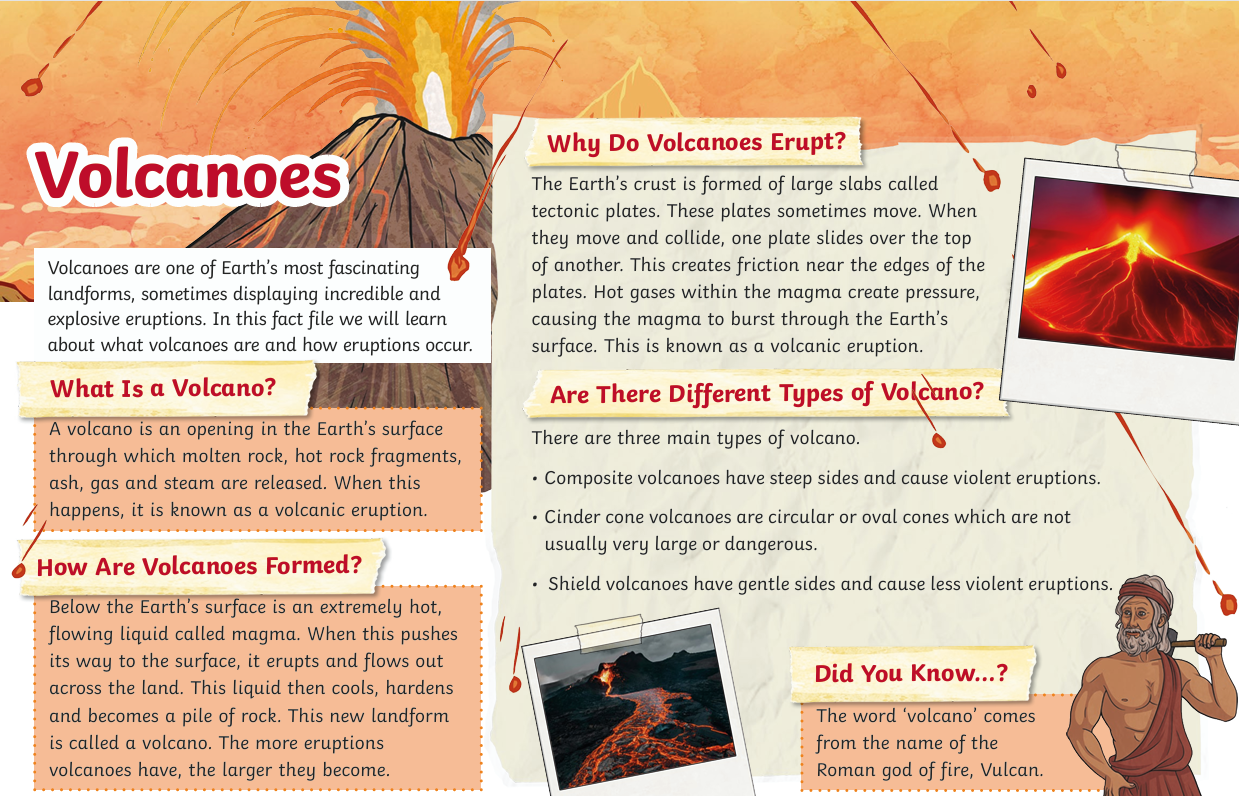
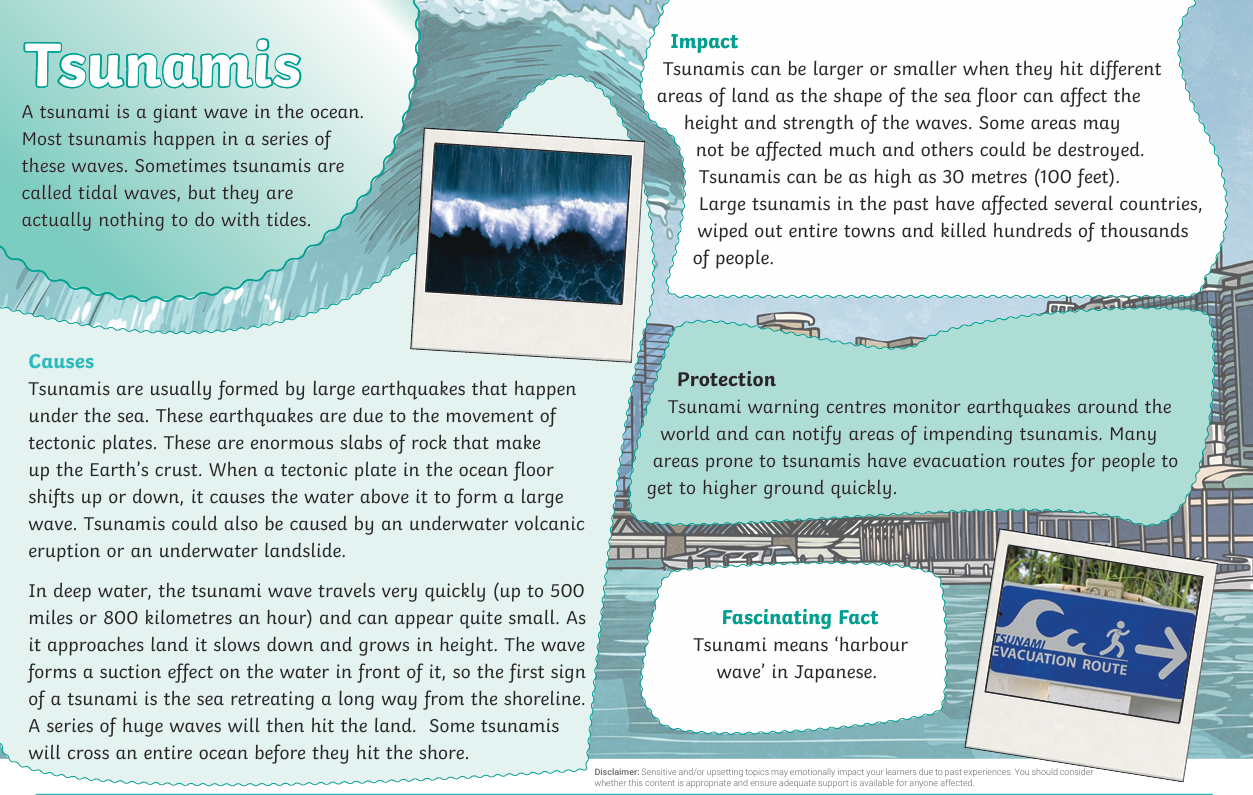
I would like you to make a poster to explain what you have learned. Set it out in a similar way to the image below. Don't copy it because the example is not about living things.
| Name of disaster | Picture of disaster. | The effect on living things. |

Adapted:
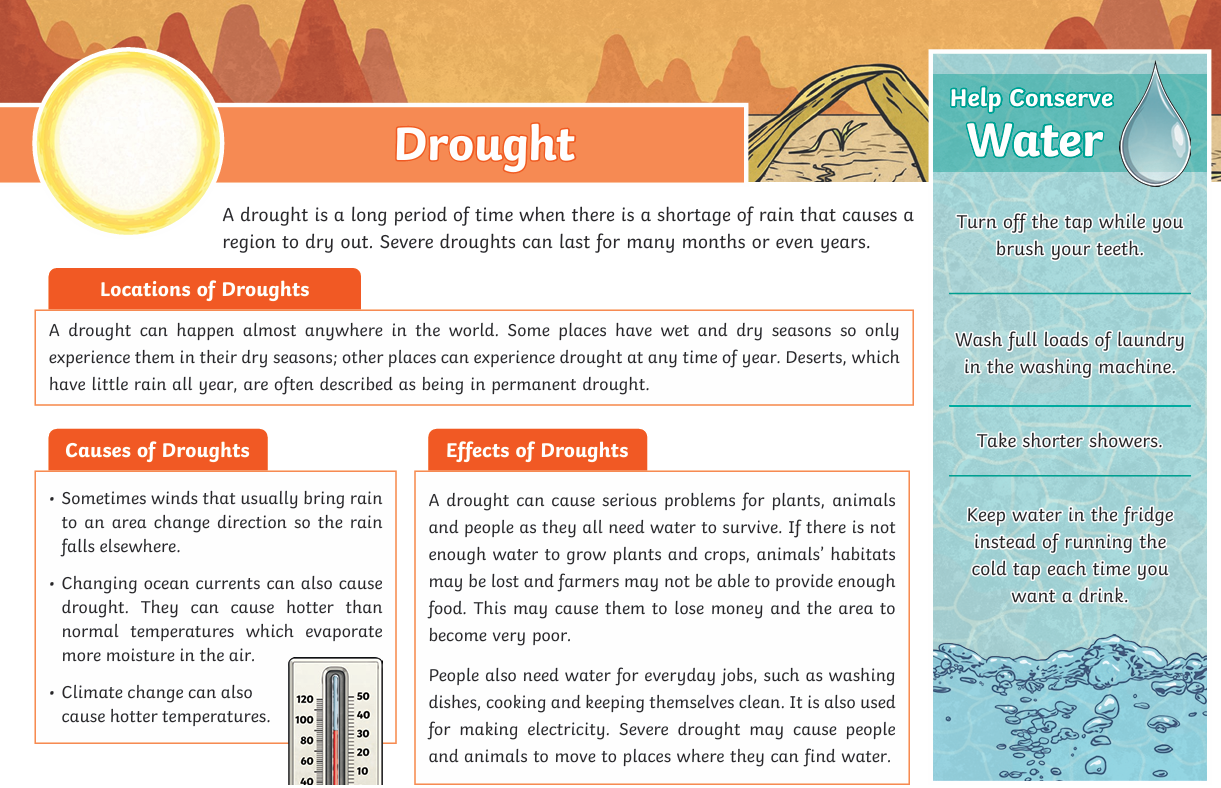
Choose one natural disaster and draw a picture of it and write one sentence on how this can affect living things.
Being Fair and Kind
Hold up two objects (one big, one small). Ask: “Which matters more?”
Message:
Jesus reminds us that we often treat small mistakes in others as if they are big problems—but excuse our own bigger mistakes.
Being realistic means recognising that everyone makes mistakes, including us. When we understand this, we become more patient and kind.
Key message:
Fairness means treating others with the same understanding we want for ourselves.
Reflection:
Take a quiet moment.
Ask yourself:
- Do I expect more from others than I do from myself?
- How can I show kindness instead of criticism today?