



Wednesday 25th March 2026

Calculate these using the strategies you have learned.
4552 + 3629 =
7124 - 583 =
12 x 6 =
56 x 1 =
681 x 4 =
593 x 8 =
2.9 + 0.2 =
4.93 - 0.04 =
82 ÷ 10 =
31 ÷ 100 =
Wednesday 25th March 2026
Make inferences and justify with evidence from the text.
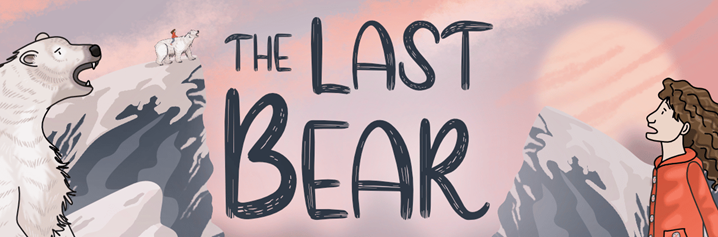
My turn:
Why did April keep still when she first saw the bear?
Why did April think the bear liked its name?
Your turn:
1. How did the bear know that April had put food on the rock?
2. Why do you think the bear kept looking at April whilst he ate?
3. What did April think the bear was going to do when it lunged at her?
4. Why do you think April felt calmer around the bear at the end of the chapter?
5. Why did April curl her fingers around the knife in her pocket?
Adapted
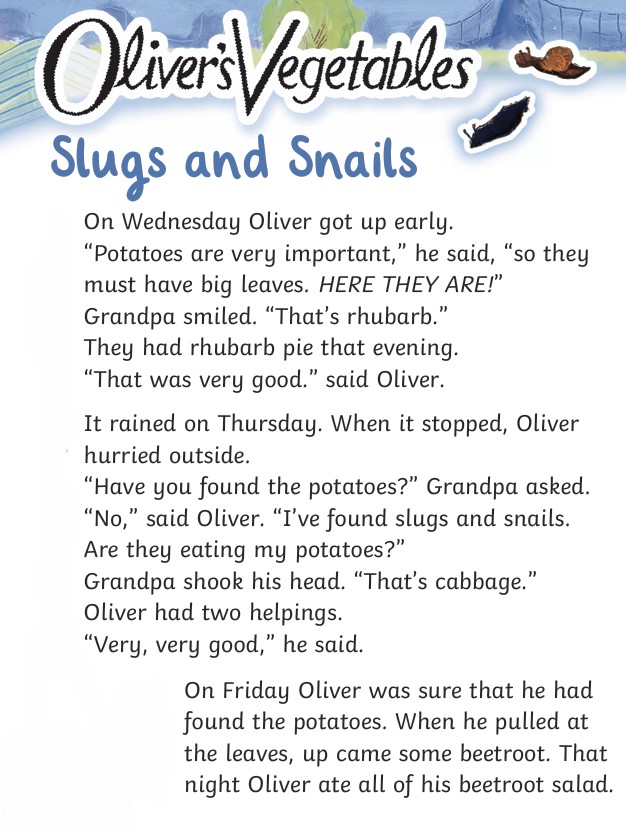
1. Did Oliver enjoy the rhubarb pie? How do you know?
2. How do you think Oliver felt when he saw the slugs and snails? What makes you think that?
3. Did Oliver enjoy easting the cabbage? How do you know? Give two reasons.
4. What did Grandpa make with the beetroot? How do you know?
Adapted
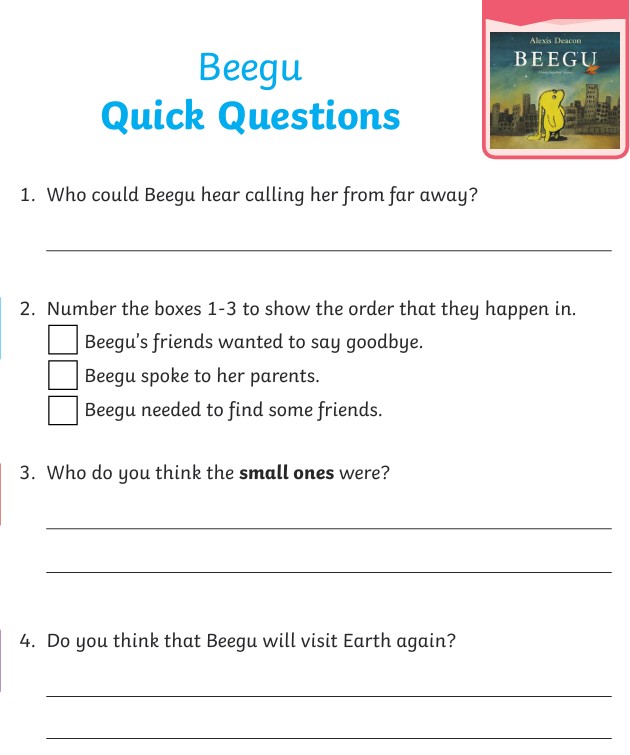
Shared read the story with your teacher.
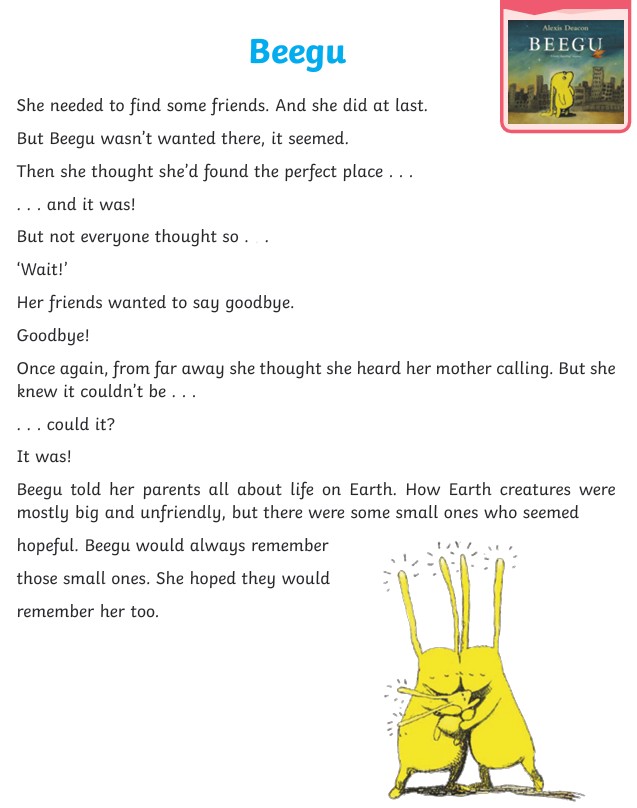
Now help your teacher answer the questions:
Wednesday 25th March 2026
LC: To write a poem including rhyming words.
Task:
Read through the texts below and in groups write down a variety of words related to climate change affecting polar bears.
You will be writing down a range of rhyming words below each word to help you write your polar bear poems.
You can use the documents below to help you.
read turn learn information cards 1 .pdf
Adapted:
LC: To learn a poem and perform it.
Polar Bear’s Ice
A polar bear on ice so white,
Walking softly, day and night.
The ice is melting, drip, drip, drip,
Splash goes water—slip, slip, slip.
“Where’s my home?” the bear might say,
“It’s getting smaller every day.”
He looks for fish, he looks around,
But less and less ice can be found.
Let’s help the Earth, both you and me,
To keep the ice for bears to be.

25.03.26
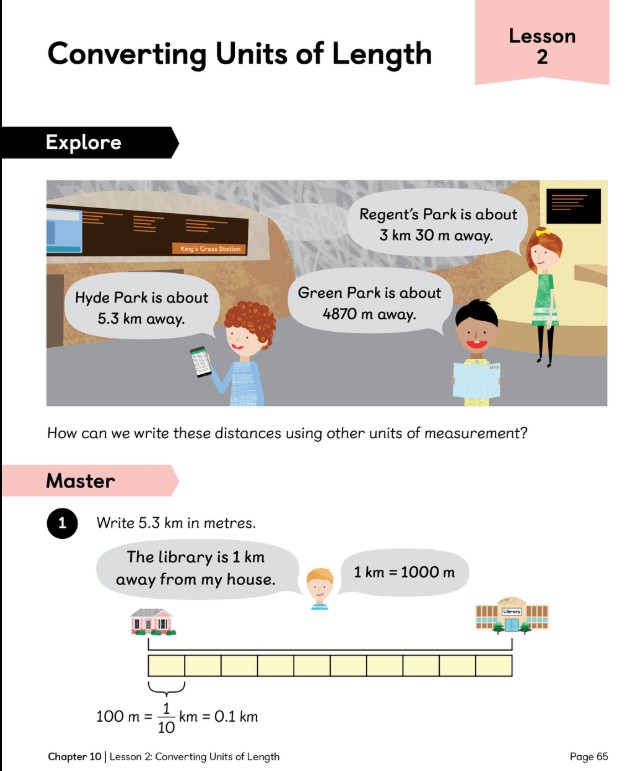
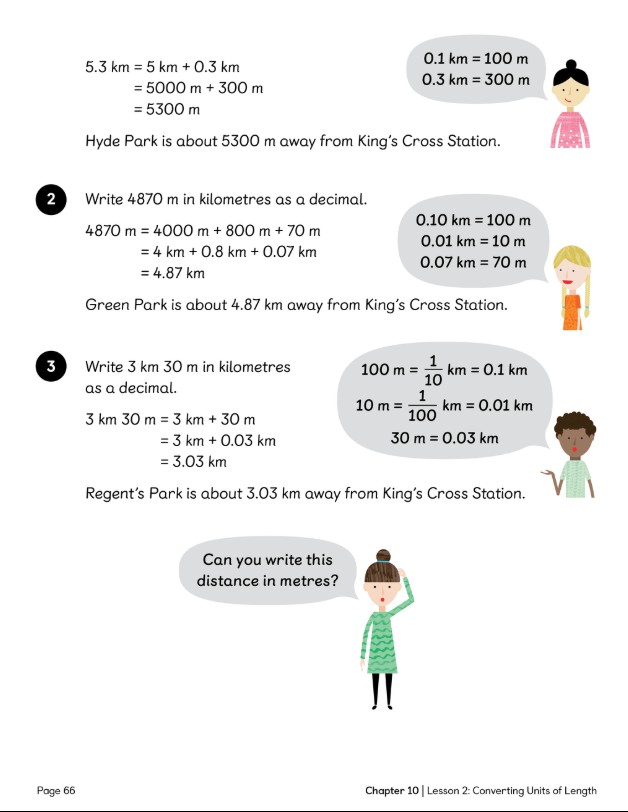
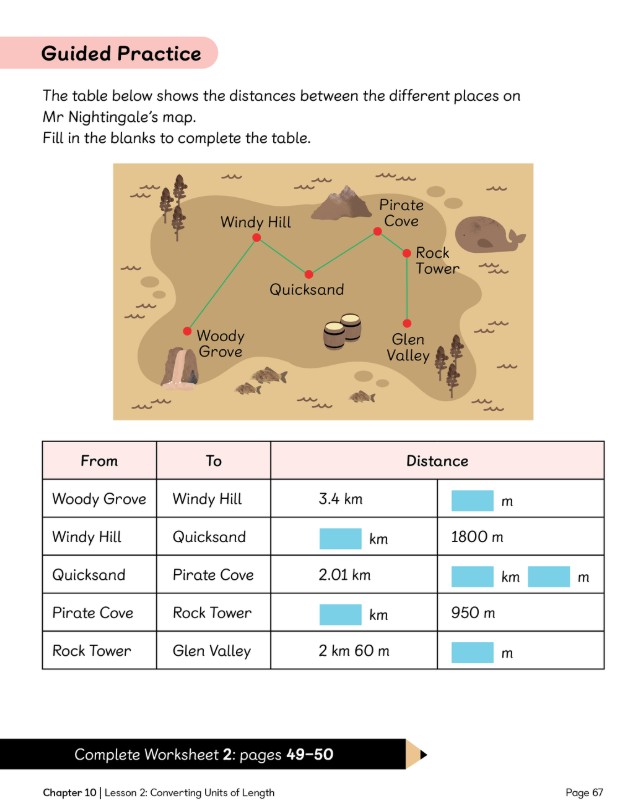
LC: Convert units of length
Adapted
Review
Bingo
Divide your whiteboard into a 3x2 grid.

Choose 6 of the words below and write each one in a section of your grid.
If you hear your word being read, cross it off. Put your hand up quickly once you have crossed them all off.
regular caught consider difficult grammar group certain position knowledge experiment
Learning
Focus: The /ʃ/ sound spelt ch, e.g. chef, chalet, machine.
Read these words with me:
chef
champagne
Charlotte
machine
brochure
parachute
Can you identify the common sound in each word?
How is the /ʃ/ sound spelt?
These words are mostly French in origin.
The most common grapheme for the /ʃ/ sound is sh.
The suffixes -tion, -sion, -ssion, -cian also contain the /ʃ/ sound.
We can use the Sticky Word Strategy: Colourful Words to help us learn how to spell these words:
chef
machine
Practise and Apply
Sticky Word Strategy: Colourful Words
Charlotte
chalet
brochure
parachute
quiche
chandelier
pistachio
Apply two or three words in a sentence, orally and in writing.
Turning Points for Jesus’ Followers
Theme: Change in feelings and belief
Key story points:
-
The disciples were scared when Jesus died
-
They hid and didn’t know what to do
-
Then they learned Jesus was alive again (resurrection)
-
They became brave and shared the good news
Key message:
Their fear turned into courage - a big turning point!
Activity:
Ask: “What helps you feel brave when you are scared?”
Reflection:
People can change and become stronger.
Optional prayer:
“Help us be brave and do the right thing, even when we are afraid.”