

Thursday 12th March 2026

Review
|
Define It Remember that the root graph is a Greek word meaning 'to write'. autograph grapheme biography graphite geography homograph photograph
This is a person's signature, usually written by hand. This is a letter or group of letters that represent a sound in a word. This is a soft black or grey material made of carbon that is used in pencils. This is a word that is spelt the same as another word but has a different meaning and sometimes a different pronunciation too. This is a picture taken with a camera. |
Teaching
|
The root multi comes from the Latin word multus meaning 'much' or 'many'. It is also a prefix.
multicoloured: has many different colours. multitask: can perform many tasks at the same time. multilingual: can speak in many languages.
Can you orally compose sentences containing these words for me to write? multicoloured multitask multilingual Practise and Apply
|

Thursday 12th March 2026
LC: To read and record information on polar bears.
Grammar
Determiners:
Reminder:
articles: a/an, the
demonstratives: this/that; these/those
possessives: my/your/his/her/its/our/their
quantifiers: some, any, no, many, much, every
Check and improve these sentences using the correct determiners.
Many Artic circle is an imaginary line around the globe.
Sea-ice provides a platform for this creatures.
Every one of us needs these ice in some frozen worlds.
We are burning fossil fuels which release carbon dioxide into these Earth’s atmosphere.
Many causes global warming and ice melting.
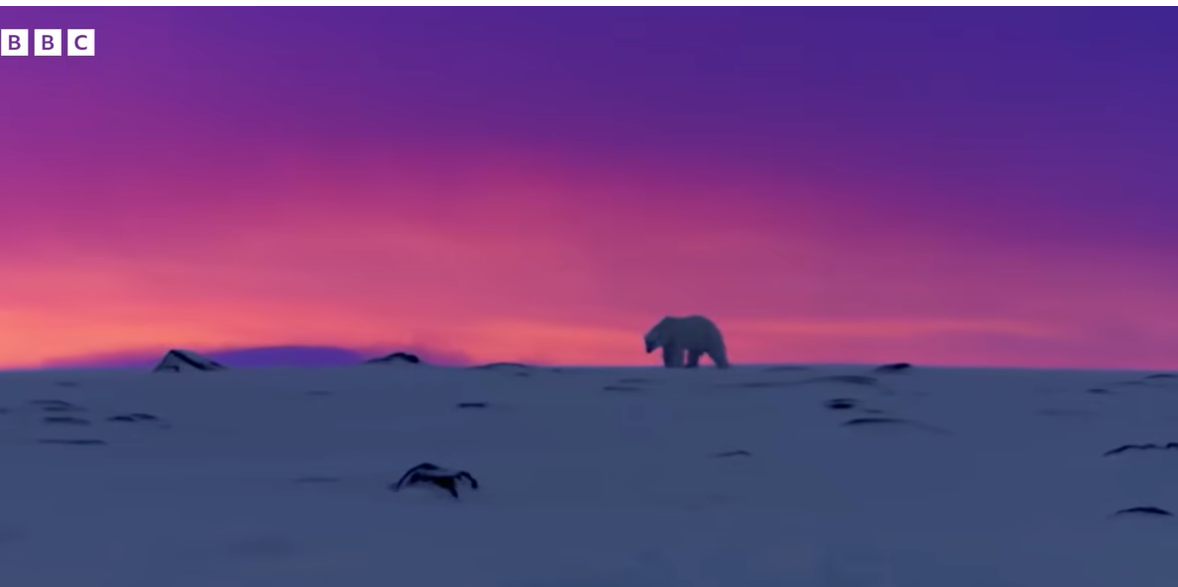
Task: Read the polar bear facts and make notes on Polar Bears.
Read, turn and learn again.
Polar Bear Facts
- There are 8 different types of bears in the world and polar bears are listed as a vulnerable species. This means they could become extinct unless people protect them and their habitats.
- Male polar bears are twice the size of females and can weigh as much as ten teachers – up to 750kg!
- When standing on their back legs, they can be up to 3m tall. Their huge size and weight makes them the world’s largest predator.
- Polar bears like to live by themselves on the frozen Arctic sea where the average winter temperature is -34 degrees, twice as cold as ice-cream!
- They have thick layers of blubber and fur to keep them warm and can swim happily for long distances in the freezing water without getting cold! The furthest recorded swim was 300km.
- Polar bears mainly eat seals which give them lots of energy but are very difficult to catch. Although they are really good swimmers, they are not fast enough in the water to catch seals. They use the sea ice as a platform and can wait patiently by a seal breathing hole for several hours for a seal to pop up.
- They are at the top of the food chain and are important at keeping the seal population in check.
- During the late summer and early autumn, polar bears will search for walrus and whale carcasses along the coastal areas. There is more open land at this time of the year and this diet is more varied.
- They have an incredible sense of smell and can sniff out a seal on the ice up to 32km away.
- Female polar bears normally give birth to twins in the winter and the mother digs a snow cave to keep them all warm. The cubs grow very quickly, staying with their mother for 2 years whilst she teaches them how to hunt, swim and survive in their harsh icy world.
- During severe weather, polar bears stay in their dens and don’t eat but survive off their fat reserves.
- Polar bears are extremely strong and active and can cover the ground quickly with long strides of their bowed legs. The soles of their feet are covered with hair to help them get a grip on slippery ground.
- The exploration and recovery of natural gas and oil in the Arctic Basin could destroy important polar bears habitats and food supplies.
- In March 2009, it was officially recognised that the greatest threat to polar bears has shifted from hunting to climate change.
- The crust of ice, called ‘pack ice,’ is where the polar bears like to hunt during the winter. Every year between June and October, this ice melts. Global warming has resulted in there being around 15% less ice than there was 20 years ago.
- Polar bears can live on land but they need to eat and the main place to find their food is on the ice!
LC: To independently write information about polar bears.
Talk like an Expert:
Watch the Junior Mastermind Clip setting the audience and purpose for the role play scenario.
Task: Write questions for the expert to answer.
E.g: a statement into a question from the facts collected- Polar bears are really strong swimmers. – Are polar bears good swimmers?
Role play:
Use questions generated to quiz the expert, orally, as part of the role play Mastermind.
Task: Write the next information paragraph focused on polar bears, independently. Remember to write like an expert on polar bears.
Adapted:
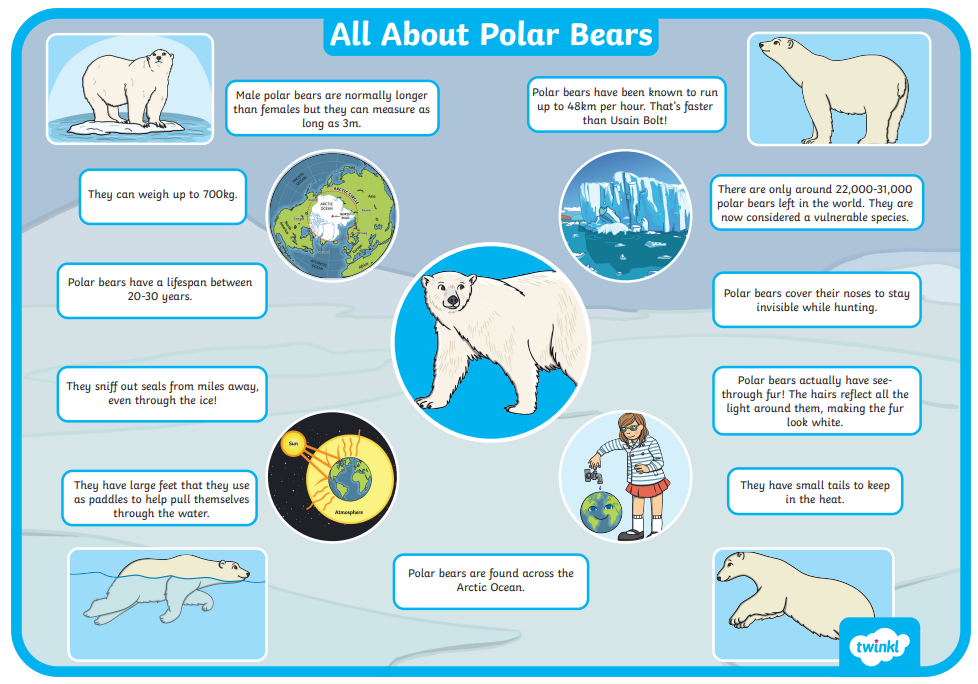
Using the information below Write information about polar bears, independently.

12.03.25
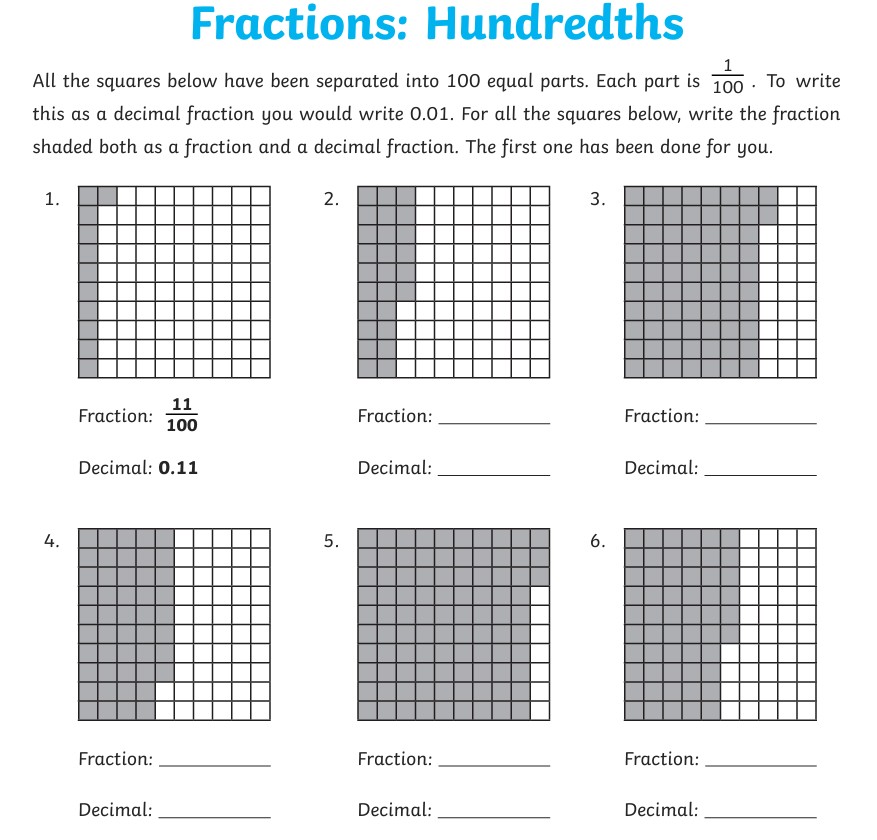
LC- To write fractions as decimals.
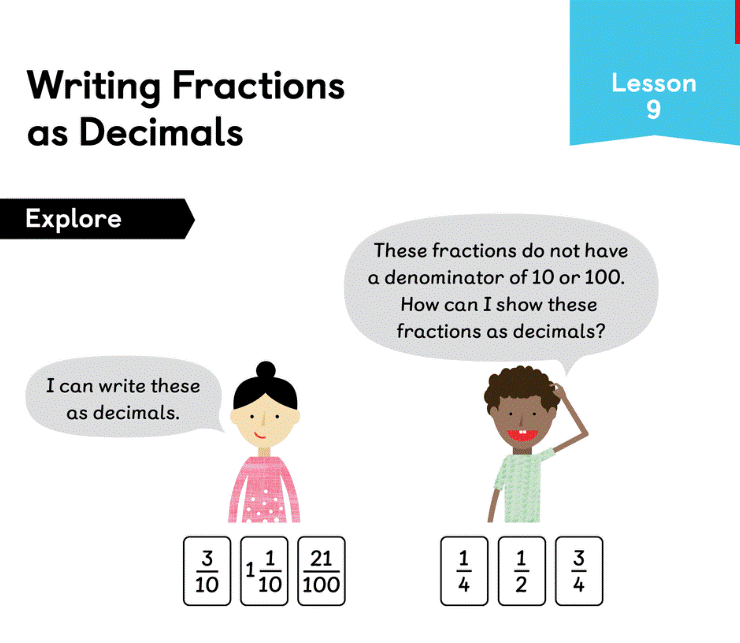
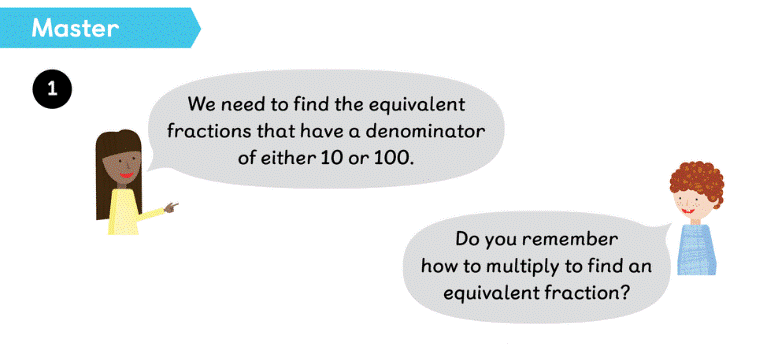
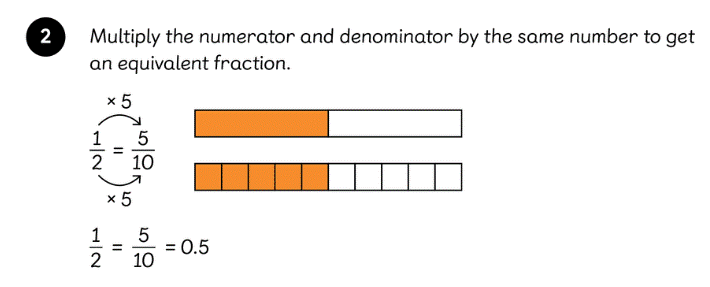
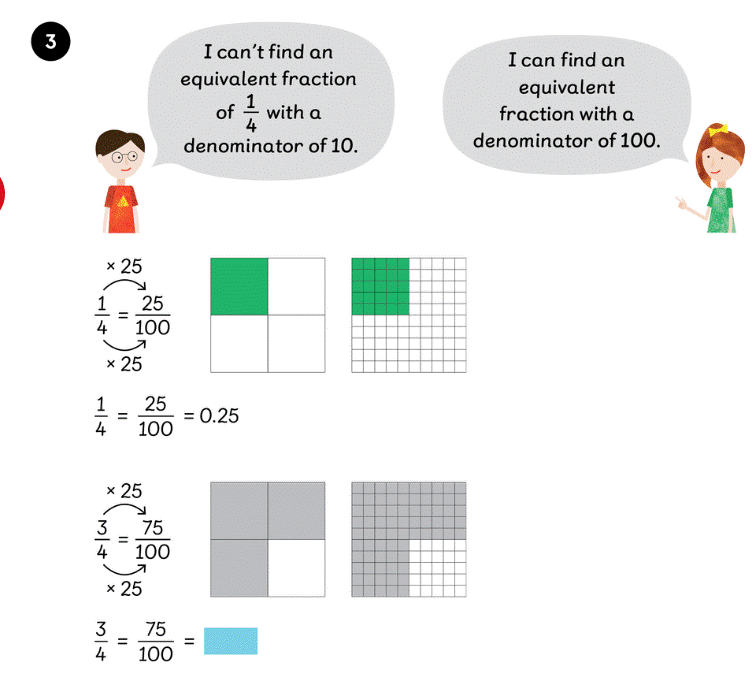
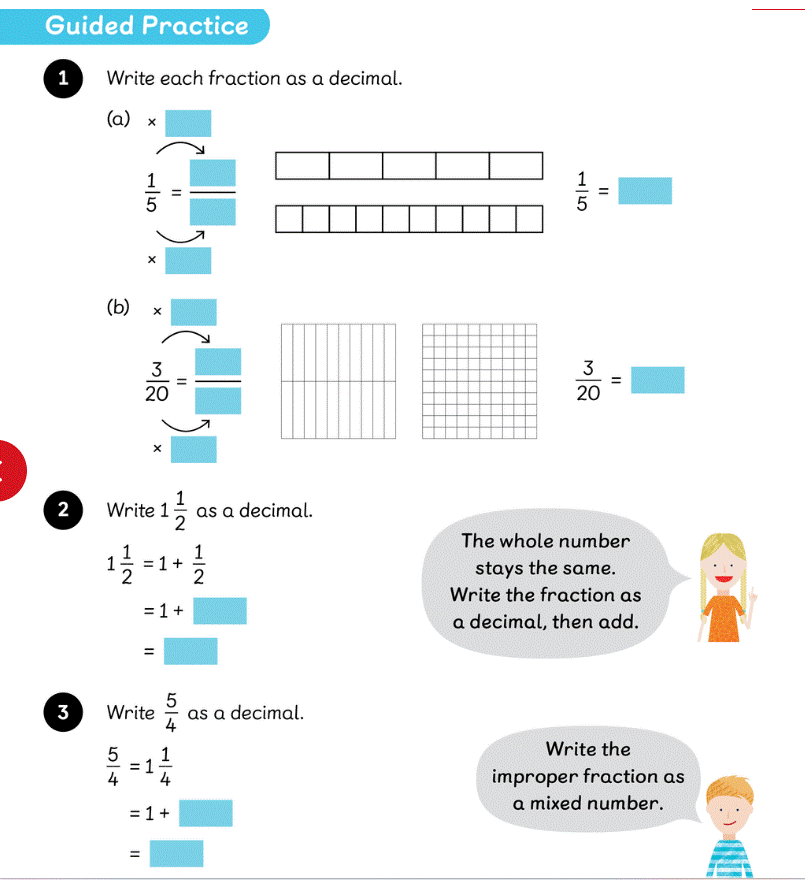
Complete worksheet 9 pages 17 and 18.
Adapted
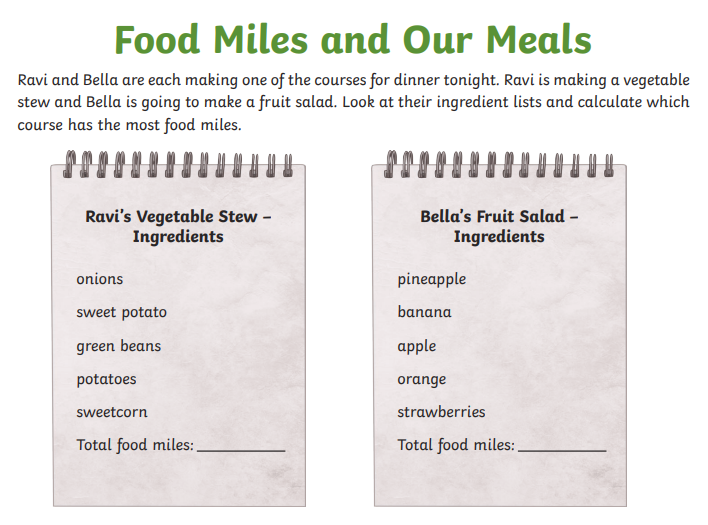
 LC: How can I make good food choices every day to protect the environment?
We will learn:
What are food miles?
Where does the food we eat come from before it reaches the shop?
What are the effects on the environment of food travelling long distances before it reaches our plates?
What are food miles?
Food miles: The distance food items travel from where they are grown to where they are eaten.
/i/video/Anne_Reid/food__miles.mp4
- Pollution: Planes and lorries emit gases that create air pollution.
- Packaging: Food transported long distances often requires extra plastic packaging to keep it fresh, creating waste.
- Hidden Costs: Sometimes, transporting food from another country has a lower carbon footprint than heating a greenhouse to grow it in the UK during winter, making seasonal eating crucial.
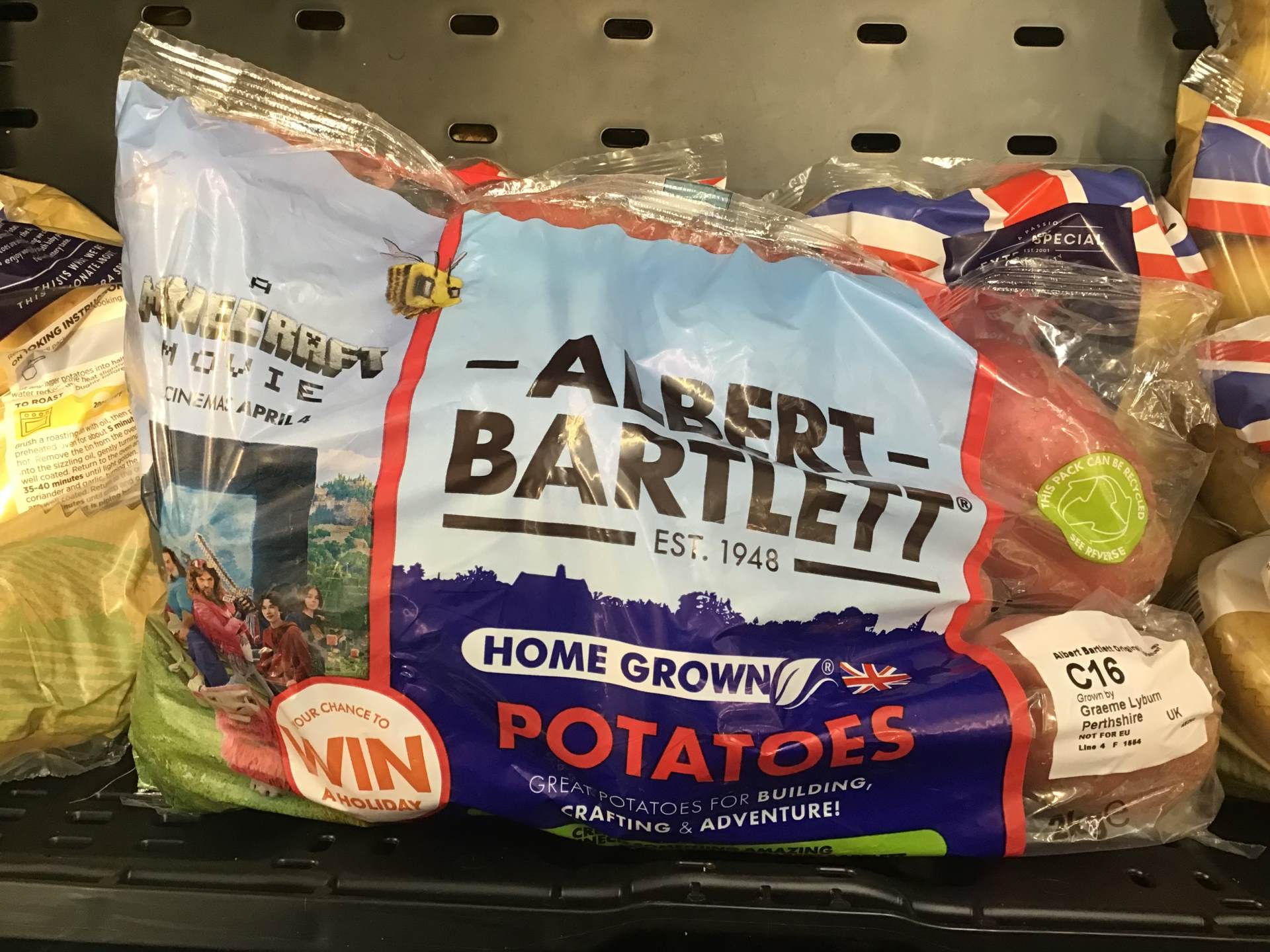
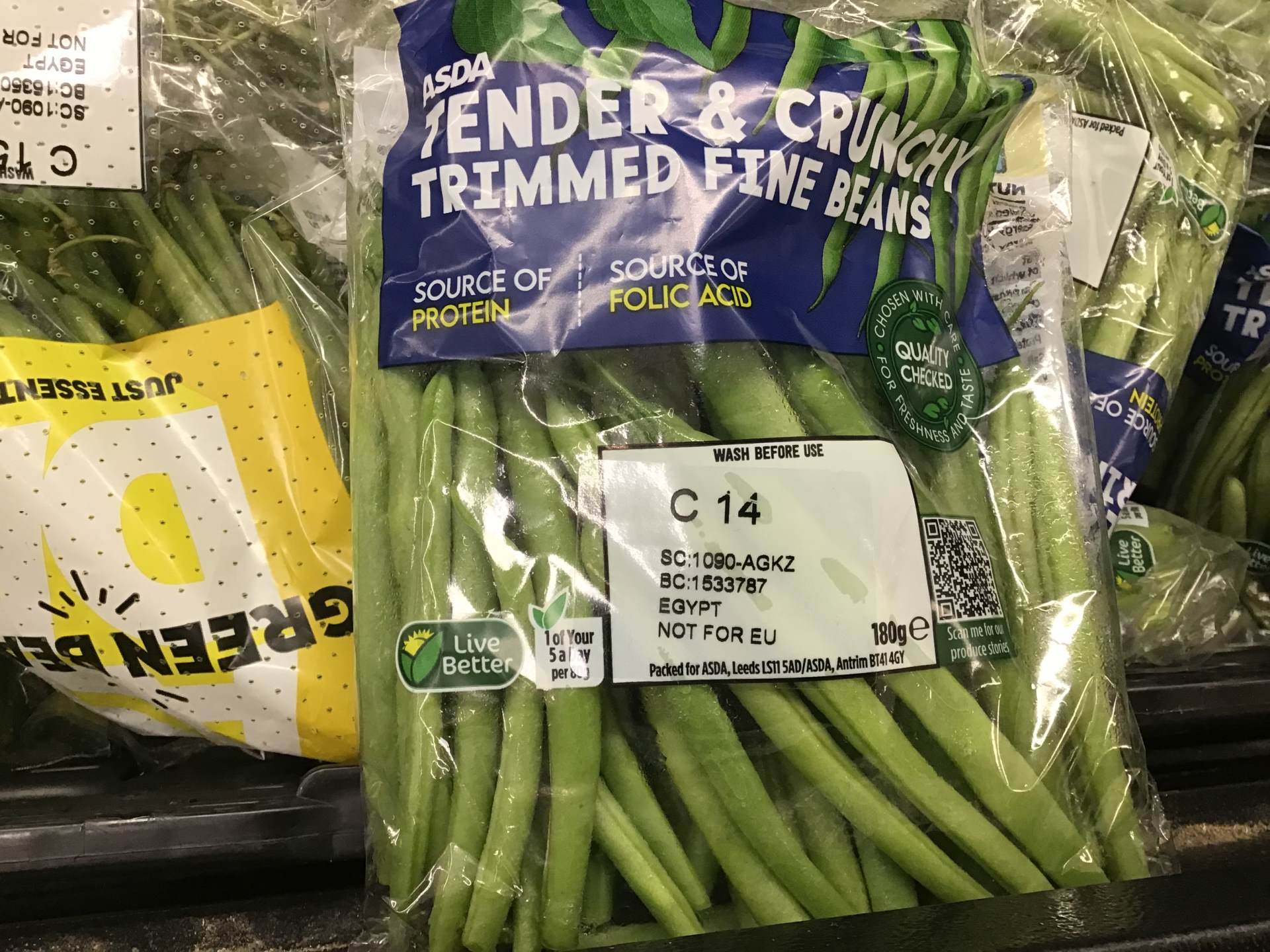
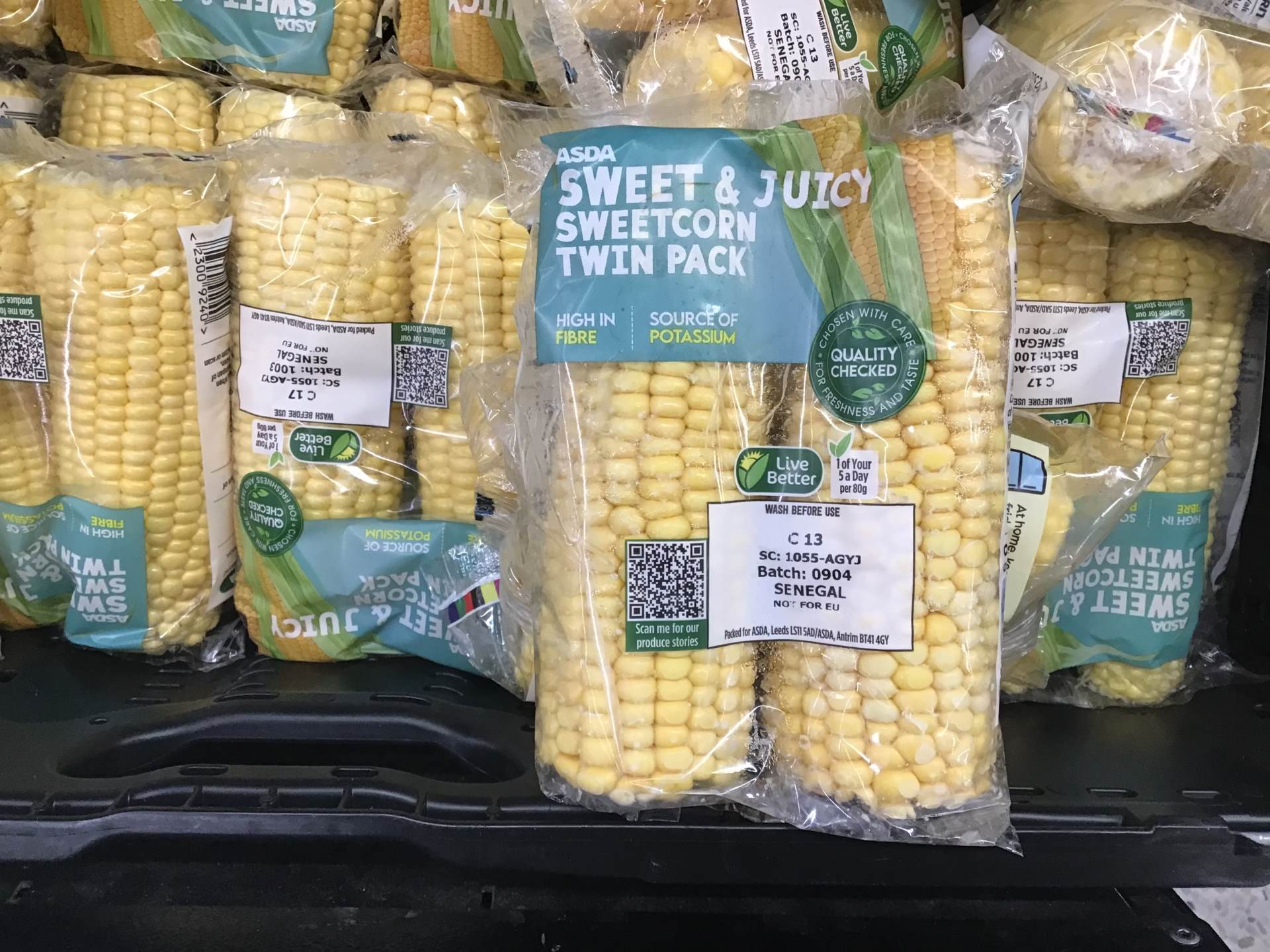
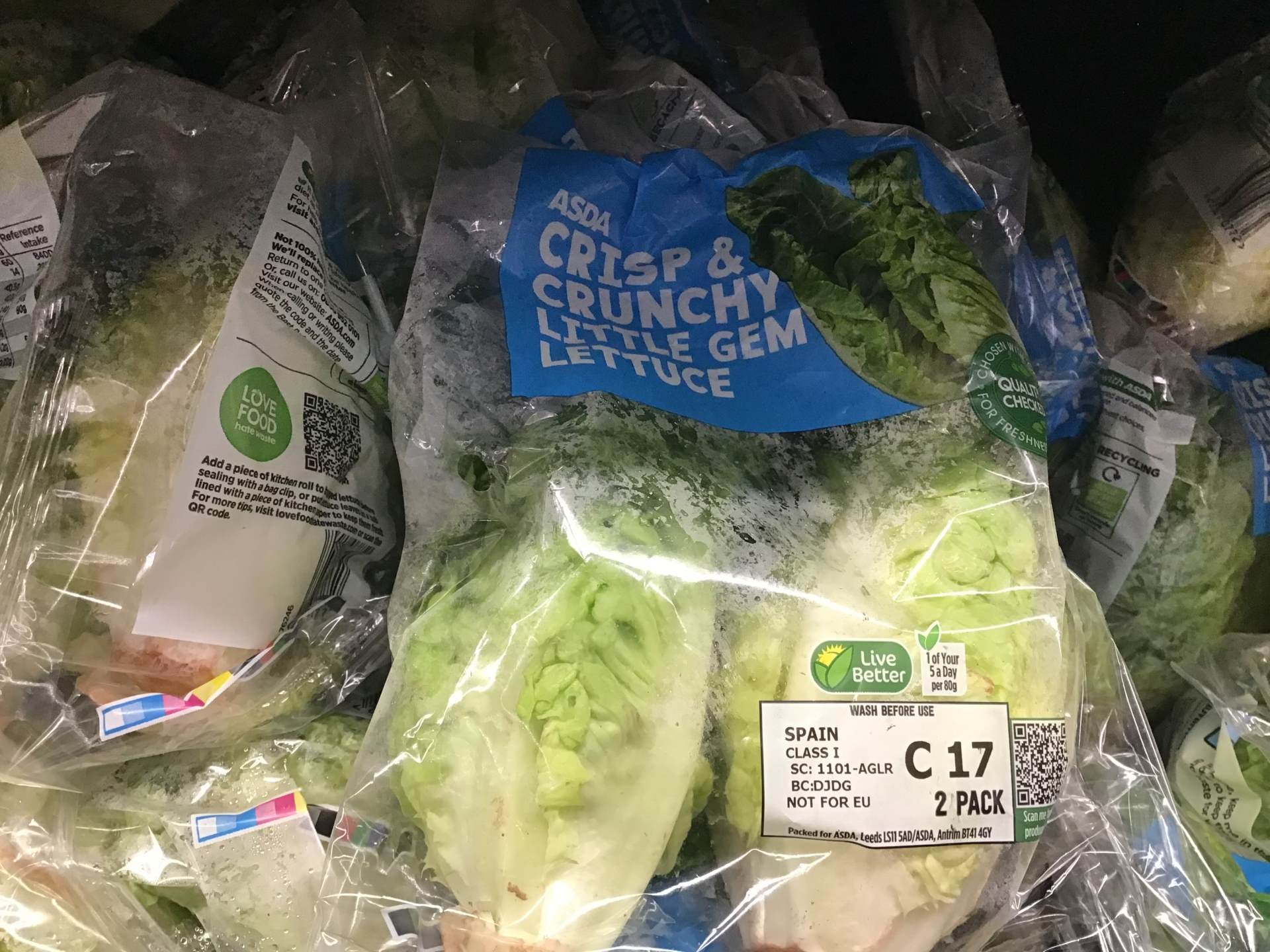
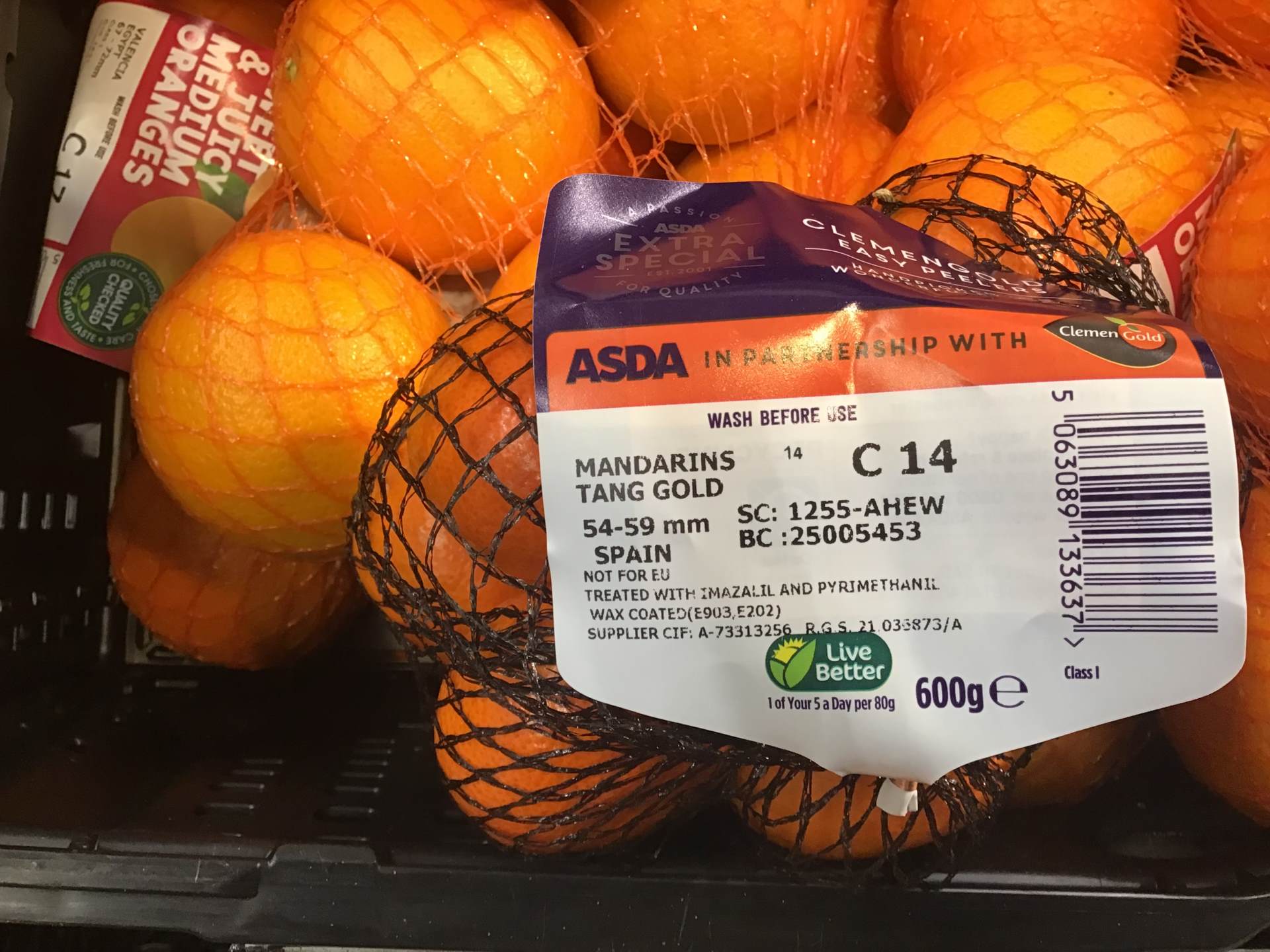
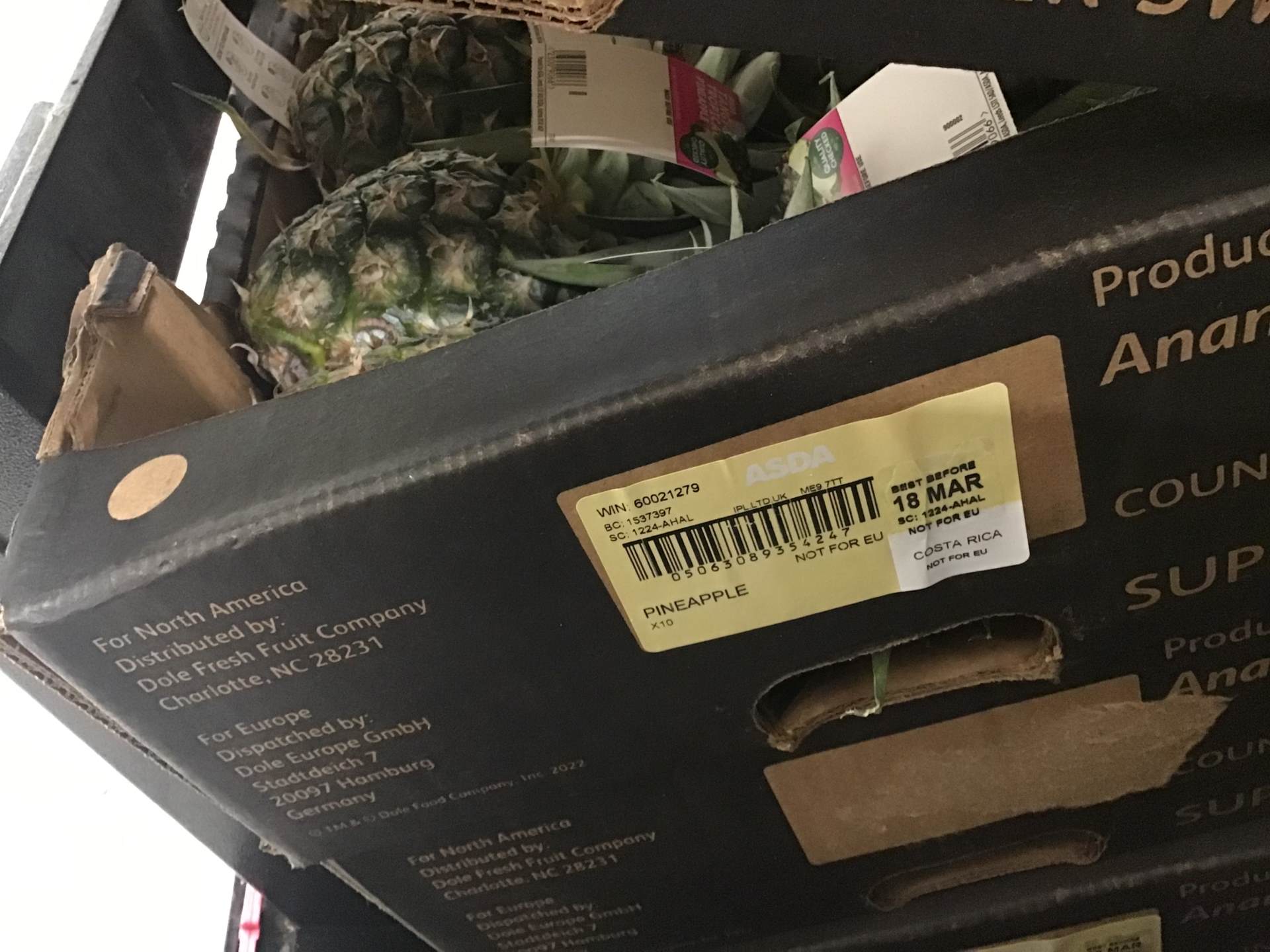
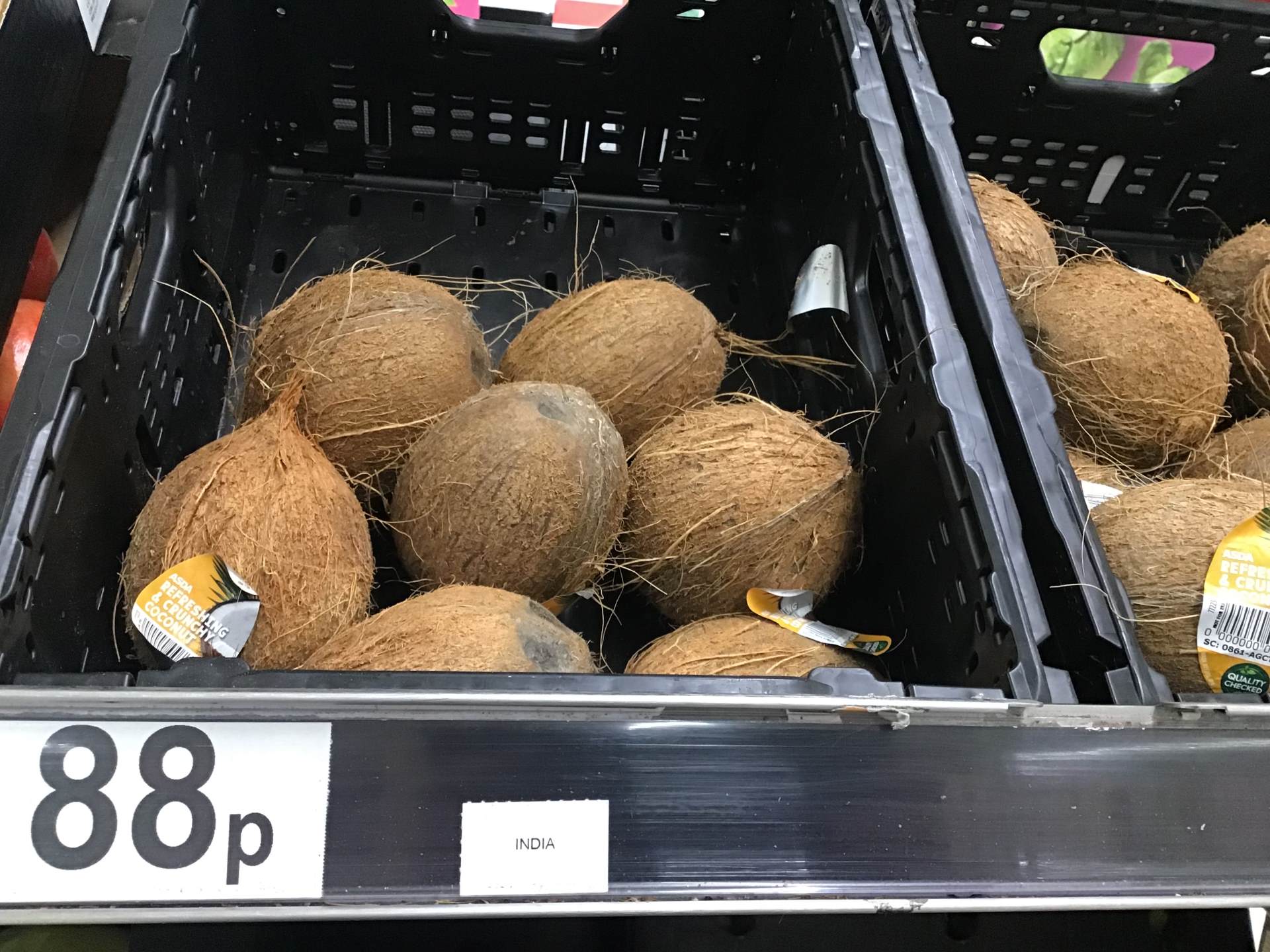
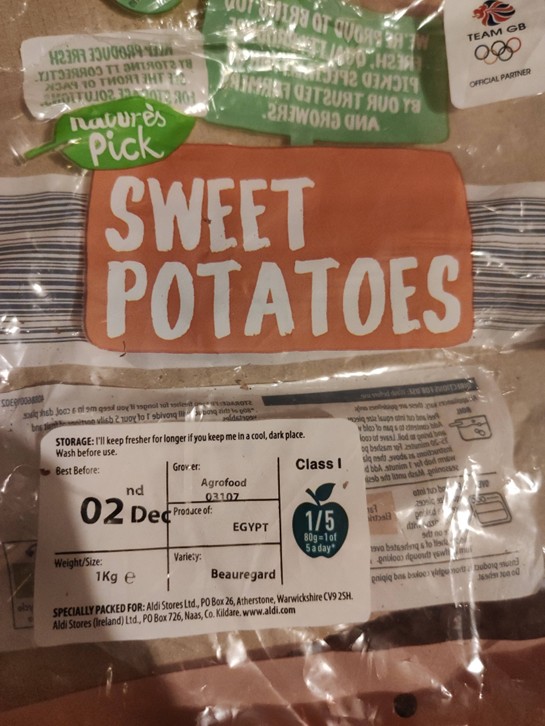
Look at the pictures below of fruit and vegetables popular in the United Kingdom.
Can you spot on the labels from which country they come?
Find each one on your sheet and record their country of origin next to them.
4K PSHCE food miles
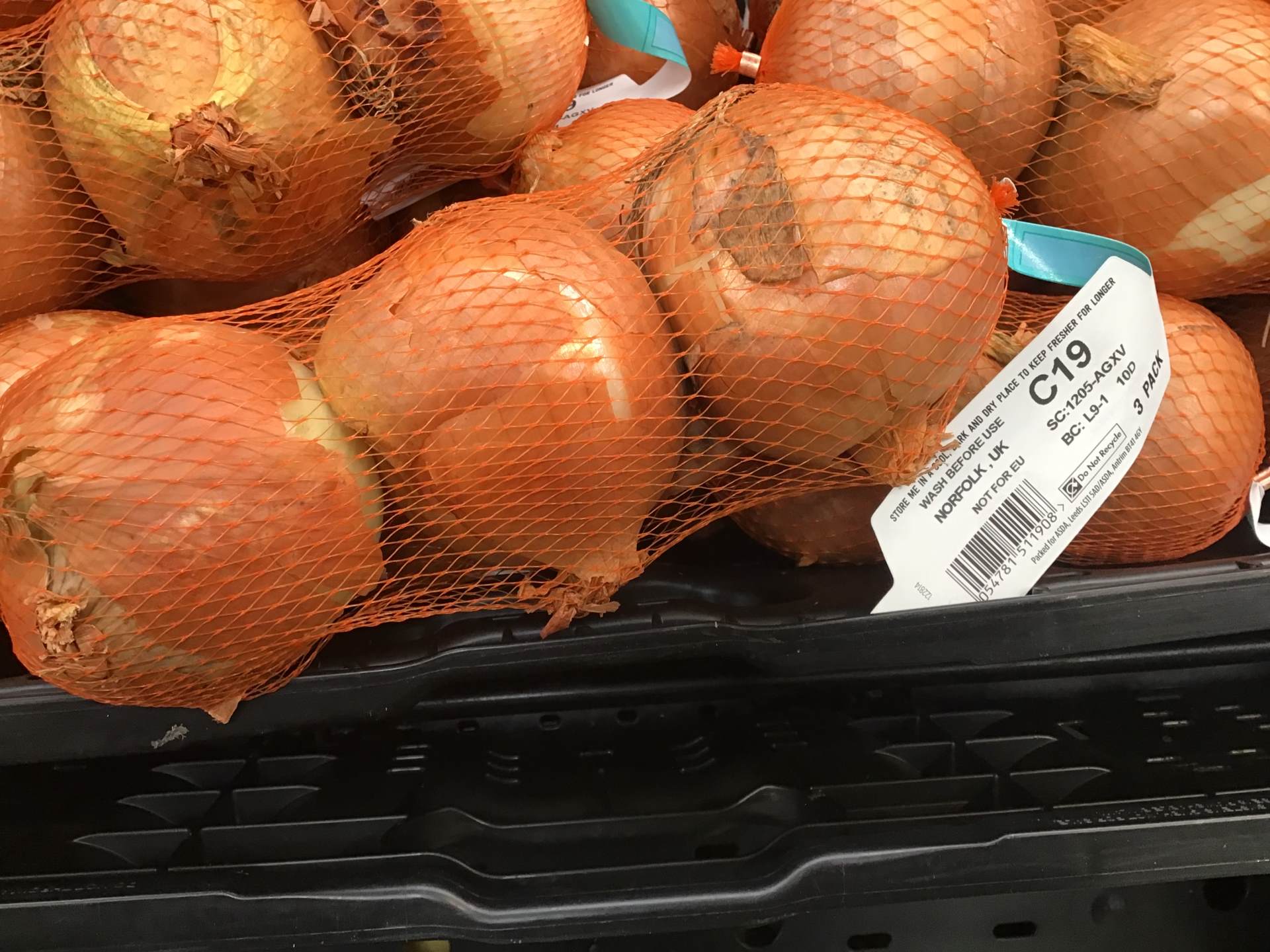
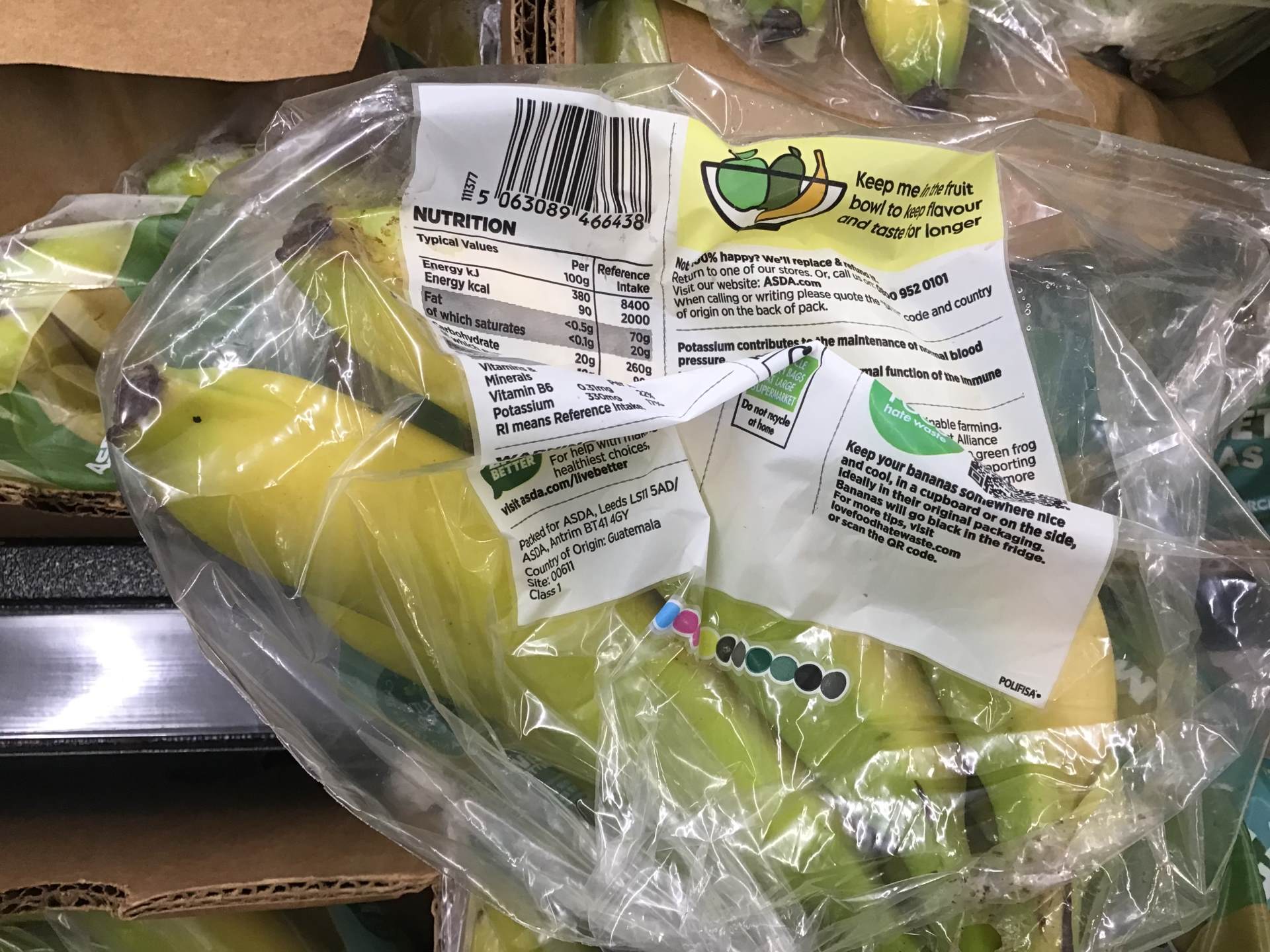
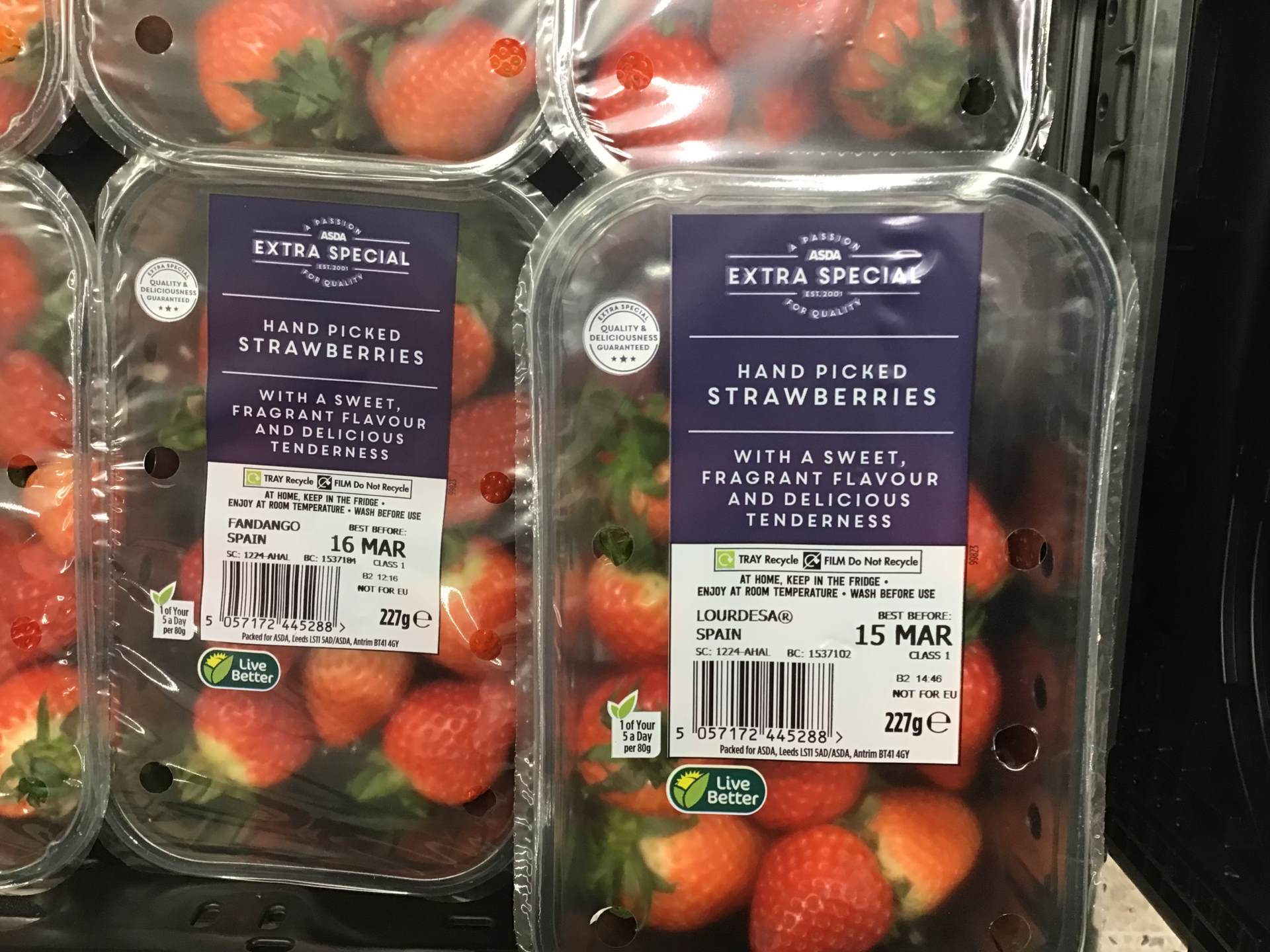
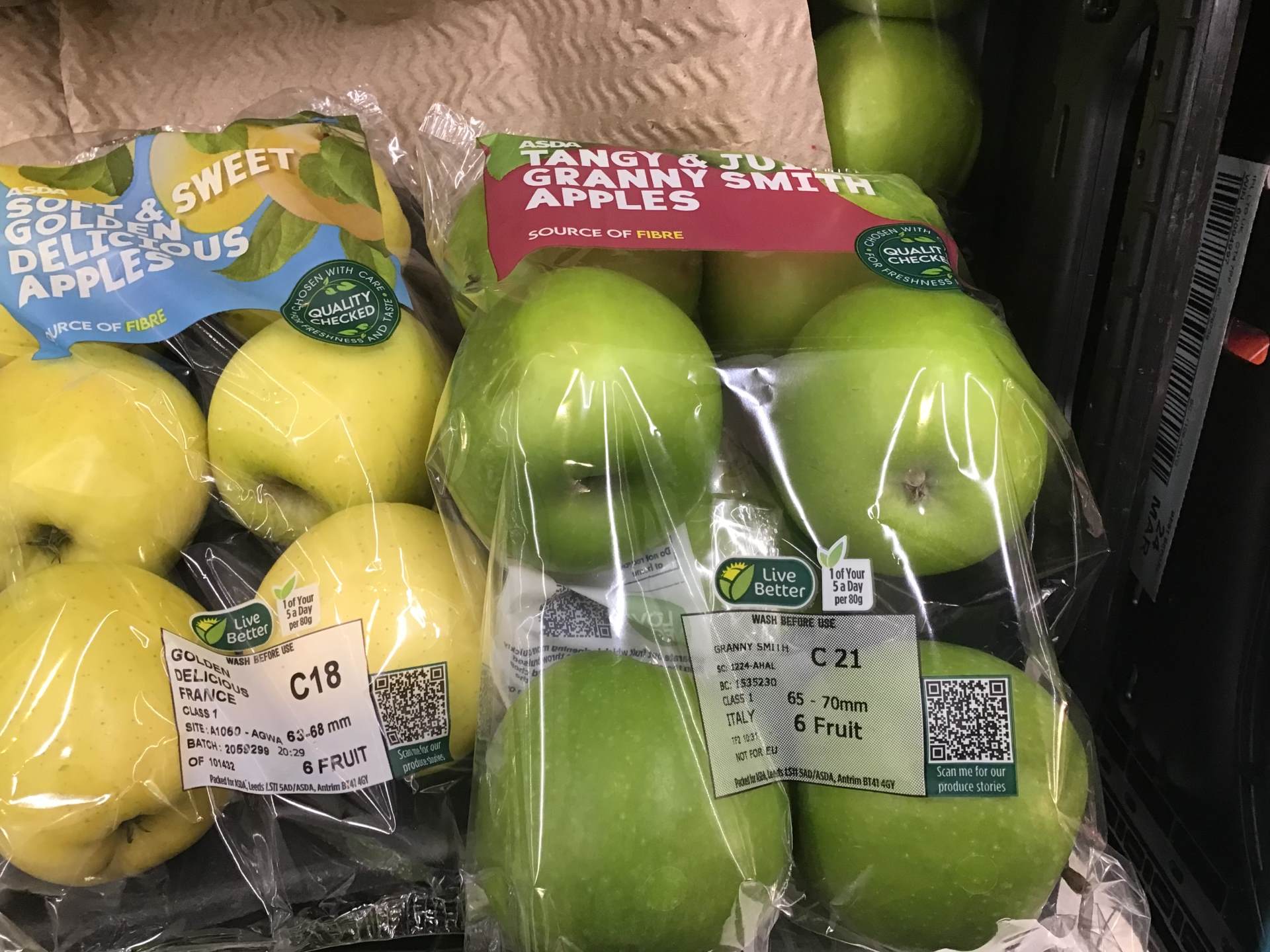
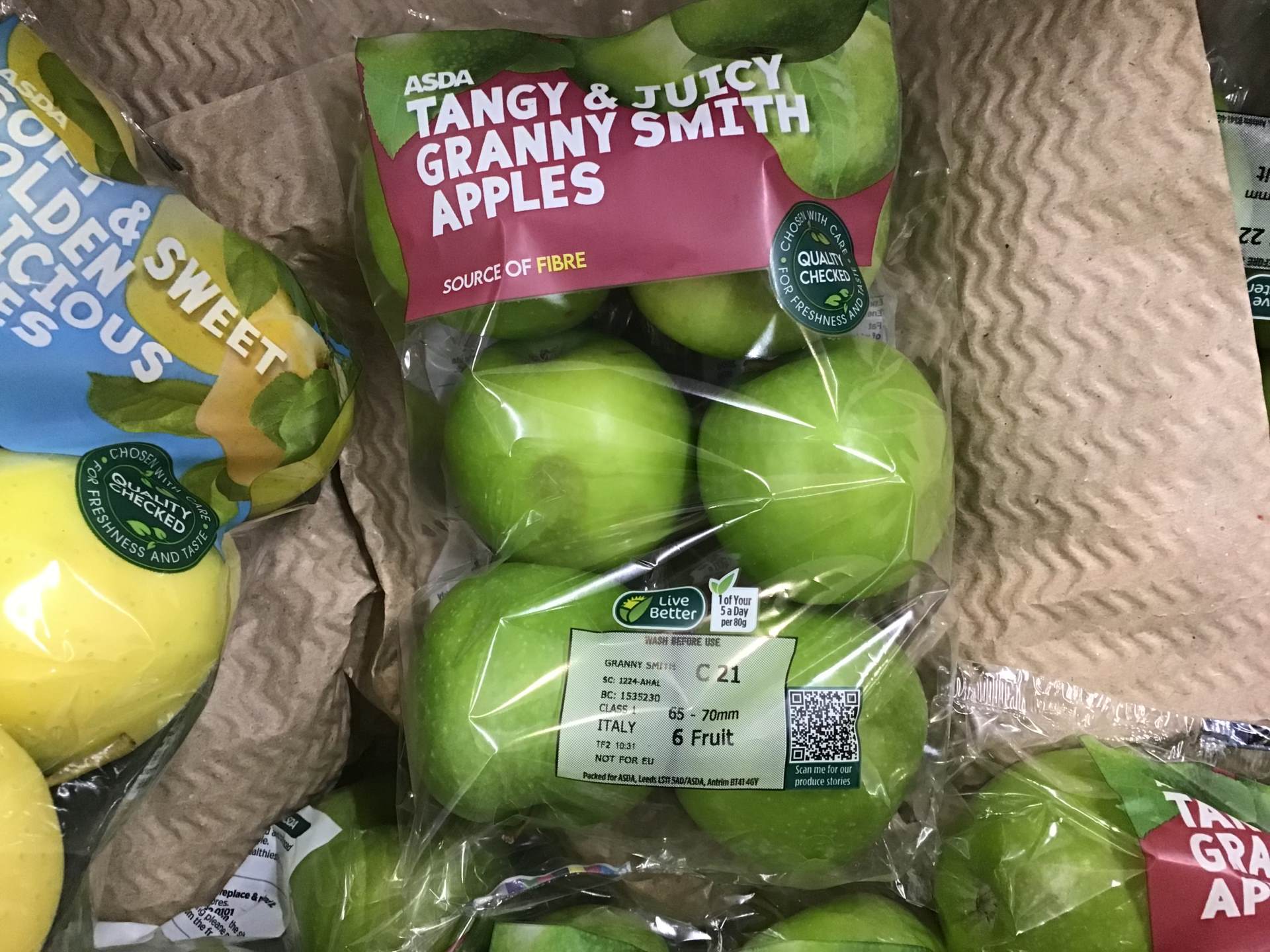
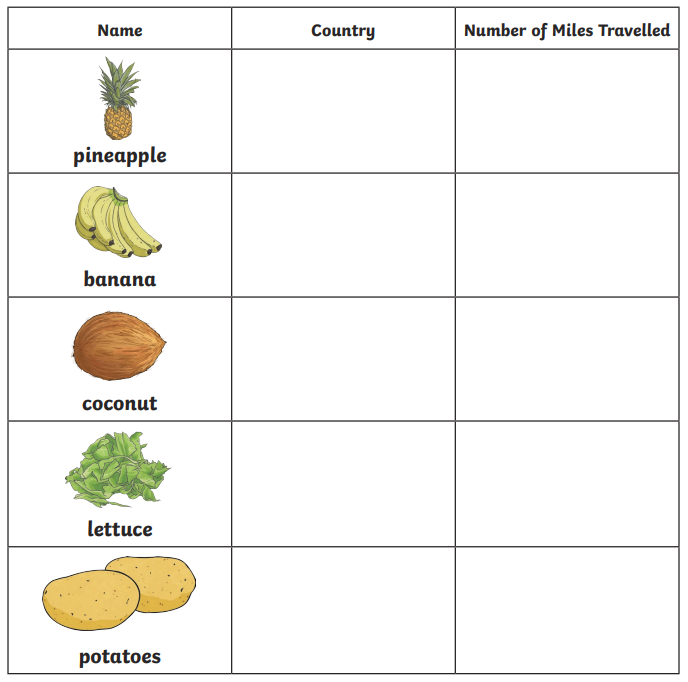
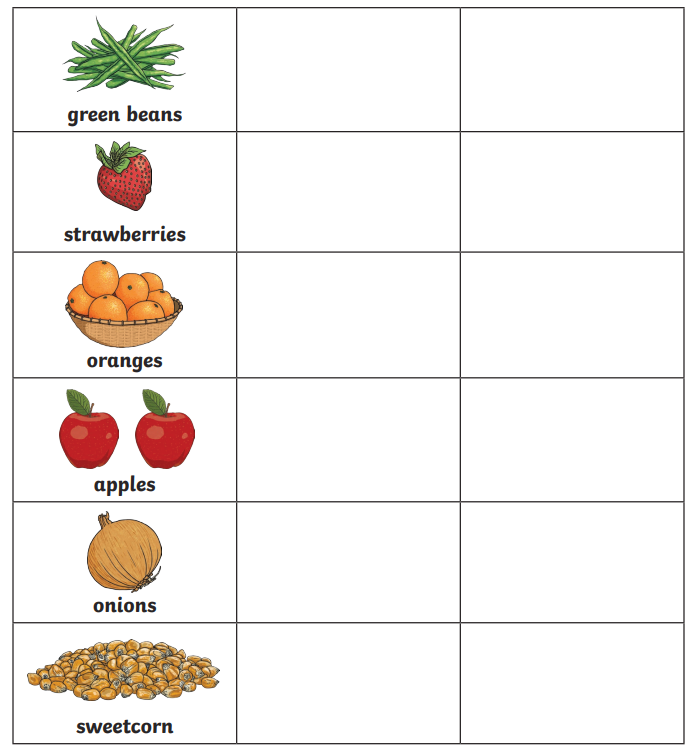
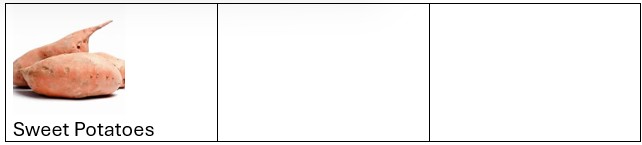
Now use the information below to complete the third column:
Food miles:
Spain to UK 500–600 miles
Costa Rica to UK 5,400–5,500 miles
Egypt to UK 2,200–2,300 miles
Senegal to UK 2,500–2,600 miles.
France to UK about 21 miles across the English Channel
Italy to UK 940 miles
India to UK about 4,480 miles
Perthshire to UK 0 miles
Guatemala to UK about 5,400 miles
Norfolk to UK 0 miles