



Monday 2nd February 2025

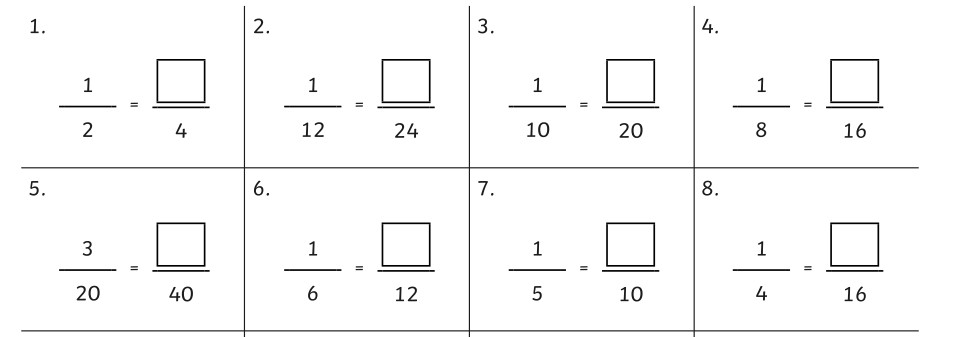
Finding equivalent fractions.
Remember - to find equivalent fractions we need to multiply or divide the numerator and denominator by the same.
RIC
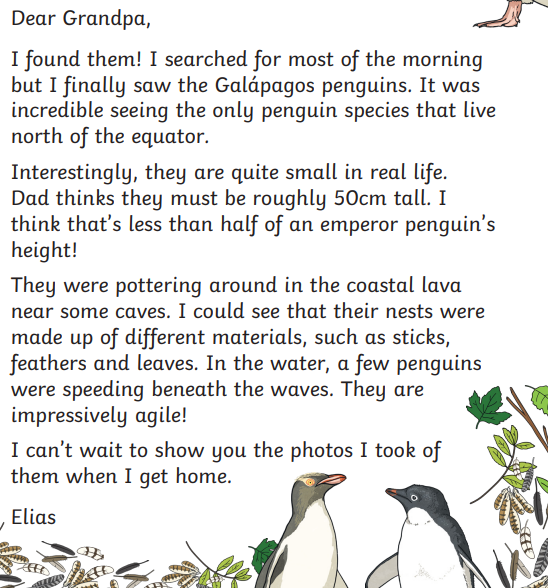
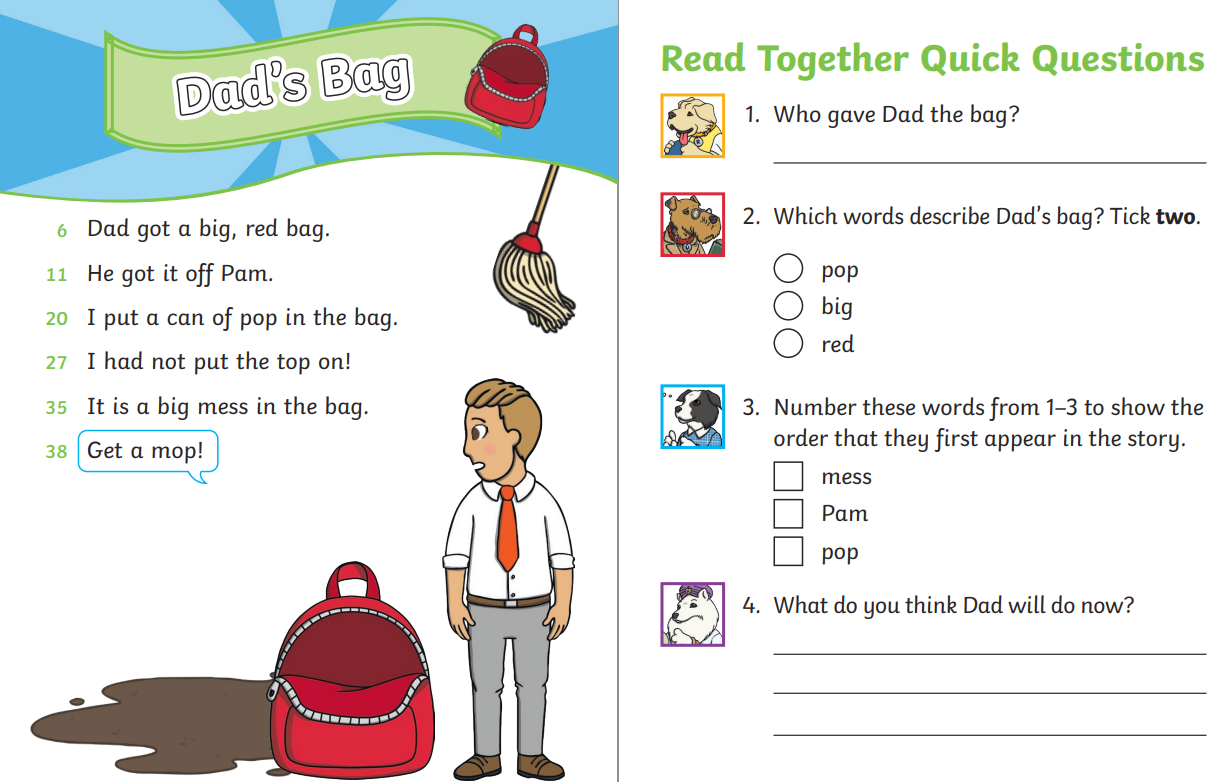
R: Which material is not mentioned as being used in Galápagos penguins’ nests?
Stick, feathers or moss.
I: How do you think Elias feels about seeing the Galápagos penguins? Use evidence from the text to support your answer.
C: Find a word that means to move in a slow or unhurried way
Monday 2nd February 2026
LC: Drawing inferences about characters’ thoughts and feelings.
Teacher model:
Question:
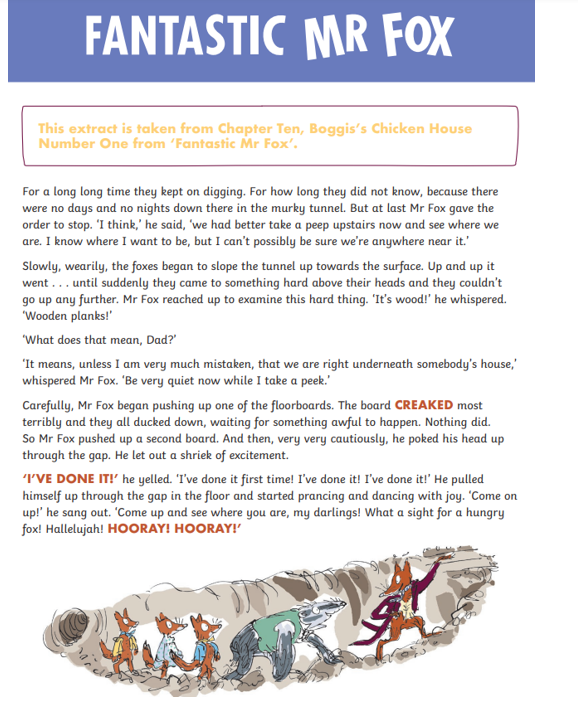
What is Mr Fox thinking when he feels the wooden planks above his head?
Point:
I think Mr Fox is feeling hopeful and excited.
Evidence:
The text says, “‘It’s wood!’ he whispered. ‘Wooden planks!’”
Explain:
This shows that Mr Fox realises they are under a house and might have found food, which makes him excited.
Talk partners:
- How do the foxes feel while digging for a long time? Why?
Look for clues like “Slowly, wearily” - Why do they all duck down when the board creaks?
What might they be thinking will happen? - How do we know Mr Fox is very excited at the end?
Which words show strong feelings?
Your turn:
Question 1
How does Mr Fox feel when the floorboard CREAKS?
- Point:
- Evidence:
Question 2
What is Mr Fox thinking when he pokes his head through the gap?
- Point:
- Evidence:
Question 3 (Challenge)
How do Mr Fox’s feelings change from the beginning to the end of the extract?
- Point:
- Evidence:
Adapted:
Example:
Question: How does Mr Fox feel when the board creaks?
Point:
I think Mr Fox feels nervous and scared.
Evidence:
The text says, “they all ducked down, waiting for something awful to happen.”
Explain:
This shows they are worried they might be caught.
Now you have a go:
What is Mr Fox thinking when he pokes his head through the gap?
- Point:
- Evidence:
Adapted:
LC: To discuss new word meanings and link with those already known, check that a text makes sense and correct incorrect reading.
Read the text in a group and then independently.
In a group discuss new words.
Have a go at answering the questions through group discussions.
Monday 2nd February 2025
LC: Record information from a range of non-fiction texts about Anglo Saxon Religion.
Text 1 - What beliefs did the Anglo Saxons bring with them?
After the Romans left, Christianity continued in places where Anglo-Saxons did not settle, like Wales and the west.
The Anglo-Saxons had their own gods, beliefs and superstitions. When they first arrived in Britain, they were Pagans.
Pagans worshipped lots of different gods and goddesses. They believed each of them controlled a different part of every day life such as war, family and the weather.
Anglo-Saxons would pray to a particular God depending on what they hoped for, for example, before going on a journey by boat they might pray to Wade, the God of the sea, to ask for a safe voyage.
Text 2 How did the Anglo Saxons worship?
- The Saxons worshipped their gods in wooden temples or sacred clearings in the woods called 'groves'.
- Pagan Saxon priests practiced magic and fortune telling and gave out charms to help people, like against disease or for recovering stolen things. Charms usually had an incantation (a spell) and a potion or an ointment to be taken.
- People wore amulets around their necks or put them in their homes. This was usually for good luck.
- They might be animal teeth or bones (like bears or wolves) which were thought to give the person the strength of the animal.
- They might be symbols of the gods, like Thunor's hammer or club.
- They might be fossils or shells.
- The pagan Saxons also believed that the countryside was inhabited by elves, goblins, dwarves and dragons.
- And that, after death, you had a long journey ahead of you to an 'after-life'.
Text 3 - Pagan Anglo Saxon Gods

Text 4 - Read more about some of the gods.
Now use what you have learned to write a piece of information about each one. Do not just copy.
The first one is modelled for you. Use the sub-heading Anglo Saxon Pagan Gods
Woden - Was the king of the gods. He was very wise and had magical powers over both life and death. He had two pet wolves and rode a horse with eight legs!
Thunor -
Frige -
Tiw -
Eostre -
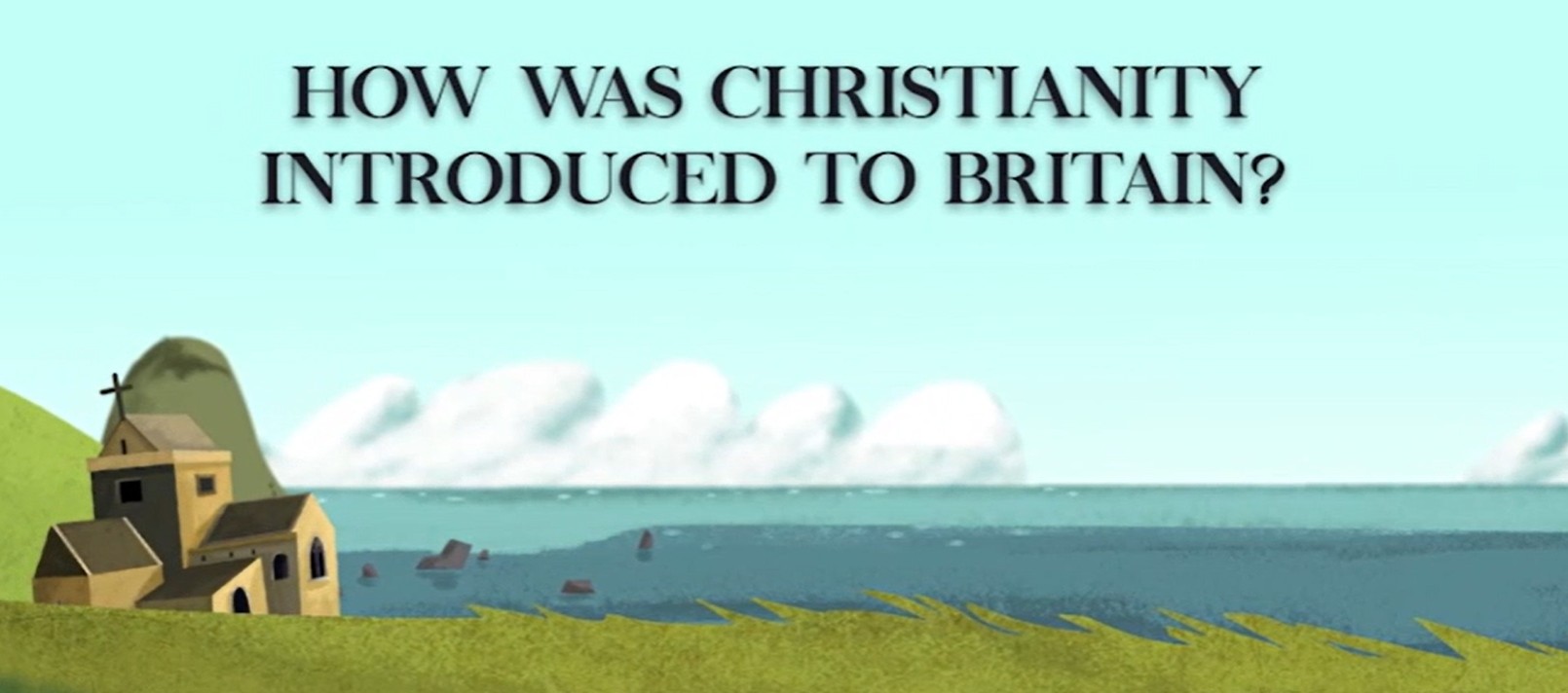
Becoming Christians
Text 5

Click on the link below to find out more.
Text 6
Adapted
Read about the Anglo Saxon gods with your teacher.
Choose one. Draw a picture and write some sentences about the god.

02.02.26
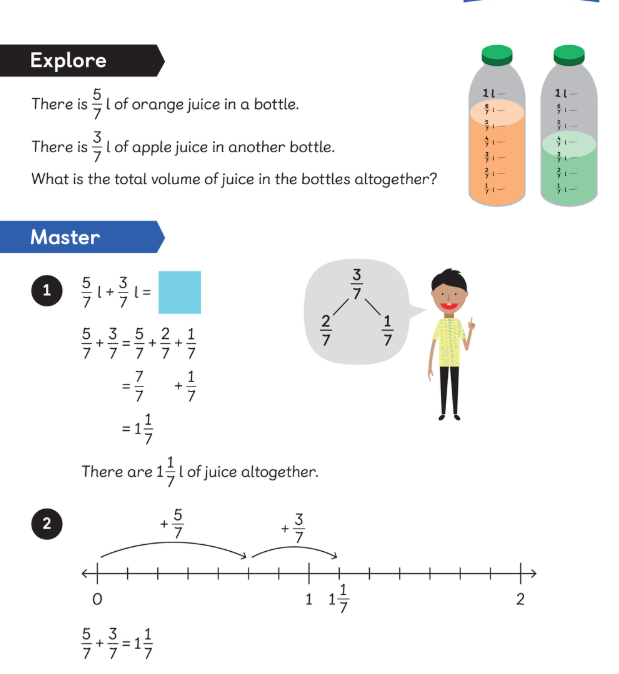
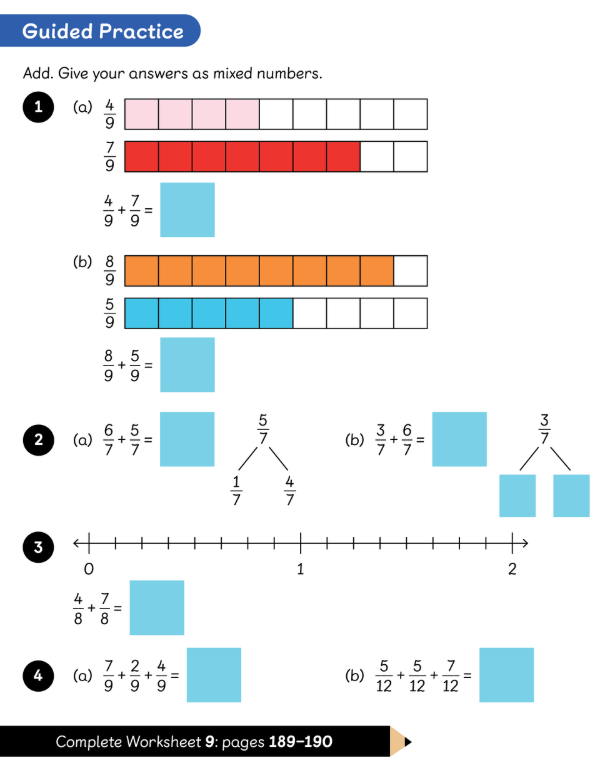
LC: To be able to add fractions with the same denominator and record answers as mixed numbers.
Adapted:
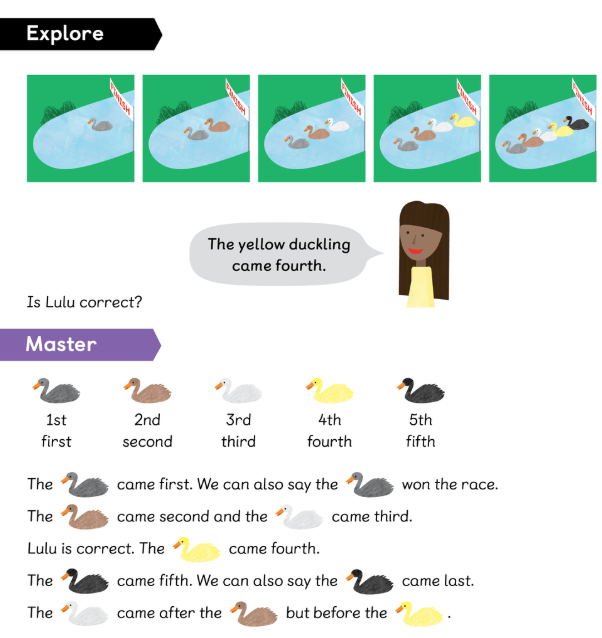
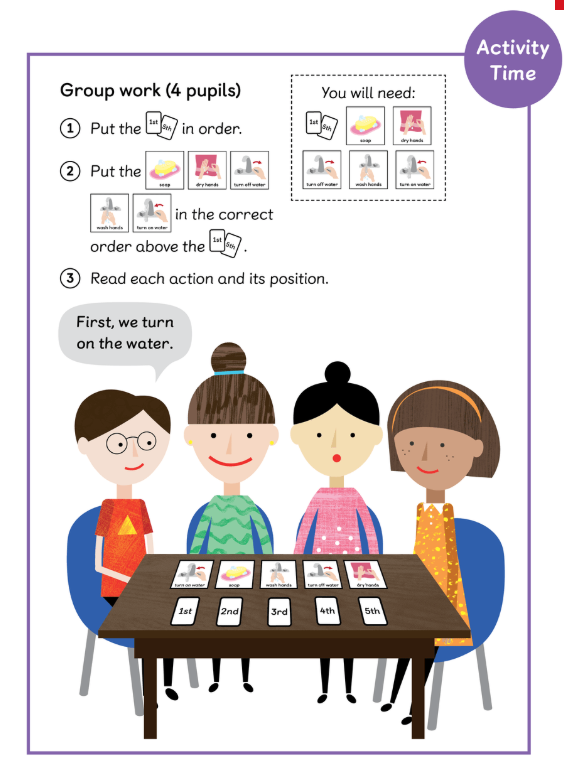
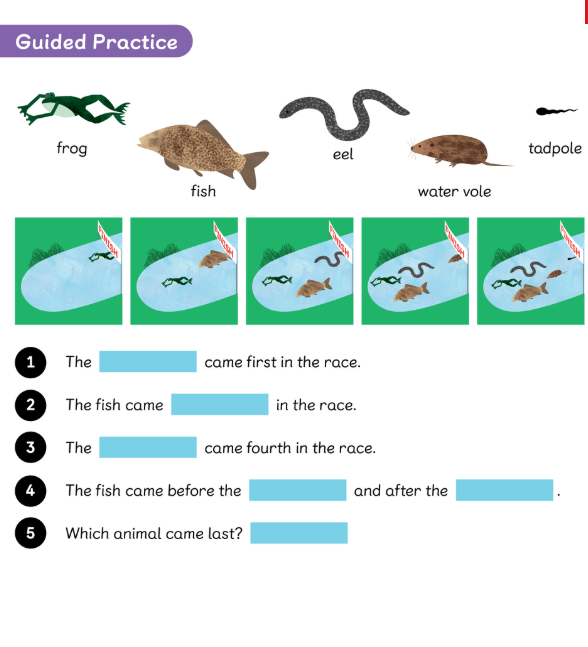
LC: Naming positions- up to 10 positions.
Monday 2nd February 2026
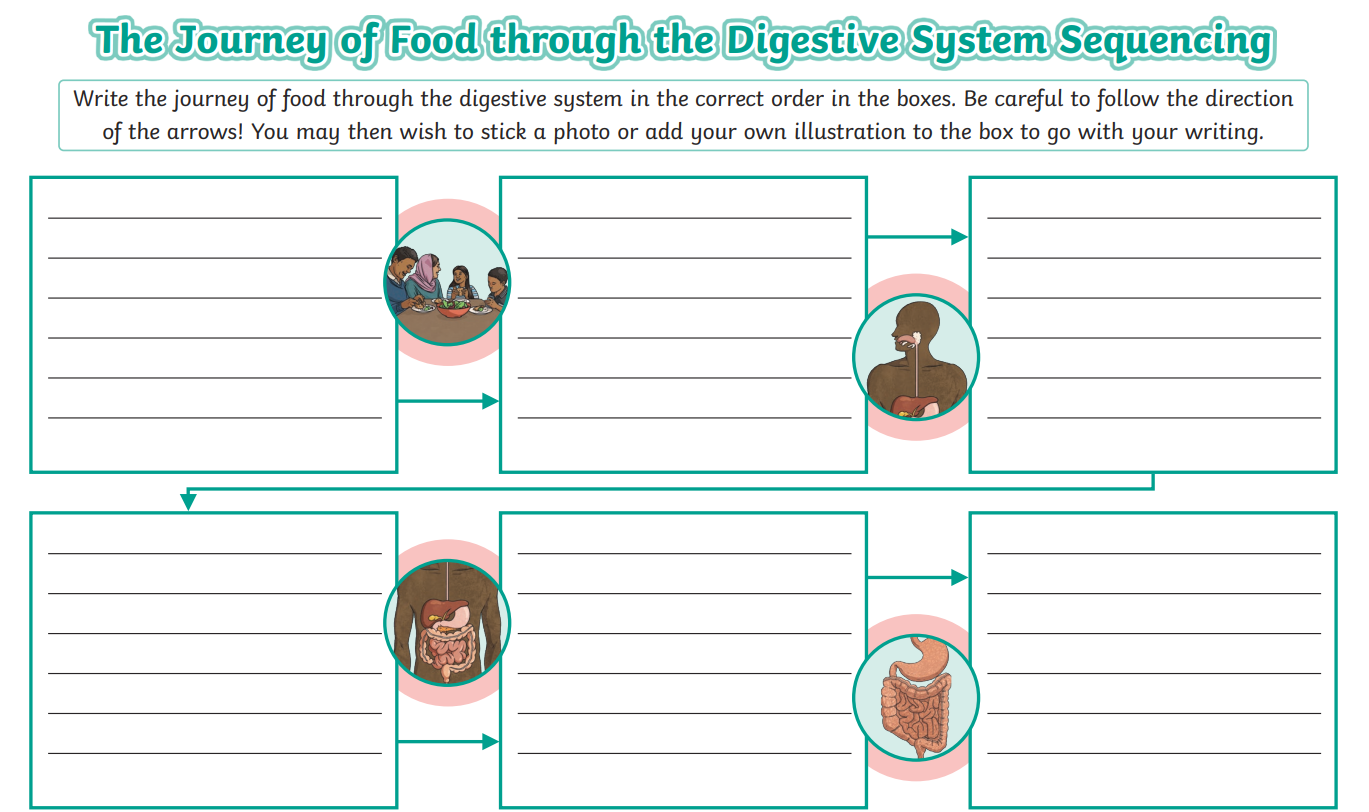
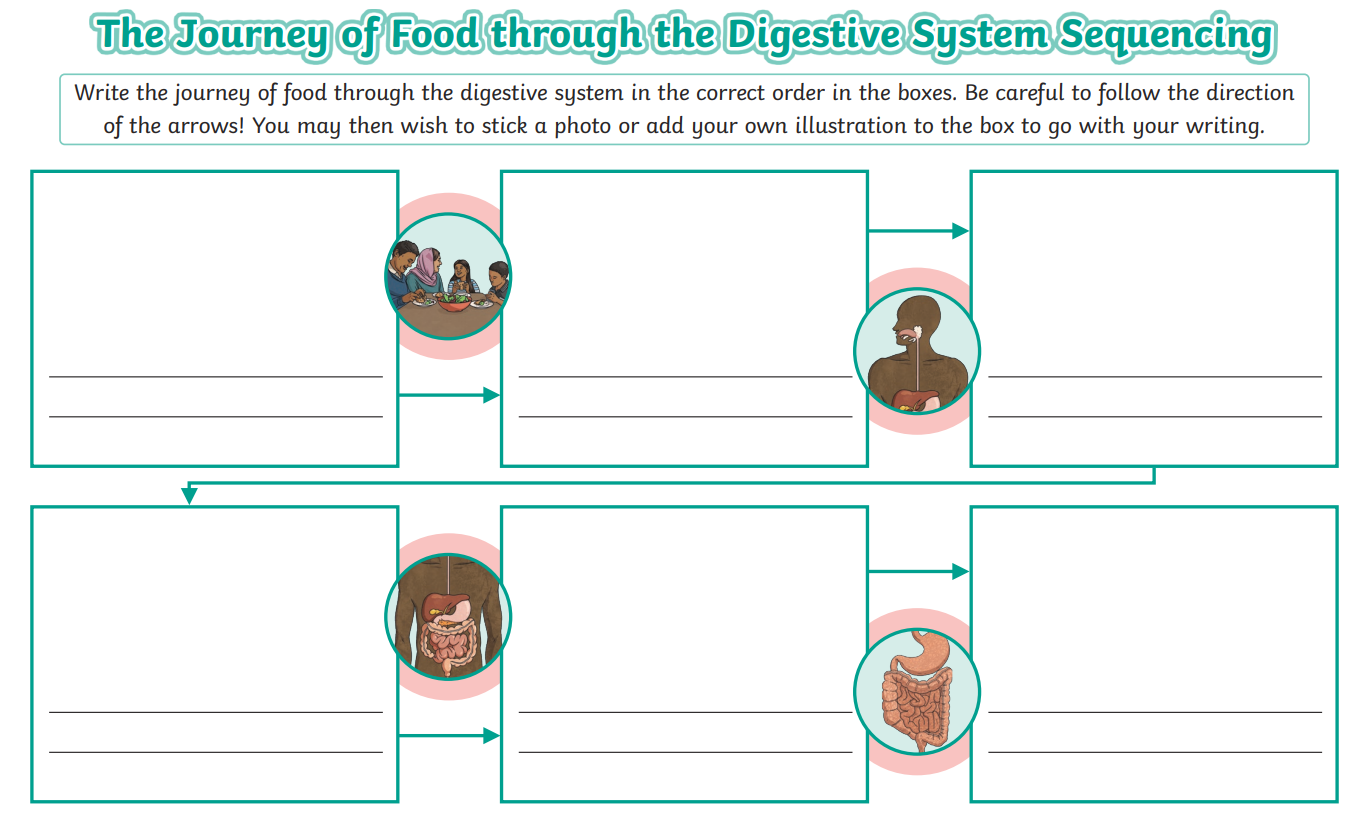
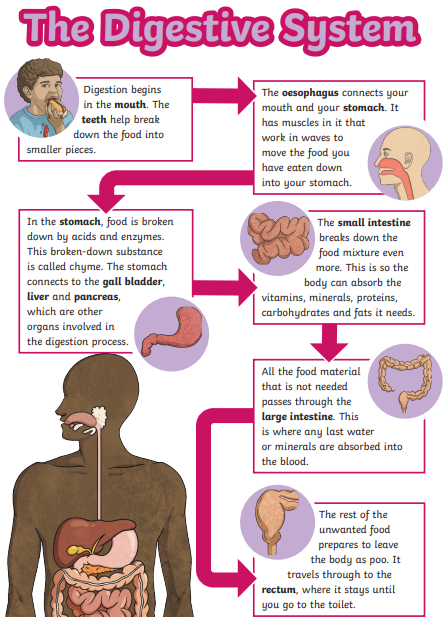
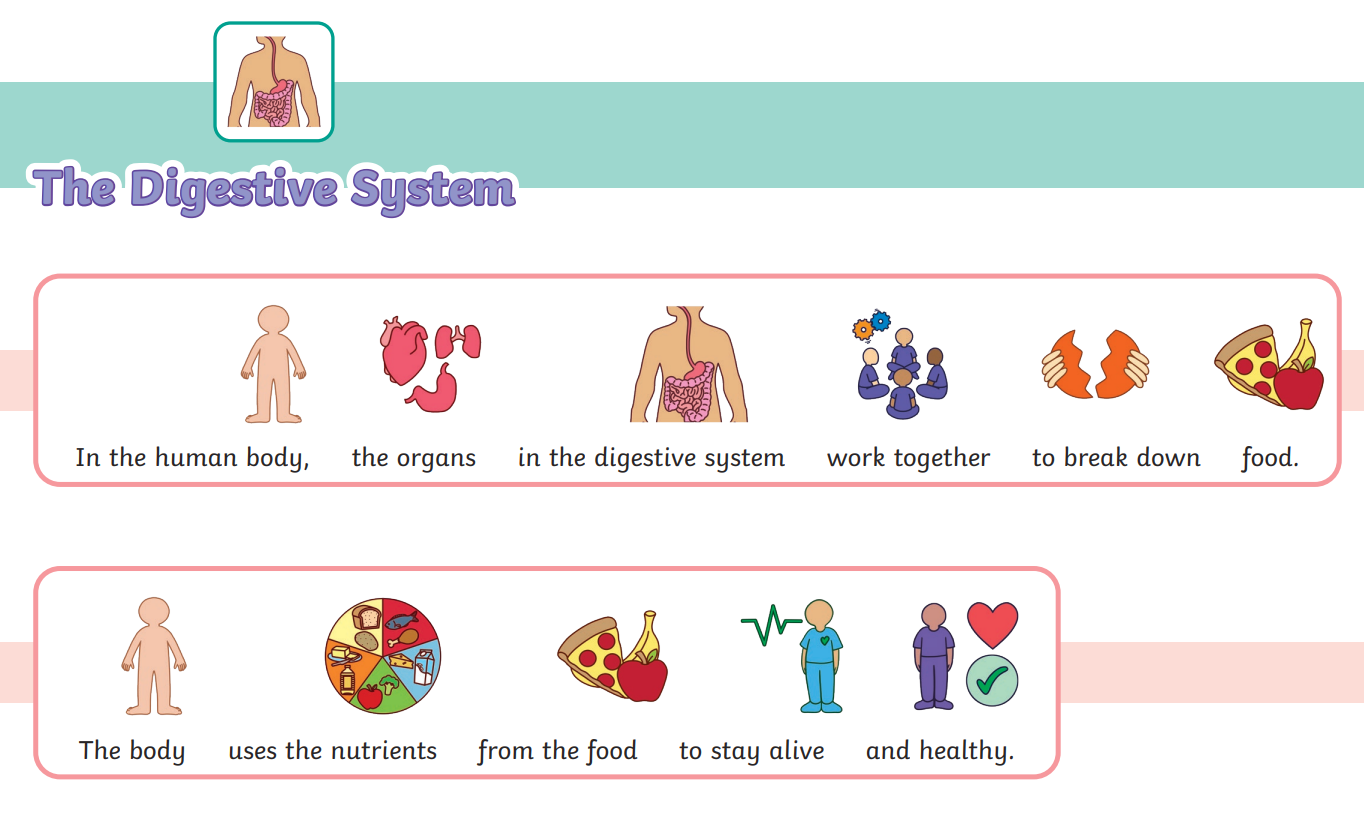
LC: To explain the basic functions of the digestive system in the human body.
 Talk partners:
“What happens to the food we eat?”
The digestive system as the body’s way of turning food into energy and nutrients we need to grow and stay healthy.
Functions of the Digestive System:
Step 1: The Mouth
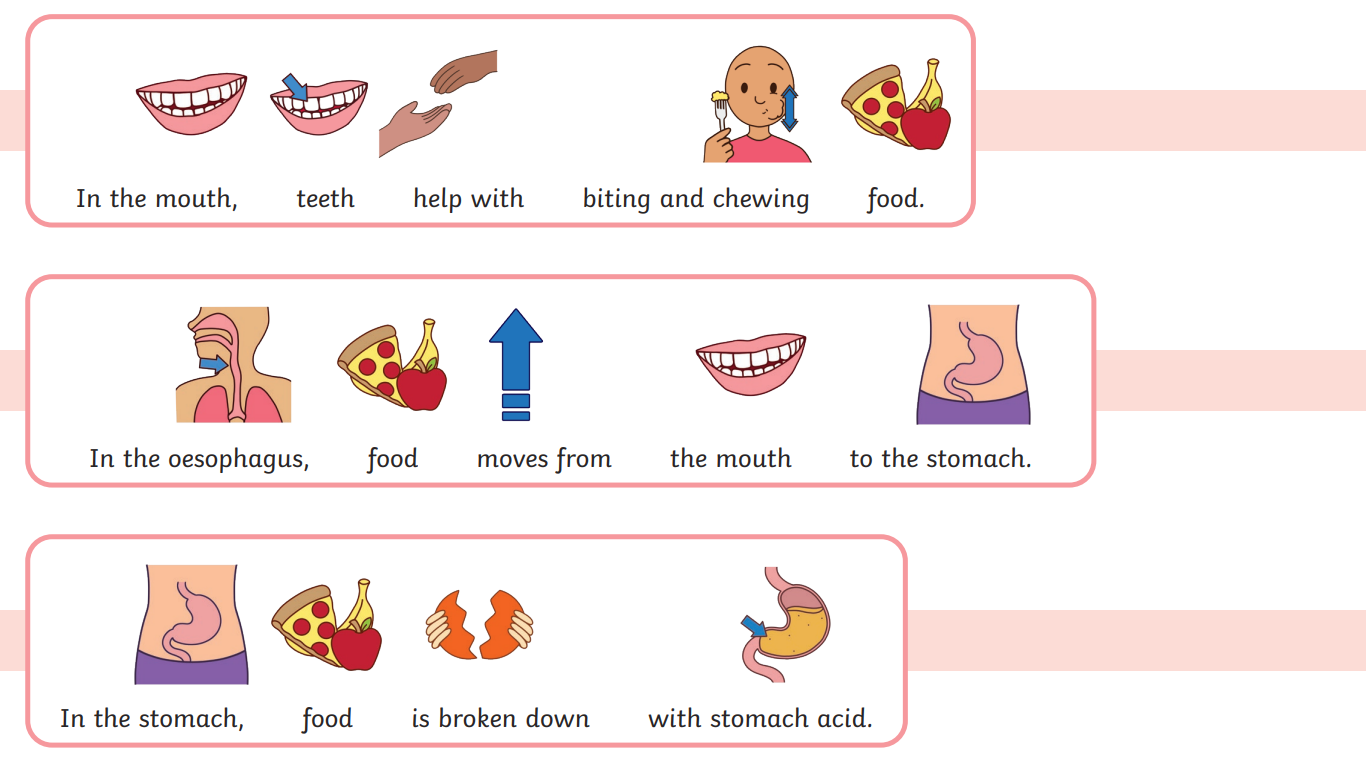
The mouth chews food into smaller pieces.
Saliva (spit) contains chemicals that start breaking down food.
Step 2: The Esophagus (Food Tube)
Food travels down a long tube called the esophagus to reach the stomach.
Step 3: The Stomach (Mixing & Breaking Down Food)
The stomach mixes food with special juices that break it down further. This is where food becomes a thick, soupy mixture.
Step 4: The Small Intestine (Absorbing Nutrients)
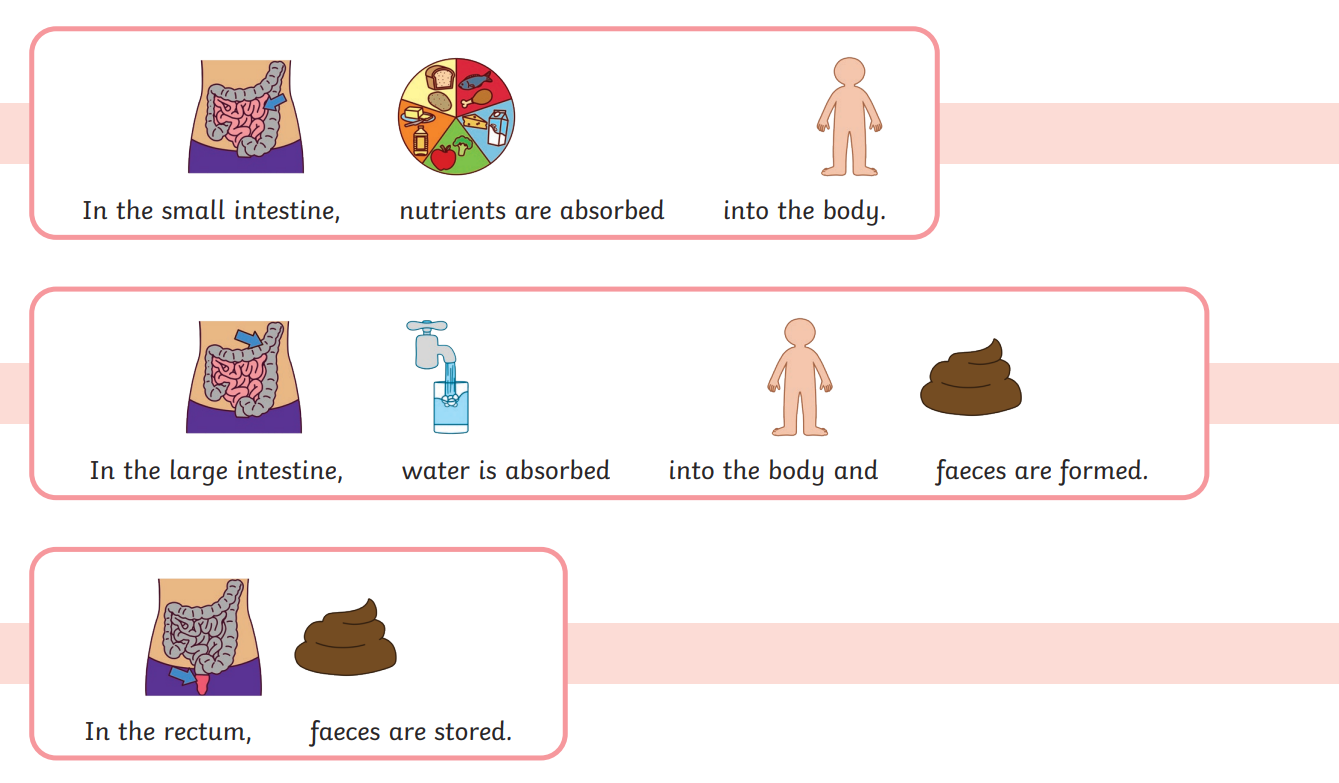
Most nutrients from food are absorbed here into the blood.
Step 5: The Large Intestine (Removing Waste)
Water is absorbed here, and leftover food turns into waste.
Step 6: The Rectum & Anus (Excretion)
Waste is stored and then removed from the body.
Whole class questions:
- “Where does digestion begin?”
- “Which part absorbs nutrients?”
- “What happens to food after the small intestine?”
Path of Food
Mouth → Esophagus → Stomach → Small Intestine → Large Intestine → Rectum → Anus
Fun Fact!
Your stomach can hold about 1–1.5 liters of food at a time—almost as much as a small water bottle!
Task in books:
Adapted:
Adapted:
seeing ourselves primary picture news resource england 2nd february.pdf