

Friday 6th February 2025

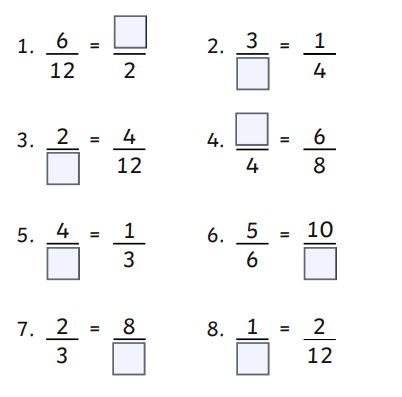
Finding equivalent fractions.
Remember - to find equivalent fractions we need to multiply or divide the numerator and denominator by the same.
RIC
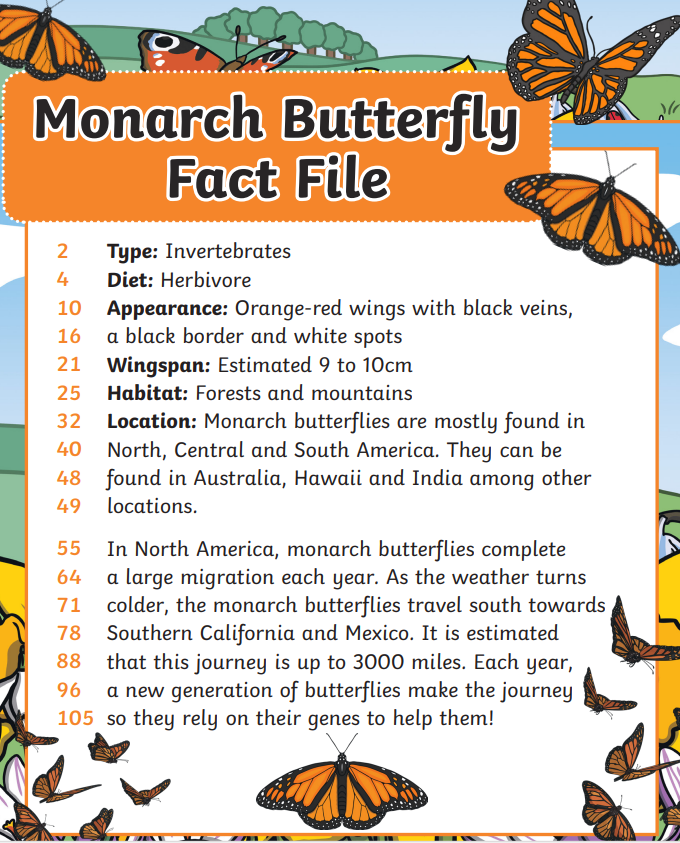
R: Where do monarch butterflies migrate to?
I: Which fact do you think is the most interesting? Explain your answer.
C: Find one word that means ‘an amount that isn’t calculated exactly’.
Friday 6th February 2026
LC: To infer why characters act in certain ways and justify our ideas using evidence from the text.
Have you ever done something very quietly? Why did you do it that way?
Characters’ actions often give us clues about what they want or what they are trying to avoid.
Teacher Modelling (Point + Evidence)
Question:
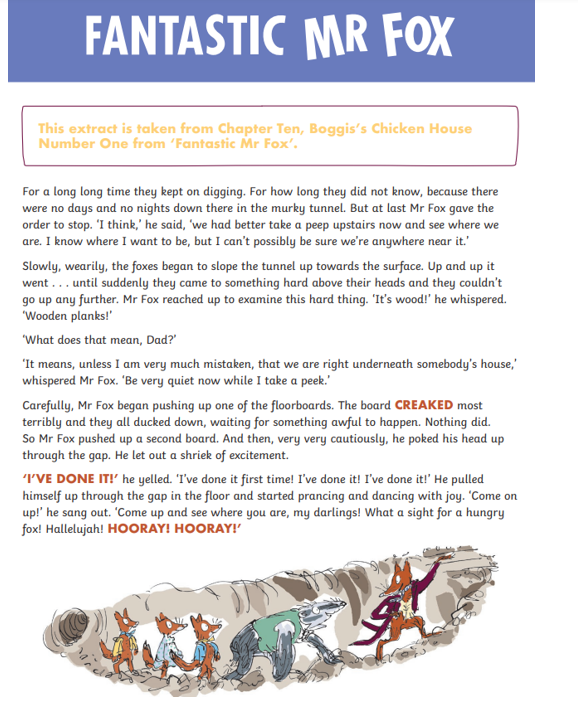
Why does Mr Fox tell the others to be very quiet?
Point:
Mr Fox tells the others to be quiet because he does not want to be heard.
Evidence:
The text says, “‘Be very quiet now while I take a peek,’ whispered Mr Fox.”
Explain:
This shows his motive is to avoid being discovered by the people in the house.
In your talk partners have a go at the questions below.
Question 1
Why do the foxes all duck down when the board creaks?
Point:
Evidence:
Explain:
Question 2
Why does Mr Fox push up a second floorboard after the first one creaks?
Point:
Evidence:
Explain:
Independent Task
Answer using Point + Evidence
Question 1
Why does Mr Fox poke his head through the gap instead of climbing out straight away?
- Point:
- Evidence:
Question 2
Why does Mr Fox pull himself up through the floor and start dancing?
- Point:
- Evidence:
Question 3 (Challenge)
Why does Mr Fox lead the digging and make the decisions for the group?
- Point:
- Evidence:
Adapted:
Find the evidence:
Question: Why does Mr Fox poke his head through the gap carefully?
Point:
Mr Fox pokes his head through carefully because he wants to check it is safe.
Evidence:
Adapted:
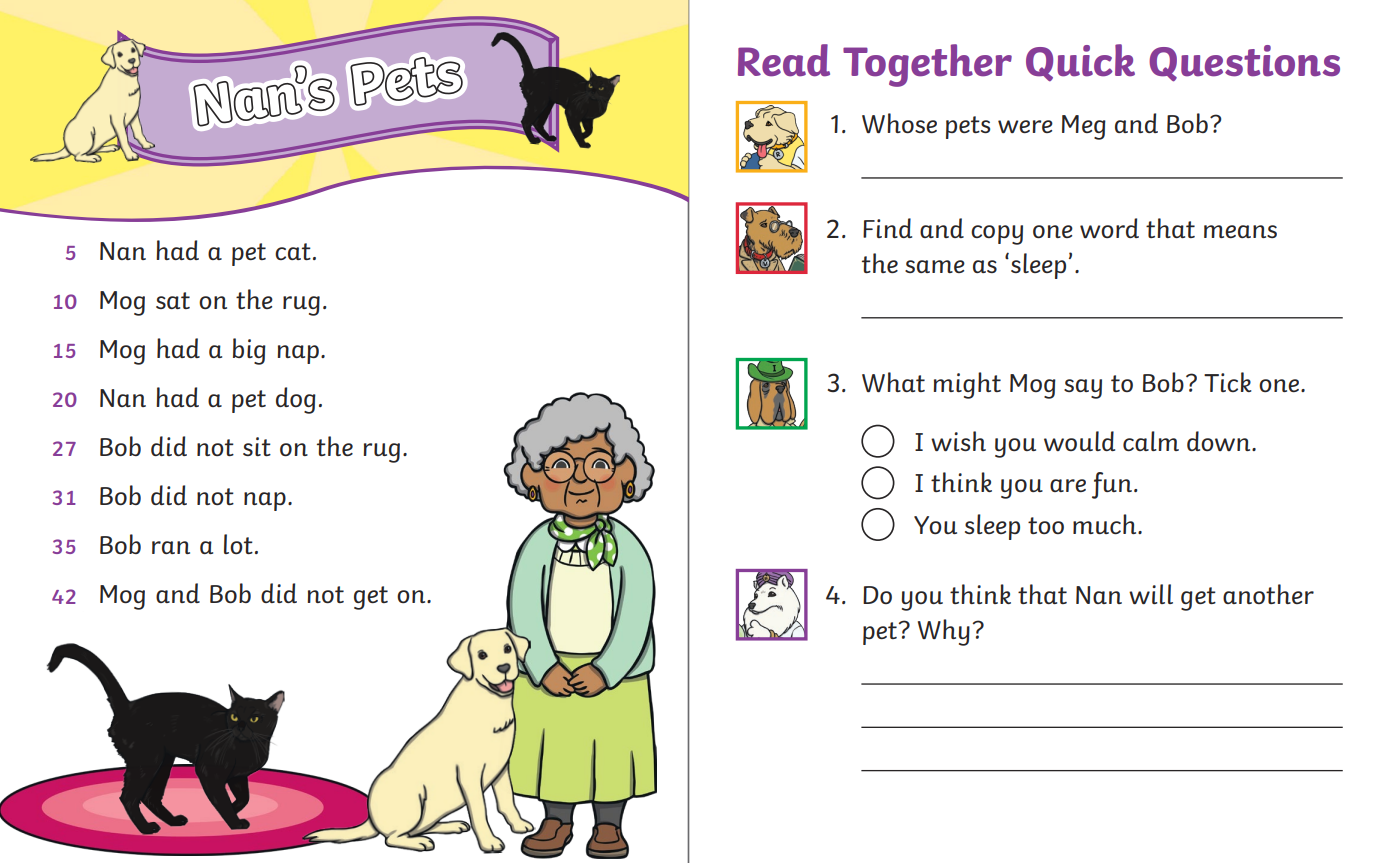
LC: To discuss new word meanings and link with those already known, check that a text makes sense and correct incorrect reading.
Read the text in a group and then independently.
In a group discuss new words.
Have a go at answering the questions through group discussions.
Friday 6th February 2026
LC: Assess the effectiveness of your own and others’ writing and suggest improvement by proposing changes to vocabulary.
Proofread for punctuation errors.
Have you completed your leaflet? If not, that is your first task.
If you have, now is your opportunity to check against the success criteria and change anything you need to.
Is all of the punctuation correct?
Do all the sentences make sense?
Does it look as good as it possibly can?

06.02.26
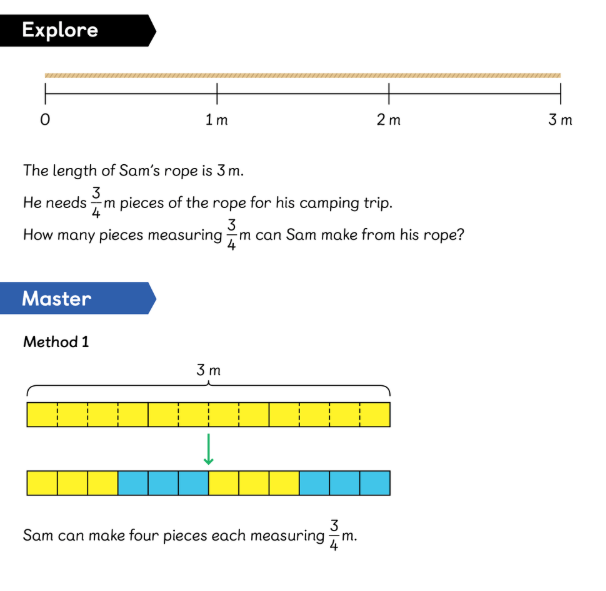
LC: To be able to solve word problems involving fractions.
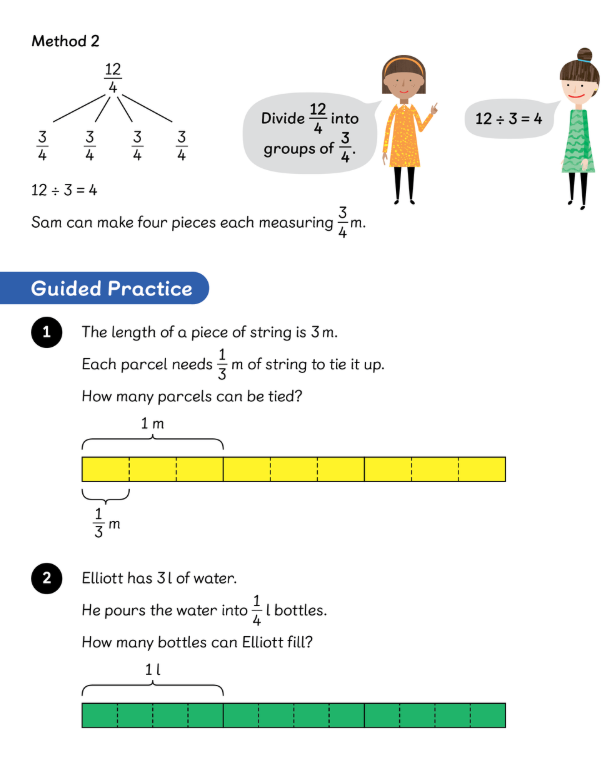
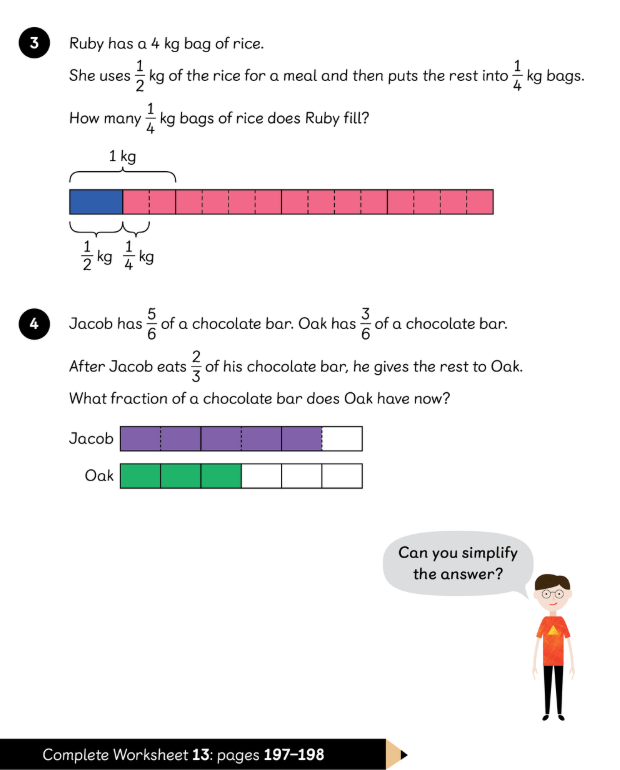
Adapted:
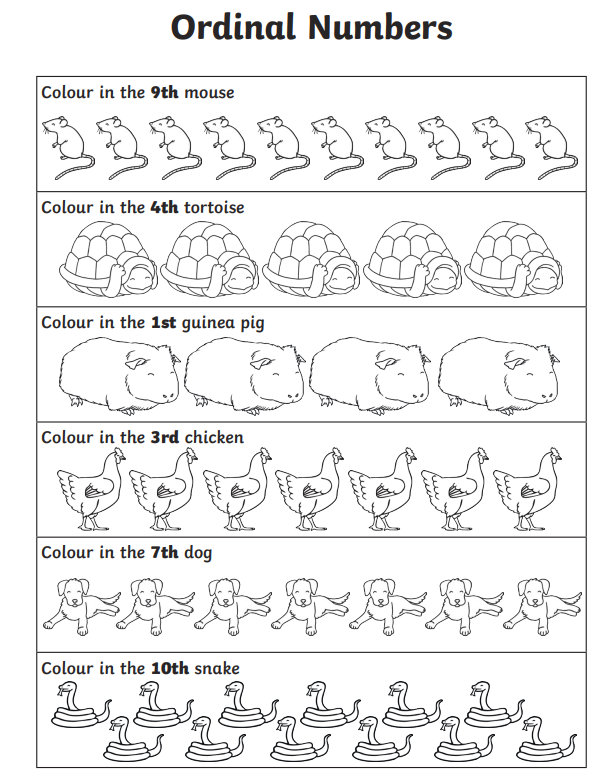
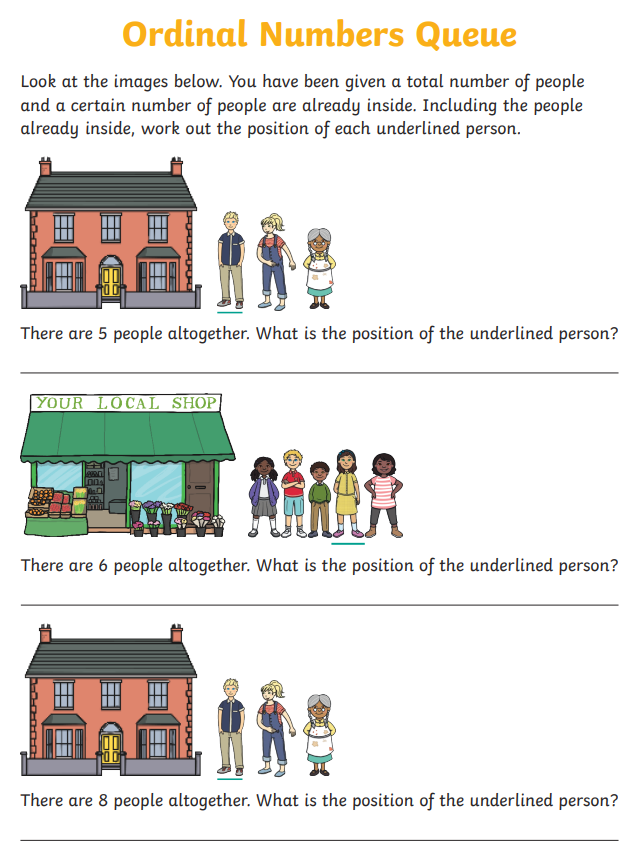
LC: positions.

Friday 6th February 2026
LC: To make a simple circuit using a battery, wires and a bulb.
Light-Up Word Frame

Final product:
-
Width: 30 cm
-
Height: 20 cm
-
Base depth: 6–8 cm (for stability)
This size is:
✔ Easy to measure
✔ Stable
✔ Big enough for letters and a circuit
Equipment & Materials
Tools
-
Ruler (30 cm)
-
Pencil
-
Scissors (card)
-
Junior saw (if using wood – adult supervised)
-
Glue gun (adult supervised)
-
PVA glue
-
Tape
Materials
-
Wooden dowels / craft sticks / strong card strips
-
Thick cardboard or foam board (base)
-
Thin card (gussets)
-
Pre-cut card letters (or pupils cut their own)
-
Battery pack (AA or coin cell)
-
Wires
-
Bulb or LED (or buzzer)
-
Switch (optional)
STEP 5 – Make and Test the Circuit (Before Attaching)
Simple bulb circuit:
-
Connect wire from battery → bulb
-
Connect bulb → wire → battery
-
Test: bulb lights up
(Optional: add switch between battery and bulb)
⚠️ Always test before fixing to the frame
STEP 6 – Attach the Circuit to the Frame
-
Fix the battery pack to the base or bottom bar
-
Fix the bulb at the top centre of the frame
-
Secure wires neatly along the frame using tape or glue
🔥 Glue gun used here under adult supervision
Review
Super Sentence Spellers
Write the sentences that I dictate. Can you spell every word correctly?
Learning
Focus: The /s/ sound spelt sc, e.g. science, scene.
Let's read these words together:
fascinate discipline descend ascend
Rule Detective
What are the rules for adding the endings -ed and -ing (endings beginning with vowels) to multi-syllabic words?
descend descending descended
ascend ascending ascended
fascinate fascinating fascinated
discipline disciplining disciplined
If the multi-syllabic word
- ends in a single consonant letter after a single vowel letter and the stress is placed on the final syllable, the consonant is doubled before adding the ending beginning with a vowel letter, e.g. prefer preferring preferred
- does not end in a single consonant letter after a single vowel or the stress is not on the final syllable, the ending beginning with a vowel letter is added with no change to the root, e.g. garden gardening gardened
- ends in e, the e must be dropped before the ending beginning with a vowel letter is added, e.g. celebrate celebrating celebrated
- ends in y, the y is changed to an i before the ending beginning with a vowel letter is added, e.g. worry worrying worried.
Practise and apply
Watch me reveal the words in the sentences.
Let's say the sentences together. Now say the first sentences three times. I will hide it, you will write it in your book. Then we will do the same for the other sentence.
She was so fascinated by the crescent moon, she couldn't believe her eyes!
Descending with care, the mountain guide led the group through the snowy scene.