



Thursday 29th January 2026
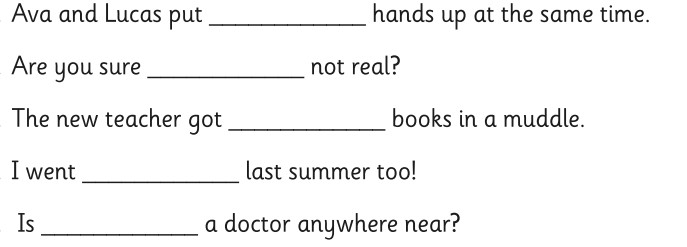
Their, there, they're
‘there’ refers to a place or position.
‘their’ is a possessive adjective. This means it shows ownership or belonging.
'they’re’ is a contraction. This means it is a shorter way of saying ‘they are’
Complete these sentences with the correct word - there, their or they're.
Review
Define It
irregular irresponsible irrelevant
irreplaceable irresistible irrational
irreversible irreparable
You might not be trusted with something important if you are described as this.
If a process can't be undone and started again, it might be said to be this.
If something is described as this, it means it is so amazing or tempting, you simply can't say no!
This means not making much sense or not using good thinking.
If something is described as this, it means it is too special or important to be replaced.
This word means not important or not connected to what you're talking about or doing.
If your car couldn't be fixed after an accident, it might be described as this.
Learning
Focus: Add the prefix non-, e.g. nonsense.
Remember that the prefixes im- and ir- are variations of the prefix in-. They originate from Latin and mean not or without.
Let's shared read these words:
nonstop
nonsense
non-fiction
nonverbal
nonstick
nonexistent
nonprofit
nonrenewable
Can you identify the prefix?
Now we'll shared read the sentences below. Can we use the context of the sentences to investigate the meaning of the prefix non-.
The teacher said it was nonsense to suppose that the pencils could talk.
She gave a nonverbal nod to show her particular choice.
Mum bought a nonstick pan to make a special breakfast.
His nonstop talking was mentioned in all his school reports.
I read the non-fiction book on nonrenewable energy sources.
Non- also means not or without and derives from Latin.
Practise and apply
Use the Sticky Word Strategy – Colourful Words to write these words and help you remember how to spell them.
nonstop
nonsense
non-fiction
nonverbal
nonstick
nonrenewable
nonprofit
nonexistent
Choose three of the words and put each of them into a sentence, first orally and then in writing.
Thursday 29th January 2026
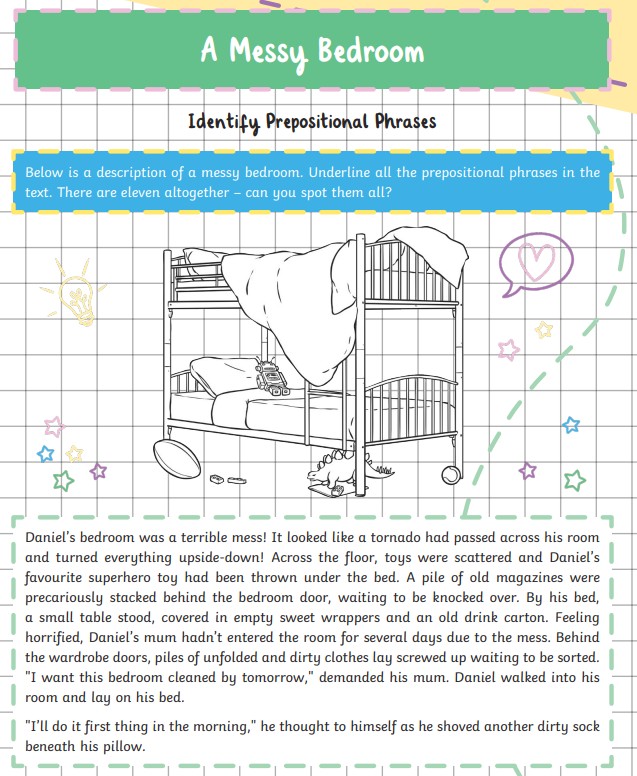
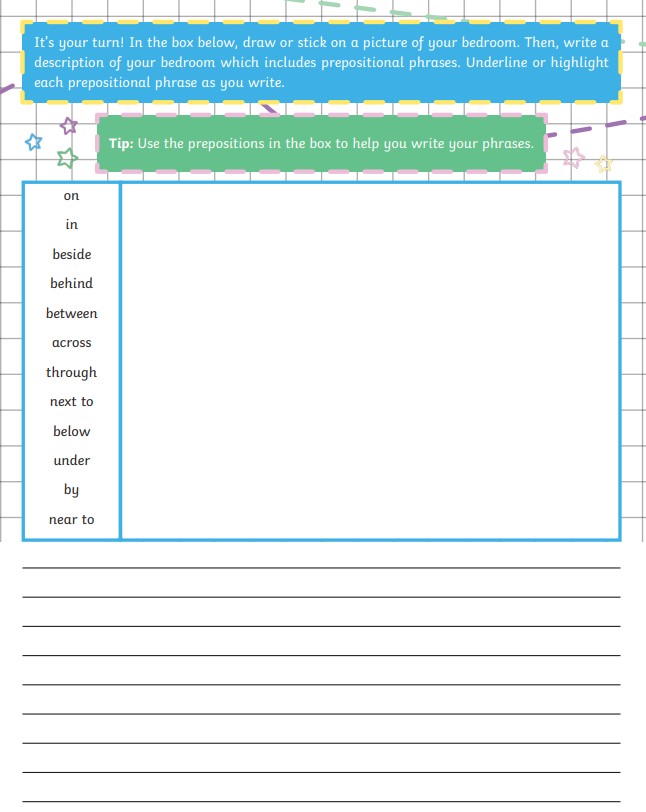
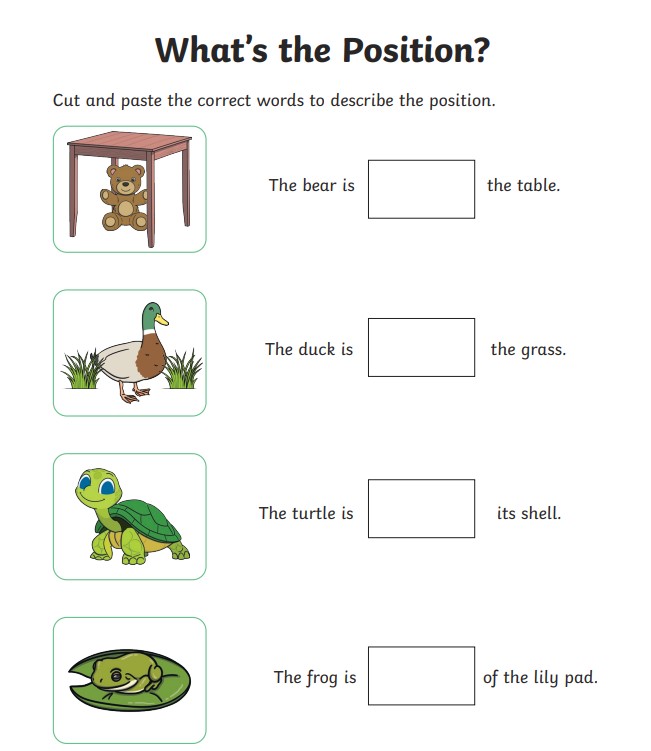
LC: Create noun phrases by the addition of modifying adjectives, nouns and prepositional phrases.
Adapted

29.01.26
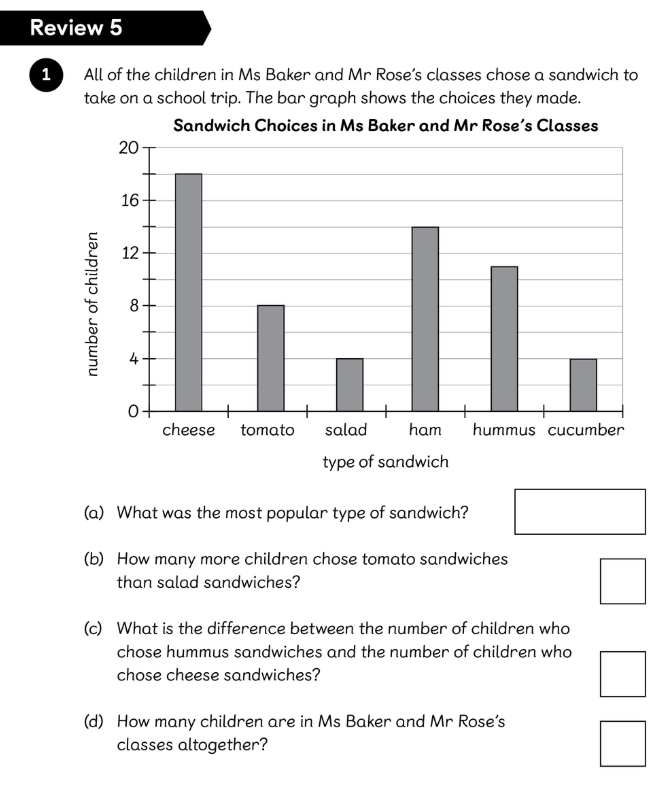
LC: To complete Review 5-Graphs.
Page: 171-172
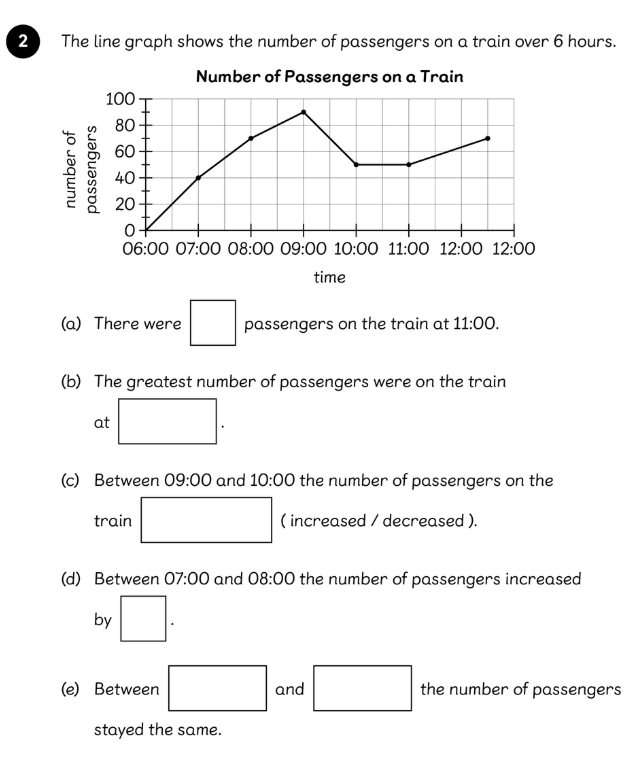
Adapted:
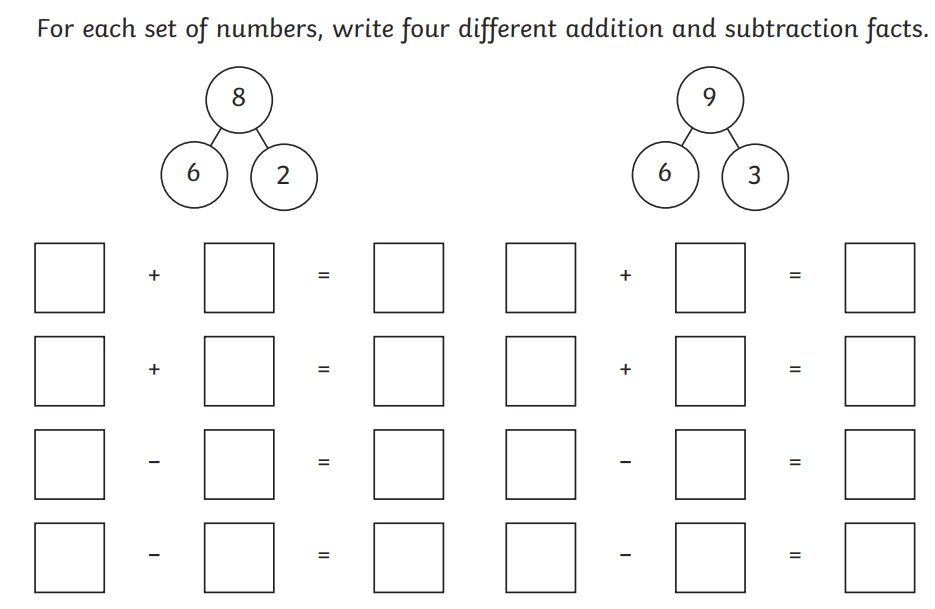
LC: Addition and Subtraction families.
LC: Do you know how bacteria and viruses can affect health; how everyday hygiene routines can limit the spread of infection; the wider importance of personal hygiene and how to maintain it?
First of all, let's find out about the different types of germs there are:
Now let's find out what we can do minimise the risk of ourselves being ill, or making others ill.
Do you have any ideas? Talk with your talk partner.
Let's find out:
preventing the spread of diseases.pdf