



Friday 30th January 2025

RIC
How to train your human?
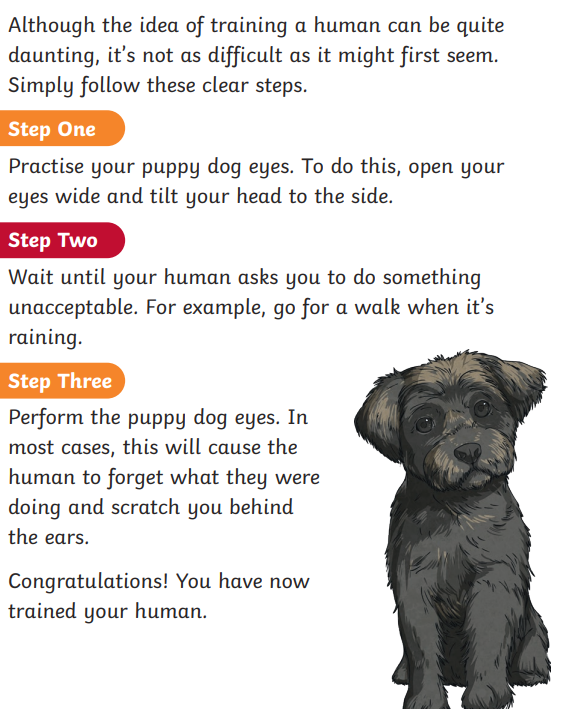
R: What is the first thing that you should do when trying to train your human?
I: What evidence is there in the text that these instructions were written for a dog?
C: Find one word that means the same as ‘lean’.
Friday 30th January 2026
LC: To answer questions by making a point and supporting it with evidence from the text.
Teacher model:
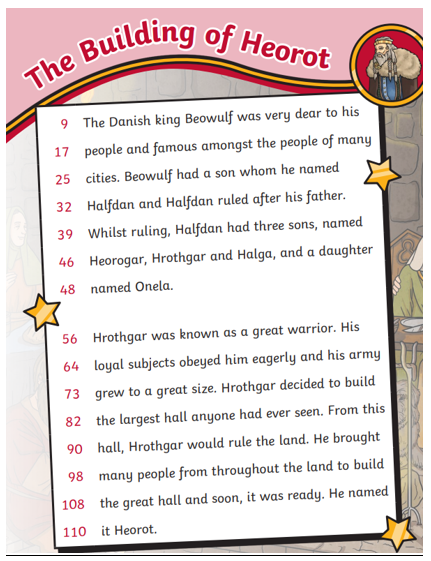
What does the phrase “very dear to his people” suggest about the king?
Point:
It suggests that King Beowulf was loved and respected by the people.
Evidence:
The text says he was “very dear to his people,” which means they cared about him deeply.
Your turn:
In what ways might Hrothgar appeal to readers?
Point:
Evidence:
- According to the text, why did Hrothgar decide to build a great hall?
Point:
Evidence:
Explain fully how Hrothgar prepared the building of the hall.
(Full point + evidence + explanation)
Adapted:
Sentence Starters for Year 4
- My point is that…
- This is shown when the text says…
- This suggests that…
- The evidence for this is…
- This shows…
Example:
My point is that Hrothgar was powerful. This is shown when the text says his army “grew to a great size.”
Adapted:
LC: to listen to others- discussing their understanding of a text.
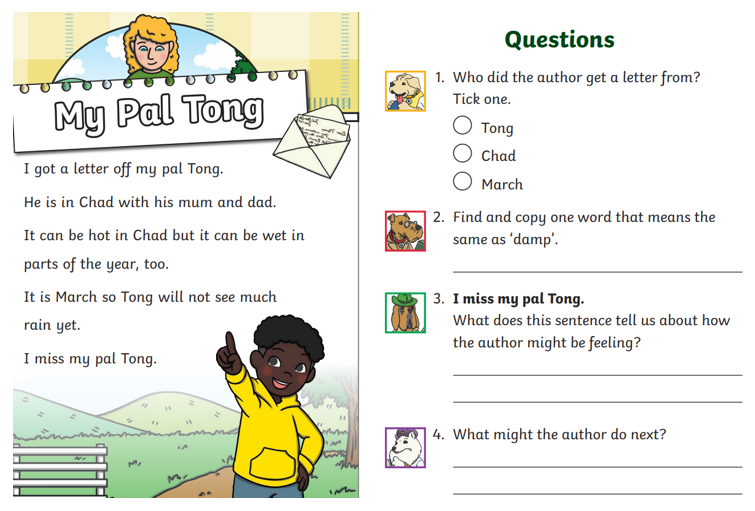
Read the text below and discuss the answers. Taking turns and listening to each others answers.

Friday 30th January 2026
LC: Create noun phrases by the addition of modifying adjectives addition of modifying adjectives, nouns and prepositional phrases.
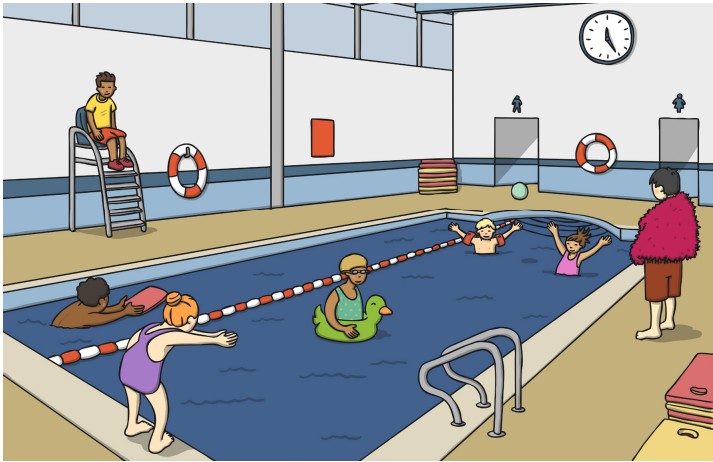
My turn:
Write a paragraph about the scene below.
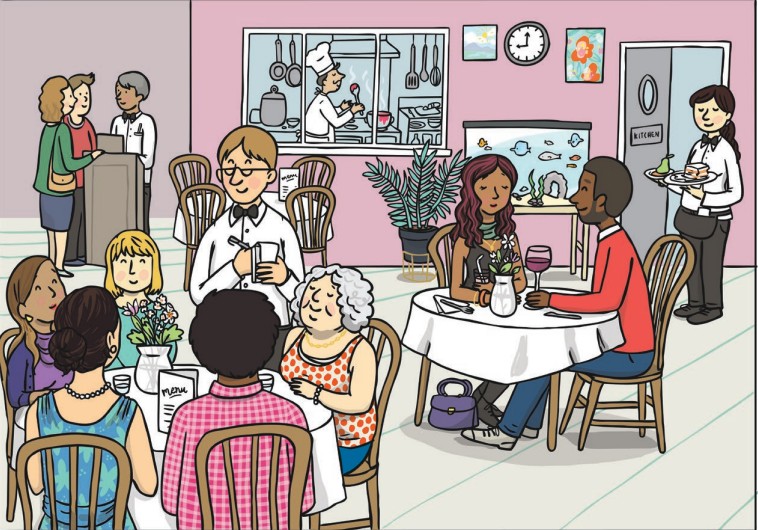
Your turn:
Write a paragraph about the scene below.
Adapted:
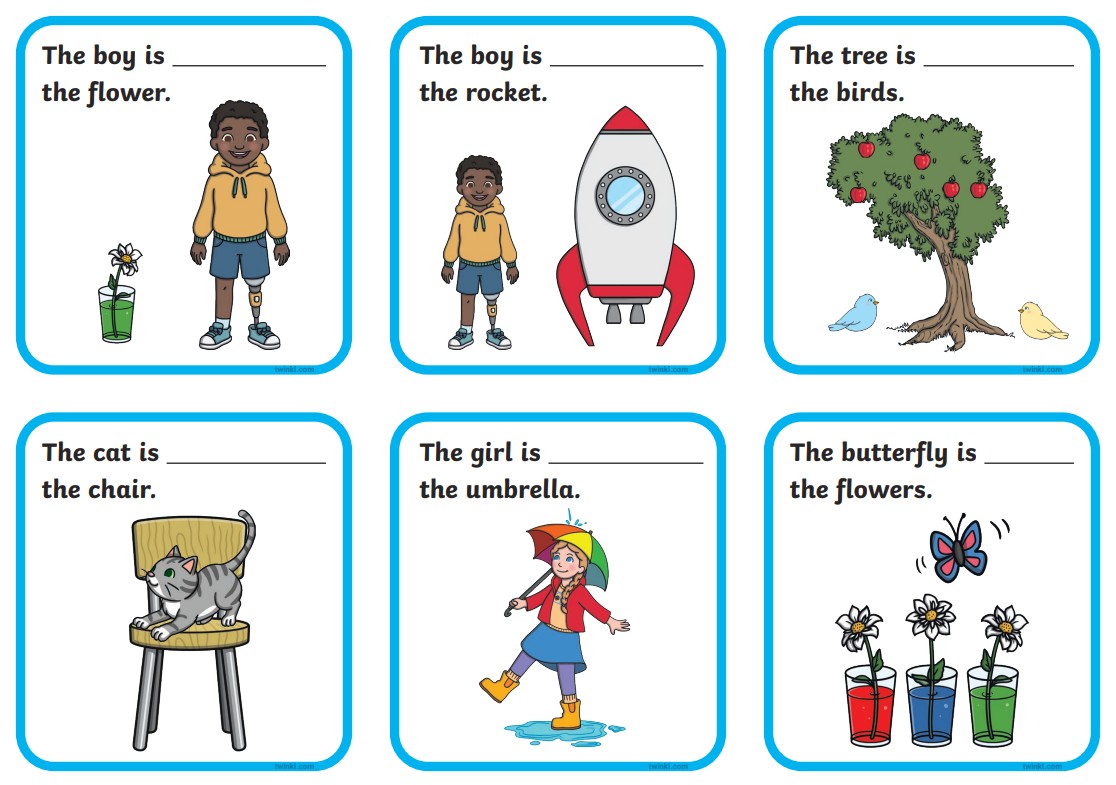
Write the correct preposition under each picture.
Choose from:
next to under on above

30.01.26
LC: To be able to add fractions with the same denominator.
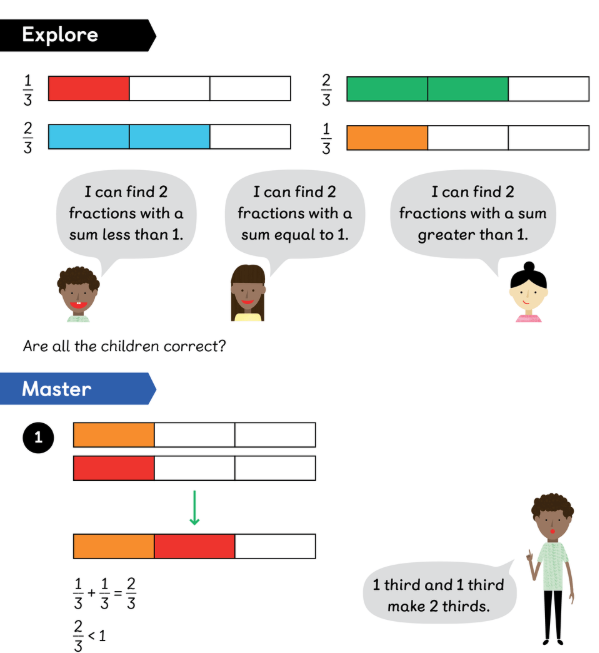
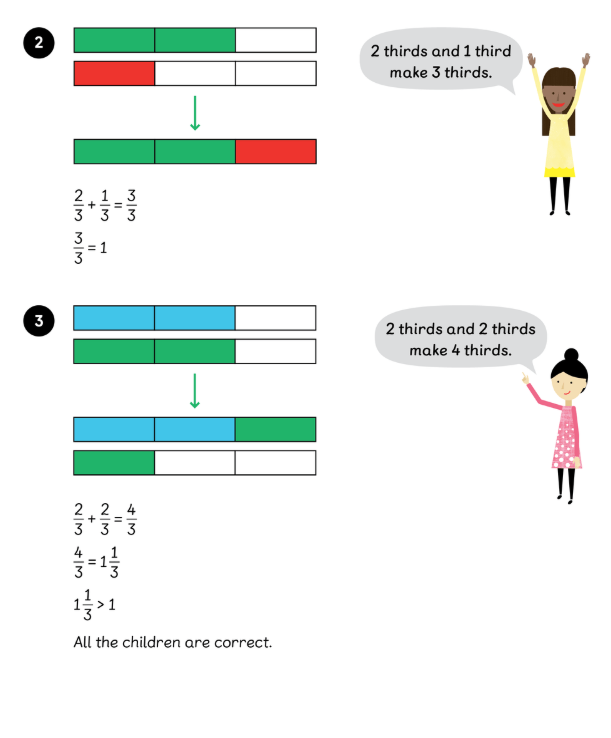
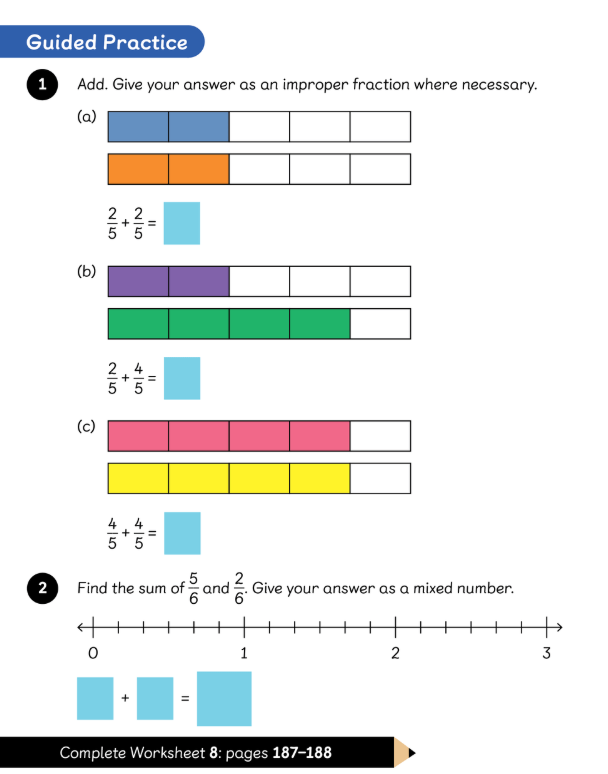
Adapted:
LC: Addition and subtraction families.
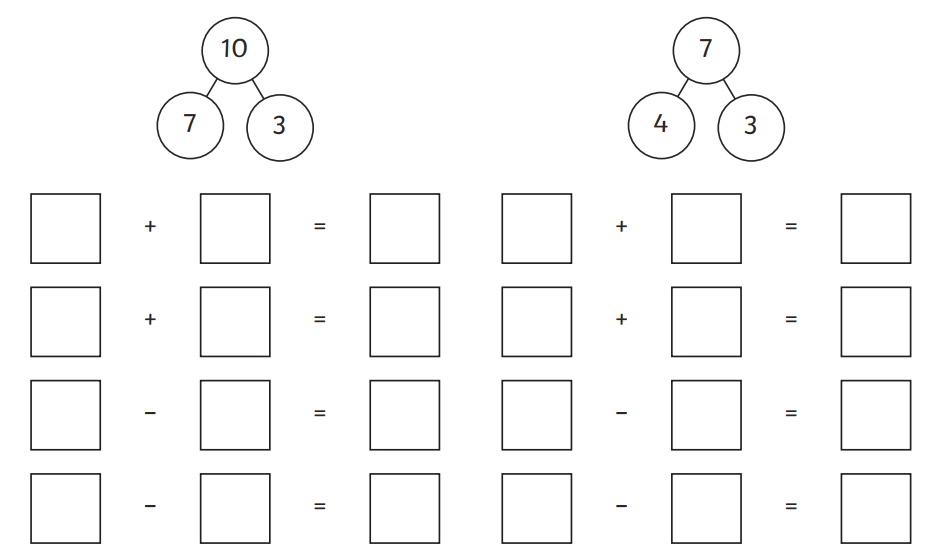
Review
Missing Letters
i _vis_ b _ _
i _ co _ pl _ _ _
i _poss _ _ _ _
i _ pat _ _ nt
_ _ _ _sponsible
i _ _ _ sist _ _ _ _
_ o _ s _ _ _ _
_ _ _ - fic _ _ _ _
Learning
Focus: Add the prefixes ir- and non-, e.g. irregular, nonsense.
Add the prefixes in- and im-, e.g. incomplete, impossible.
All the prefixes in- im- ir- and non- originate from Latin and mean not or without.
Roll the Dice
When we roll the two dice and generate a real word, I will orally compose and then write a sentence using the word.
Practise and apply
Your turn:
We will roll the dice again. Now it's your turn to put the words generated into sentences - remember to say the sentence before you write it.

Friday 30th January 2026
LC: To make and measure materials accurately and to cut and join materials.
Light-Up Word Frame
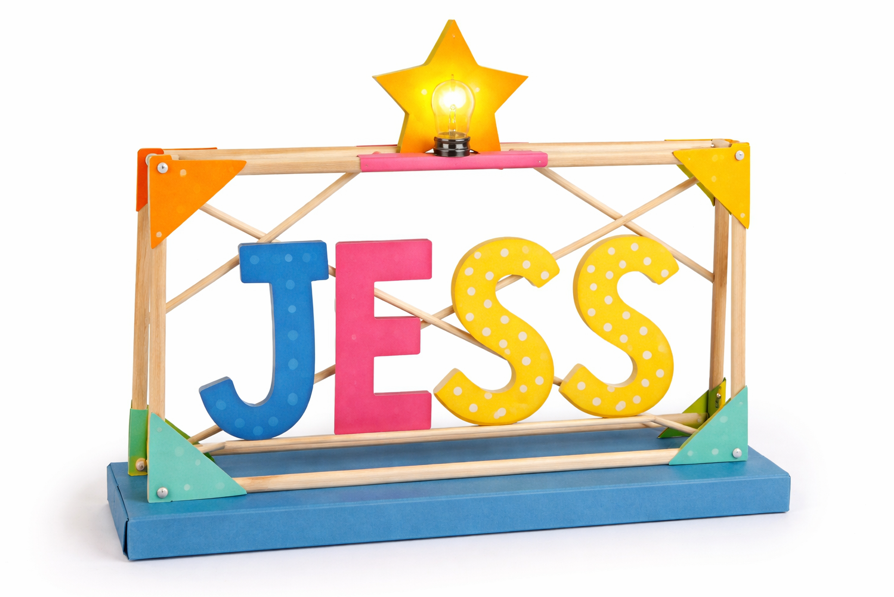
Final product:
-
Width: 30 cm
-
Height: 20 cm
-
Base depth: 6–8 cm (for stability)
This size is:
✔ Easy to measure
✔ Stable
✔ Big enough for letters and a circuit
Equipment & Materials
Tools
-
Ruler (30 cm)
-
Pencil
-
Scissors (card)
-
Junior saw (if using wood – adult supervised)
-
Glue gun (adult supervised)
-
PVA glue
-
Tape
Materials
-
Wooden dowels / craft sticks / strong card strips
-
Thick cardboard or foam board (base)
-
Thin card (gussets)
-
Pre-cut card letters (or pupils cut their own)
-
Battery pack (AA or coin cell)
-
Wires
-
Bulb or LED (or buzzer)
-
Switch (optional)
STEP 1 – Measure and Cut the Frame Pieces
Pupils measure and mark:
Vertical posts (2):
-
20 cm long
Top and bottom bars (2):
-
30 cm long
Diagonal struts (2):
-
22 cm long (approx. – exact length can be trimmed)
👉 Teacher tip:
Demonstrate measure → mark → double-check → cut
STEP 2 – Make the Base (Stability)
Measure and cut base:
-
30 cm × 8 cm rectangle (cardboard or foam board)
Fix the vertical posts:
-
Glue the two 20 cm posts upright at each end of the base
-
Leave 2 cm from the edge to prevent tipping
📌 This wide base is a key engineering feature
STEP 3 – Build the Frame Shape
-
Glue the bottom horizontal bar between the two vertical posts
-
About 2 cm above the base
-
-
Glue the top horizontal bar across the top of the posts
🟦 At this stage, the frame will wobble — this is intentional and good for learning.
STEP 4 – Strengthen the Frame
Add diagonal struts:
-
Glue one diagonal from bottom left → top right
-
Glue the other from bottom right → top left
Add gussets (corner triangles):
-
Cut 4 triangles, approx. 5 cm × 5 cm
-
Glue into each corner
👉 Ask pupils:
“What has changed about the strength now?”
This explicitly meets your stability objective.
STEP 5 – Make and Test the Circuit (Before Attaching)
Simple bulb circuit:
-
Connect wire from battery → bulb
-
Connect bulb → wire → battery
-
Test: bulb lights up
(Optional: add switch between battery and bulb)
⚠️ Always test before fixing to the frame
STEP 6 – Attach the Circuit to the Frame
-
Fix the battery pack to the base or bottom bar
-
Fix the bulb at the top centre of the frame
-
Secure wires neatly along the frame using tape or glue
🔥 Glue gun used here under adult supervision
STEP 7 – Add the Name Panel
Name sign:
-
Card strip approx. 25 cm × 8 cm
-
Letters spaced evenly and glued on
Fix the sign:
-
Tie or glue it across the middle of the frame
-
Make sure it doesn’t pull the frame forward
STEP 8 – Final Check & Evaluation
Test:
✔ Does it stand up without tipping?
✔ Does the bulb/buzzer work?
✔ Are joins neat and strong?
Pupil evaluation prompts:
-
How did I make my frame stronger?
-
What worked well?
-
What would I improve next time?
respect in action primary picture news resource england 26th january.pdf