


Wednesday 28th January
Grammar
LC: To write complex sentences with conjunctions.
Scavenger Hunt
I have placed sticky notes around the room. Each note has a conjunction written on it. You need to find a sticky note and think of a sentence using the conjunction.
Write the sentence in your books!
Main
Wednesday 28th January 2026
LC: To discuss what makes an effective poem.
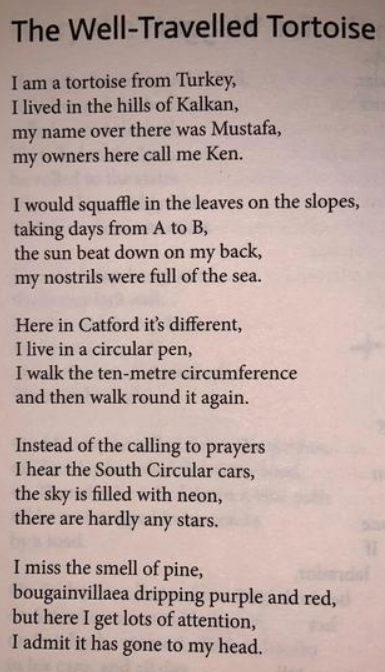
The poem below is a narrative poem. What does that mean?
I am going to read the poem. Listen carefully!
Did you like how I read the poem?
How can I improve my performance? What three things did we discuss yesterday?
Facial expressions? Body language?
Talk Partners
Say one line of the poem without any emotion. Then repeat with same line but showing the following emotions:
angry, sad, excited, worried, confused, happy
When you read your line, did your voice change? Did it automatically get louder or quieter?
What happened to your facial expressions and body language?
Activity
With your talk partner, practise the first two verses of the The Well-Travelled Tortoise.
- Think about your voice; tone, intonation and volume.
- Think about your facial expressions.
If you want, you can create some actions.

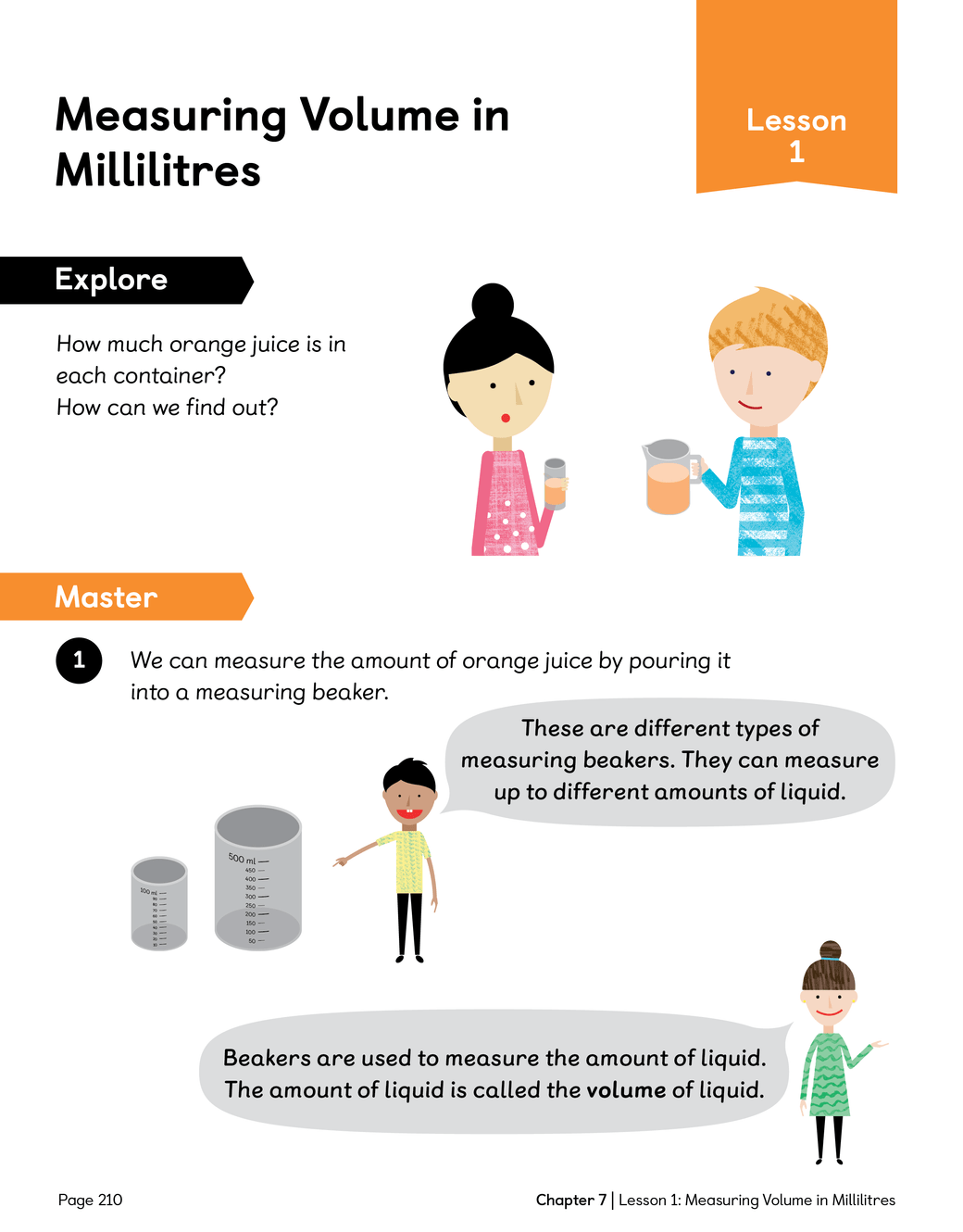
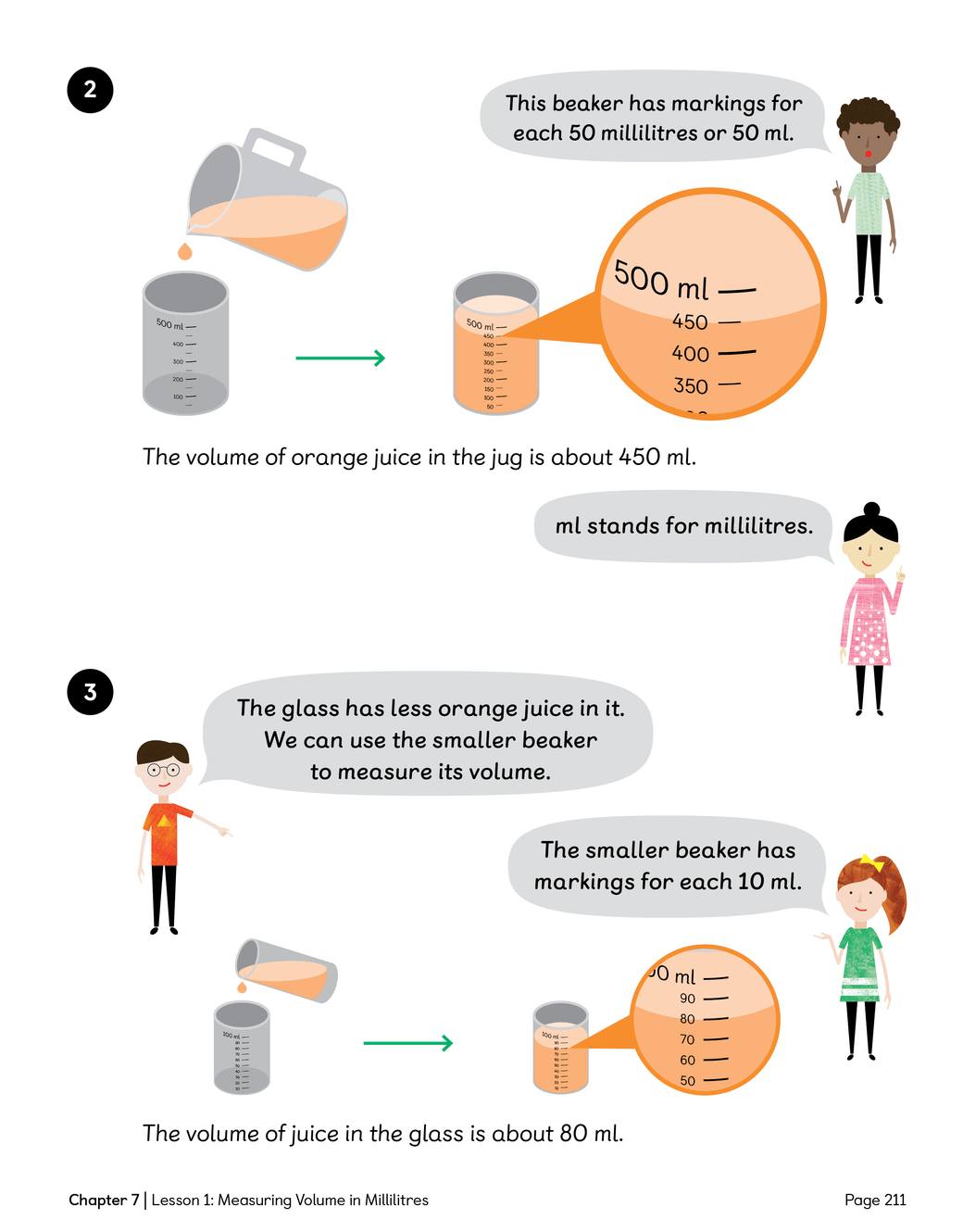
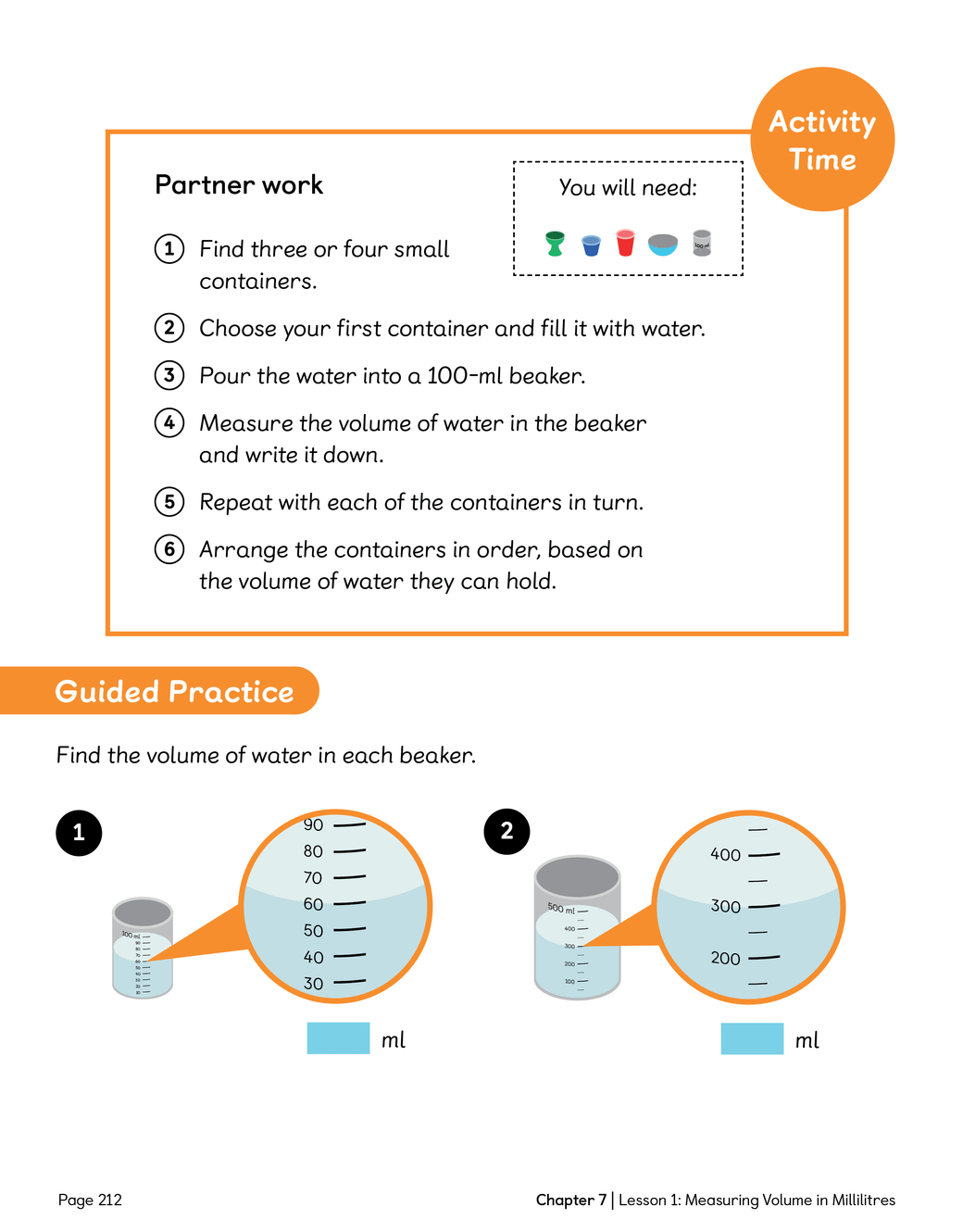
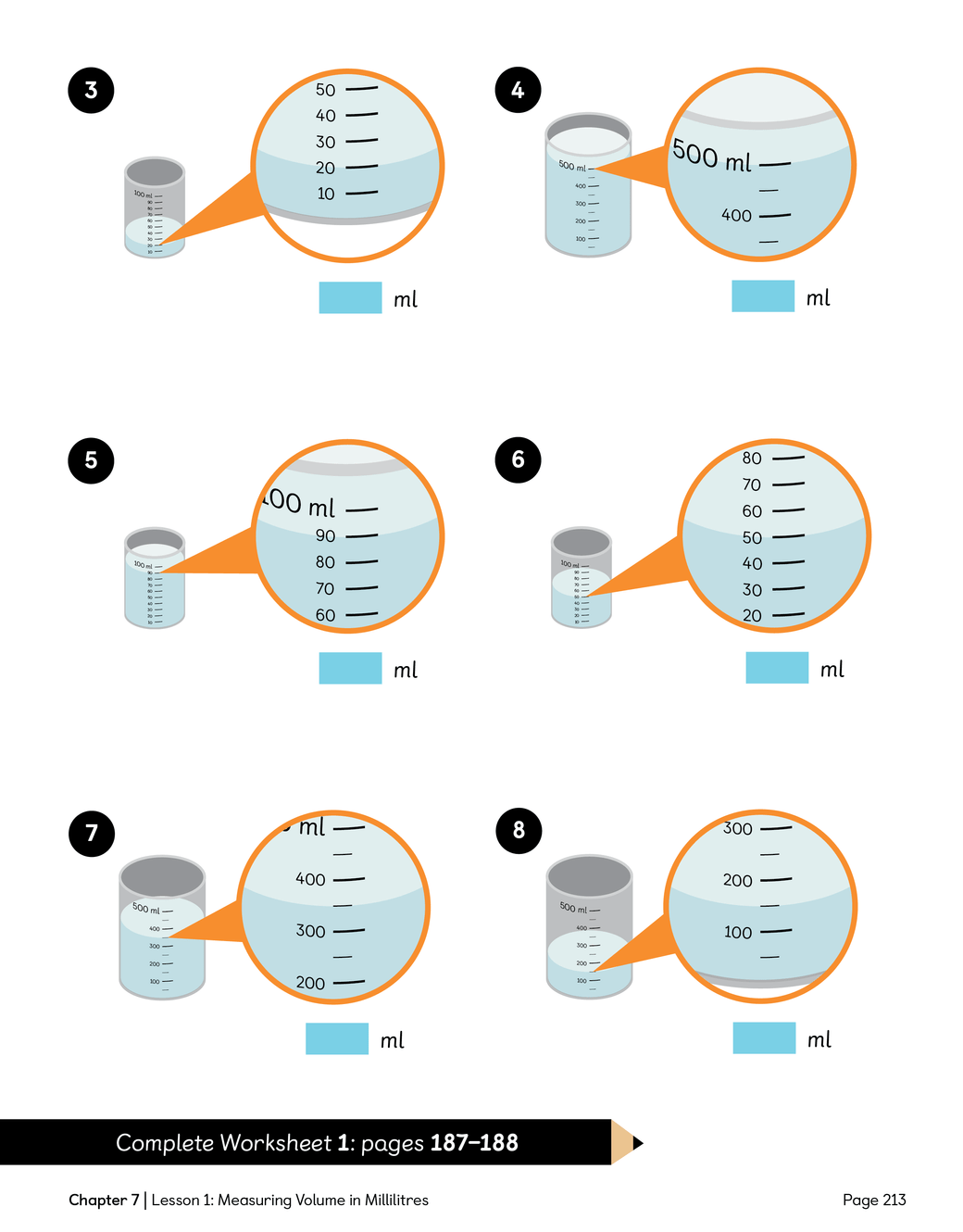
LC: To be able to measure volume in millilitres.
RIC
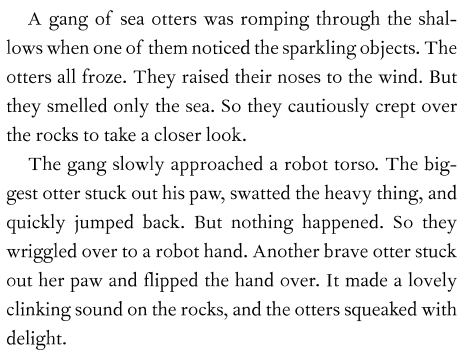
R - What did the otters smell?
I - How were the otters feeling when they crept over to the rocks to take a closer look? Can you find evidence from the text?
C - How many adverbs can you find? What are they?
Wednesday 28th January 2026
LC: To identify the main ideas drawn from more than one paragraph.
The main idea is the most important idea in a paragraph.
Can you remember one of the paragraphs we read yesterday? What was the main idea? How did you know?
If you are reading a non-fiction text, what could you use to help you find the main idea?
Remember to look for key words or phrases that keep appearing!
Whole Class
Wood is made up of cells. Each wood cell is long and hollow. They are very small but there are millions of them in a tree. These cells are all held tightly together with a very sticky glue. This means that wood is very strong!
What is the main idea of the above paragraph?
a) Wood is important.
b) Wood is very strong.
c) Wood is made up of cells.
Most sharks eat fish, like tuna or mackerel, but some also eat squid, crabs, and other sea creatures. Big sharks, like great white sharks, may hunt seals or even small whales. Sharks don’t chew their food—they swallow it in big chunks. Some sharks, like the whale shark, are filter feeders. They eat tiny plants and animals, called plankton, by filtering them out of the water. Sharks are skilled hunters and eat what they need to survive.
a) Sharks don't chew their food.
b) What sharks eat and how they eat it.
c) Sharks are incredible ocean animals.
Activity
Eating healthy is important because it gives our bodies the energy and nutrients they need to grow, stay strong, and fight off illness. Eating a variety of foods, such as fruits, vegetables, whole grains, and proteins, helps keep us healthy. Drinking plenty of water and avoiding too much sugar also supports good health. When we make healthy food choices, we feel better, have more energy, and can focus better in school and daily activities.
a) Drinking plenty of water supports good health.
b) Eating healthy is important.
c) We should eat lots of fruit and vegetables.
Choose the correct answer.
Frogs eat different types of food depending on their size. Most frogs eat insects like flies, mosquitoes, and crickets. Bigger frogs can eat small fish, worms, and even other frogs! They use their long, sticky tongues to catch their food quickly. Baby frogs, called tadpoles, eat plants and algae until they grow into adult frogs. Eating the right food helps frogs stay strong and healthy in their habitats.
What is the main idea of the paragraph?