


Thursday
To be able to add two numbers by making 10 first then adding the remainder.
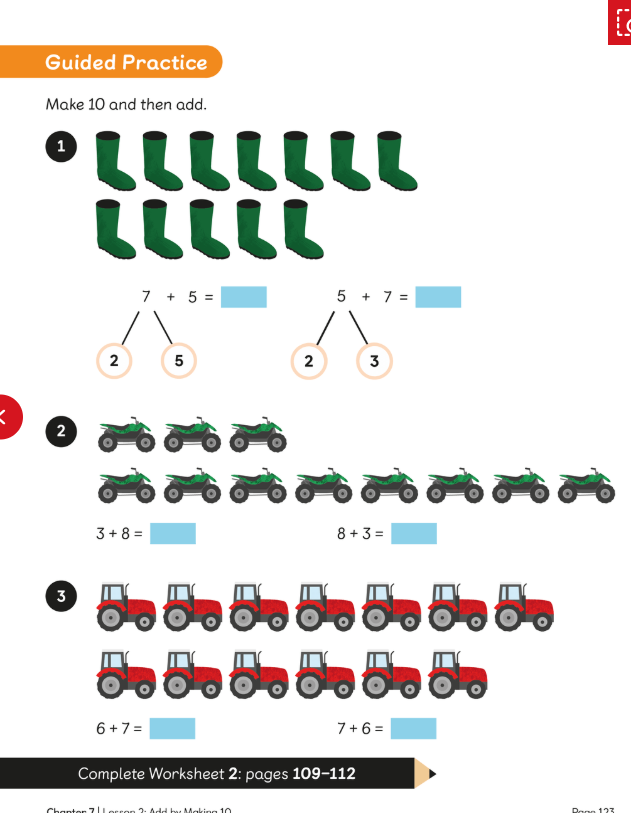
Now complete pages 109-112
Grammar
To add s to words
Can you remember what adding s to nouns means?
Have a look around the room? Can you see anything that there is more than one of.
Your teacher will write the noun and then add the s to make it more than one.
Identify and discuss the main characters in stories.
Think about the characters in the story and how each one might be feeling.
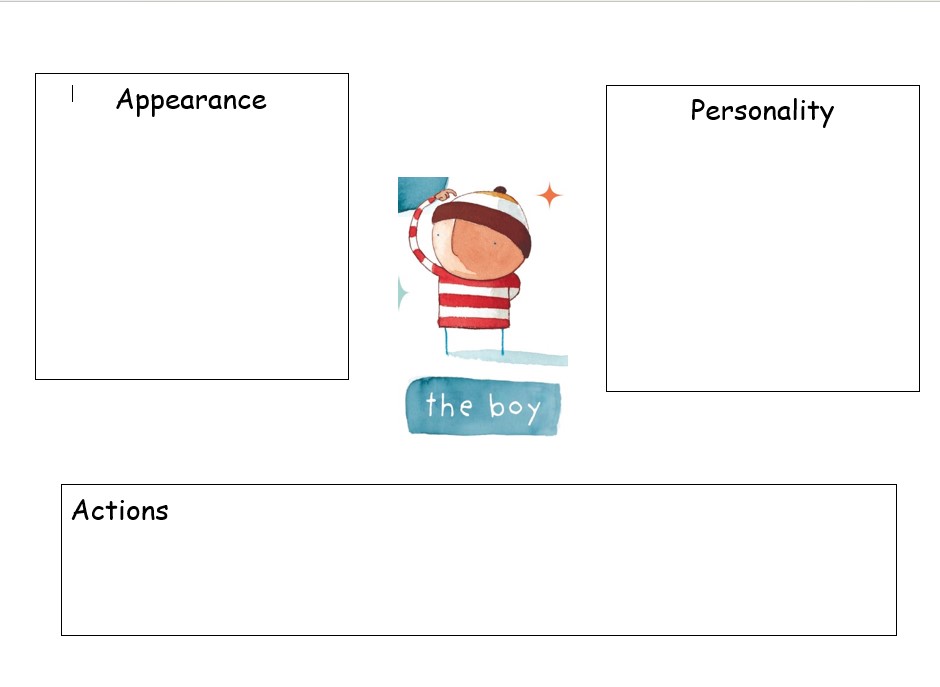
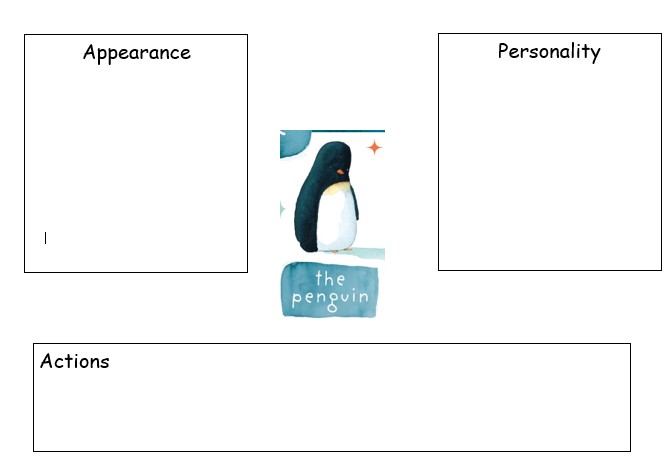
As a class, we are going to begin to create a character profile for the boy and the penguin.
We are going to focus on 3 things- appearance, personality and actions (discuss what each mean)
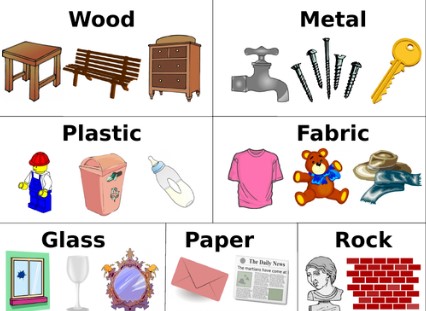
Do we know the difference between an object and a material?
An object is a thing that you can see or touch, but not usually a living plant, animal or person.
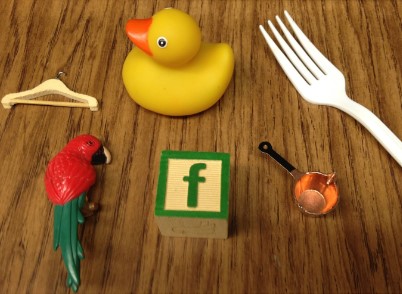
On your table are lots of objects. Discuss in your group what you can see.
A material is what the object is made from.
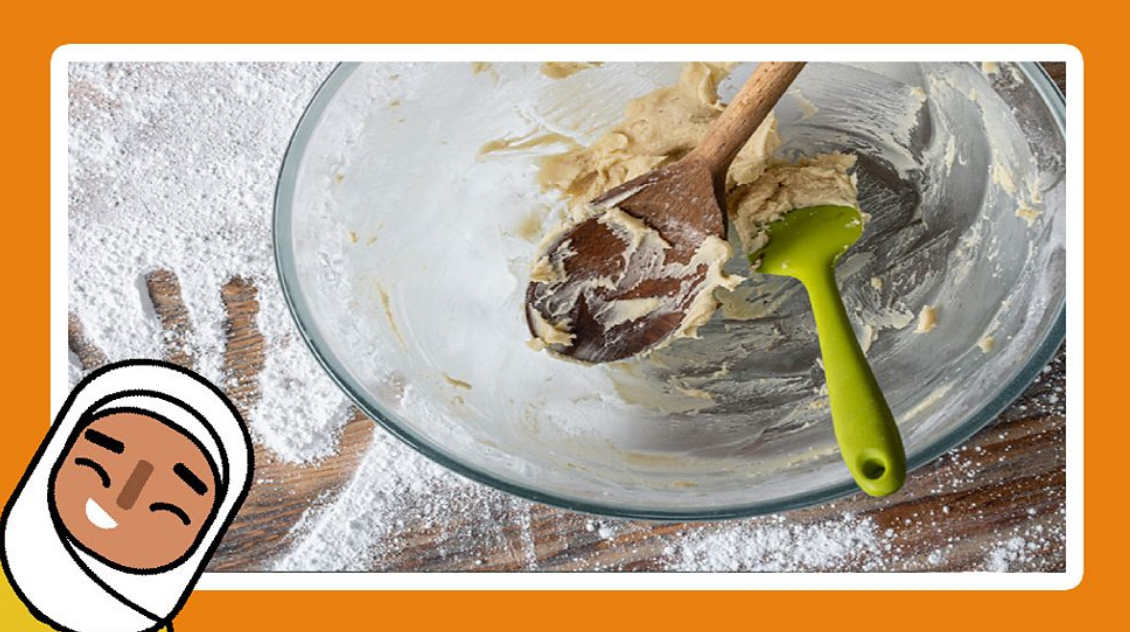
These objects are spoons. What materials are they made from?
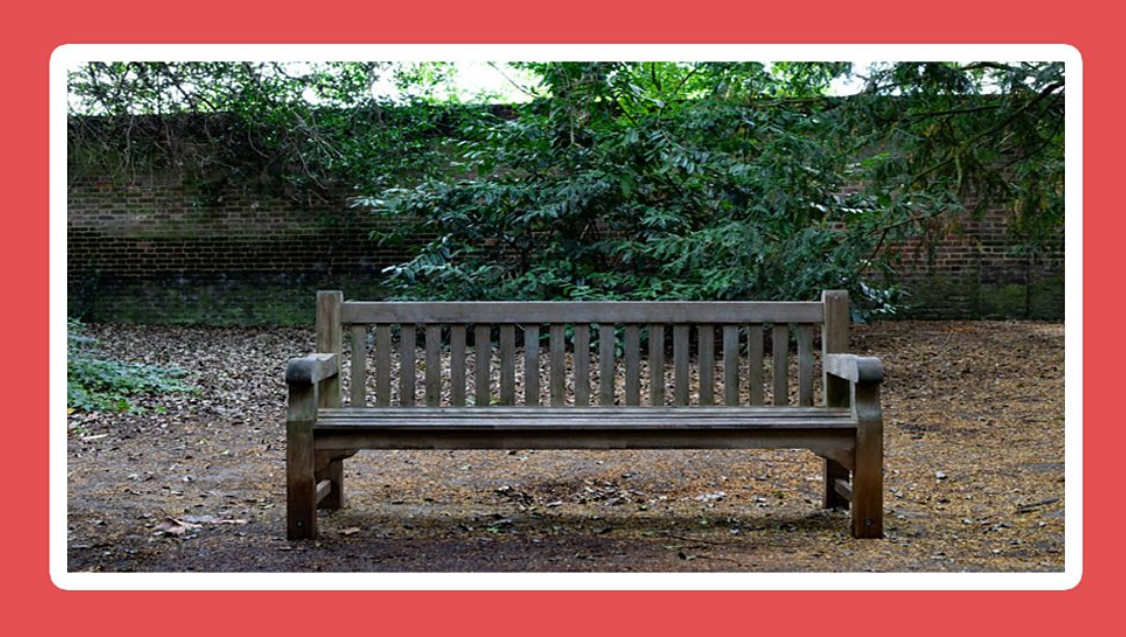
Can you say what is the same and what is different about the next two items?
Now use the objects you have on your table to discuss what material you think they are made from.
Here is a word bank to help you fill in the sheet provided to identify objects and materials.
| Objects | Materials |
| car | plastic |
| mugs | clay |
| window | rubber |
| toy duck | glass |
| bands | metal |
| book | paper |
What are the similarities and differences between cities and countries?
What do you remember about different settlements? (Use Geography books to look back on previous learning)
Using a large space, if available, or cubes if not, ask the children to show each settlement (like we did outside in Autumn 1)
A country is a land that has borders, that is controlled by a single government. They can be large or small. Countries have in them many villages, towns and cities.
Model on the board or using chalk/tape in the large space.
The United Kingdom is made up of 4 countries.
England
Northern Ireland
Scotland
Wales
Let's sing along to this song to help us remember the names of the countries of the UK.
Youtube- "United Kingdom Song" with signing | By Al Start | Primary School Geography
Now let's use an atlas (a book of maps) to find the four countries of the United Kingdom.
Can you find any of the towns or cities you have heard of in the countries of the UK?